





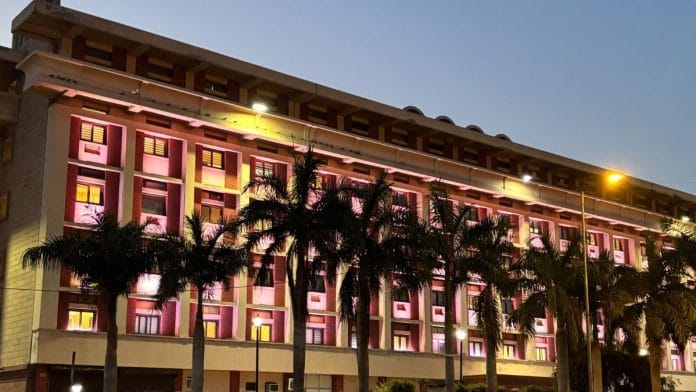



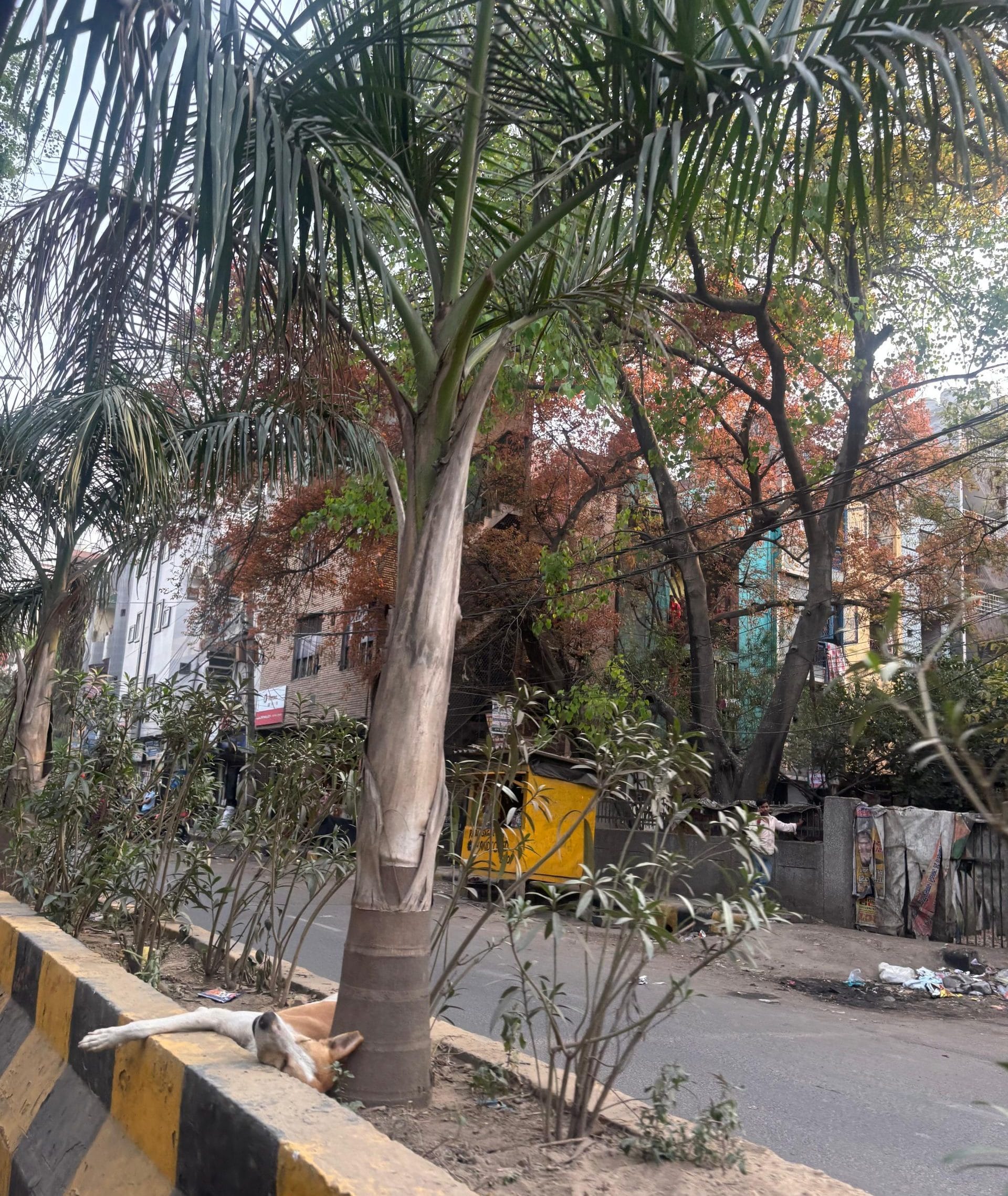
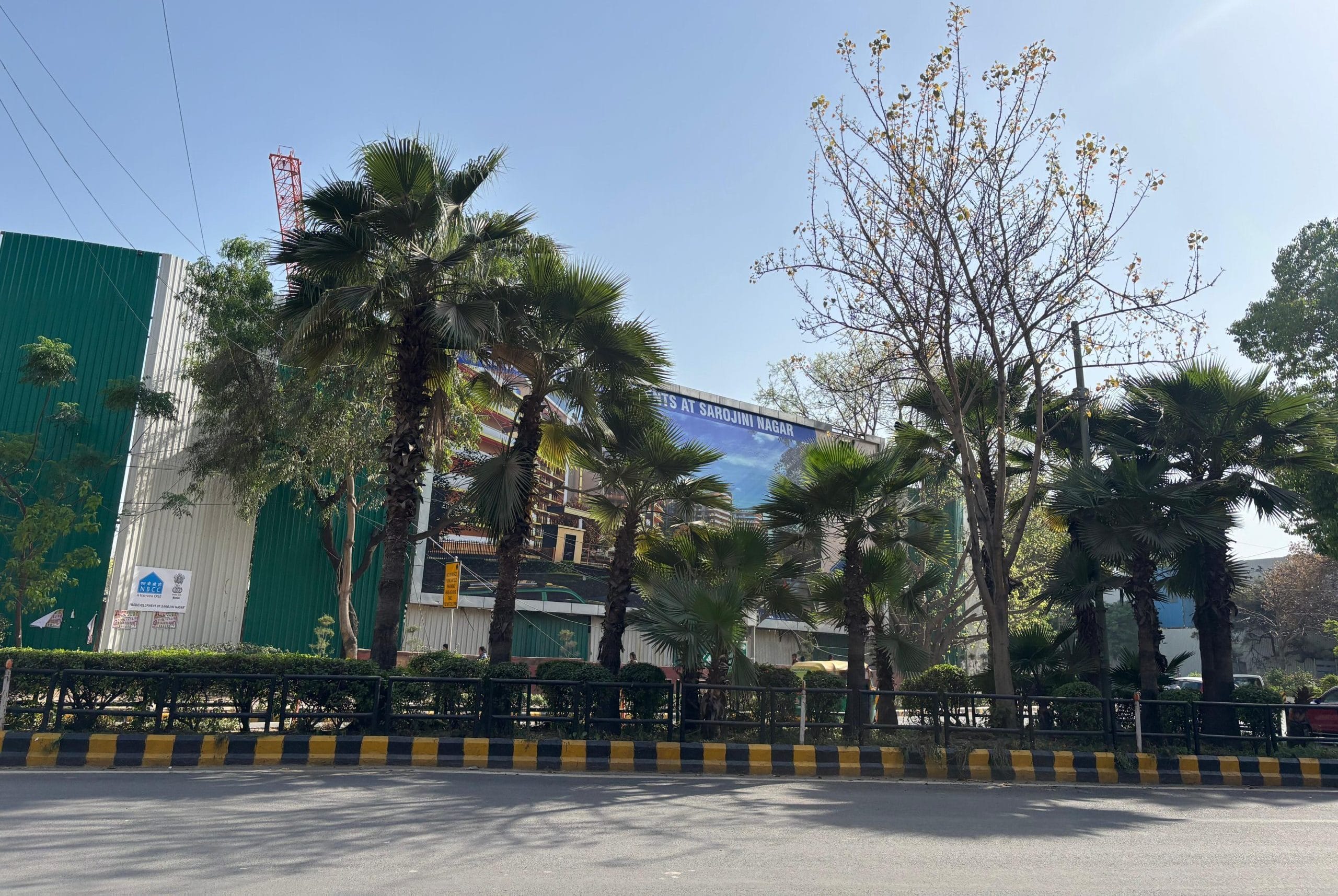
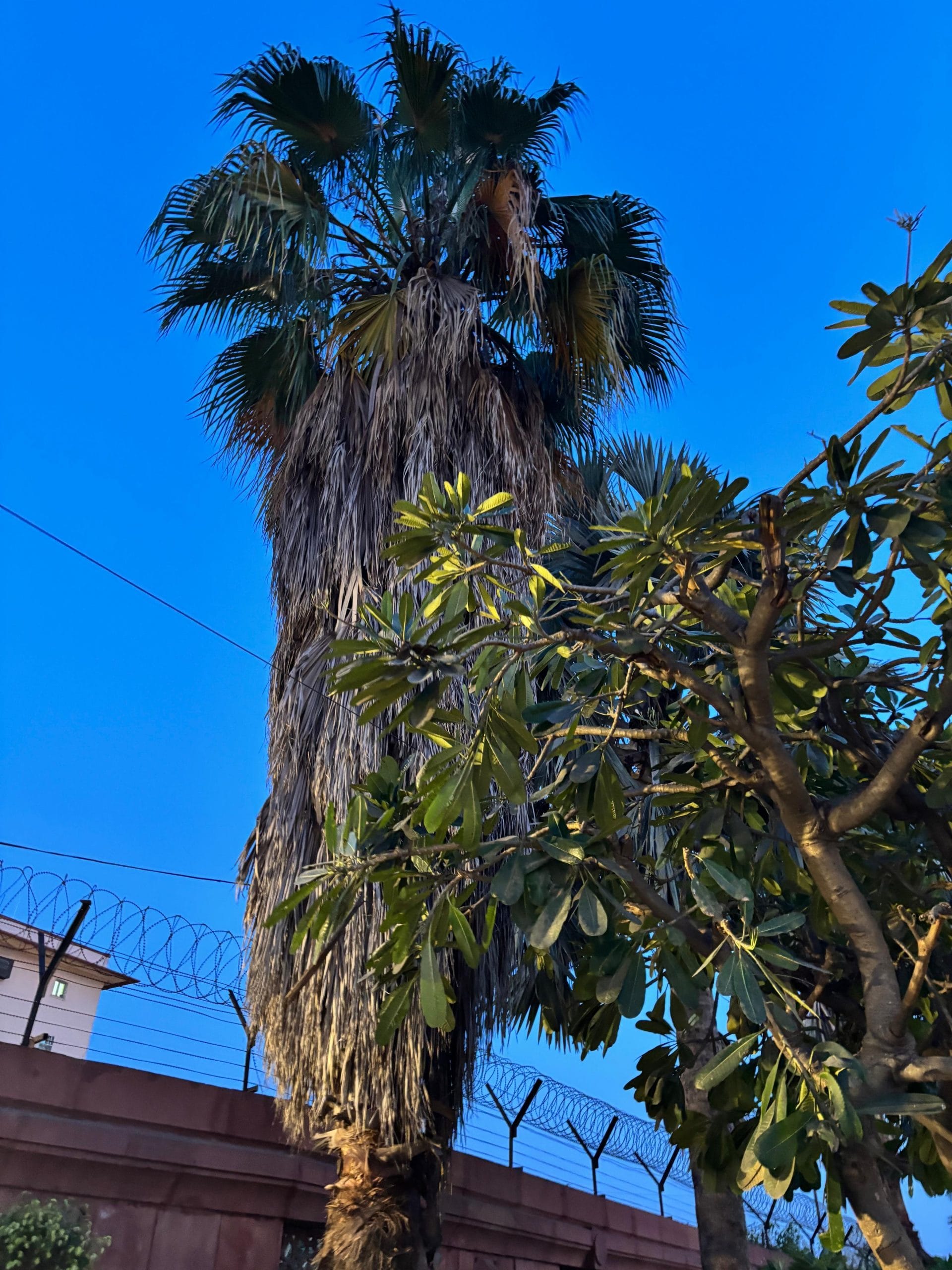
New Delhi: The national capital’s treescape has been changing slowly. On a busy road in East Delhi, a row of palm trees stands in the middle of a central divider—tall, symmetrical, and almost entirely lifeless. Their fronds are dry, their trunks coated with dust. The ground below them parched. The sun beats down uninterrupted. Beneath them, there is no shade. No birds perch on them. No one stops near them.
Palm trees have become an extravagant and irrational obsession in Delhi in the past two decades. And it strikes at the heart of the timeless debate over landscaping and green cover. What is native to Delhi?
Across the city, along arterial roads, outside malls, in gated housing societies, and at the entrances of luxury hotels, palm trees have come to dominate the city’s landscape. They line central verges, flank driveways, and punctuate roundabouts. They have become shorthand for a certain kind of urban “modern” aspiration: clean, orderly, global.
But behind this visual uniformity lies a deeper contradiction. Experts across ecology, urban planning, and environmental design say Delhi’s new affair with palm trees is ecologically unsound, water-intensive, and driven more by aesthetics and imitation than by function.
When New Delhi was designed as the imperial capital in the early 20th century, planners selected a limited palette of trees based on road width and function, including neem, jamun, and arjun among them.
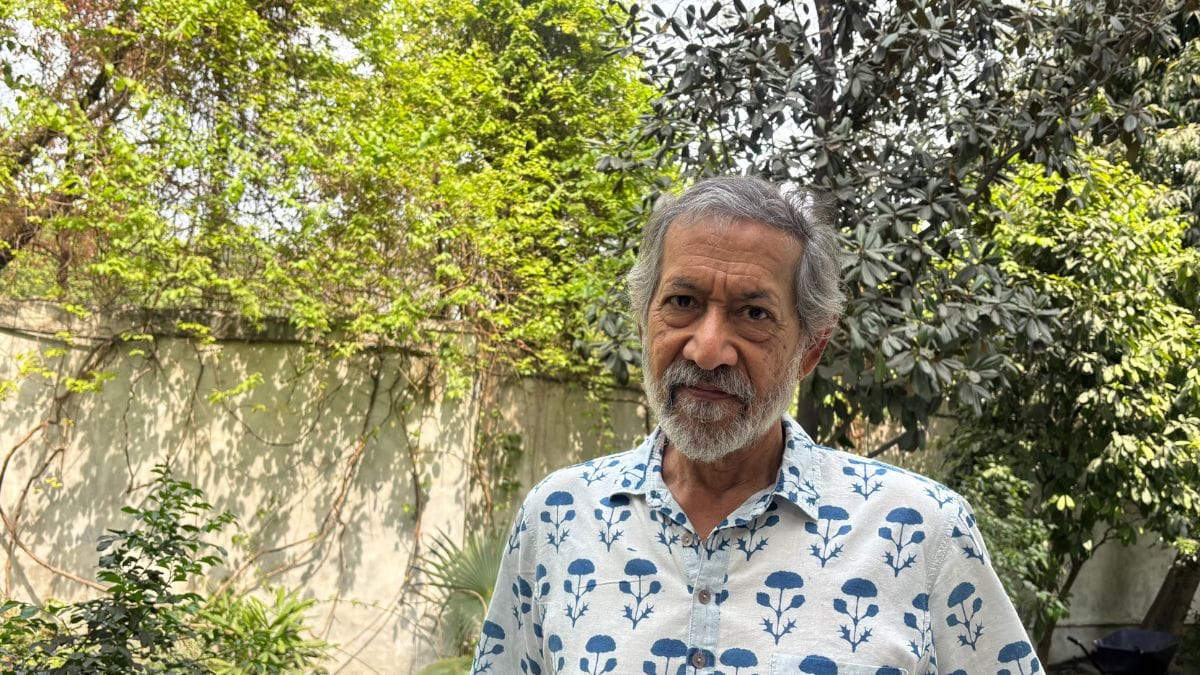
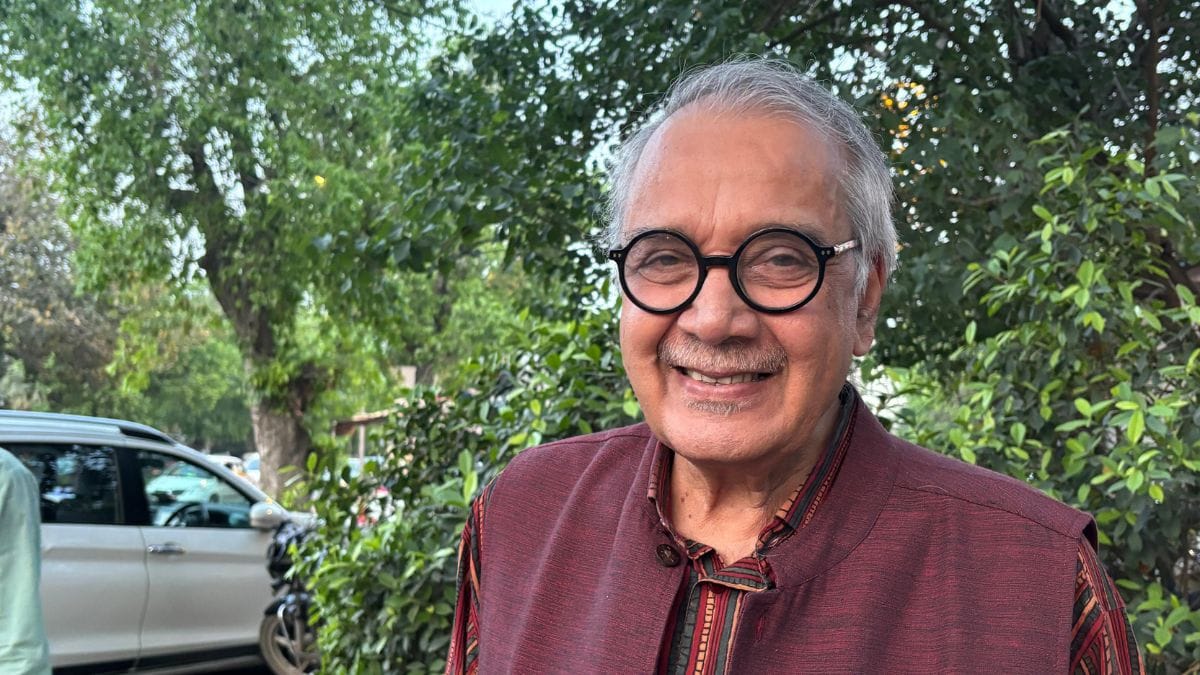
“Not a single one of these was a palm,” environmentalist Pradip Krishen, and author of Trees of Delhi: A Field Guide, said.
Instead, he traces the trend to a much more recent moment. “The palm fashion really came from Dubai and Sharjah.”
Over the past decade and a half, American landscape architects designed high-end developments in these desert cities, importing ideas from California and Florida—along with technologies like drip irrigation and desalination-backed water supply. “Indian planners copied that model,” he said, calling it an uncritical imitation disconnected from local ecology.
The business of palms
“When the Delhi government orders, each order can have 400 to 500 palms.”
Palms are among the most expensive trees planted in Delhi. Depending on their size and species, a single palm tree in Delhi can cost anywhere between Rs 20,000 and Rs 1 lakh. Taller specimens—often preferred for their visual impact—are the most expensive.
And yet, despite their price, most are not even grown in Delhi. “None of the palms you see in Delhi are grown here,” said Shubham Singh, an agriculture engineer and manager at Delhi-based Balaji nursery that supplies plants for government and private projects. “They all come from outside—mostly from Andhra Pradesh, Karnataka, Kerala.”
Key sourcing hubs include Kadiyam and Chittoor in Andhra Pradesh, regions known for their tropical and subtropical climates—conditions that palms require to grow. These regions offer what Delhi cannot—warm temperatures, high humidity, and moisture-rich soil.
At nurseries like Swamy Nursery and Florists in Bengaluru, which supplies across India, palms are grown for years, sometimes decades, before being transported. Once they reach heights of 7 to 15 feet, they are uprooted, loaded onto trucks, and shipped across the country. The process is labour-intensive and logistically complex. Large palms are moved using cranes and heavy machinery. Transport alone can involve multiple days of careful handling to prevent damage to roots and trunks.
“It’s a very complicated trade,” one nursery representative said. “You are moving a fully grown tree across states.”
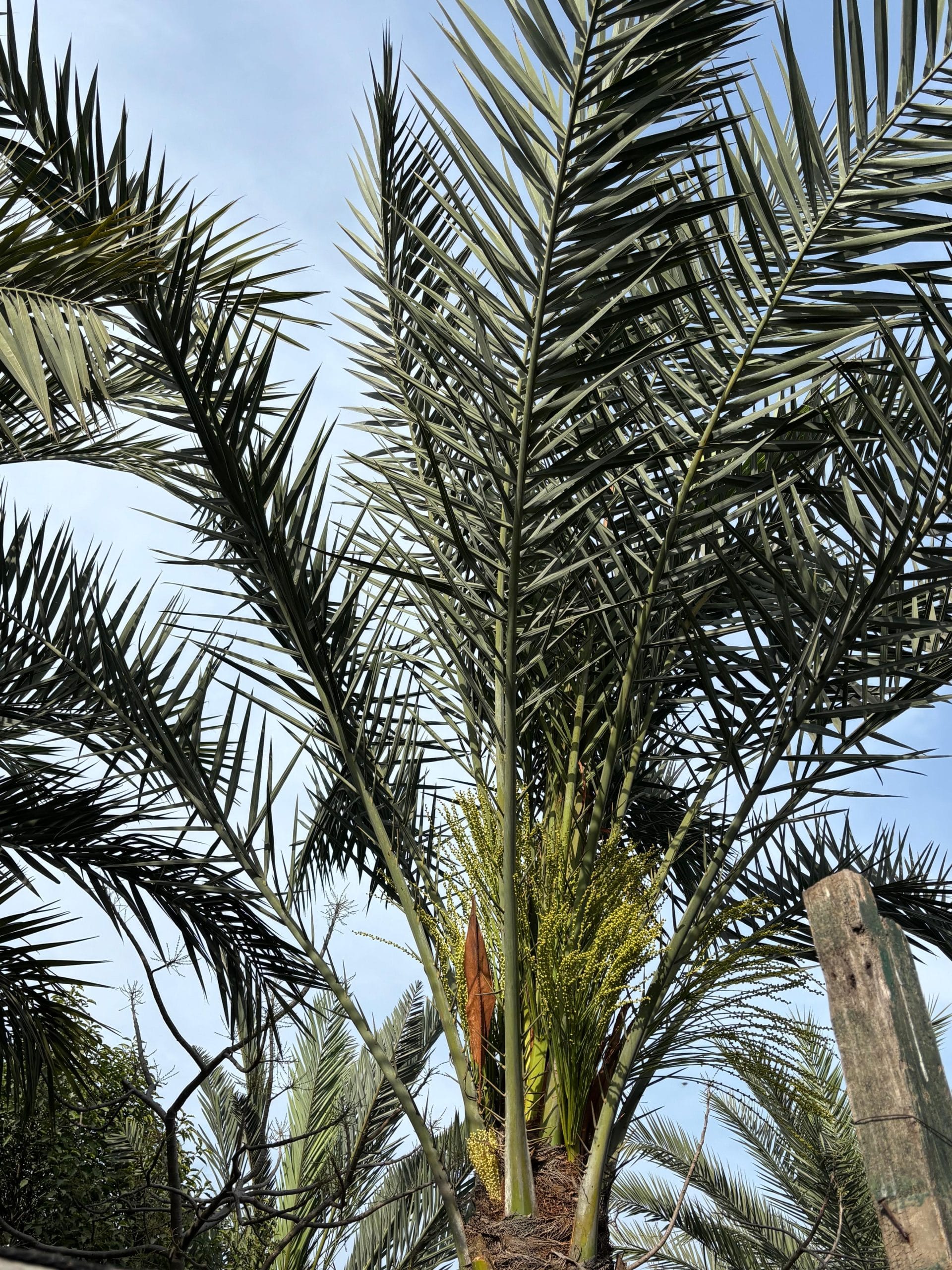
Despite this, demand remains high. “At least 1,000 palm trees are sold every month,” Singh said. “When the Delhi government orders, each order can have 400 to 500 palms.” The most popular varieties are areca, date, washingtonia, and foxtails, Singh said, but tall palm varieties are preferred only for large-scale projects.
Landscaping firms in Delhi, such as Greenstar Landscaping, say they source palms not only from southern India but also import them from countries like Vietnam, with the Washingtonia fan palm being the most planted across Delhi.
Bagwani Nursery, one of the largest nurseries in India, supplies plants wholesale across the country and also exports globally. A representative said the nursery earns around Rs 10-15 crore annually from palm tree sales alone. Most of these are supplied to private corporate clients in India, such as Eldeco and Vrindavan, while a significant portion is exported to West Asian countries like Bahrain. The palms sold by the nursery range in price from Rs 200 to Rs 15,000 each.
The palm economy is almost entirely driven by private players. “It is a big business,” said ecologist CR Babu, professor emeritus and the head of the Centre for Environmental Management of Degraded Ecosystems (CEMDE). “There are specialised nurseries where no plant costs less than Rs 20,000. Some go up to Rs 1 lakh. They are handled with cranes.” According to him, no government nursery grows palms at this scale.
Nursery operators say that annual revenues from palm sales can range between Rs 10 crore and Rs 15 crore for large suppliers. Much of this demand comes not from government bodies but from private developers—housing societies, corporate campuses, luxury hotels.
Government demand, while significant, is increasingly routed through contractors and middlemen. “Earlier, we supplied directly to government departments,” a nursery representative said. “But due to payment delays, we stopped. Now everything happens through contractors.” This layered supply chain adds to the cost, making palms not just expensive plants, but symbols of capital-intensive landscaping.
Their popularity, however, is not just aesthetic; it is also logistical. Unlike many large trees that develop deep taproots and are difficult to transplant, palms have fibrous, shallow root systems. They can be grown elsewhere, uprooted, and transported as mature specimens.
Decorative, not functional
“Most palm trees don’t survive”
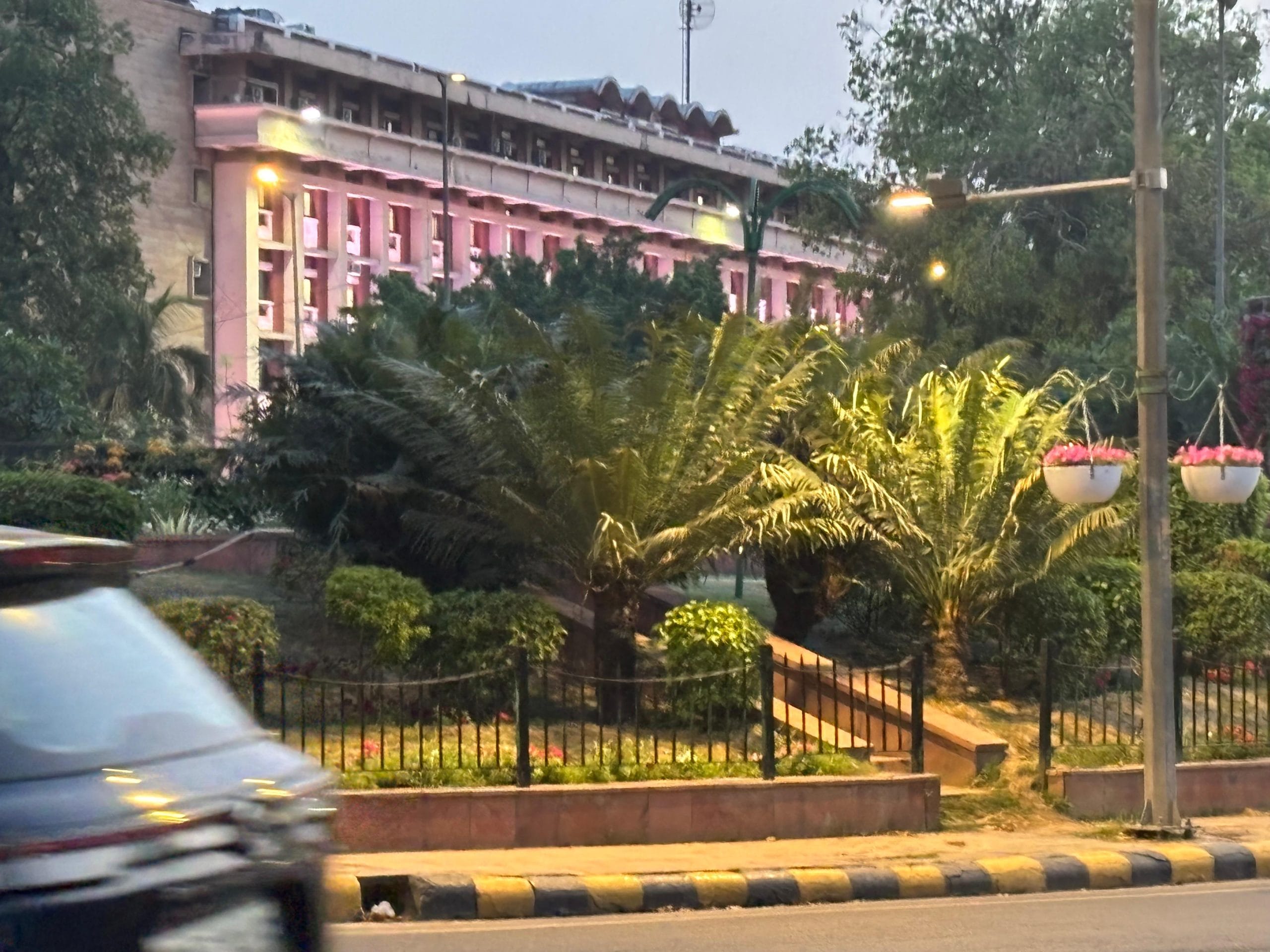
Despite their growing presence across the city, palms are not considered suitable for functional urban planning. Instead, they are used largely as decorative elements in select spaces. Municipal authorities also acknowledge the limited utility of palms.
“We don’t plant palms as avenue trees,” said Jitender Dabas from the horticulture department of the New Delhi Municipal Council (NDMC). “They are planted for decoration. If we plant them, it is mostly for the replacement of the palms that fall or dry up.”
Avenue trees, the ones planted along roads, are typically species like jamun, peepal, and imli, Dabas said. Palms, by contrast, are treated as ornamental additions. NDMC and other municipal bodies get their avenue trees from private vendors, for which a tender is taken out; only a few are brought from government nurseries.
This distinction becomes evident in projects like the “palm corner” developed by NDMC in Commonwealth Park in 2015. The park featured over 100 palm saplings from multiple countries. Today, the site tells a different story.
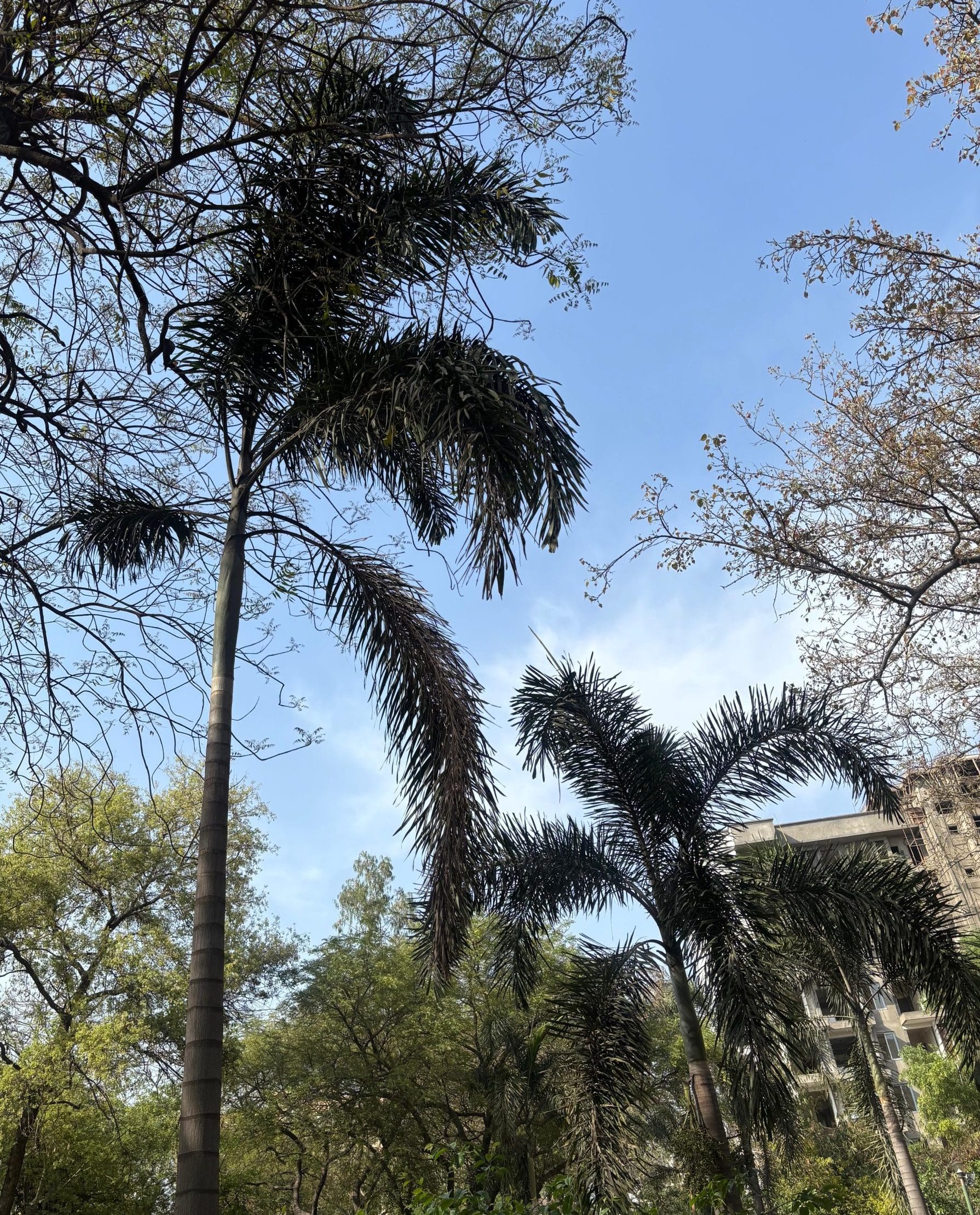
“Most of them don’t survive,” a caretaker said. “They require a lot of water. We don’t get enough supply here so the palms planted die or dry up.” What remains are scattered individuals, many drooping, some barely alive.
Officials from the PWD also said that while a large number of washingtonia palm trees were planted along roads for aesthetics, they require constant maintenance. ThePrint also reached out to MCD but did not receive a response.
An ecological mismatch
“They do not attract birds, they do not provide habitat, they do not contribute to a food chain”
The failure is ecological. Palms are largely tropical and subtropical plants. They thrive in regions with consistent warmth, high humidity, and, crucially, adequate moisture.
For C. R. Babu, the problem goes far beyond palms. It lies in how cities imagine green spaces themselves. “What we have in cities are parks and gardens—with a few scattered trees,” he said. “But that is not a natural ecosystem.”
A functioning ecosystem, according to him, is layered: a tall canopy, a middle storey, and ground vegetation, along with insects, birds, and mammals that together form a food web. Isolated trees don’t provide the same ecological service.
India has less than 4 per cent of the world’s palm species, most of which are adapted to wet, rainforest-like environments. As per Pradip Krishen, even species like the Indian date palm (Phoenix sylvestris) tend to grow in areas where water collects—shallow depressions or floodplains. By that logic, these trees are “fundamentally unsuitable” for a dry seasonal climate like Delhi.
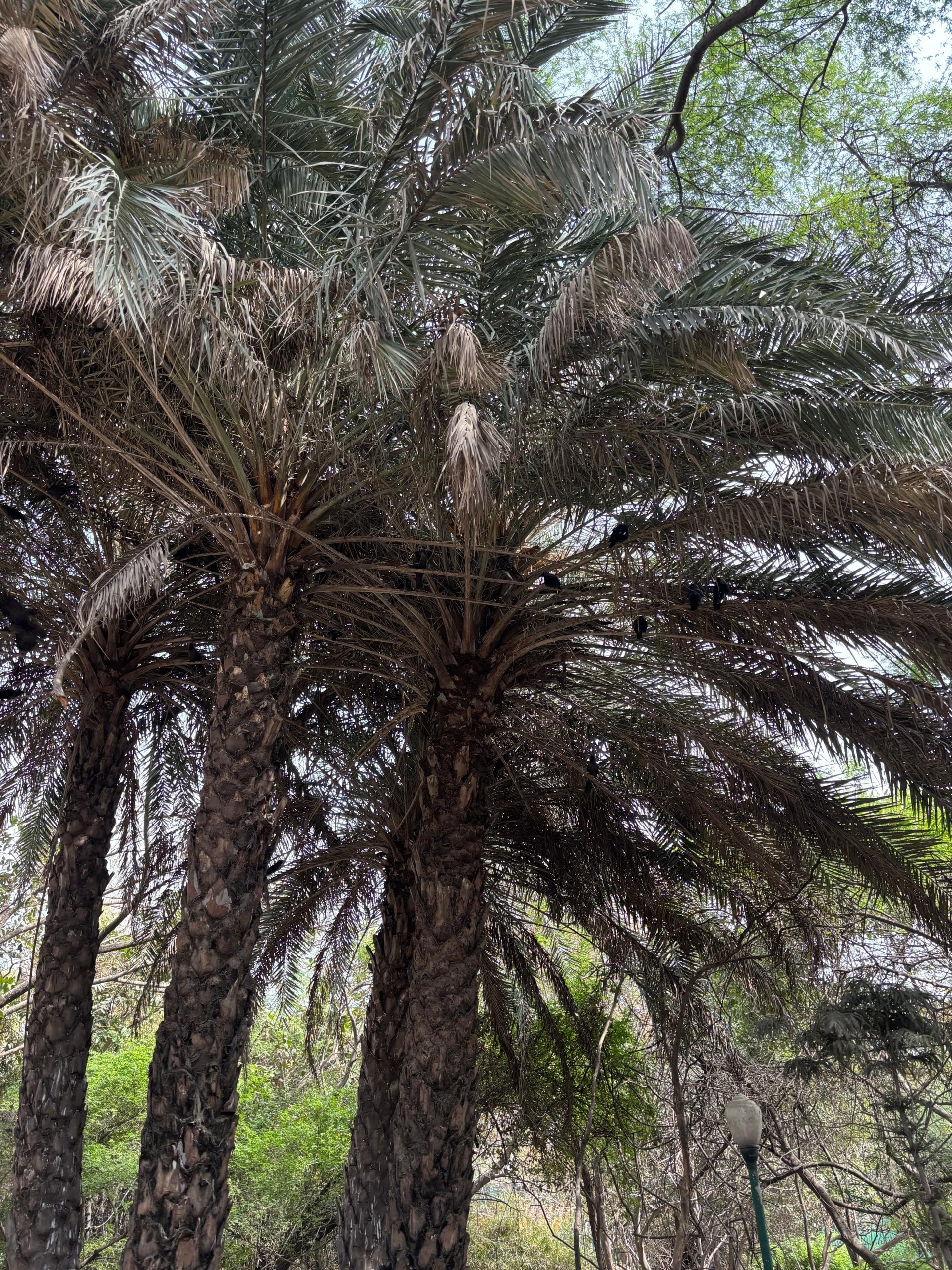
Even native palms follow this rule. At the Yamuna Biodiversity Park, a few Indian date palms—Phoenix sylvestris—stand tall and healthy. Their success, experts say, is not accidental. They are in floodplains so they do better. The soil there has moisture and water available.
Move the same species to drier parts of the city, and survival becomes uncertain. “When you plant palms in areas like the Aravalli ridge or along dry roads, they cannot sustain,” said urban planner KT Ravindran. “That’s why they are dying.”
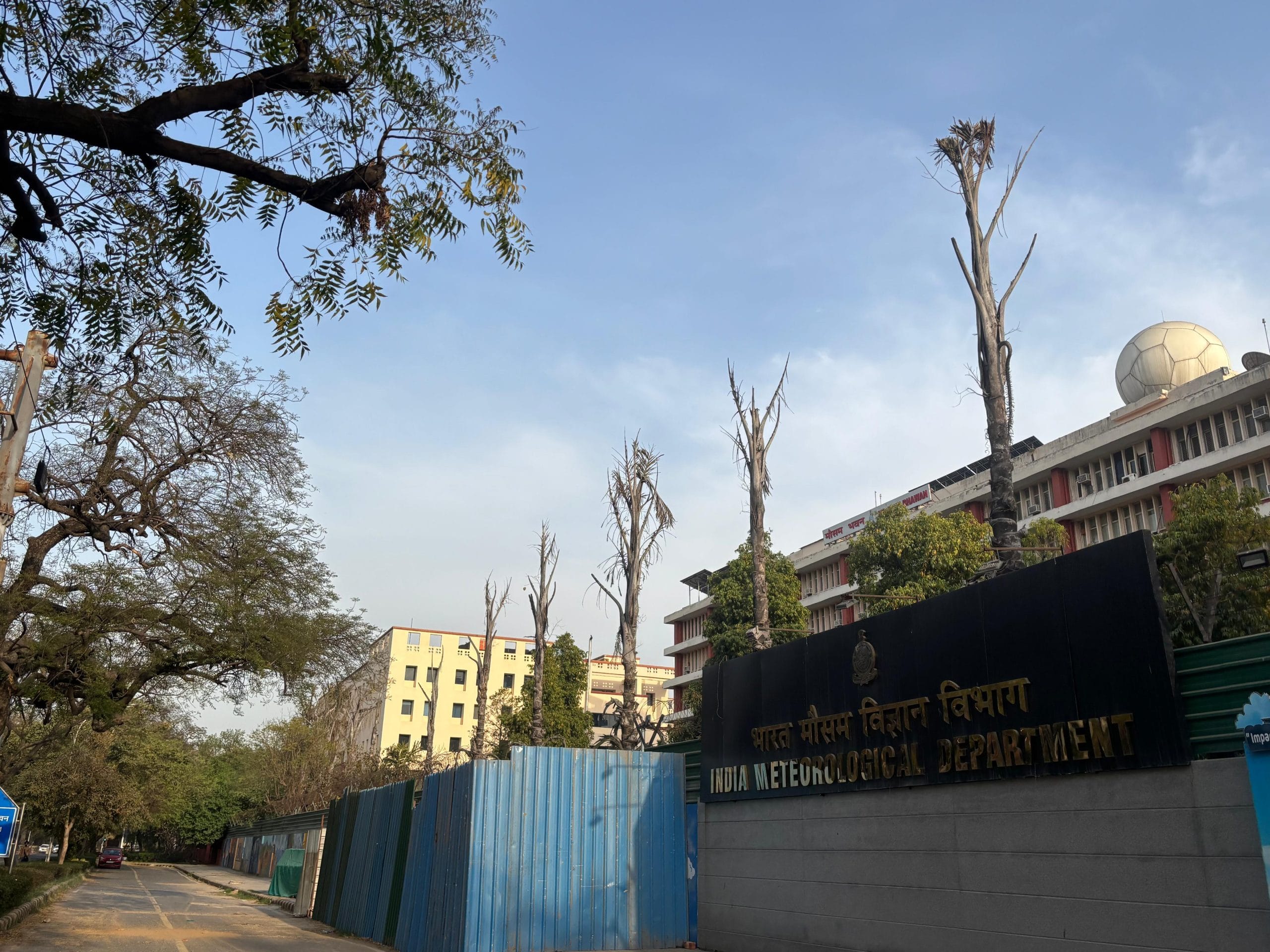
Even when palms survive, their ecological contribution is minimal. “Shade is critical” in a climate like ours, according to Krishen. “From April to the monsoon and beyond, you need trees that provide shade. Palms are useless in that sense.”
Unlike canopy trees, palms have a single tall trunk with leaves concentrated at the top. This structure prevents them from creating meaningful ground-level shade. Without canopy cover, roads heat up, pedestrian movement declines, and urban life itself becomes more difficult.
It also limits their role in supporting biodiversity. “They do not attract birds, they do not provide habitat, they do not contribute to a food chain,” Babu said. “They are planted mainly for aesthetics.”
Their smooth, waxy leaves further reduce their ecological value. Since dust and particulate matter do not settle easily on their surface, they are not effective in trapping pollution.
The placement of palms along central verges is particularly problematic. The purpose of planting in the middle of roads is to reduce glare from oncoming traffic. “You need dense, bushy vegetation for that,” Babu said.
Plants like nerium, pomegranate, or chameli, with foliage from base to top, can form a hedge-like barrier that absorbs light and improves visibility.
Palms, by contrast, leave the lower field completely exposed. “They do not block glare. They do not absorb pollutants effectively,” Babu said. “So they defeat the purpose.”
However, there’s a reason palms are everywhere—it’s part colonial legacy and part global imitation. The British collected, moved, and displayed plants, shaping landscapes in the process. “It’s rooted in European aesthetics. The palm trunk resembles a classical column,” KT Ravindran explained. “It creates perspective and directs the eye—this comes from Greek and Roman traditions.”
Inappropriate plantings
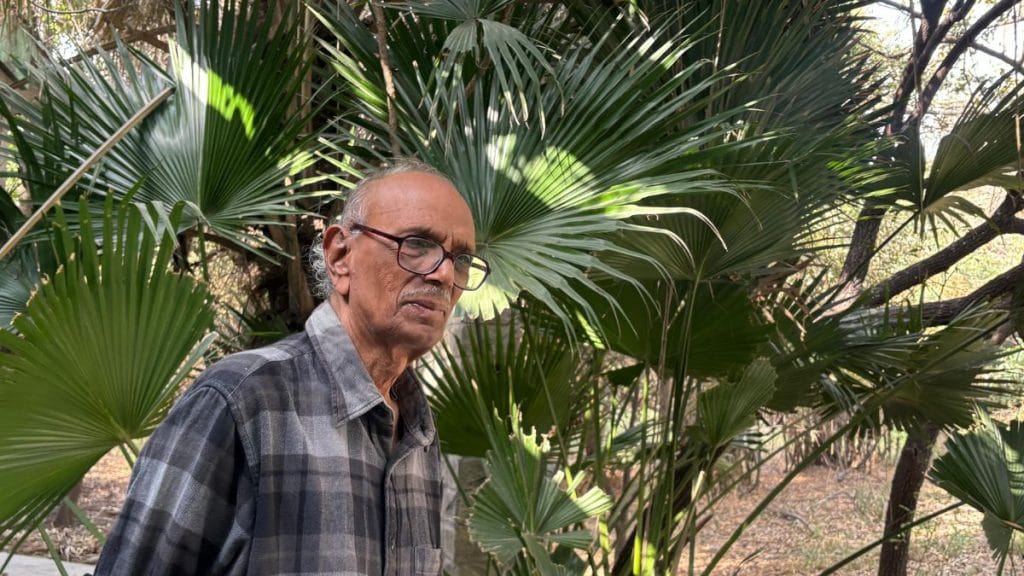
The imprint of palms is not limited to roads and private developments—it extends into Delhi’s most carefully preserved historical sites as well. In parks, gardens and even around monuments, palms have quietly become part of the visual landscape. In the Mehrauli Archaeological Park, built around the Qutab Minar, palm trees now line the walkways.
For conservation architect Ratish Nanda, head of the Aga Khan Trust for Culture, who played a key role in restoring Humayun’s Tomb and developing Sunder Nursery, this presence is largely inherited rather than intentional.
“At Humayun’s Tomb, there are four palms at each corner that were already there. They frame the monument in a certain way, so we have simply maintained them. We haven’t introduced any new palms,” he said. Similar examples can be seen at Lodhi Garden, where royal palms stand near the tomb of Mohammad Shah Sayyid.
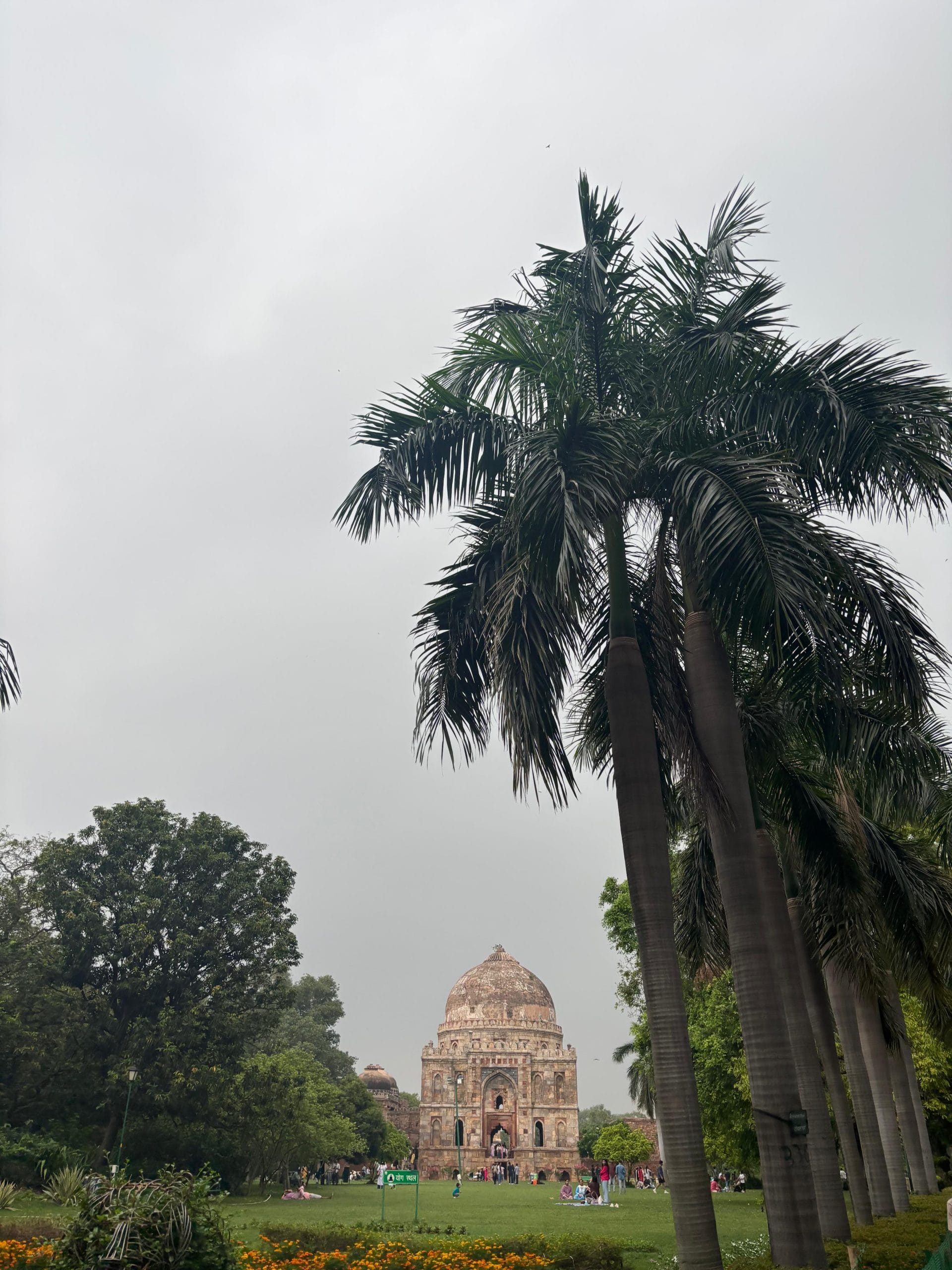
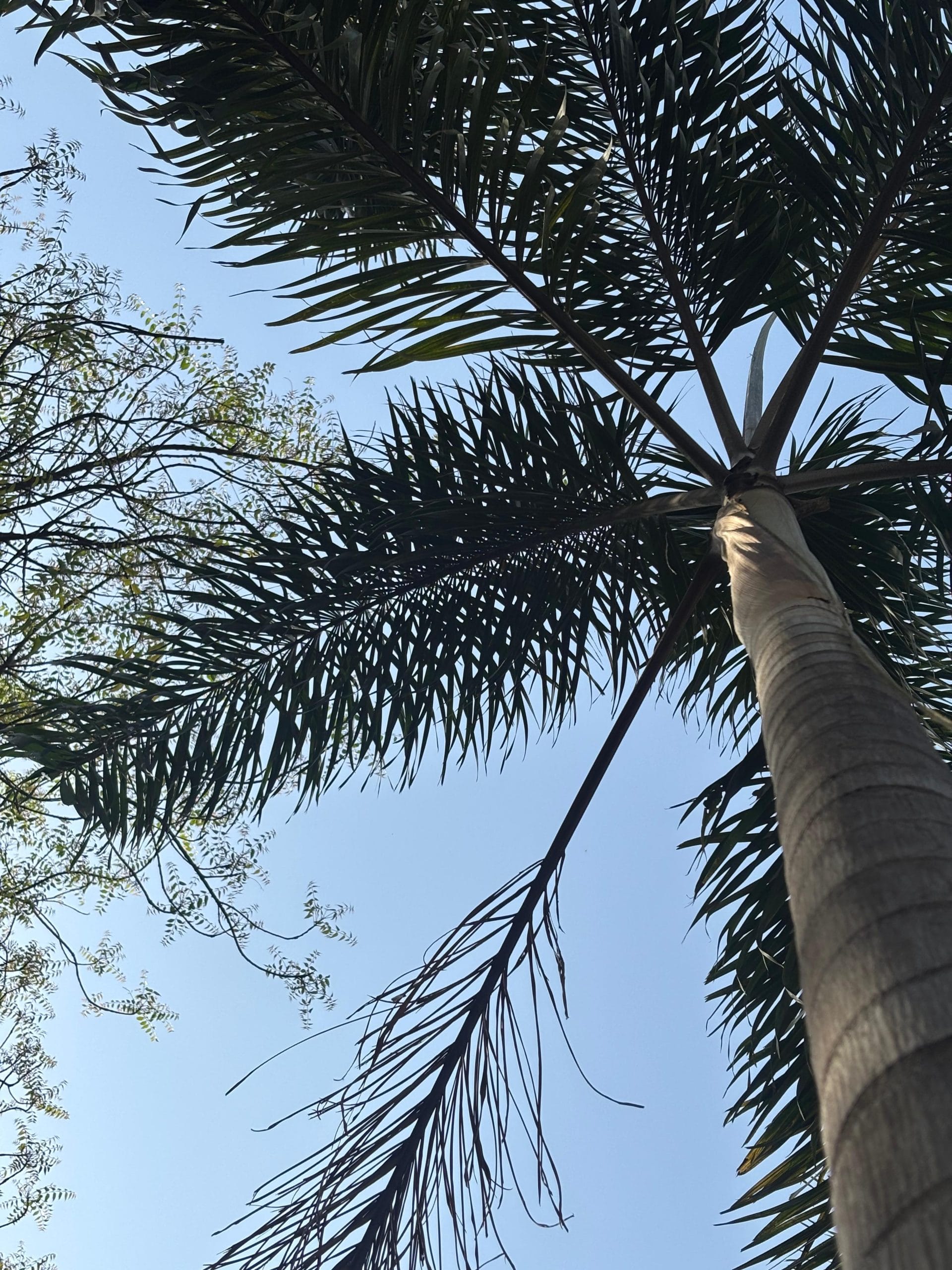
Nanda added that most of these palms date back to the British era, even at Humayun’s Tomb. “We’re essentially waiting for them to die out because they are among the most inappropriate plantings in that context,” he said.
Some date palms also exist within the Sunder Nursery and the Humayun’s Tomb complex, but these, too, are legacy plantations believed to have been planted between the 1920s and 1960s. Nanda said that are extremely slow-growing. He also talked about future plans to introduce palms inside a greenhouse setting in Sundar Nursery, adding that such an arrangement would be controlled and context-specific rather than part of the open landscape.
A city of many ecologies
This reliance on imported aesthetics is striking given India’s ecological richness.
“We have around 2,600 native tree species,” Krishen said. “But in public landscapes, we use less than 200.”
The deeper problem is that Delhi is treated as a single landscape when it is anything but. The city contains multiple ecological zones—from the rocky Ridge to the Yamuna floodplains—each capable of supporting different vegetation.
“Planting has to respond to habitat,” he said. “Otherwise, you are forcing plants into conditions they are not adapted to.”
Beyond aesthetics, palms come with a hidden cost—water. Most palm species require regular watering, especially in non-native conditions. Maintenance also includes pruning dried leaves and protecting against pests. Without proper moisture, insects and beetles will damage them.
In a city already facing water stress, this becomes a serious concern. “We cannot afford to plant species that require constant irrigation,” Krishen said.
In other water-stressed regions, such decisions are tightly regulated. In parts of the United States, landscape designs must adhere to strict water budgets based on plant transpiration rates. If a project exceeds the allowed usage, it must be redesigned. Delhi, by contrast, has no such system.
Also read: Punjab gangsters are shooting village sarpanches now. Moving on from NRIs and pop stars
The next dalliance? Bamboo
If palms defined the last decade, bamboo may define the next. Delhi has already seen multiple bamboo plantation drives, including efforts to green landfill sites like Okhla and Bhalswa. NDMC alone planted thousands of bamboo saplings in recent campaigns.
Nurseries report a growing demand. “Bamboo is the next big thing,” Singh said. But the bamboo has the same problem, it does not provide shade and isn’t suitable as an avenue tree. It’s also water-intensive, with only a few adapted to drier conditions.
For all three experts, the solution is straightforward—though not easy. Plant for purpose.
“Use native trees suited to the site,” Ravindran said. “Avenue trees should provide shade and support everyday activity, vendors, pedestrians, and social life.”
Babu emphasises layered ecosystems—canopy trees, shrubs, and ground cover working together—to regulate temperature, absorb pollution, and support biodiversity.
Krishen pushes for a more radical rethink. “If you want sustainability, plant what grows naturally,” he said. “Otherwise, you are creating a system that depends on constant water, money, and maintenance.”
At its core, Delhi’s palm obsession reflects something deeper than landscaping choices. What we are missing is empathy for living systems, according to Ravindran.
The stakes go beyond aesthetics or even comfort. “If air pollution continues at current levels, people will eventually leave cities like Delhi,” Babu said. “Environmental protection and ecological security are as important as national security.”
As Delhi confronts rising temperatures, worsening air pollution, and a looming water crisis, the question is no longer what looks modern. It is what works.
And in that equation, the palm, tall, expensive, and ecologically hollow, stands exposed.
(Edited by Ratan Priya)