








India’s air pollution crisis causes more economic damage than any tariff imposed so far, a former top International Monetary Fund official said, urging the country to tackle the problem on a “war footing.”
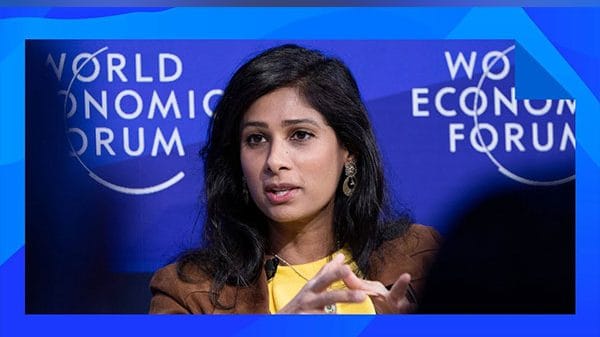
“If you look at the impact of pollution on the Indian economy, it is far more consequential than any impact of any tariffs that have been put on India so far,” said Gita Gopinath, former first deputy managing director of the IMF, said during a panel discussion at the World Economic Forum in Davos. “This has to be a top mission for India.”
Anger has grown in India over worsening pollution and the government’s failure to curb it. Toxic air is a year-round problem in India, but it becomes especially harsh in New Delhi and across the country’s north in the winter months, when cold temperatures trap emissions from traffic, construction and crop burning.
November and December saw the worst levels of pollution in years in the capital. About 90% of days recorded air quality index readings above 300, according to Bloomberg calculations based on official data. The surge triggered rare public protests and criticism of Prime Minister Narendra Modi’s party.
READ MORE: Delhi’s Worst Air in Years Fuels Anger in Test for Modi’s Party
The crisis has coincided with the Modi government’s efforts to shore up an economy saddled with 50% US tariffs, the highest in Asia.
But according to Gopinath, now a professor at Harvard University, the pollution crisis raises health concerns for businesses and workers that damage investor confidence. Air pollution cost India an estimated 1.36% of gross domestic product in 2019, reflecting losses from premature deaths and illness, according to the World Bank.
Some Indian companies have begun calling out the effects of air pollution on financial results. Shoppers Stop Ltd., a leading department store chain, said this week that elevated pollution levels in northern India hurt consumer demand in the final months of 2025.
This report is auto-generated from Bloomberg news service. ThePrint holds no responsibility for its content.