





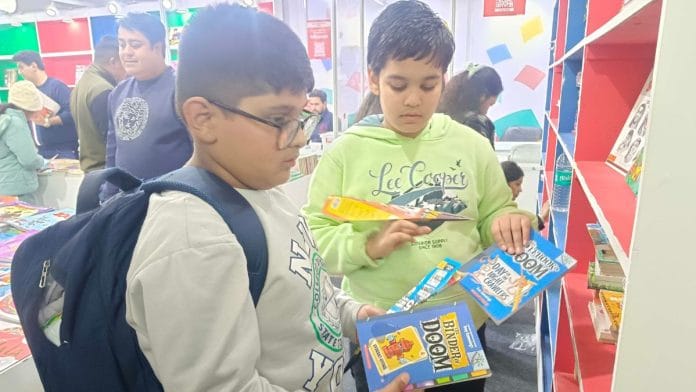



New Delhi: Mamta Pandey grew up reading Panchatantra tales and Champak magazines — stories built around moral lessons about honesty, kindness and respect. But her children’s bookshelf in her Noida home tells a very different story. It is lined with Japanese manga like Jujutsu Kaisen, thrillers, romance novels, self-help titles and contemporary fiction. They are moving from myth and morality and increasingly reading different genres with complicated themes — worlds far removed from the neat endings of the stories Mamta grew up with.
Mamta, 42, often finds herself listening to her 17-year-old son Pragesh animatedly explain plot twists and character arcs from his latest manga. Her 12-year-old daughter Shivangi has her own reading list; different genres, different stories, but the same appetite for narratives that feel contemporary and emotionally intense.
For decades, Indian children’s literature largely moved from fairy tales and mythology straight into adult fiction, leaving little written specifically for readers between 12 and 18. Young Adult (YA) fiction is filling that gap.
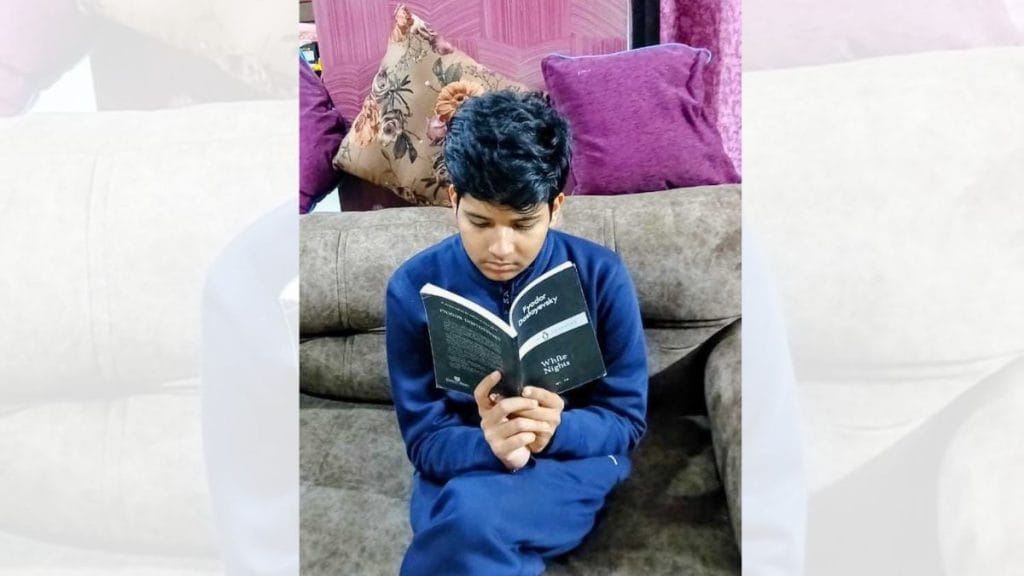
“I like books that make me think or keep me on edge,” Pragesh said. “When I’m reading, I want entertainment and knowledge — not just morals.”
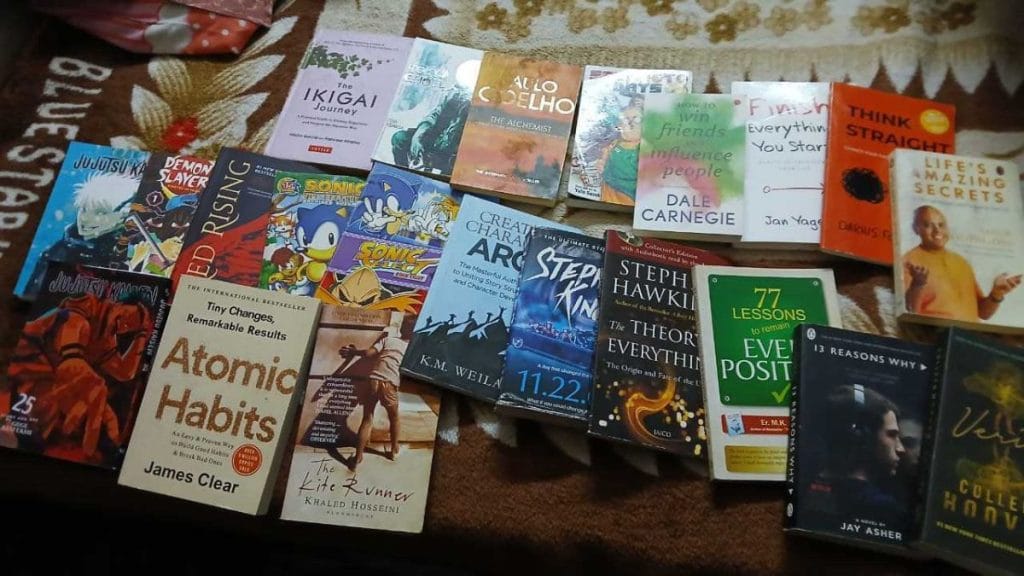
In a scrolling era of visual consumption — anime, streaming, short-form videos and social media — teens want stories contemporary conflicts and fiction that reflects their realities and growing independence.
And it is beginning to show in numbers. What began as a modest category has grown into one of the fastest-expanding segments of the publishing industry, driven by diverse storytelling, digital influence, and a generation eager to see itself reflected in books. Indian publishers now collectively release around 200 children’s and YA titles by Indian authors each year, with several titles selling over 10,000 copies annually.
Chetan Bhagat’s Five Point Someone (2004) helped kickstart this youth-oriented fiction boom more than two decades ago. Since then, writers such as Paro Anand, Natasha Sharma, Divya Prakash Dubey, Jane D’Souza, Sowmya Rajendran, Vibha Batra, Anushka Ravishankar, Sudha Murty and Nikita Singh — along with commercial authors like Durjoy Datta — have expanded the space with stories ranging from campus romances and thrillers to fantasy and socially conscious narratives.
Authors say there has been a marked shift in how young adult fiction is viewed. Now, bookstores, libraries and literary festivals have dedicated shelves and sessions for YA fiction, something that didn’t exist just a decade back.
“The gap in visibility, where a particular age group could be seen, feel, and connect with stories and characters, was filled by the YA section,” said bestselling author Vibha Batra, with 30 books to her name. “Such books were often lost within the children’s section or placed between adult titles”.
India’s YA writers
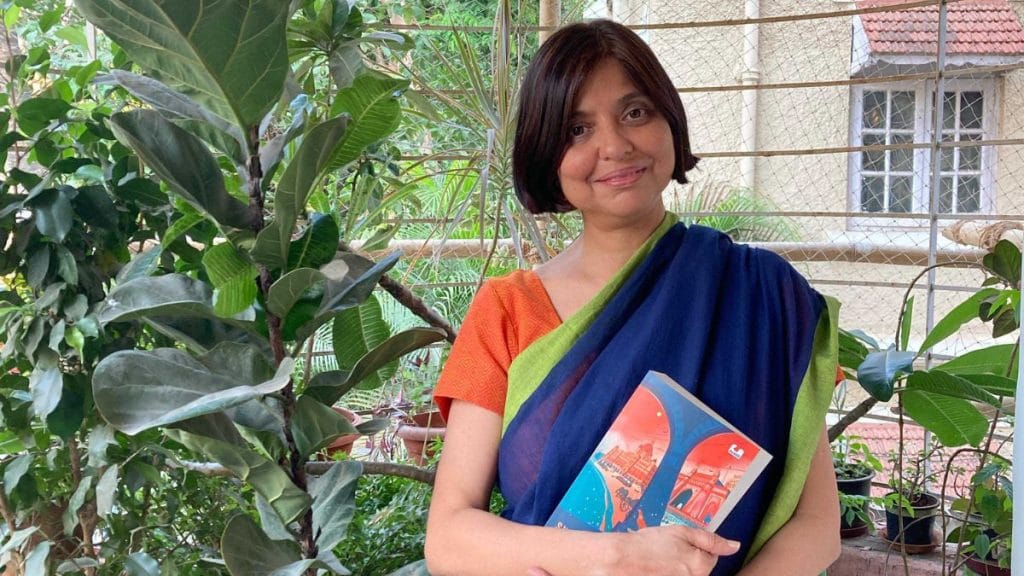
Mumbai-based author Shabnam Minawala’s journey into YA fiction began almost accidentally. A former journalist, she stepped back from her career when her three children were born close together. During those early years, she began experimenting with fiction, drawing on memories from her own childhood.
Her first novel, The Six Spellmakers of Doorabji Street (2013), started as a story for teens but gradually led her towards writing for older readers.
“I actually really loved writing for this age group,” Minawala said. “Writing for young adults is exciting because it’s a time when emotions are at their peak — everything feels either wonderful or terrible.”
Today, YA fiction, she says, allows writers to explore themes that resonate strongly with teenagers navigating the transition between childhood and adulthood.
“Young adults are not kids, but they are not adults either,” she said. “YA takes issues like identity, peer pressure, relationships and mental health and presents them in ways that resonate with teenagers.”
This small but expanding group of writers are contributing steadily to the growth in India’s young adult fiction genre.
For Ghaziabad-based author and editor Navnit Nirav, the stories themselves are not entirely new. What has changed, he argues, is how they are categorised and marketed.
Books aimed at younger readers have always existed in Indian literature, the 40-year-old says citing Satyajit Ray’s detective stories, publications by Eklavya and magazines like Parag. But they were rarely grouped under a defined YA label.
What has changed, he said, is the accessibility of language and the visibility of the category itself.
“Language became easier and more versatile and the YA section itself became mainstream,” Nirav added.
With the internet boom, many feared teenagers would drift away from reading altogether. Instead, Nirav says, books began finding a new cultural currency among young readers. Reading was suddenly in vogue and now has a cultish, niche audience on social media.
“Holding a book, or having certain authors on your bookshelf, began to look cool and intellectual,” he said.
Nirav also says the genre’s growth is significant but still evolving.
“YA has become one of the biggest literature markets in India today,” he said. “But growth in numbers is not enough. We still need depth — especially stronger non-fiction that speaks about society, science and real-world issues in ways teenagers can understand.”
He also predicts that the coming decade of Young Adult writing will explore climate anxiety, technology ethics and gender identity. “The future of YA will belong to stories that dare to be real and connected to them – written for them,” he said.
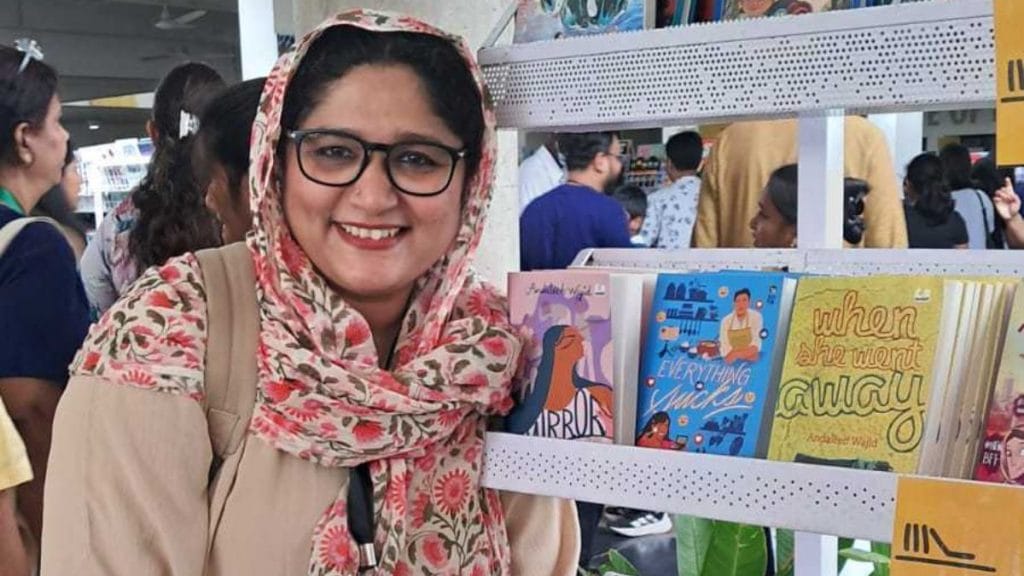
When Bengaluru-based writer Andaleeb Wajid published her first novel in 2009, YA was not even a recognised category in Indian publishing.
Her works — including The Tamanna Trilogy (2014), My Brother’s Wedding (2013), and The Henna Start-Up (2024) — explore identity, relationships and self-discovery.
“I just wanted to write something for older people,” she said, adding that writing for young adults felt more authentic to her own experiences at the time.
“We didn’t have the vocabulary for it,” she recalled. Many early coming-of-age stories, including her own, were often marketed as adult fiction simply because there was no clear YA shelf in bookstores.
Yet the emotional landscape of teenage life has always been fertile ground for storytelling.
“YA is for anyone who is young at heart,” Wajid said.
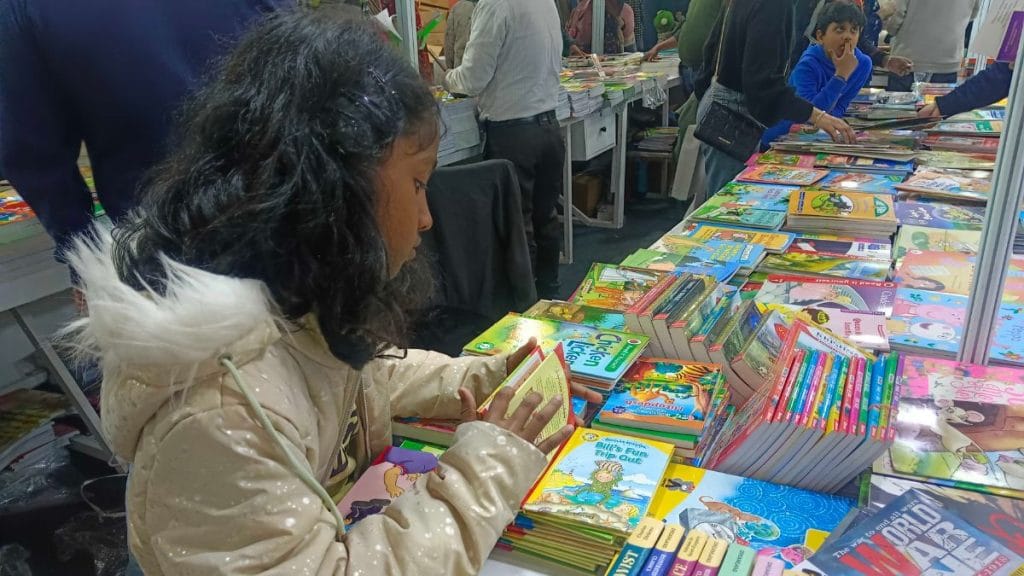
When YA started wanting more
With YA’s growing trajectory, India’s publishing industry has begun betting cautiously on young adult fiction.
While precise market-wide data remains limited, publishers say the category has begun to show commercial traction since the Harry Potter and Twilight craze of the 2000s gripped India’s teens. Several children’s and YA titles now sell upwards of 10,000 copies annually, according to Sameer Mahale, Vice President of Sales at Penguin Random House India.
Series-driven publishing in particular tends to perform better, as readers return for familiar characters and story worlds. Yet YA still occupies a relatively small space within the broader Indian publishing market, which continues to be dominated by curriculum books.
Sohini Mitra, Publisher – Children’s and Young Adult at Penguin Random House India, says the category is growing but remains a niche.
“I publish about two YA titles a year across our Puffin and Duckbill imprints, which is a very small percentage,” she said, referring to the publisher’s children’s imprints.
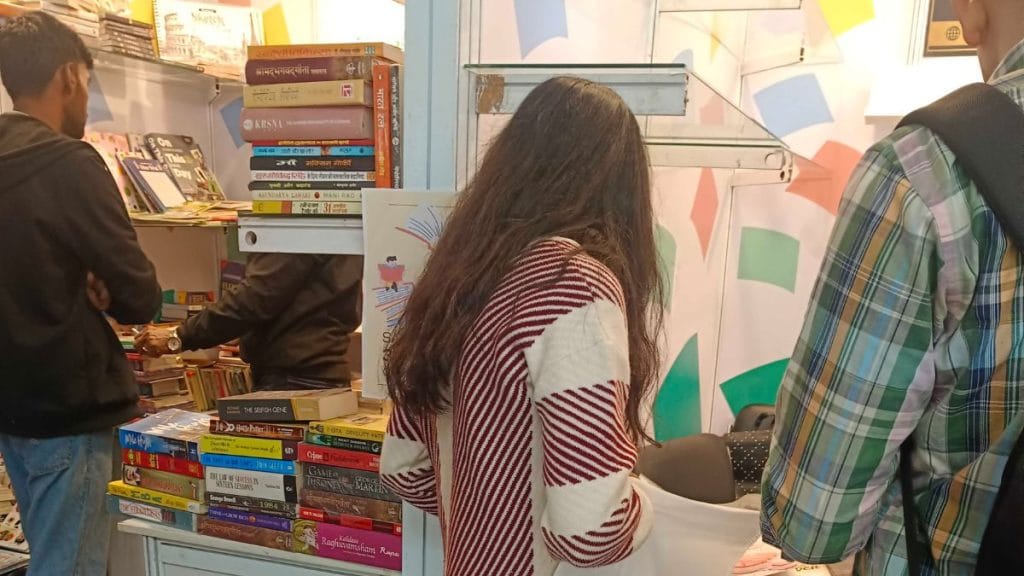
Publishers collectively bring out around 200 children’s fiction and YA titles by Indian authors each year, a number that has grown steadily over the past decade. The figure excludes a rapidly expanding pool of self-published works that has further widened the market.
“We consciously invested in contemporary fiction, humour, and genre-led writing, positioning children’s fiction as leisure reading — food for the soul — rather than instructional material,” Mitra said. “The turning point was trusting young readers and giving them worlds where they could see themselves.”
Even so, unlike Western markets where YA titles regularly produce blockbuster bestsellers, India has yet to see a breakout YA phenomenon.
Part of the reason, publishers say, lies in how the Indian book market is structured.
Textbooks, exam guides and academic material still account for the bulk of sales, leaving leisure reading — including YA fiction — a smaller slice of the publishing ecosystem.
Still, publishers are increasingly experimenting with genres that appeal to teenage readers, from coming-of-age fiction and romance to fantasy and thrillers.
“Themes such as self-discovery, relationships, peer pressure, social media, sports- and career-based fiction, and mental health are being addressed with far greater nuance than before,” Mitra said. “We’ve also seen growth in historical fiction, graphic novels, sports fiction, STEM-inspired stories, verse novels, and other experimental formats.”
The rise of dedicated children’s bookstores has also helped expand the category’s visibility. Stores such as Funky Rainbow, Kahani Tree, Storyteller and Bahrisons Kids in major cities curate selections for younger readers and host reading sessions and book events.
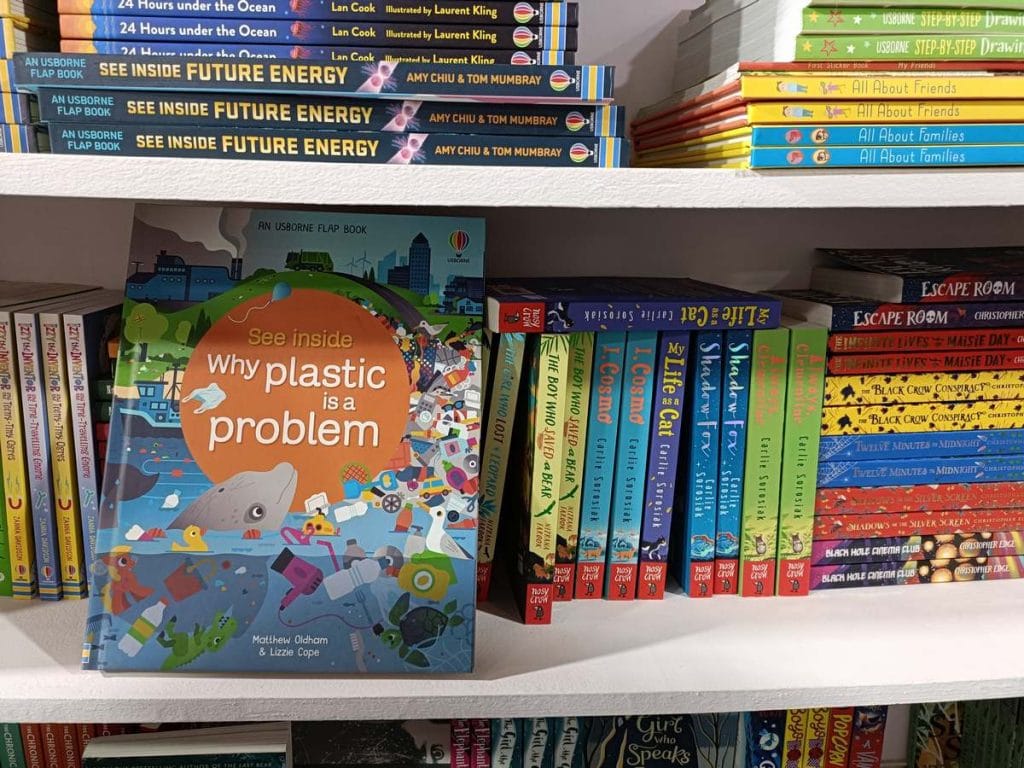
Literary festivals have also helped. Swati Roy, director of the Bookaroo Children’s Literature Festival, says the landscape has changed significantly since the festival began in 2008, with the emergence of independent children’s publishers such as Duckbill, Juggernaut, Speaking Tiger’s Talking Cub and Kalpavriksh, alongside a steady rise in Hindi titles from publishers like Eklavya, Ektara, the National Book Trust and the Children’s Book Trust.
Roy says the past decade has also broadened the themes and formats available to young readers. Alongside picture books, publishers have commissioned more meaningful titles aimed at teenagers, with writers such as Paro Anand, Payal Dhar, Payal Kapadia, Andaleeb Wajid and Ranjit Lal onboard.
“Themes around gender, caste, disability, environmental concerns and emotional well-being are increasingly finding space in children’s and young adult literature,” she said.
Mitra disagrees.
“Voices from Dalit, Adivasi and other marginalised communities remain underrepresented, particularly in mainstream fiction,” she said.
Publishers and writers also say more “own-voice” narratives and stories set in small-town India are needed, as English-language YA fiction continues to be dominated by urban, middle-class settings.
Also Read: Climate fiction is growing, but it’s waiting for a Chetan Bhagat
Reading finds new meanings at homes
On a quiet evening, 32-year-old Preeti Shukla sits beside her daughter with a book in hand in their Ghaziabad home. Preeti is reading a romance novel, while her daughter flips through a book by Sudha Murty.
For Preeti, the scene feels very different from her own childhood.
Romance novels were her favourite growing up, but she often hid them from her family. She would wrap the books in newspapers so her parents would not recognise the titles.
“Our parents used to think we would be spoiled by reading romance novels. But now they understand how important it is to explore different emotions,” she said.
Today, she says, many parents view reading differently. Instead of discouraging fiction, they encourage it as a break from screens and academic pressure.
“Now the mindset has changed. Parents want their children to read for fun and not only for academic excellence,” Preeti said. They are also more accepting of different genres, she added.
Yet reading habits remain a cause for worry.
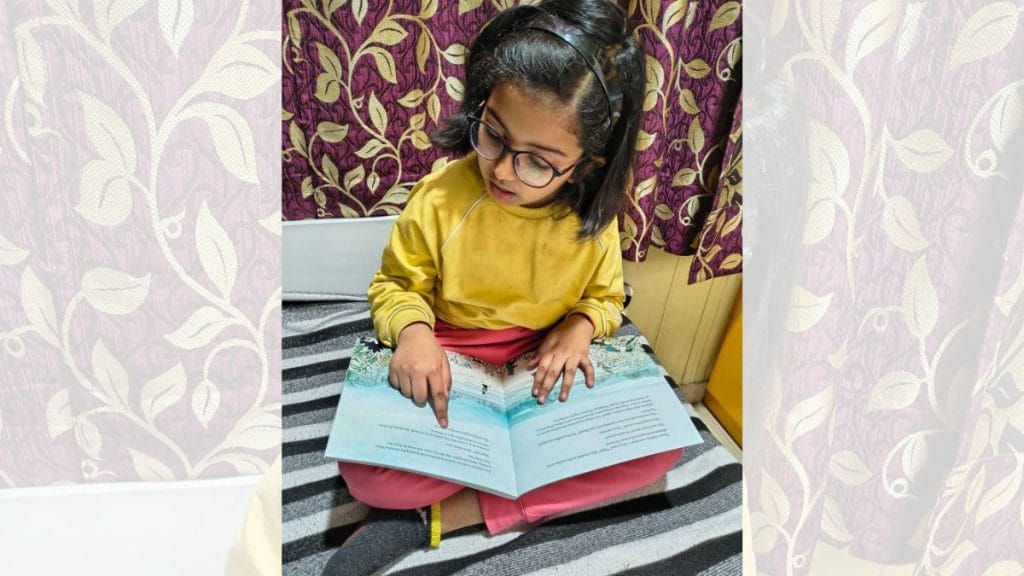
In many homes, conversations about books sit alongside worries about how much time children spend scrolling through phones or watching videos. Parents hope that stories on the page can compete with the constant pull of screens.
In Mamta Pandey’s living room, those worlds overlap.
Her son debates anime storylines, her daughter explores a different set of books, and Mamta listens, trying to follow along.
“Generations, books and genres have all changed,” she said. “Earlier comics came once a month and choices were limited. Now they don’t have to wait; they have more than enough to choose from.”
(Edited by Stela Dey)