





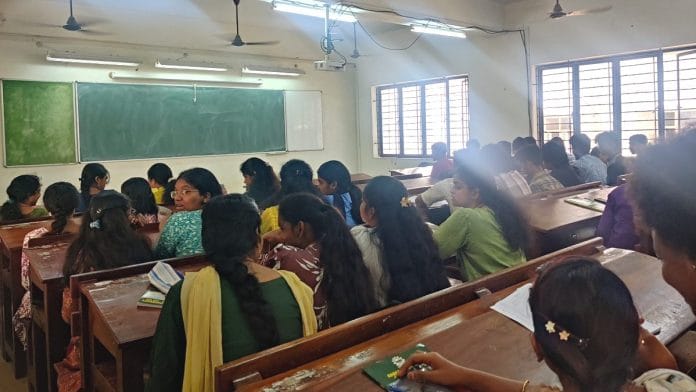



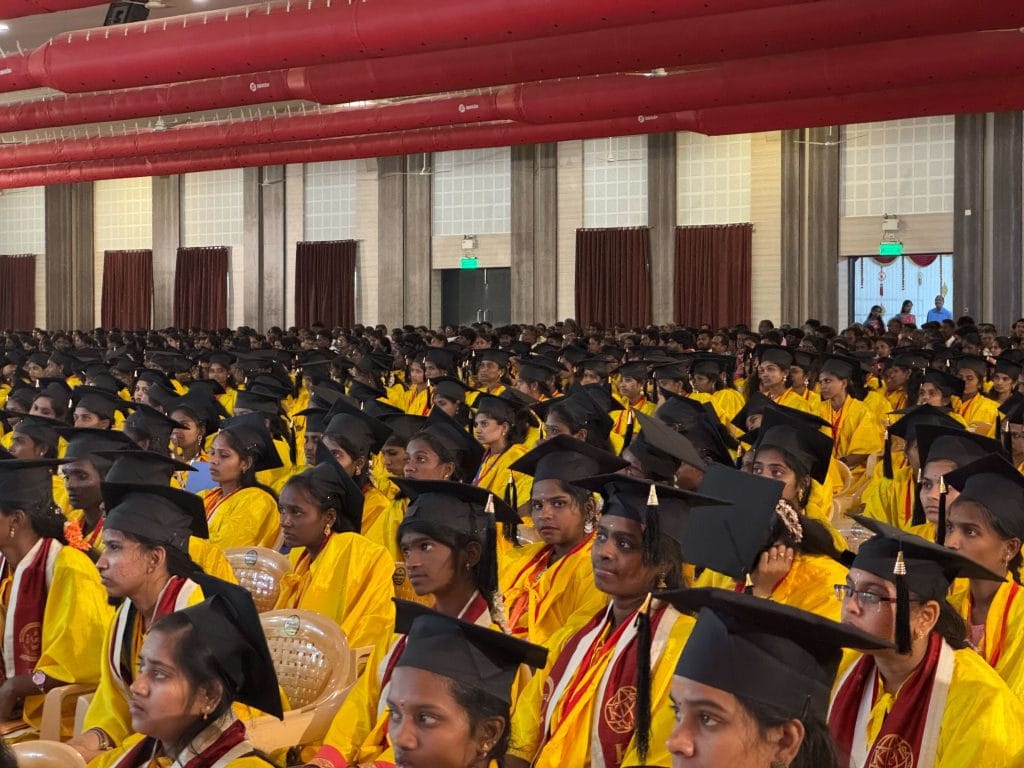
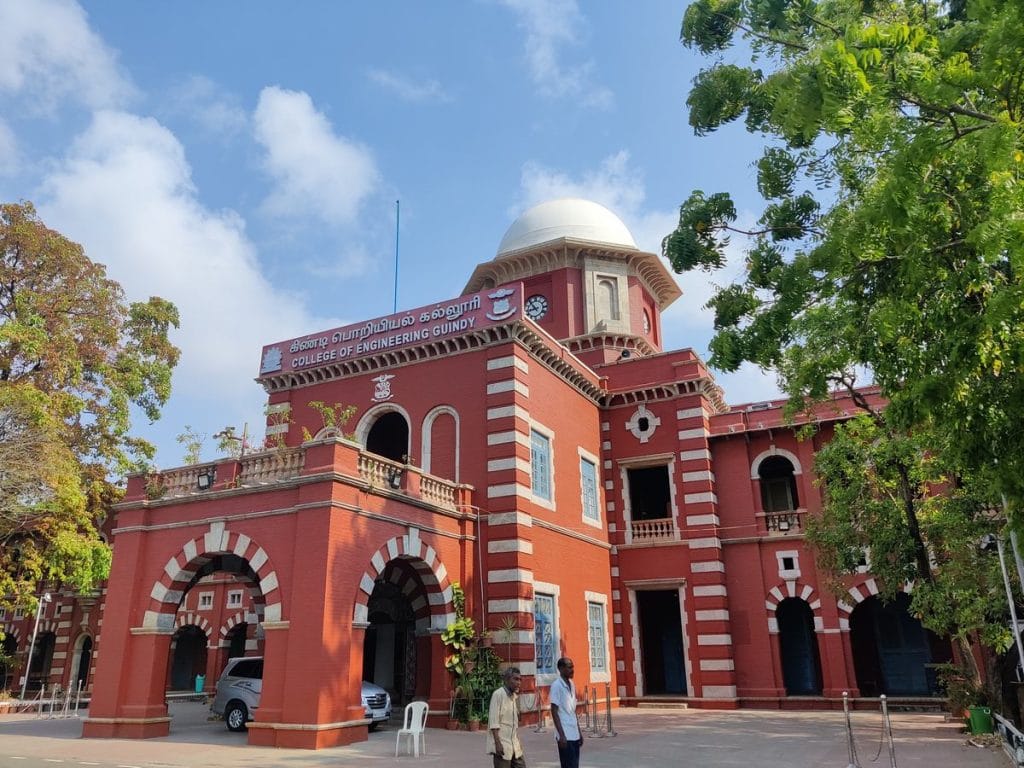
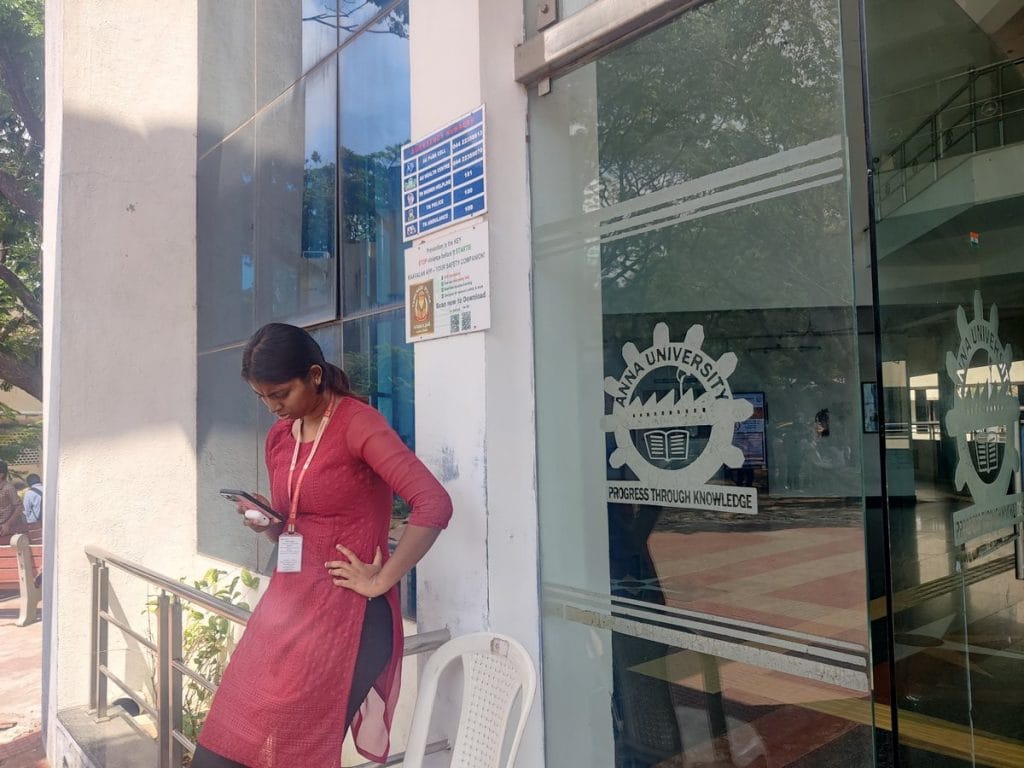
Chennai: At 10.30 am, Professor S Kanmani’s civil engineering class at Anna University’s Guindy campus fills with students from all over Tamil Nadu, Trichy to Madurai. More than half the 50-odd students on the long brown benches are women.
In a country where a mere 29 per cent of engineering undergraduates are women, that might seem unusual. Not in the red sandstone halls of the Guindy College of Engineering. And not in Tamil Nadu, which leads India’s STEM women army. Here, engineering and STEM are a woman’s arena, from producing India’s first female electrical engineer in 1943 to 41 per cent enrolment of female engineering students even back in 2009.
This Tamil Nadu exceptionalism didn’t happen overnight. It’s a product of decades of Dravidian politics, policy, and pursuit of parity.
“Tamil Nadu is the original gangster of DEI — diversity, equity and inclusion. We have been enabling DEI hiring since before it was cool,” said TRB Rajaa, Minister for Industries, Investment Promotions and Commerce in Tamil Nadu.
With the country’s highest number of factories and industrial workers, Tamil Nadu is a manufacturing heavyweight, with international giants such as Foxconn, Pegatron, and Renault adding to that muscle. In 2024-25, the state received over $3 billion in foreign direct investment. Women are a big part of that story. Apple’s India ecosystem alone has hired over 100,000 women to assemble iPhones; at Foxconn’s Sriperumbudur plant, women make up nearly 70 per cent of the workforce.
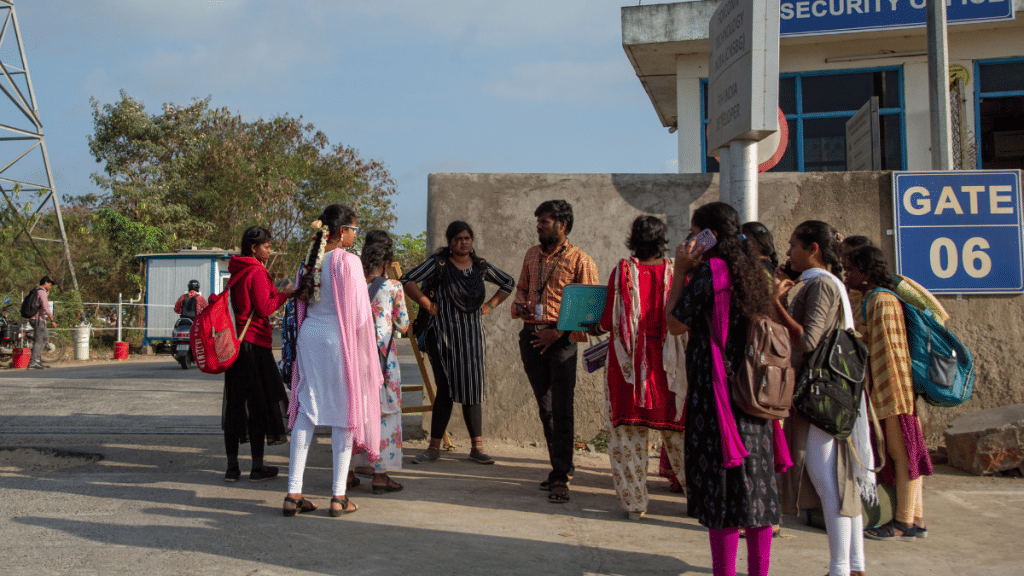
The electronics boom is only the latest chapter. Tamil Nadu women have been doggedly dismantling the glass ceiling for close to 75 years now.
The 2021-22 Annual Survey of Industries found that around 42 per cent of all women employed in manufacturing in India were working in Tamil Nadu. Officials of the state planning department told ThePrint that by their conservative estimate, women also comprise 30-35 per cent of the Tamil Nadu IT sector workforce. The state has a 47 per cent Gross Enrolment Ratio of women in higher education — nearly double India’s 28 per cent.
If you go anywhere in the country, the first question a woman will be asked is ‘what does your father or husband do’, but in Tamil Nadu, she’s first asked what she does
-TRB Rajaa, Tamil Nadu industries minister
The foundation for this was the much-touted Dravidian model that also treated infrastructure as a tool for female autonomy —from engineering colleges in every district to free buses and affordable hostels for working women.
But the state is now confronting a paradox of progress: a system that solved for education, but not enough for skilled jobs. A large part of Tamil Nadu’s STEM army is still sitting in the barracks, with degree-to-job mismatch, 20 per cent unemployment among educated women, and assembly lines absorbing BSc graduates.
“Tamil Nadu has done all the right things. They have an engineering focus, they have STEM-educated men and women, they have an educated workforce – but they also have a demand and supply problem in jobs,” said Vidya Mahambare, economist at the Great Lakes Institute of Management in Chennai. “In simple terms, the education levels might have raced ahead of the quality of jobs that are being generated.”
Also Read: A Tamil Nadu mill is also a college. Workers graduate & get jobs in Tata, Mahindra
‘A rising tide lifts all boats’
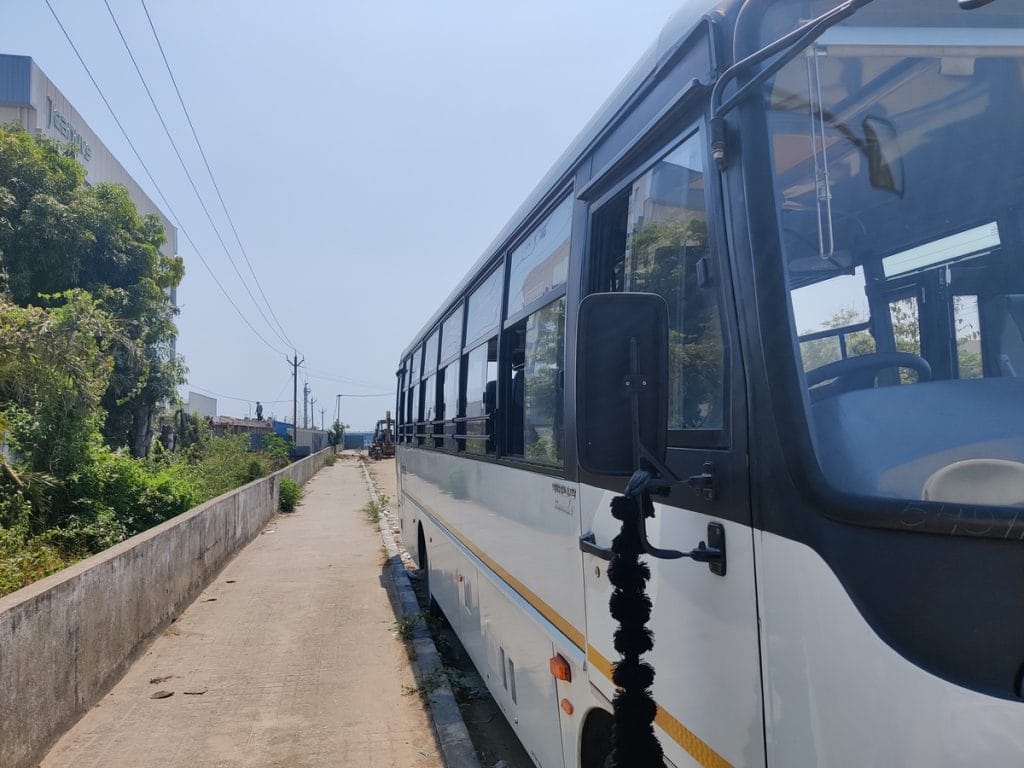
Situated 90 km from Bengaluru on the Tamil Nadu-Karnataka border, Krishnagiri is an arid district known for its mangoes, monuments, and now manufacturing. The former Chola kingdom stronghold is home to TVS, Toyota, Ashok Leyland, and Ola Electric plants, which employ thousands of local workers. The Ola Electric factory, which opened in 2021, runs an all-female shop floor, with a target of 10,000 women at full capacity.
Women now constitute 37.5 per cent of the Tamil Nadu factory workforce, nearly double the national average of 18.42 per cent.
On the floor of a major automobile plant, 28-year-old Kamakshi represents the infantry of this STEM army. A BSc Mathematics graduate from a government college in Hosur, where she studied on a scholarship, her job entails fitting small components at the assembly line for a monthly salary of around Rs 18,000 along with hundreds of other women.
“Their representatives had come to our college when I was in my third year of BSc. They had asked for Math and Chemistry graduates, and around 10 of us were hired,” she said. “The job is good enough for now, and my income is needed to sustain my entire family.”
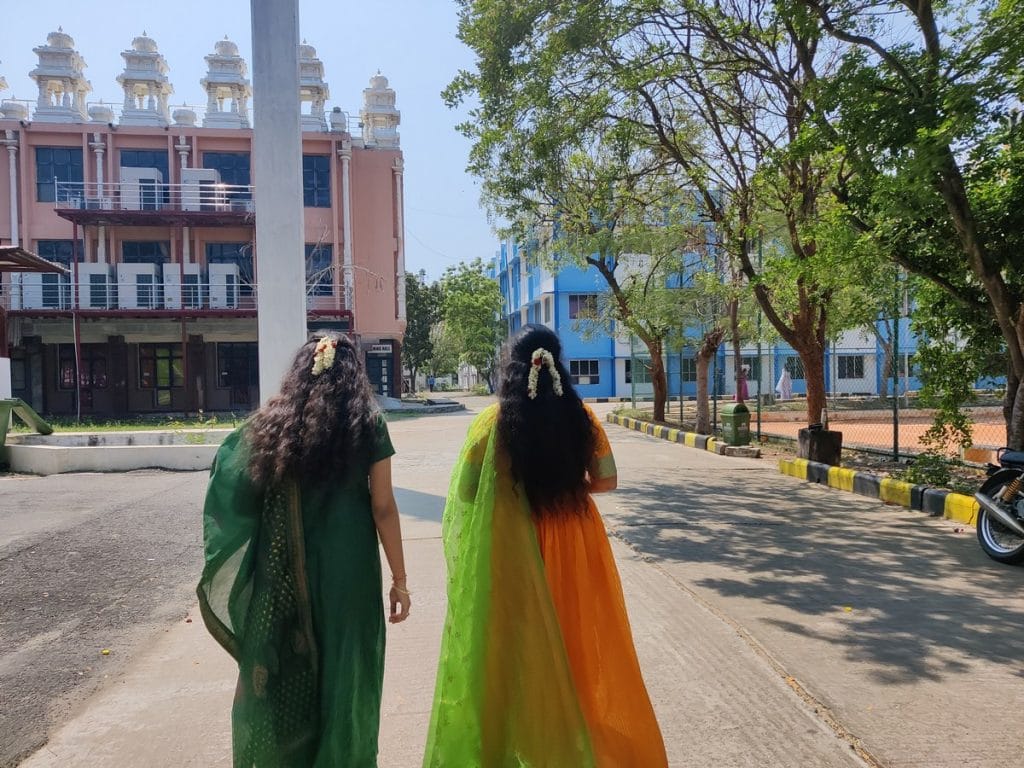
Every morning at 7 am, Kamakshi boards a free state bus at her village in Krishnagiri district to travel the 20 km distance to work. Some of her colleagues come from as far as Dindigul and Sivagangai and stay in state-run Thozhi hostels for working women during the week. Others leave young children at government schools that provide free breakfast, making it easier to leave early for work.
About 300 kilometres away in Chennai, 30-year-old Lasya Subramanian inhabits a more elite tier of the workforce. Unlike Kamakshi’s subsidised degree, Lasya studied computer science at SRM, a private university, and graduated in 2019. Her parents, both teachers, supported her education and encouraged her to take up a job as a software engineer at a global IT services company in Chennai. Every day, she travels to her office on Old Mahabalipuram Road in a cab shared with a colleague who lives nearby.
I had thought civil would be a good choice because it is a safe subject… so I would be guaranteed a job. But now, I like studying and understanding structures, building things. I might go on to get a Master’s degree, maybe even a PhD
– Bavisha, 2nd-year civil engineering student at Anna University
“Working was never a choice for me — how else was I supposed to be independent? I’ve seen my mother and my aunts work all their life,” said Lasya, who works on a software programming and development team. “I’m lucky they have an office in Chennai though, because I like being able to live at home.”
Lasya and Kamakshi live in different corners of Tamil Nadu and have never met, but their lives have been shaped by the same long political project: expanding education, widening women’s access to work, and pulling global industry into the state. One ended up at an assembly line, the other shipping code. Both are products of the same model. And both their companies came to the state only in the last decade.
“There are two main indicators to see an economy’s growth; one is through the GDP and real economic markers, but the other is through social markers like literacy rate, mortality rate, and labour force participation. That shows how the people of the state are actually doing,” said Vijayabaskar M, Professor of Political Economy at the Madras Institute of Development Studies. “Tamil Nadu is a state that has more or less performed well on both fronts.”
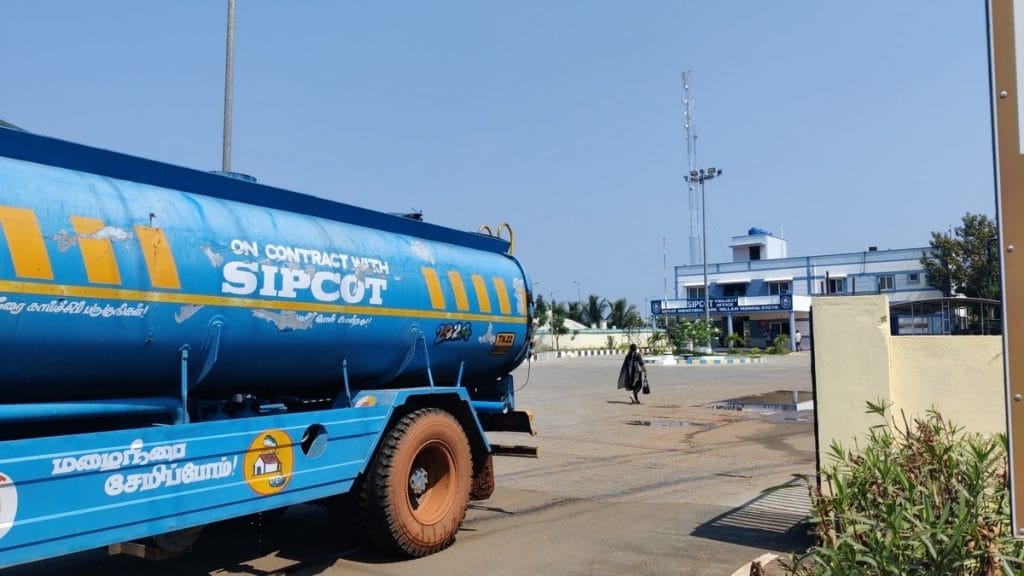
With a literacy rate of 80.09 per cent, Tamil Nadu is one of the most literate states in the country and has the highest number of engineering colleges. It is also one of India’s fastest-growing state economies. With 11.2 per cent growth in Gross State Domestic Product, Tamil Nadu contributes 9 per cent to the national GDP despite having only 4 per cent of India’s population. A large chunk of this growth comes from industrial and manufacturing hubs such as the one where Kamakshi works.
“A rising tide lifts all boats,” said Vijayabaskar. “When you emphasise education cutting across gender and caste and class, and employable degrees like engineering and medicine, that leads to the development and growth you’re seeing today in all sectors of Tamil Nadu.”
How the state cleared the way
Kamakshi recalls that when she was in school, the Tamil Nadu government already had multiple schemes aimed at keeping girls in education. One of them was the Moovalur Ramamirtham Ammaiyar Ninaivu scheme, which offered Rs 50,000 and 8 grams of gold to women with an undergraduate degree.
Palanivel Thiaga Rajan, Tamil Nadu’s Minister for IT and Digital Services, told ThePrint it was launched in 1989 under then Chief Minister M Karunanidhi to delay early marriage by encouraging girls to stay in school and college.
“The initial idea was to incentivise education for girl children by way of marriage support for the parents,” said Rajan, known popularly as PTR. “Essentially, we wanted girls to study as much as they wanted, either in school or for graduation. We said that when you choose to get married, the state will help you with your wedding expenses, with cash and gold.”
When we discovered that commuting to work is a barrier for women, we made buses free. We built hostels near their workplaces. When we started the breakfast scheme, we knew it would help working mothers by reducing a small childcare duty. Our welfare measures are targeted to enable women to enter and also stay in the workforce.
-Palanivel Thiaga Rajan (PTR), Tamil Nadu IT minister
The scheme was named after Moovalur Ramamirtham Ammaiyar, the early 20th-century Tamil social reformer who fought to abolish the Devadasi system and was a contemporary of Periyar. In 2022, the DMK government under MK Stalin reworked the policy.
“We wanted to change with the times, and renamed the policy to Pudhumai Penn scheme, which literally translates to ‘modern’ or ‘progressive’ woman,” explained Rajan. “We wanted to incentivise girls to get educated not for marriage, but for themselves. To be independent women in their own right.”
Operational for around three years now, the Pudhumai Penn scheme replaced a lump sum payout of Rs 50,000 with a monthly stipend of Rs 1,000 for girls pursuing higher education after Class 12, whether for a bachelor’s, master’s, or PhD. In its 2026 election manifesto, the DMK has also promised to raise the Pudhumai Penn stipend from Rs 1,000 to Rs 1,500 a month.
Making commuting easier has also opened women’s access to education and employment.
“When we discovered that commuting to work is a barrier for women, we made buses free. We built hostels near their workplaces,” said Rajan. “When we started the breakfast scheme, we knew it would help working mothers by reducing a small childcare duty. So, our welfare measures are basically targeted to enable women to enter and also stay in the workforce.”
Rajan said this ability to keep “reforming” with the times is what has sustained Tamil Nadu’s growth model for decades. The credit, he added, lies not with one party or one scheme, but with the wider Dravidian political tradition that began with Periyar.
“One must remember, it isn’t just in STEM that females are doing well in TN, it is across all sectors. Be it science or academia or bureaucracy, in Tamil Nadu, you’ll find a higher than average share of women everywhere,” said Vijayabaskar.
Only 17 per cent of employed women in India are in salaried work. In Tamil Nadu, that share is 30 per cent, second only to Kerala, where 48 per cent of employed women are in regular salaried positions.
“If you go anywhere in the country, the first question a woman will be asked is ‘what does your father or husband do’, but in Tamil Nadu, she’s first asked what she does,” said industries minister TRB Rajaa. “This is because we’ve built a growth model that is truly inclusive, with equal opportunities for women.”
The power of Periyar
From sea-facing Chennai’s government offices to political rallies in Kancheepuram to the halls of the Guindy College of Engineering, one name rings from every corner — Thiru Periyar.
The indisputable titan of Dravidian politics and philosophy, Erode Venkatappa Ramaswamy, or Periyar as he is commonly known, is the primary reason present-day leaders cite as a reason for Tamil Nadu’s high female workforce engagement.
Initially a member of the Justice Party, before forming the Dravida Kazhagam, Periyar’s anti-caste and social justice rhetoric became the DNA of the ‘Dravidian Model’ of growth.
Back in 1940, Periyar wrote on why women are enslaved, and proposed that the norms of masculinity need to change for women to be empowered. These are ideas that feminist scholars grappled with much later
-Vijayabaskar M, author of ‘The Dravidian Model’
At his residence in Chennai’s RA Puram, IT Minister Rajan traced how gender equality was always part of that lineage. Beneath a portrait of his grandfather Palanivel Rajan, a Justice Party founder, he read aloud from a speech delivered at the first Self-Respect Conference organised by Periyar in 1929.
“The aim and objective of this movement… is to create equality between the sexes on the principles of natural justice and manmade laws,” Rajan read from his grandfather’s speech. “And to annihilate the social construct that discriminates between two humans.”
Rajan pointed out that in 1929, when parts of North India were still mired in regressive practices like sati and child marriage, Tamil Nadu’s mainstream political discourse was already centring women’s rights and human development.
Political scientists agree on this oversized impact of Periyar and the Justice Party. Vijayabaskar, co-author of the book The Dravidian Model (2021), argued that reservation in employment and education for lower castes, the critical questioning of religious rituals, and the perception of education as a bedrock of society all find their origin here.
“Back in 1940, Periyar wrote on why women are enslaved, and proposed that the norms of masculinity need to change for women to be empowered,” said Vijayabaskar. “These are ideas that feminist scholars grappled with much later.”
It was this groundwork that subsequent Tamil Nadu politicians — across all parties — built upon. At the First Provincial Self-Respect Conference in Chengalpattuin 1929, one resolution declared that “women should have equal rights with men to enter into and practice any profession they choose.” The state’s leaders would spend the next century making good on that promise.
From six engineering colleges to 482
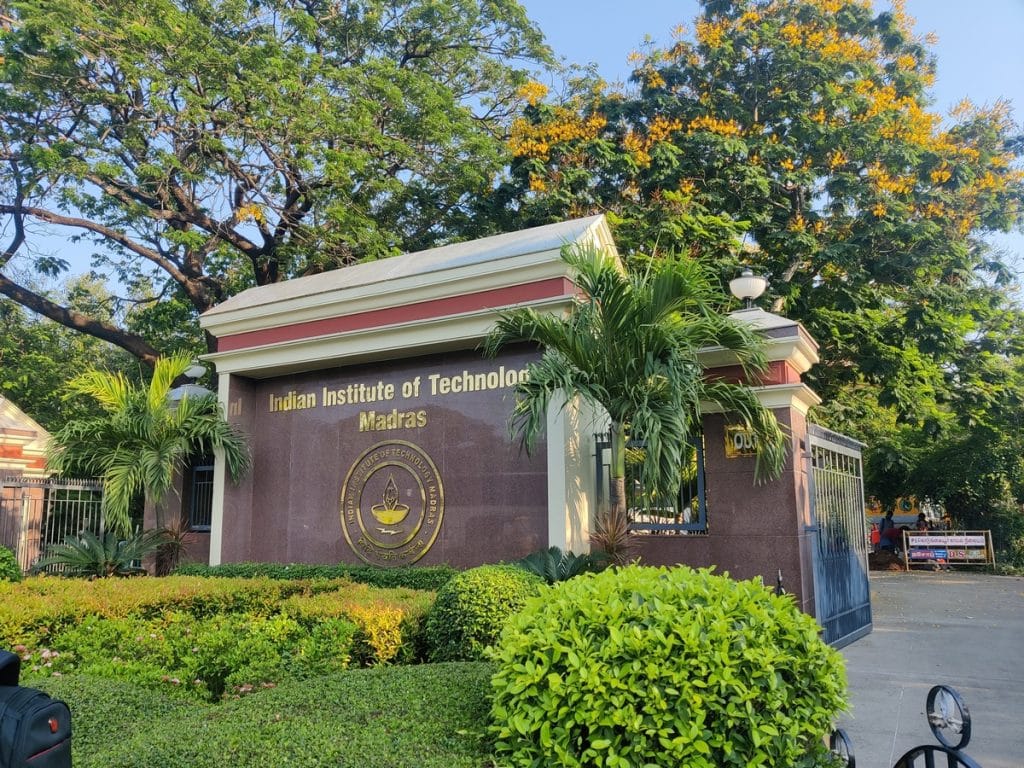
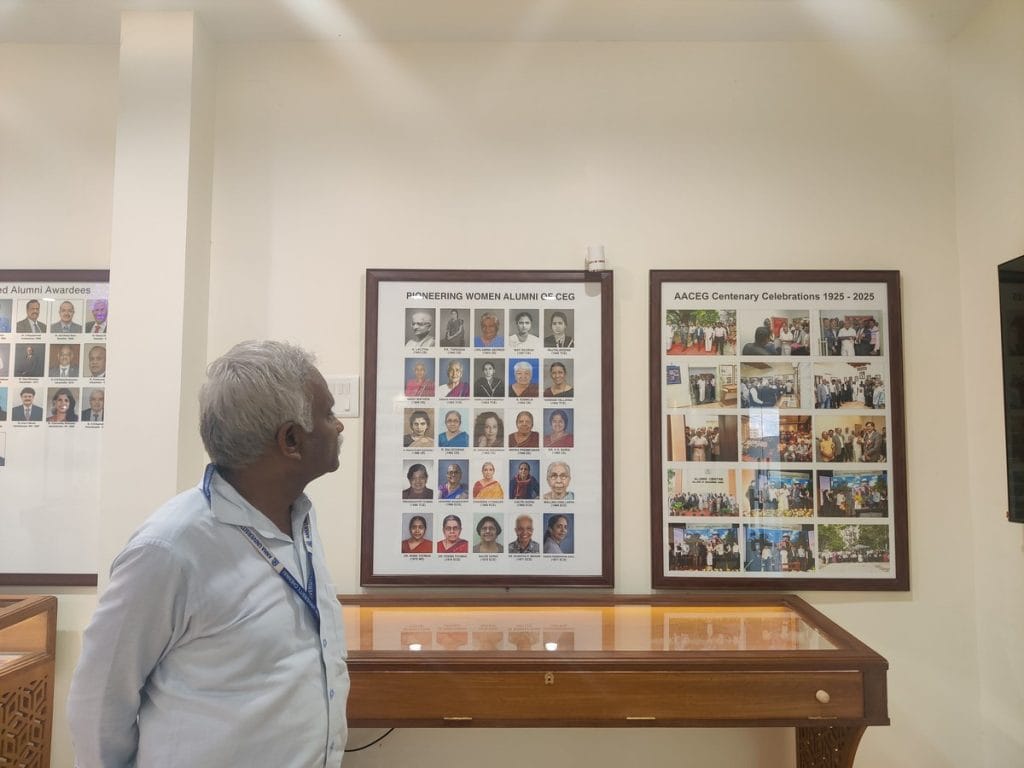
When Indumathi Nambi studied civil engineering at Guindy College of Engineering in 1987, she was one of four girls in a class of 60. She now teaches at IIT Madras, where women make up over 20 per cent of her students. At her alma mater, over 40 per cent of all engineering students are women. In some departments, they outnumber men.
Last year, women made up around 45 per cent of the 2.41 lakh eligible candidates in the Tamil Nadu Engineering Admissions list. The state has 482 engineering colleges, the highest in India. Maharashtra, second at 388, introduced tuition fee waivers for girls from underprivileged families in 2023 and is only now seeing similar numbers, with women accounting for 37.3 per cent of admissions in 2025.
Nambi said choosing engineering did not feel like a hard or unusual decision for her even in the 1980s.
“I surprised a few people by choosing to study civil engineering which is often considered a male subject, but even that is just a perception in our heads,” said Nambi. “Now, there are probably an equal number of women teaching civil engineering in Anna University.”
The roots of that normalisation go back to the years before Nambi entered college. By the time MG Ramachandran, or MGR, became chief minister in 1977, more students were finishing school, but there were not enough colleges to accommodate them.
Tamil Nadu had spent decades expanding schools in every district, opening girls’ schools and colleges, and building a welfare scaffold of scholarships, hostels, and food schemes. But by 1980, it still had only six government engineering colleges.
I surprised a few people by choosing to study civil engineering, which is often considered a male subject, but even that is just a perception in our heads. Now, there are probably an equal number of women teaching civil engineering in Anna University
Indumathi Nambi, professor at IIT Madras
With limited funds to set up more, MGR took the bold decision to allow private institutions to set up engineering colleges in the state. The first of the lot was Hindustan College of Engineering in Chennai, founded in 1985 by philanthropist and educator KCG Verghese.
Engineering soon stopped being the preserve of a narrow elite. In Chennai, localities such as Anna Nagar and T Nagar became known as ‘mini-Kotas’ for their abundance of engineering tuitions and coaching institutes.
A decade later, the city acquired another moniker as ‘mini-Detroit’ or the ‘Detroit of India’ after then-CM Jayalalitha invited Ford Motor to set up business in 1995.
But the story did not stop with Chennai. As Vijayabaskar notes in his book, Tamil Nadu built education and industrial clusters across its geography, from Coimbatore and Madurai to Trichy and border districts such as Krishnagiri. That spread widened access to both engineering education and industrial work, and brought more women into both. However, the quality of jobs on offer hasn’t quite kept pace with aspirations.
Also Read: Inside India’s only dark factory in Tamil Nadu. Robots work all night, engineers stay out
Missing rungs
While she is able to pay her bills and feed her family, Kamakshi does not love her work. The first woman in her family to get a college degree, her BSc in Mathematics was meant to be a rung on an aspiration ladder leading to an office job, not a repetitive shift on an assembly line.
“All the women around me have studied until graduation, some are even studying now through correspondence. I like the company I work for, but I wish I could be doing work more suited to my abilities,” she said. “But when I was in college, this was the only role on offer. I had to take up something to support my family.”
All the women around me have studied until graduation, some are even studying now through correspondence. I like the company I work for, but I wish I could be doing work more suited to my abilities. But when I was in college, this was the only role on offer
-Kamakshi, a BSc graduate employed in skilled assembly-line work
Kamakshi’s struggle is part of the shadow side of Tamil Nadu’s success. Many educated women are either overqualified for their jobs, or jobless. The 2025-26 Tamil Nadu Economic Survey shows that in 2023-24, unemployment rate among highly educated women in the state was among the highest in the country at 20 per cent. In addition, 60.4 per cent of female youth in Tamil Nadu were neither in employment nor in education or training.
“Education-employment patterns reveal a critical paradox. Tamil Nadu records exceptionally high employment among women with little or no education, but one of the lowest employment rates among educated women,” reads the report.
There are varying diagnoses for this mismatch. Mahambare noted that evidence suggests women tend to drop out of paid work at higher levels of household income, and in many cases, education is acquired not to enter the labour market but to improve prospects of marrying into a higher-income or higher-status family. And Vijayabaskar points to a structural gap between the availability of skilled labour and high-value jobs—a problem that applies to both genders, and goes beyond Tamil Nadu.
“Our people are very choosy, and it’s a phenomenon across highly educated populations. They’re choosy about what kind of jobs they want,” said TRB Rajaa. “That’s also why we have increased skill development initiatives, and we’re connecting with industries to ask them what kind of skills they want in a workforce.”
As the 2026 Tamil Nadu election enters its final stretch, parties are speaking directly to the career aspirations of women. Beyond standard sops, the DMK has promised 1,000 childcare centers in industrial areas to keep married women in the workforce, as well as collateral-free loans of up to Rs 5 lakh to encourage entrepreneurship in self-help groups. The AIADMK, meanwhile, has pledged a Rs 25,000 two-wheeler subsidy for five lakh working women.
While the contrast between educational outcomes and workforce indicators remains stark, for the bright-eyed generation in Professor Kanmani’s class, the engineering degree still holds its historic promise.
Bavisha, a second-year civil engineering student from Kanchipuram, chose Anna University because her mother studied here and eventually got a government job. But Bavisha’s dream has evolved beyond the degree-to-job pipeline.
“I had thought that civil would be a good choice because it is a safe subject, one of the oldest departments here, so I would be guaranteed a job,” she said. “But now, I like studying and understanding structures, building things. I might go on to get a Master’s degree, maybe even a PhD.”
(Edited by Asavari Singh)
Gosh, you really dont know the phrase correlation is not causation! This is a DMK puff piece celebrating & whitewashing DMK’s divisive politics! Periyar and DMK did shit! Women in Tamilnadu were able to reach their goals due to the educational infrastructure! The fundamental part of this was due to the belief in South India that education is a path to growth!