





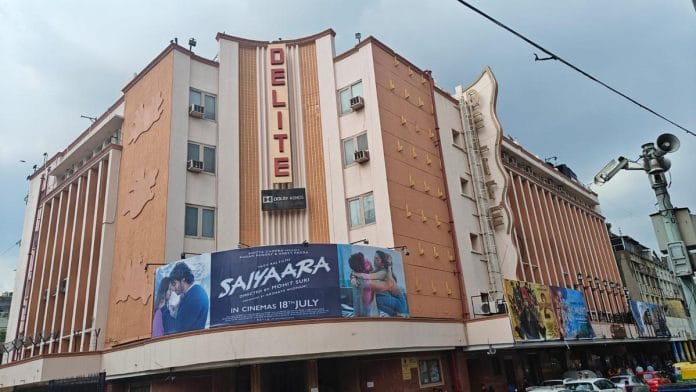



New Delhi: Shashank Raizada was working his way through the day’s ledgers and maintenance checks at Delhi’s Delite Cinema earlier this year when an unexpected email notification popped up. It was from Austrian cinematographer Matthias Grunsky, known for his work in independent cinema, and he wanted to make Delite one of the stars of his next film.
“I was completely convinced it’s a scam. I have fallen prey to a scam before. But then I replied to the email,” said septuagenarian Raizada, the managing director of the 71-year-old cinema in Old Delhi’s Daryaganj. He quickly got an effusive reply.
“My colleague Andreas Resch and myself, both based in Germany, are planning a documentary film about cinema and why we love it. We want to film movie theaters in different places around the world. In our research your beautiful Delite Cinema caught our interest,” wrote Grunsky.
Delite has a reputation that travelled far beyond Daryaganj. As one of India’s first post-Independence cinemas, it helped turn the neighbourhood into a go-to spot for entertainment-starved Delhiites. But it’s no relic of the past. Even as most single-screen theatres around it shut down, Delite stayed in business by keeping an ear to the ground — whether it was screening news updates during the 1971 India-Pakistan War, showing Punjabi films, or borrowing from the multiplex experience by adding a second screen. It still has 30-40 per cent occupancy on most weeks.
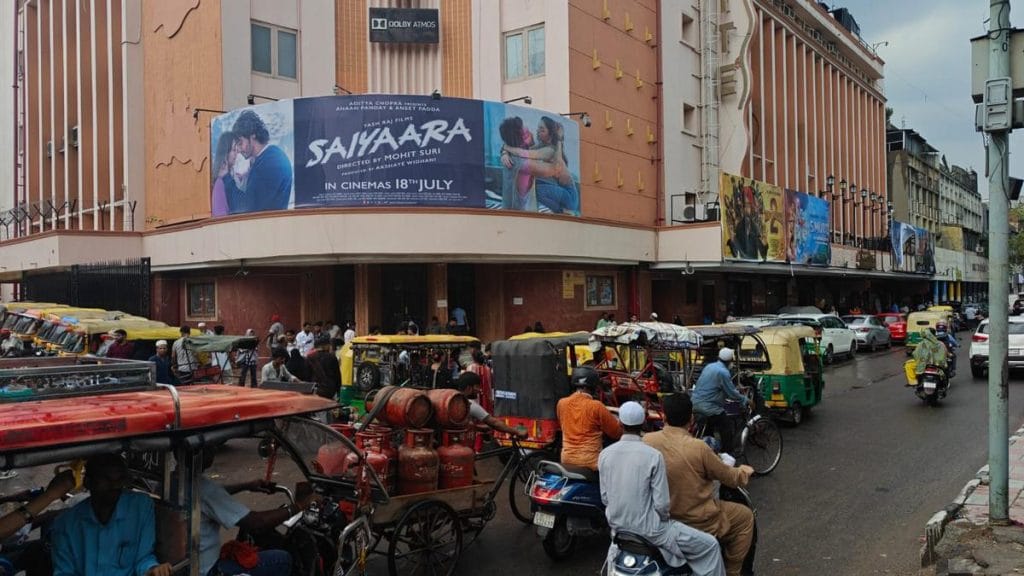
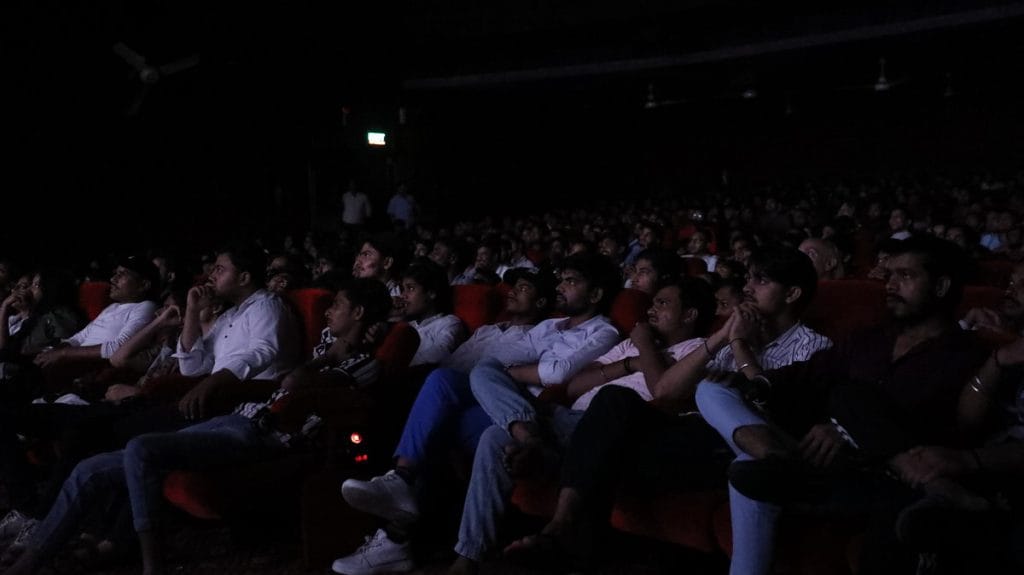
On a rainy Friday, most of the seats are full for a screening of Saiyaara, prompting a smile from its owner.
“I went to check on how people were reacting to the film. I think the song is extremely melodious,” said Raizada, who also oversees other businesses in Faridabad but never misses his Monday and Friday rounds at the hall.
Shashank Raizada has seen it all in his 40-year ownership of Delite. From VCR to PVR, OTTs to smartphones, from collapse of the star system to social media influencers, Delite has weathered many storms. Viewing cultures have changed, modes of entertainment have quantum leaped. But the turnstiles kept rolling and the ka-ching of cash registers didn’t fall silent.
“We have survived challenges like coming in of VCR to piracy, rise of multiplexes, Covid and now, live entertainment. We are here to stay, because we evolve with the times,” said Raizada’s son Shashwat, next in line to the proprietorship of the theatre’s legacy.
Delite was the only A grade cinema hall that upgraded itself. When Regal shut down it was inevitable — the screen was blurry, the sound system was such that even in 2015 it sounded like the film was of the 1940s. Rivoli was too small and could not sustain its profits
-Ziya Us Salam, author and social commentator
Opened in 1954, the theatre was a multi-entertainment centre. Prithviraj Kapoor’s plays, Indo-Russian film festivals, Gogia Pasha’s magic shows, and Mukesh’s concerts all found a stage here. Bengali and Punjabi films also played to packed houses. Ministers, diplomats, government officials, and actors arrived for screenings. It still offers today what multiplexes do not: affordable ticket prices and frothy machine coffee, huge samosas, and salted popcorn that do not set anyone’s monthly budget back. And the father-son duo have given a lot of thought to one of the most pressing questions facing Indian cinema today. Is cinema dying?
For Shashank Raizada, it comes down to romance.
“The solution is to have the comeback of romance, like Saiyaara. Couples need to be able to go through a rollercoaster of emotions, and they hum along to the songs, holding hands. Otherwise, you cannot appeal to the younger generation. They now play 90s and 2000s songs in their parties,” he said.
Also Read: There’s a reason Bollywood loves Rajmandir Cinema. Jaipur’s single-screen hall is a unicorn
Plugging Old Delhi’s entertainment gap
On Friday, the foyer is full of burqa-clad women holding on to squirming children, men in groups of five or ten, and older couples surveying the younger set with a mix of disdain and nostalgia. A pack of giggling girls bursts in, rushing to buy tickets for the latest Gen Z sensation, Saiyaara.
Trina Mehta, a second-year student at Zakir Hussain College, has bunked the afternoon class to catch the film with two friends.
“The hall is at walking distance. We often calculate the classes and attendance and try to catch a movie every other week. The tickets are cheap, and their samosas are love,” said Mehta.
It is not just past glory keeping the place afloat. Nearly all press screenings for upcoming films, regardless of language, are still held at Delite Diamond, the smaller screen that was attached to the main hall in 2008.
“We have crowds not just from Old Delhi, but Majnu Ka Tilla and Laxmi Nagar,” said Shashank Raizada.
Delite is the spot for anyone wanting a first-day show without burning money.
Tickets go for Rs 90-200 and snacks for under Rs 100, a fraction of the price at chain multiplexes.
“There is no way I can take my whole family to PVR for a movie. We come here, eat out and everyone is happy,” said Amar Kumar, who runs a shop nearby and had come with his wife and two children.
I have nothing against multiplexes but every section of society should have access to cinema. It is not a class business, but a mass business
-Shashwat Raizada
For decades, Delite has been catering to Central and North Delhi’s cinema lovers. It is a part of Delhi that has tourist attractions and historic eateries, but lacks big public entertainment venues and cultural hubs. The gleaming, new Omaxe mall on Chandni Chowk is now acting like a 21st century public square that the residents always wanted, but other than that, Delite is the stalwart. It survived where the historic Golcha, Novelty, and Jubilee single-screen theatres could not.
“I have nothing against multiplexes but every section of society should have access to cinema. It is not a class business, but a mass business,” said Shashwat Raizada. It is a philosophy that his grandfather Brij Mohan Lal Raizada swore by.
A maverick and a PM
When Delite opened on 30 April 1954 with Raj Kapoor’s Angarey, the night was one to remember. Loudspeaker announcements spread the word and each one of the 1,100 seats was taken, leaving crowds of latecomers at the door. When other cinema halls still relied on massive fans or desert coolers, it offered full air-conditioning. It was bigger and shinier than any cinema hall that Delhi had seen yet.
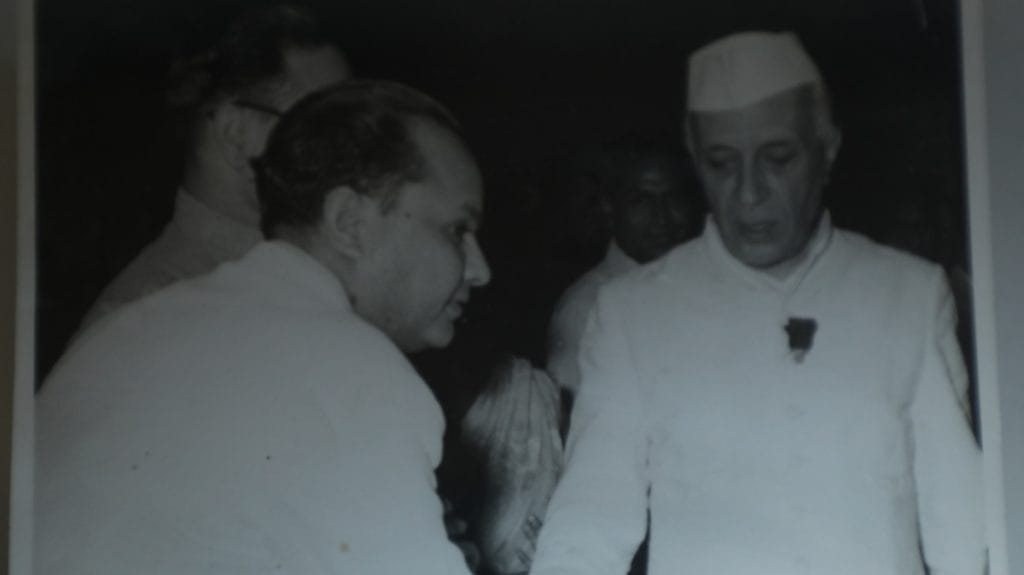
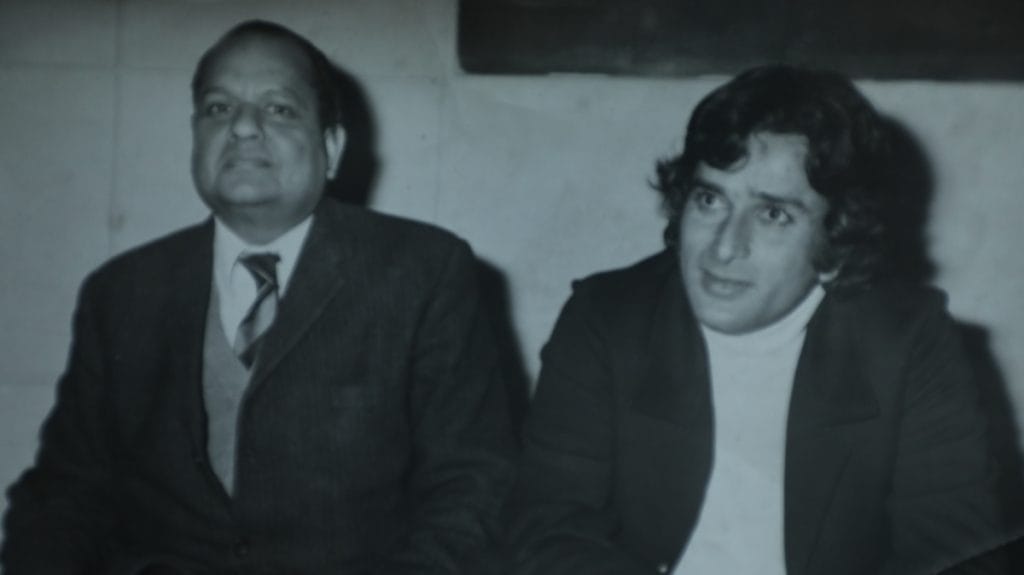
The man behind it was Brij Mohan Raizada, who lived inside the walled city and was a dealer in luxury imported cars. Something of a maverick, he travelled widely and had been struck by the movie-going culture in Calcutta’s British-era theatres such as The Globe. He began dreaming of a hall of his own. Jawaharlal Nehru was the catalyst that made it come true.
“Nehru had expressed a desire for more Indian-made landmarks in the national capital following Independence, and that made my father decide to buy the plot. There was a lot of competition, and it was finally auctioned at Rs 6 lakh even though the real value must have been Rs 32,000. Despite the extremely high rate and risk, my father bought it,” said Shashank Raizada.
To make way for the capacious theatre, a section of the Daryaganj wall was demolished and soon the entire lane got a makeover. Prestigious offices and institutions set up shop, including the Delhi Stock Exchange, Hamdard, Hoechst, and regional branches of Godrej, Hero Cycles, Hindustan Unilever and Voltas. Hotel Broadway opened in 1956, and publisher Prabhat Prakashan arrived two years later.
“When the need to demolish the wall was finally accepted, it was with the condition that a row of buildings with aesthetic facades should face the road and that the ‘slums’ within be cleared and redeveloped,” writes historian Swapna Liddle in her book Chandni Chowk: The Mughal City of Old Delhi.
When Delite opened, Old Delhi already had Ritz, Majestic, and Moti theatres, while Golcha would open a few months later. By the early 2000s, most were either shut or decrepit but Delite was standing tall.
“So, many would come to Delite from near and afar to watch the first day-first shows. Among them were the purdanasheen women who would come here for matinee and evening shows. Delite offered both privacy and accessibility,” wrote Ziya Us Salam in Delhi 4 Shows.
For these audiences, it was a preferred option to the veterans of Delhi-1, a few kilometres away: Regal, Plaza, Odeon, and Rivoli.
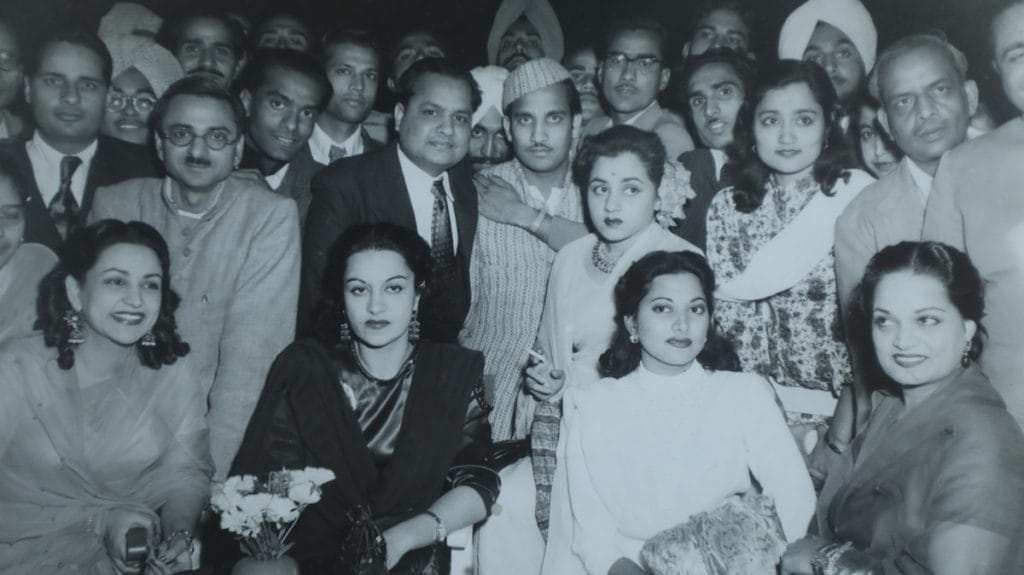
When it started life, Delite was known for its luxuriousness. Designed by the exclusive architecture firm Kothari Associates, it had tall columns, terrazzo staircases, stained glass, and wooden balustrades with geometric Art Deco touches. It boasted centralised air-conditioning by Worthington of England, motorised velvet curtains by Wacha and Company, RCA projectors, and a restaurant and recreation area. It even had an entire floor that held parties attended by the who’s who of Bollywood, complete with bedrooms. The bathrooms were luxurious, with floor-length mirrors and cushioned settees for women to put up their feet.
This positioning, however, did not define its identity. While another survivor, Jaipur’s Rajmandir, leverages its old-world grandeur to draw crowds, Delite’s main attractions were more down-to-earth.
Less nostalgia, more nimbleness
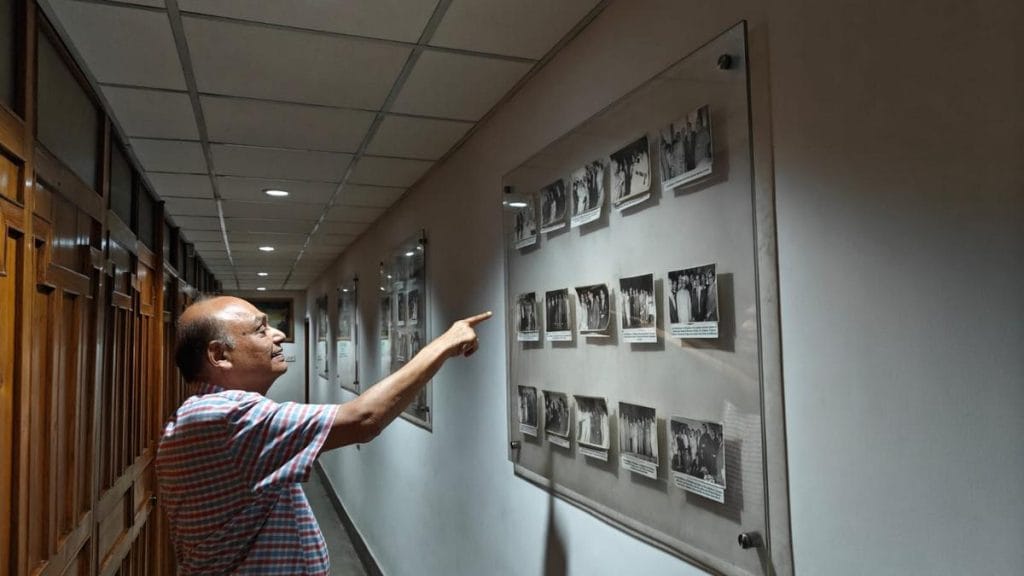
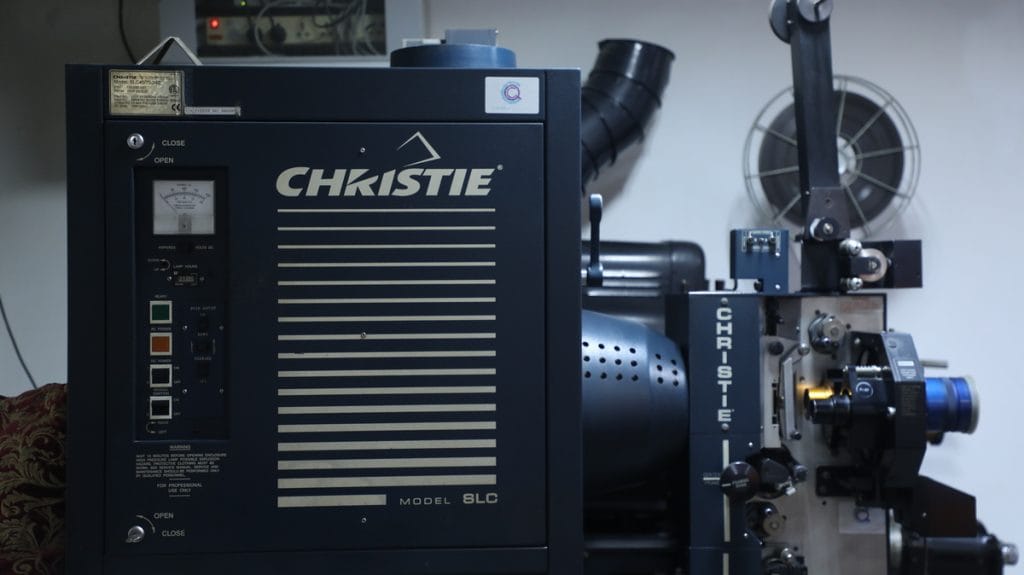
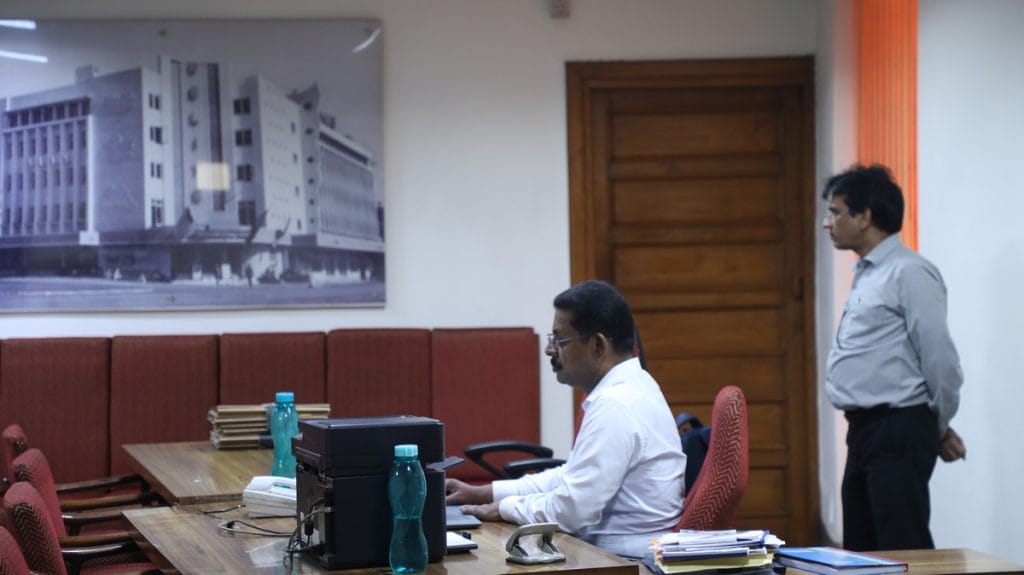
On the third floor at Delite, two people sift through files while the old projector sits in a corner, a reminder of life before digitisation. Except for the photos on the walls, nothing suggests that this used to be the floor where Bollywood stars once partied.
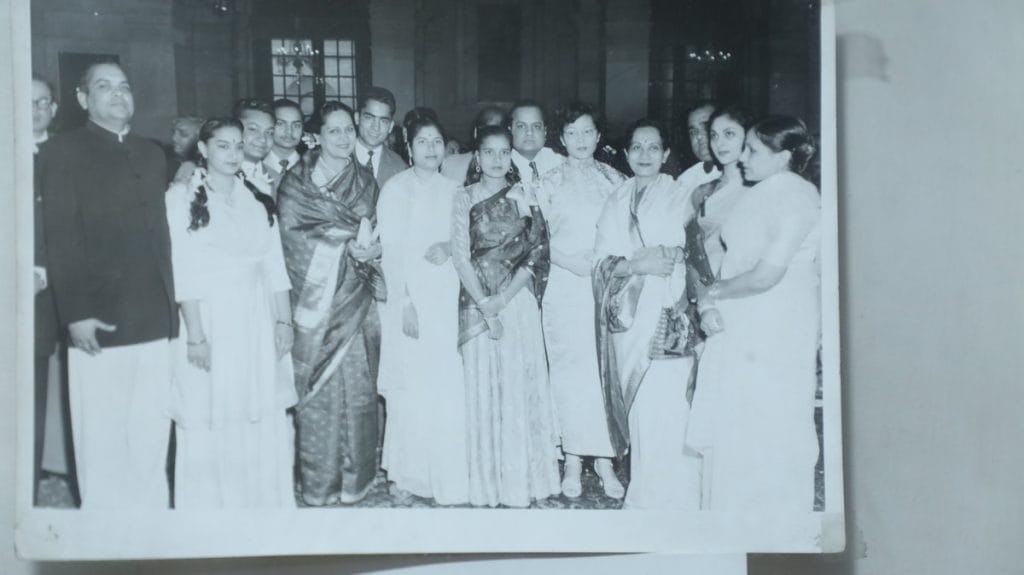
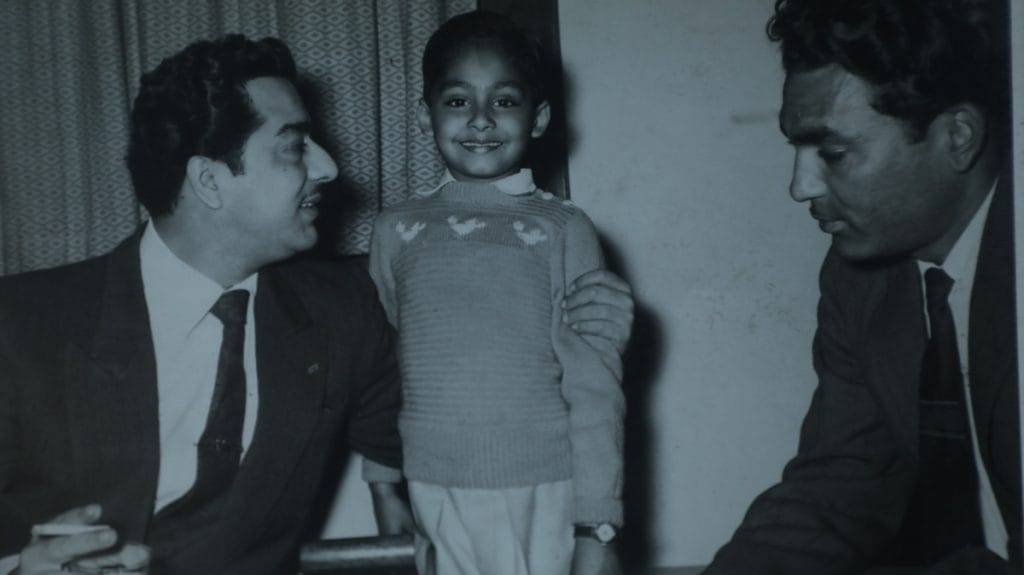
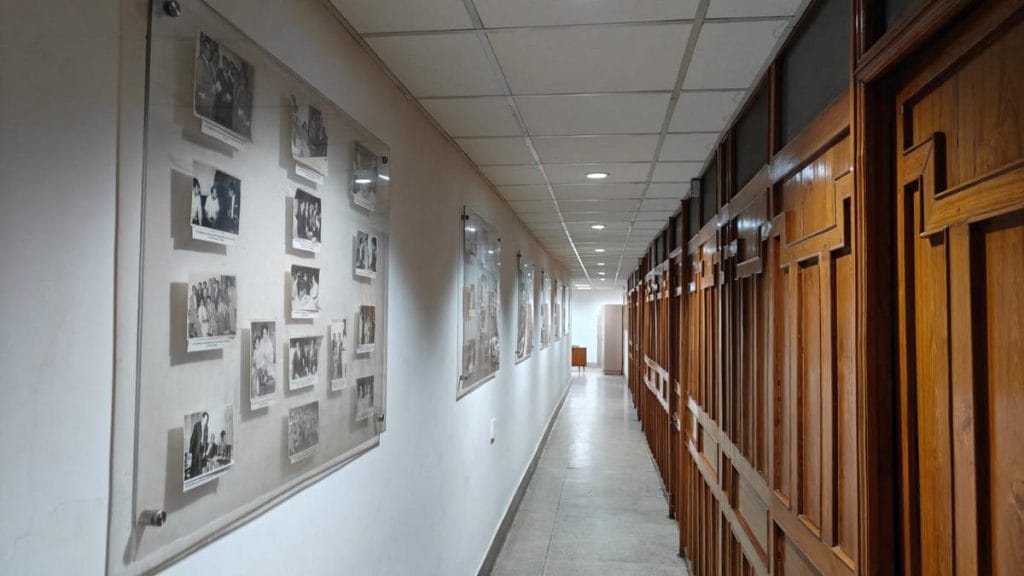
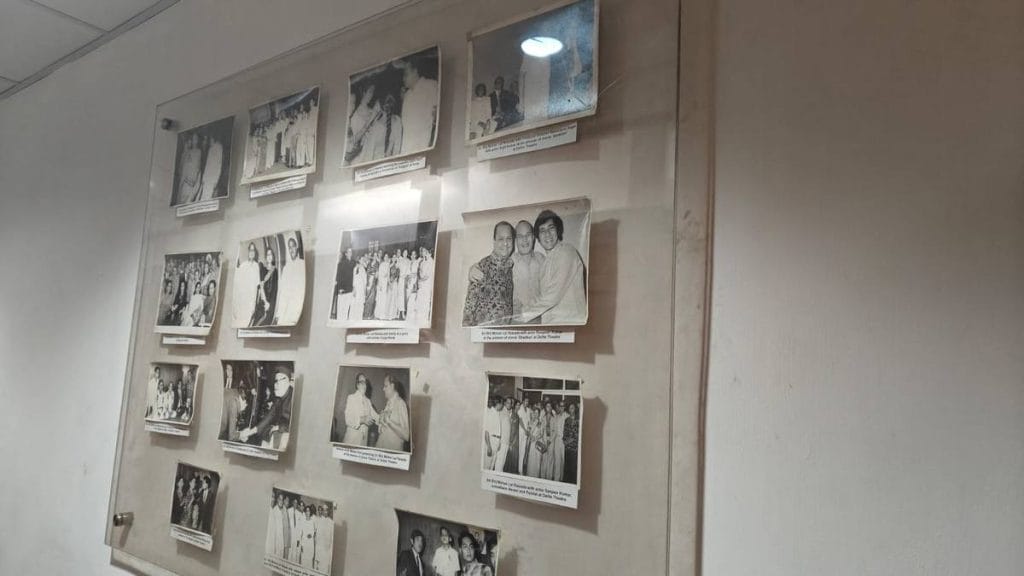
The cinema’s legacy now lives mostly in a long corridor lined with photographs and a replica model. The images capture Nehru watching a film with a young Sanjay Gandhi with him, Madhubala at dinner with the Raizada family, a twinkly-eyed child Shashank posing with Raj Kapoor.
The theatre always had a mix of crowds. The parking lot was a window into its diversity. Politicians and ambassadors with imported vehicles turned up, so did the crowds from nearby colonies, in rickshaws, or on foot. It was the place where both VIPs and common people turned up to enjoy not just cinema but concerts and theatre.
Over time, Delite leaned more into its identity as a place meant for everyday audiences.
“Delite did not fit in the A-grade halls of the time. This was partly due to the fact that it was neither fully in Old Delhi nor in New Delhi,” wrote Salam. It was the place for the release of what he calls ‘masala’ movies.
We have Delite Diamond to diversify films. We mix and match. For a non-starrer picture, there is Diamond, and a big star massy film has the single screen
-Shashank Raizada
What kept Delite going, though, was not genre but instinct. The hall paid close attention to what people in its neighbourhood wanted. It was the only theatre that would screen Bengali films, which made it a favourite venue of the large Bengali population in Daryaganj.
“One of my college professors, who lived in Daryaganj, would come to watch Bengali movies regularly,” said Shashank Raizada. Satyajit Ray’s films were a must. Suchitra Sen’s Megh Kalo (1970), initially booked for a week, ran for eight.
During the 1971 India-Pakistan war, it was the only theatre that broadcast news bulletins before the movie started and during intervals.
As multiplexes mushroomed and audiences drifted, nearby halls began to shutter. What kept Delite in business was the Raizadas’ willingness to invest in technology and expand the hall when needed. More than nostalgia, it is this nimbleness that has kept it going.
“We are still here to tell our story because we kept up with the times and adapted quickly,” said Shashank Raizada, who took over the hall’s management as a 23-year-old when his father died in 1983.
A choppy takeover
Growing up, Shashank was mostly privy to the glamour of the business.
He saw distributors and exhibitors walking in and out of his father’s office, heard meetings about what to screen next, and glimpsed directors and actors drop by to say hello. But when he took over operations, it was more about a struggle for survival. Video piracy was the big challenge initially.
“Times were really difficult, the business was badly hit,” he said, a hint of pain still evident in his voice.
Occupancy had reduced to 50 percent, films were not working and VCRs were flooding the market. “The VCR would be out the day after a film was released.”
Things only got worse, as by the late 90s, multiplexes entered the market.
But instead of despairing, Shashank doubled down. Like a true-blue MBA, he followed a three-part strategy: figure out what was going wrong, build new income streams, and then put the money straight back into Delite.
He put his economics honours degree from St Stephen’s College and MBA to work and went through the books himself. The glass cabinets in his office still hold books on corporate law and taxation, with a large black-and-white photo of his father finding pride of place. His degrees are displayed on the wall beside it. To generate funds, he invested in warehouses and set up a thread factory, a business that gave substantial returns. Most of it was put into the restoration and reinvention of the theatre.
“I did not give up, could not. It was my father’s legacy,” he said. “My dad was fond of seeing his hall work smoothly. He was not very interested in films. My mother even complained that he did not take her to watch movies.”
We want cinema to become such that people are compelled to come back and watch films in a theatre. We need filmmakers to create such films. It is no longer the time to copy paste. OTT will live, and now we have to make sure cinema lives on too
-Shashank Raizada
Over the years, he has poured in more than Rs 15 crore to modernise the sound, screen, and interiors. Shashank refused to cut corners. He added chandeliers, marble-topped tables in the restaurant, and the best sound and projection he could find. The older projector was replaced with a gleaming new one from Photophone as film reels turned digital.
Money also went into the 90-seater restaurant, which, as Salam puts it, was not an “incidental” feature of the hall.
“I used to love coming in because our restaurant always had fresh snacks from dosa and idli to samosa. The doctors and nurses from nearby Lok Nayak Hospital and GB Pant would sometimes come just for the food,” said Shashank. Even today, it keeps the hall in good stead.
As the upgrades continued, he also widened Delite’s programming. Hindi blockbusters, English films, and even Punjabi titles helped bring in a more varied crowd.
The changes came in phases, not in one sweep.
Delite, rebooted
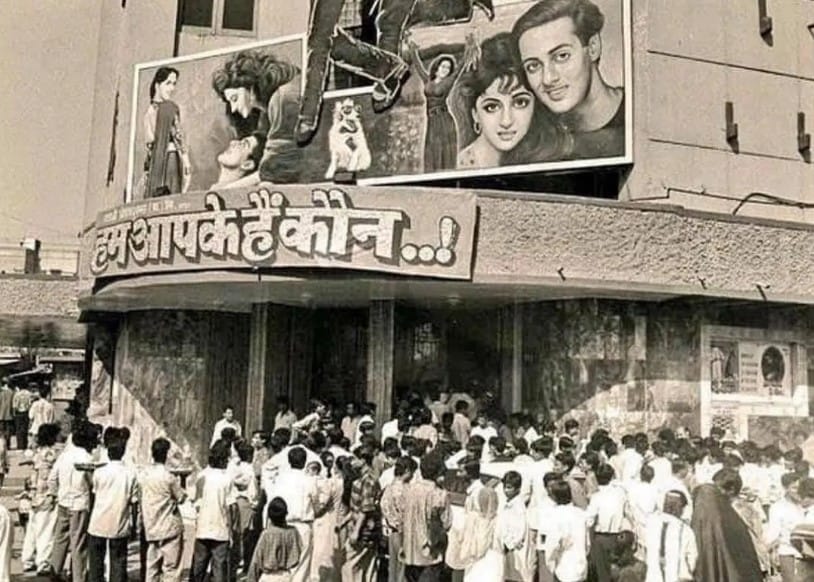
Sooraj Barjatya’s Hum Aapke Hain Kaun provided the impetus for the first makeover. The 1994 film finally gave families a reason to leave behind their VCRs and return to the halls. Shashank had the walls and floors scrubbed till they shone before the first show. It went on to complete a jubilee run at Delite.
This success inspired Shashank to upgrade the seats and reduce them from 1,100 to 900, improve the air-conditioning, and raise ticket prices by Rs 20.
The following year brought another blockbuster that had people lining up on the street.
“I remember the premiere of Subhash Ghai’s Trimurti which had Shah Rukh Khan and Jackie Shroff. It was bitterly cold and raining. People waited for six hours just to watch the stars and cheer for them,” said Raj Kumar Mehrotra, who has worked with Shashank Raizada for nearly five decades. That year, only two prints of the blockbuster ran in Delhi — one at Delite and the other at Sapna.
Even during lean spells, Shashank kept funnelling in money from his other businesses to spruce up the interiors and run small competitions and quizzes to create a buzz for new releases.
“It was a risk because most people were shutting down theatres, but closing was never an option,” he said.
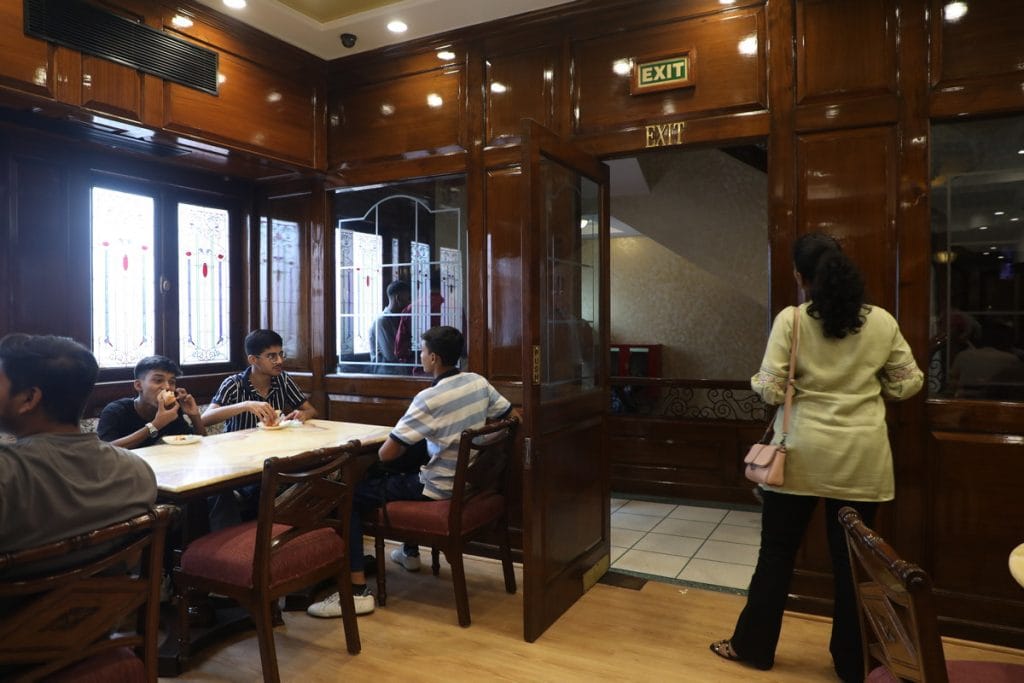
Even as other single screen theatres fell into disrepair, with pan stains all over their walls and families avoiding them because of ‘rowdy’ crowds, Delite was a welcome space with marble flooring, a large foyer, and a canteen big enough to handle the interval rush. While promoting London Dreams in 2007, Salman Khan even sold tickets from the counter for an hour.
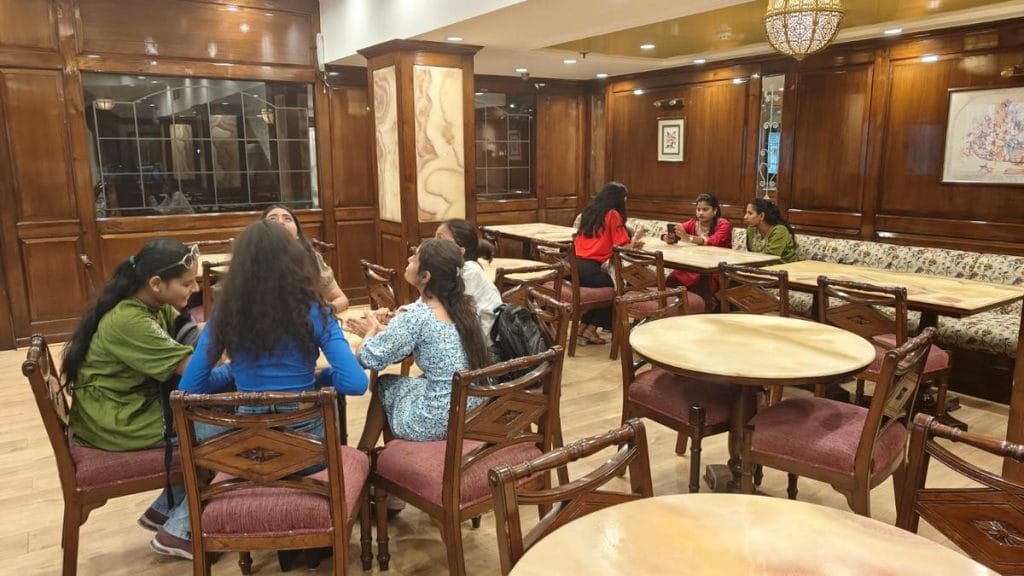
Then in 2008, Delite took its most ambitious plunge yet. It became a multiplex-lite with the addition of the 250-seater Delite Diamond, designed by Manoj Mathur of the School of Planning and Architecture. For this, Shashank joined hands with his son Shashwat.
“We have Delite Diamond to diversify films. We mix and match. For a non-starrer picture, there is Diamond, and a big star massy film has the single screen,” said Shashank.
The semi-multiplex experience
What sets Delite apart is its hybrid model. It kept its single-screen identity intact while building a space for the ‘multiplex crowd’. In Delhi, where star power alone can’t guarantee footfall the way it does in Andhra Pradesh or Tamil Nadu, that mix of flexibility and affordability has been its strongest advantage.
The 148-seater hall has a massive chandelier, red carpet, and comfortable pushback chairs, but a ticket only costs around Rs 200. It has no balcony or gallery divisions and usually screens more experimental films than the main screen.
“I wanted to offer the multiplex experience at the cost of a single screen theatre price,” said Shashank Raizada.
Delite’s survival is an anomaly not just in Delhi but in India where only about 9,000 single-screen theatres still run, compared to 24,000 twenty-five years ago. Most have been demolished, repurposed, or swallowed by multiplex chains.
Old Delhi, once full of halls, now has only Delite. Golcha hung on by a thread before closing in 2016. Moti Cinema pivoted to screening Bhojpuri films but shut in 2013. Jubilee was demolished in the 1990s and Novelty, where Sholay ran for 73 weeks, was razed in 2020. Even in central Delhi, Plaza and Rivoli were later taken over by PVR, while Odeon moved from Reliance Big Cinemas to INOX.
Have Wengers or Bengali Sweets gone out of business because there are new restaurants and pubs now? Delite has a legacy and an element of nostalgia
-Shashwat Raizada
“Delite was the only A grade cinema hall that upgraded itself. When Regal shut down it was inevitable — the screen was blurry, the sound system was such that even in 2015 it sounded like the film was of the 1940s. Rivoli was too small and could not sustain its profits,” Salam told ThePrint. The upgrades didn’t stop with Diamond. In 2016, Delite became the first Dolby Atmos theatre in Delhi, well before multiplex chains adopted the technology.
In a 10-km radius, it’s now the only option where even working-class people can watch a movie in pleasant surroundings within their budget. Throughout the city, the only other viable halls are Amba in Shakti Nagar and Liberty in Karol Bagh.
“Delite always had loyal patrons, especially in the front and middle stalls, who would keep coming back. It’s they who make small screen work, not the ones who buy balcony tickets,” Salam added.
Also Read: Dhurandhar shows hard cinema is soft power and Pakistan is unapologetically the target
The next generation
Shashwat Raizada got into the cinema business early. A couple of years after finishing his BA in Economics from Delhi University, he became director of Delite in 1998. He also runs the family’s logistics, supply-chain, warehousing, and retail ventures, but the hall is his biggest pride.
As a student at Delhi University, his friends would often ask him to take them for the latest movie.
“It was a matter of privilege, akin to being owner of let’s say Oberoi hotels. They still just call and say we are coming over to watch a movie,” said Shashwat.
Just as Shashank once shadowed Brij Mohan Lal Raizada, he is now doing the same with his father. The theatre is part of their dinner table conversations and fondest memories.
“I remember sipping on Campa Cola, and how the family driver used to get annoyed driving stars to and from here to hotels or the airport,” he added with a chuckle.
While Covid delivered a blow, business picked up with films like K.G.F: Chapter 2 (2022), Pathaan (2023), Animal (2023), Jawan (2024), Stree 2 (2024) and Pushpa 2 (2025). When Pathaan was screened, the entire Old Delhi crowd came in – a winning combo of both Shah Rukh Khan and Salman Khan fans. Over the years, watching a movie at Delite has also become reel-worthy for its quaint vibe.
The theatre’s biggest competition today is OTT and live entertainment, but their biggest grouse is that filmmakers aren’t doing enough to attract house-full crowds.
“We want cinema to become such that people are compelled to come back and watch films in a theatre. We need filmmakers to create such films. It is no longer the time to copy paste. OTT will live, and now we have to make sure cinema lives on too,” said Shashank Raizada.
But Shashwat is confident that the audience isn’t going anywhere and Delite will outlast him.
“Have Wengers or Bengali Sweets gone out of business because there are new restaurants and pubs now? Delite has a legacy and an element of nostalgia. Extremely rich or monied individuals form just 5 per cent of the population. We are thinking about the rest of the people, and they deserve cinema. That’s who we are here for,” he said.
As the sky darkens, a couple of auto rickshaw drivers stand inside the foyer, taking a breather and checking ticket rates.
“I was in Noida when I asked a rickshaw puller why he was still waiting for passengers late at night. He said he wanted to watch a Shah Rukh Khan film, but it was for Rs 300. He could only afford it if some passenger paid late-night extra on the fare,” said Salam. In Noida, hardly any single-screen theatres are functional.
For 25-year-old Shoiab, a regular at the theatre, it’s a foil to loneliness.
“Single screens have a vibe. I stay in Ashram but I come here to watch films, even after watching them in multiplexes. The funny comments, the hooting, and even clapping make you feel like it’s a community. If I want to watch quietly, I can do it anyway in my room,” he said.
He had come that day for some emotional catharsis by watching Saiyaara, a film that has made young viewers swoon over its star-crossed lovers.
“My ex cheated on me. I am a heartbroken lover, and I want to cry. This is the best place for me to watch and cry,” he said, managing a brave smile.
This is the second article in a three-part series on single-screen theatres in India. Read the other articles here.
(Edited by Asavari Singh)