





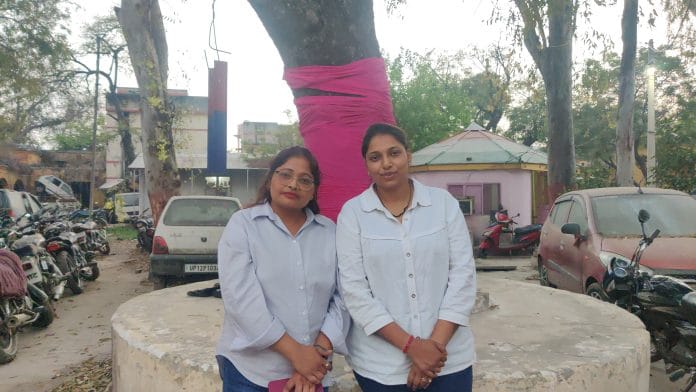



Meerut: At a Holi celebration hosted by former BJP MLA Sangeet Som in Meerut, dozens of young men beelined toward two women standing in a corner: Shradha Rajput and Sandhya Rajput. The women, who belong to Hindu Raksha Dal, have emerged as local heroines since scrawling anti-Muslim graffiti on a crash barrier along the Uttarakhand-Delhi highway. Their act has catapulted them into becoming new Hindutva icons — and they are relishing it.
“These men want to join us. We all have the same target — Muslims. And our goal is to protect our mothers and sisters from ‘love jihad’,” said 35-year-old Shradha, with a newfound flair in her demeanour. “These young men feel more confident now.”
Shradha and Sandhya filmed themselves spray-painting “Musalmano ke liye yeh sadak nahi hai (This road is not for Muslims)” on the highway on the night of 26 February and posted a 17-second reel boasting about it, with chants of “Jai Shri Ram.” An FIR has been registered against them, but the women say it is “like a jewel in our crown”.
For the new female faces of an aggressive Hindutva cause, life is suddenly hectic. One day they are spray-painting the public infrastructure; the next, they are off “rescuing” Hindu women. Right now, their mission involves rescuing a Hindu woman from her Muslim boyfriend in Uttar Pradesh’s Saharanpur.
Their boss, Lalit Sharma, the Uttarakhand president of Hindu Raksha Dal, is their biggest cheerleader.
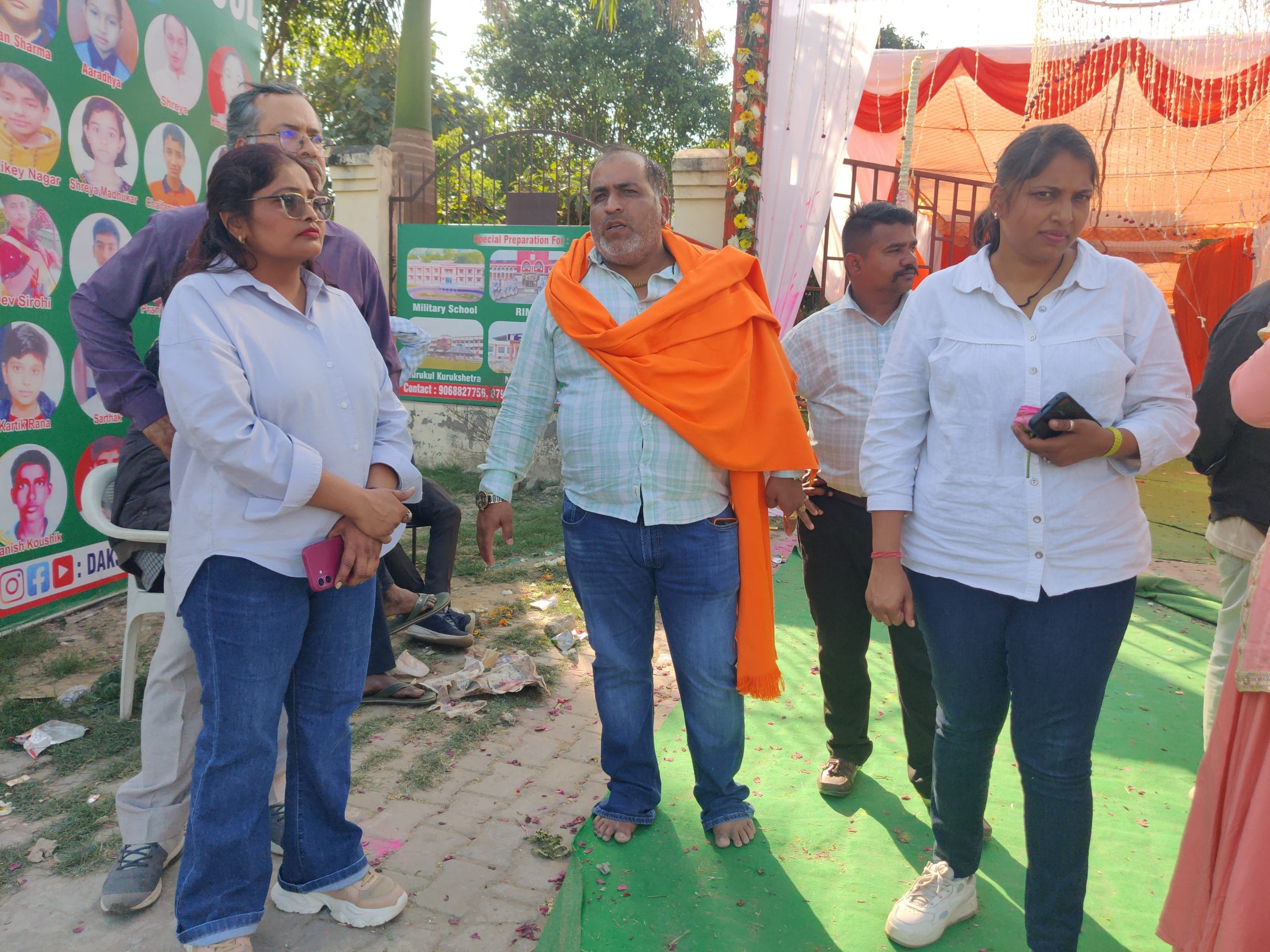
“Look at these women. They didn’t hide their faces like cowards. That is what Hindu Raksha Dal is all about. We do it openly and with pride,” Sharma said, stubbing the butt of a gun on the ground.
Shradha and Sandhya are not sisters by blood but are, as they put it, sisters by cause. They wear similar clothes, walk in step, and complete each other’s sentences.
They say they do not believe in caste, yet take pride in being Rajputs. Their icons range from Maharana Pratap to Bhagat Singh.
Hindu Raksha Dal brand hai, brand. The FIR is like a jewel in our crown. We have earned it. It is for Hindus to wake up and see what we are doing to save them
They joined Hindu Raksha Dal in 2024, five years after its emergence as a self-styled vigilante outfit. They wholeheartedly support the organisation’s campaigns: reclaiming temples and ‘protecting’ cows, movements that gained momentum following the 2019 Ayodhya verdict. The group claims to be bolder and more aggressive than the Bajrang Dal, and says it has built a network of over 50,000 members across India.
For the women, their newfound popularity has further emboldened them. Their WhatsApp and Instagram accounts now beep constantly with congratulatory messages. “Aapne bahut dileri ka kaam kiya hai (You have done a brave job),” read one message.
With each young man they met at the BJP leader’s Holi party, they recounted their acts of “bravery”: distributing sticks to one lakh Hindus in Uttarakhand, vandalising a dargah, and claiming to have “saved” 30 women from so-called ‘love jihad’ in Uttarakhand.
“Hindu Raksha Dal brand hai, brand,” they say together, grinning. “We have earned the FIR. It is for Hindus to wake up and see what we are doing to save them,” said Sandhya, her head tilted and eyes rolled upward.
Tracking ‘target areas’, couples, online posts
White shirt, blue jeans, white sneakers, and an iPhone in hand — Shradha and Sandhya are always on standby. One call from ‘Lalit bhai’, as they call him, and they are out the door, headed to “save” Hindu women. They give the appearance of female bouncers.
“The task of saving Hindus is not an easy one. We are always on the road, tracking our next target,” said Shradha.
On Sunday, after the Holi party in Meerut, their next stop was Kairana in Uttar Pradesh. There, they planned to chant the Hanuman Chalisa outside the house of Samajwadi Party MP Iqra Hasan.
I am famous for my hate speech. But my hate speech is only against Muslims. Never against Hindus. If two Hindus are fighting, I won’t indulge
SUVs lined up as the women climbed in. After a while, they emerged through the sunroof and recorded a video for the Hindu Raksha Dal’s social media page, saying they were on their way to Iqra Hasan’s house to “teach her a lesson.”
Their days revolve around making frantic calls to volunteers, asking them to track areas where Hindus and Muslims live side by side, or where there are Muslim-owned shops. They refer to these places as “target areas”. They are constantly on social media, monitoring online activity of Muslims.
These days, the women say they are “fighting for justice” for a Gujjar ‘girl’ from Saharanpur they claim ran away with a Muslim ‘boy’ on 24 February. They allege that the Hindu girl has been trapped and brainwashed, and insist she must be “rescued.” The young woman, meanwhile, posted a video on social media stating that she was not a minor and had left home of her own free will.
“I am an adult and I came on my own,” she said in the video, dismissing allegations of coercion.
As news spread, Hindu groups convened a panchayat in the village. Shardha and Sandhya were part of it. It was there that it was decided the house of the Muslim man should be bulldozed and the woman “returned” to her community.
“Hindus also voted for Iqra, but she never speaks up when it concerns a Hindu girl. Now we will recite the Hanuman Chalisa outside her house to make sure she gets some dimag (sense),” Shradha said.
We are taking a risk. What if they attack us? We need to have a gun
However, before they could reach Kairana, their SUVs were stopped by the police in Shamli district. Their visit had not been spontaneous. Before setting out for the MP’s residence, they had posted an Instagram video announcing their arrival.
“We will go to Kairana, outside MP Iqra Hasan’s house, to protest and ask her 21 questions…” they declared in the video.
All their videos start with a message that is also one of their slogans: “Jai Shree Ram. Jai Sanatan. Jaat paat ki karo vidai, Hindu Hindu bhai bhai…”
‘Famous for my hate speech against Muslims’
Sandhya may be older in the organisation — she joined three years ago — but it is Shradha who carries greater weight. The reason, she says, is her reputation for what she unhesitatingly calls “hate speech.”
“I am famous for my hate speech. But my hate speech is only against Muslims. Never against Hindus. If two Hindus are fighting, I won’t indulge,” Shradha asserts.
Before joining Hindu Raksha Dal, Shradha worked with the Rajput Karni Sena. At an event in Dehradun in 2023, Shradha says she met its national president Mahipal Singh Makrana who, impressed by her devotion to “Sanatan and Hindus,” invited her to join the Sena.
During her year-long stint with the organisation, Shradha claims she led raids on what she calls “illegal meat shops.”
“Uttarakhand is Devbhoomi — you can’t run meat shops here. I shut down all the illegal meat shops,” she says with pride.
In 2024, after local Muslims protested against her, she was approached by the Hindu Raksha Dal. She describes the shift in corporate terms: “It was a bigger and more popular organisation.”
“Hindu Raksha Dal is more popular, aggressive, and proactive. Members here don’t care about their lives. Their only goal is to save Hindus,” Shradha says.
[Our end goal is to make] Muslims understand that they are kirayedar (tenants). So they either live like tenants, or convert, or move to Pakistan
Sandhya, meanwhile, had just completed her master’s degree when she joined the Hindu Raksha Dal. She struggles to recall the name of her course. She says she first came into contact with the organisation as a complainant. A Muslim man, she alleges, was trying to occupy her land.
“That’s when someone asked me to contact Lalit bhai. Since then, the man who wanted my land has run away.”
She says she was impressed by how swiftly Hindu Raksha Dal intervened and soon formally joined the organisation.
Their banter rarely strays from a single subject: Muslims. They laugh about how “Muslims are afraid of them,” how they “don’t pay taxes.” They watch reels and murmur amongst themself, “Throw them out. They deserve to be in Pakistan.” At other times, they talk about how Muslim women are divorced by triple talaq and treated like slaves.
The women say Muslims should not be allowed to use highways because they do not pay taxes. “Why do you think we wrote that this road doesn’t belong to Muslims? The road is made from Hindus’ hard work.”
Hours of conversation pass, and there is barely a moment when Muslims are not invoked — either as a threat or as targets. It is like a tape recorder stuck on a loop. The fixation speaks for itself.
Muslim, Muslim, Muslim — and more Muslim
Sandhya’s social media reads like a LinkedIn profile — a running log of her “assignments” and appearances.
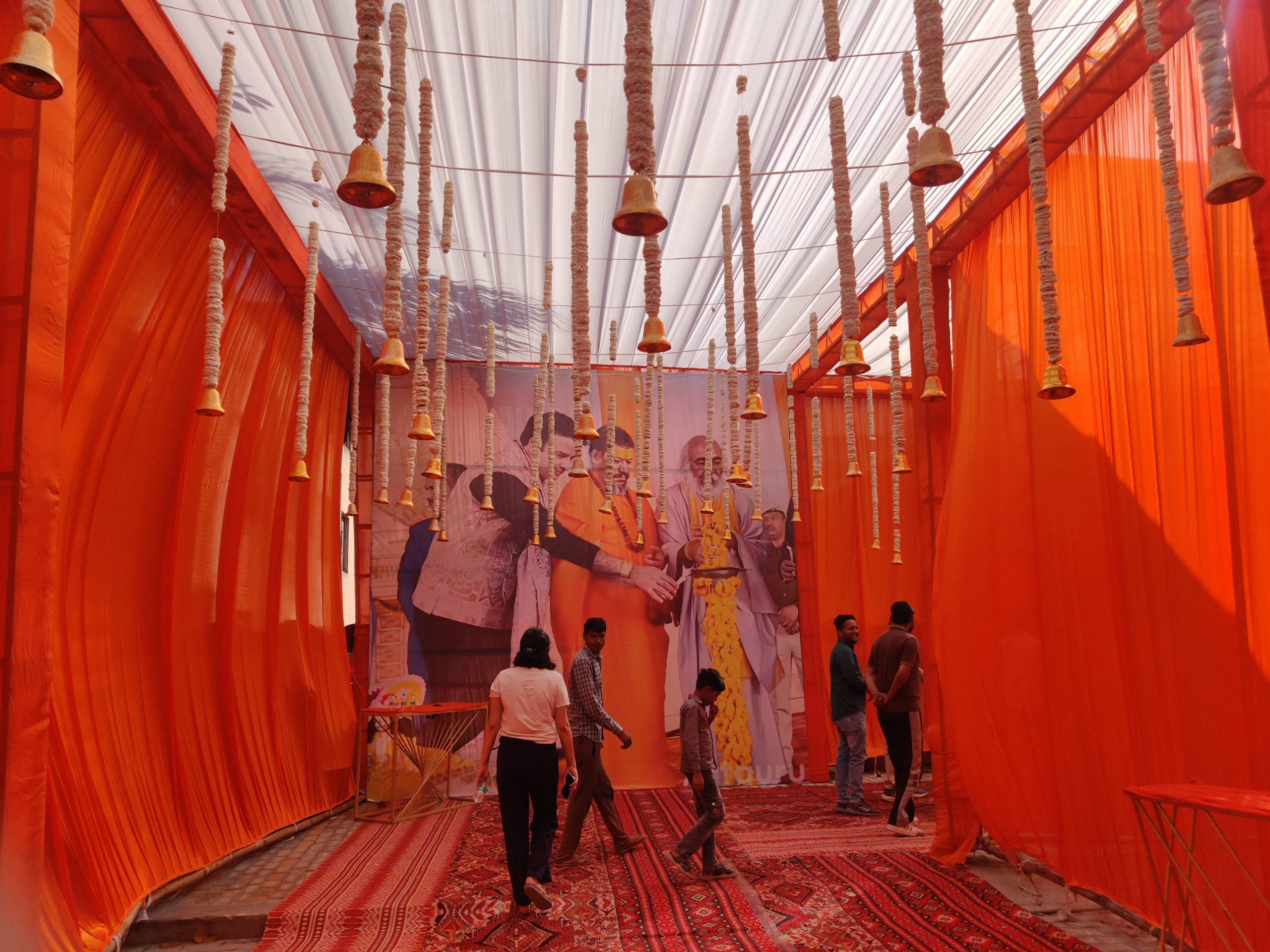
“Big brother Sangeet Som ke Holi Milan ke karyakram mein Hindu Raksha Dal Uttarakhand,” reads one caption, announcing their presence at a Holi event hosted by the BJP leader, the MLA from Sardhana until 2022.
In the video, Lalit Sharma and his team walk toward the celebration; one member carries a rifle as they make their entrance.
Live on the sidelines or in your ghettos. Don’t interfere. This is a country of Hindus. And we will make sure it soon becomes one.
Sandhya says Sharma never lets them travel alone. They always move with a team — and a gun, she adds, “for our own safety.”
“We are taking a risk. What if they attack us? We need to have a gun. We have a licensed weapon with us,” Sharma says, brandishing the rifle as he speaks.
Sandhya says she has never had a Muslim friend. Neither, she adds, has Shradha. In fact, Shradha says she has ensured that her two daughters do not befriend Muslims either.
“When they see what their mother is doing, how can they have a Muslim friend? They hear the stories. My daughters don’t even step out of the house,” she says.
Her husband, however, is a landlord who does business with Muslims — something she describes as strictly professional.
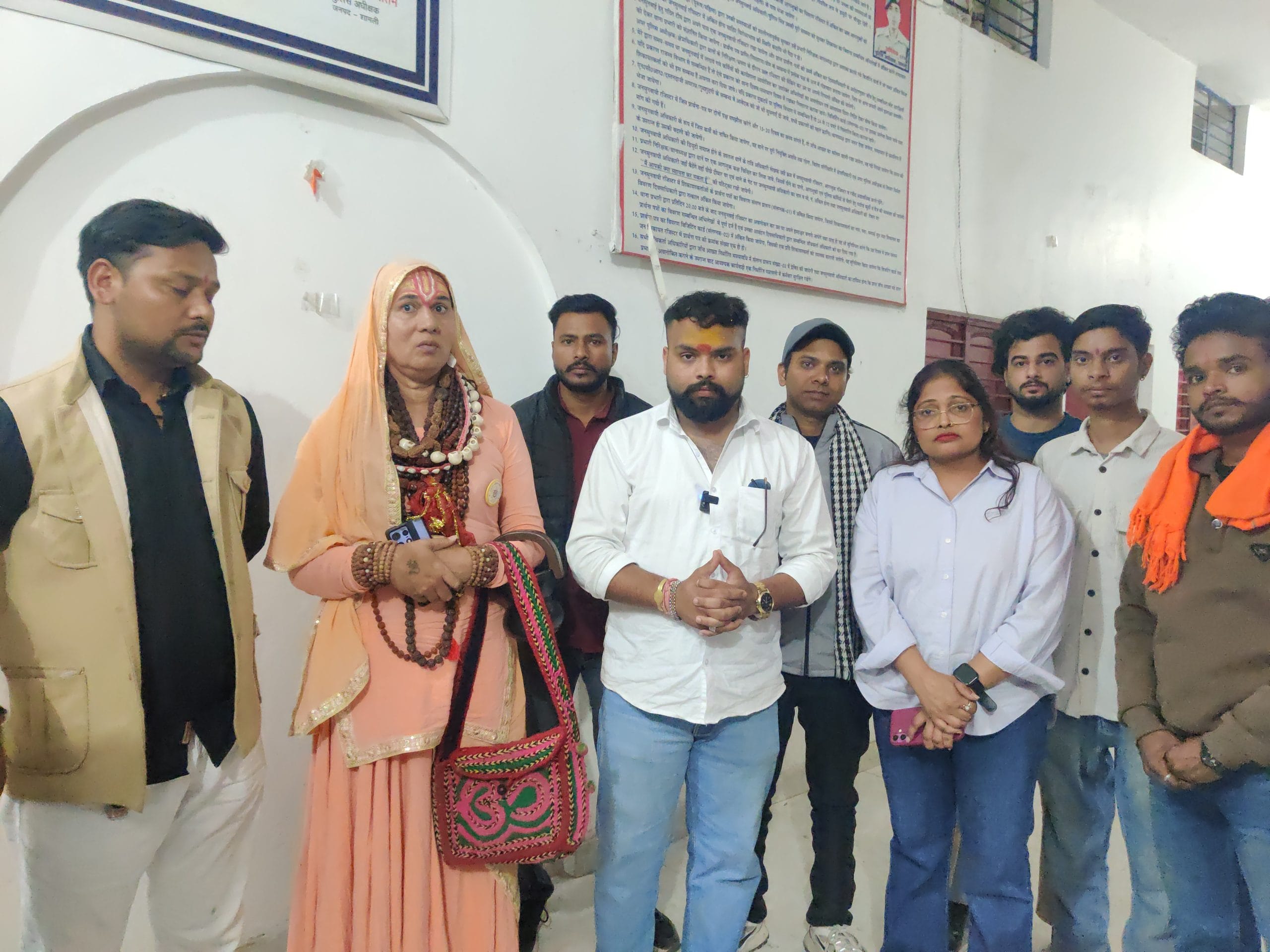
On Sunday, when the two women were stopped by the Shamli police on their way to Kairana to recite the Hanuman Chalisa, they went to the police station along with their team to press their demands. Inside, members of Hindu Raksha Dal recounted how they had “protected Hindus” over the past six years.
“And we have these two women who wrote the correct thing on the flyover, and now they have an FIR against them,” Sharma says, introducing them.
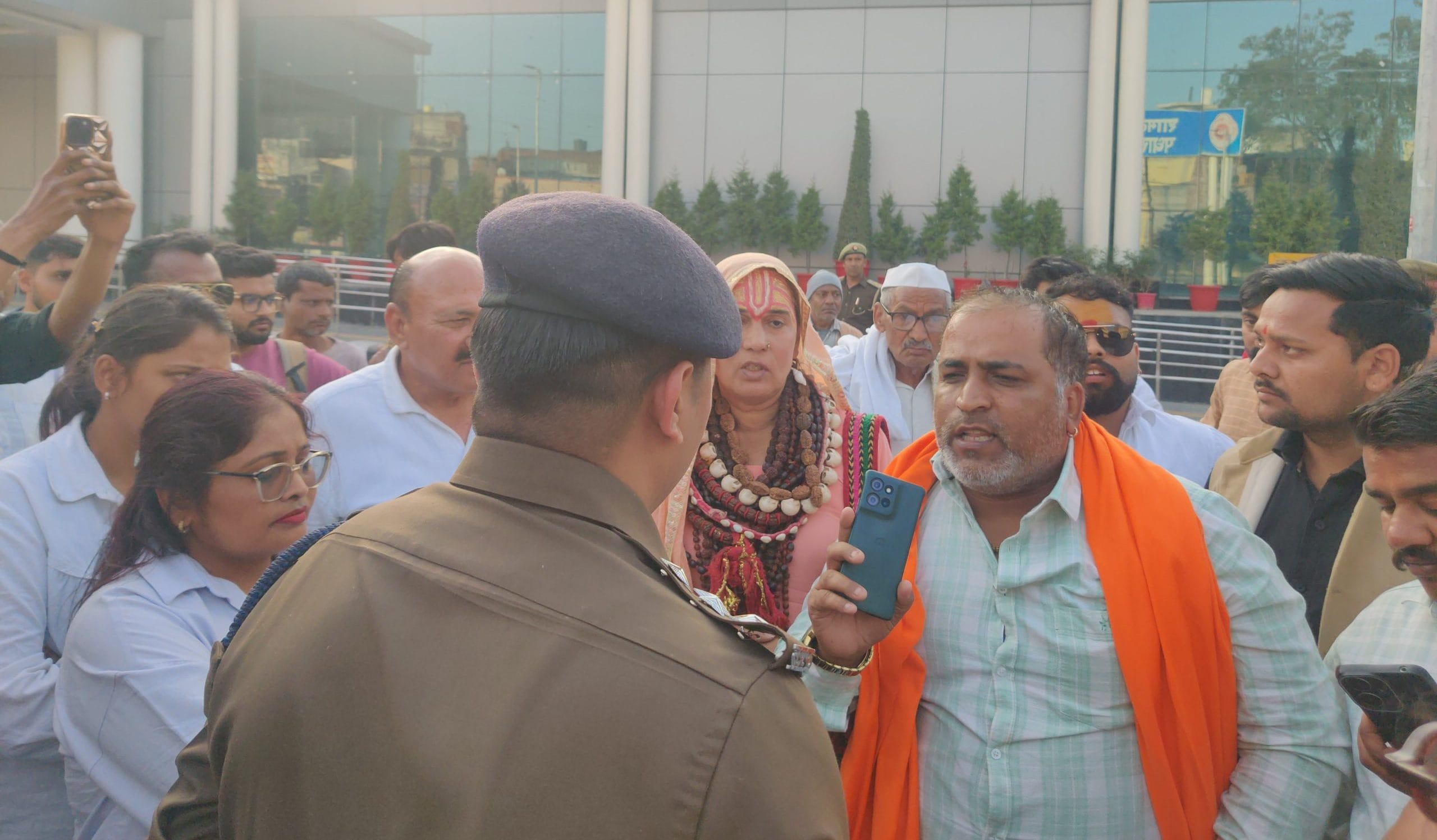
“Oh! So you are the two?” a police officer asked. “You have done such a brave thing.” The women smile, visibly pleased.
Soon after stepping out of the station, they record a reel describing their meeting with the police. Addressing fellow Hindus, they urge unity across caste lines to “save Sanatan.”
They are explicit about what they see as their end goal.
“For Muslims to understand that they are kirayedar (tenants). So they either live like tenants, or convert, or move to Pakistan,” says Shradha. “Even Bangladesh,” Sandhya interjects.
They have already outlined rules for the “tenants”: “Live on the sidelines or in your ghettos. Don’t interfere. This is a country of Hindus. And we will make sure it soon becomes one.”
(Edited by Prashant Dixit)
Actually very good initiative. We should do it every block every district. Then we will be truly secular and liberal democracy. And we will give the same treatment to minority as Pakistan & Bangladesh. Good reporting by print. It will give template to others.