








New Delhi: A week after Taranjit Singh Sandhu took oath as Delhi’s Lieutenant Governor, a familiar knock returned to the corridors of power. It came as a request for a meeting to convey “welcome and felicitations”, but underneath it was a long-ignored and increasingly desperate bid to revive Delhi’s industries.
The ritual repeats itself every time a new Chief Minister or Lieutenant Governor assumes office. Industrialists present their grievances in the hope that a change of guard will get them heard. This time, the appeal came from the Naraina Industries Association (NIA), which represents one of the city’s oldest industrial hubs.
“We would also like to respectfully bring to your kind attention the current condition of infrastructure in the Naraina Industrial Area,” reads the 18 March letter to Sandhu. “[It] requires urgent attention and intervention for the betterment of the area and the smooth functioning of industrial activities.”
Delhi’s industrial sector employs around 4 lakh people and contributes more than Rs 50,000 crore to the city’s economy, but its most pressing demands have nothing to do with ramping up technology or global competitiveness. It wants the bare basics seen to: nala, sadak, pani.
The industrial areas of Delhi NCR are working under severe space and infrastructure constraints, making adoption of common environmental facilities difficult to implement… everyday realities such as broken, dust-laden roads inside industrial areas add significantly to pollution levels
-Shobhit Srivastava, programme manager, Industrial Pollution, CSE
These worries ripple across Delhi’s industrial clusters, from the garment and printing units of Okhla to the heavy-duty industrial kitchen and hotel equipment hubs of Naraina, and the polyvinyl chloride cable and steel industries that dominate East Delhi.
“For more than a decade, we’ve been carrying the same concerns, the same anxieties,” said Rakesh Sachdeva, president of the Naraina Industries Association, weariness writ large on his face. “MCD collects property tax from these areas every year, but spends nothing on maintenance. We are demanding separate zones for vendors and lower power tariffs for industries.”
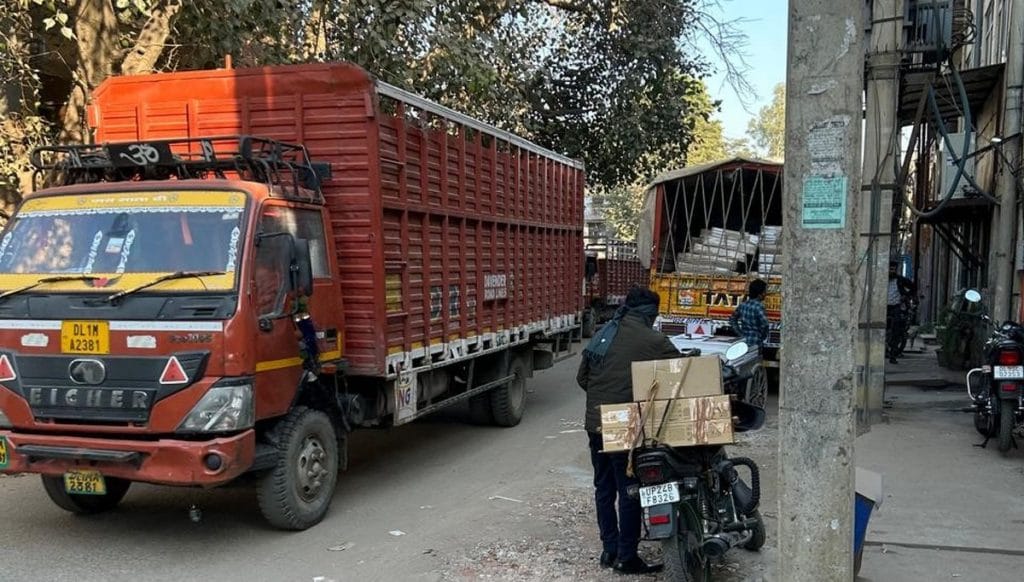
Encroachment has become so severe in industrial areas, he added, that goods vehicles can barely move through the lanes.
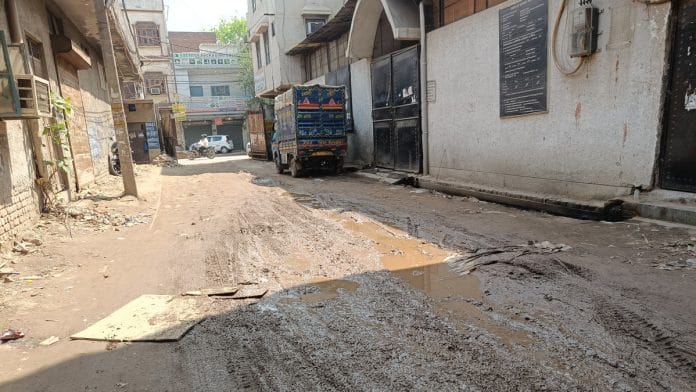
Through the 1990s, factories bore the stigma of ‘polluting industries’ and were shifted to dedicated industrial zones, often on the city’s edges. These zones were envisioned as hubs of economic activity, but today they wear a tired look: roads pockmarked with potholes, drains choked with waste, and erratic power supply.
The sector is caught between a rock and a hard place. Factories struggle to meet pollution compliance norms without proper infrastructure, and the infrastructure never comes. Manufacturing’s share of the city’s economy has fallen, and employment numbers have dwindled. The 2025-26 Delhi Economic Survey itself attributes this to large-scale employers moving elsewhere due to “stricter pollution norms”.
The Rekha Gupta-led BJP government has promised to upgrade industrial areas and tackle pollution, but similar promises were heard during the tenures of Sheila Dikshit and Arvind Kejriwal. In the last 15 years, two industrial policies have been framed and countless discussions held. Yet, the city’s industrial backbone continues to wait for the most fundamental fixes.
For many industrialists, the contradiction is galling. They are being asked to modernise and clean up, then left to their own devices.
Also Read: Sheila Dikshit to Kejriwal, every CM pledged to fix Old Delhi. Now BJP wants NDMC-like teeth
‘No effective action…’
Delhi’s industries are big on ambition but weighed down by everyday realities. This tension is visible in Naraina Industrial Area.
Home to about 1,200 small and mid-sized factories — light engineering workshops, garment units, electronics fabricators, packaging material makers, among others — it employs around 50,000 workers directly and indirectly, according to the NIA. Some have large boards announcing their presence; others, only small, faded signages.
What they all have in common is that they are surrounded by choked drains, uncollected garbage, cratered roads, and tangles of overhead wires.
On its website, the NIA has an entire section dedicated to ‘Letters to Departments’. In March alone, it wrote nine separate letters to authorities, from the Chief Minister and Lieutenant Governor to the Municipal Corporation of Delhi (MCD) and the Delhi State Industrial and Infrastructure Development Corporation (DSIIDC). Each letter sought help with collapsing civic infrastructure: desilting stormwater drains, clearing garbage, and action against encroachment.
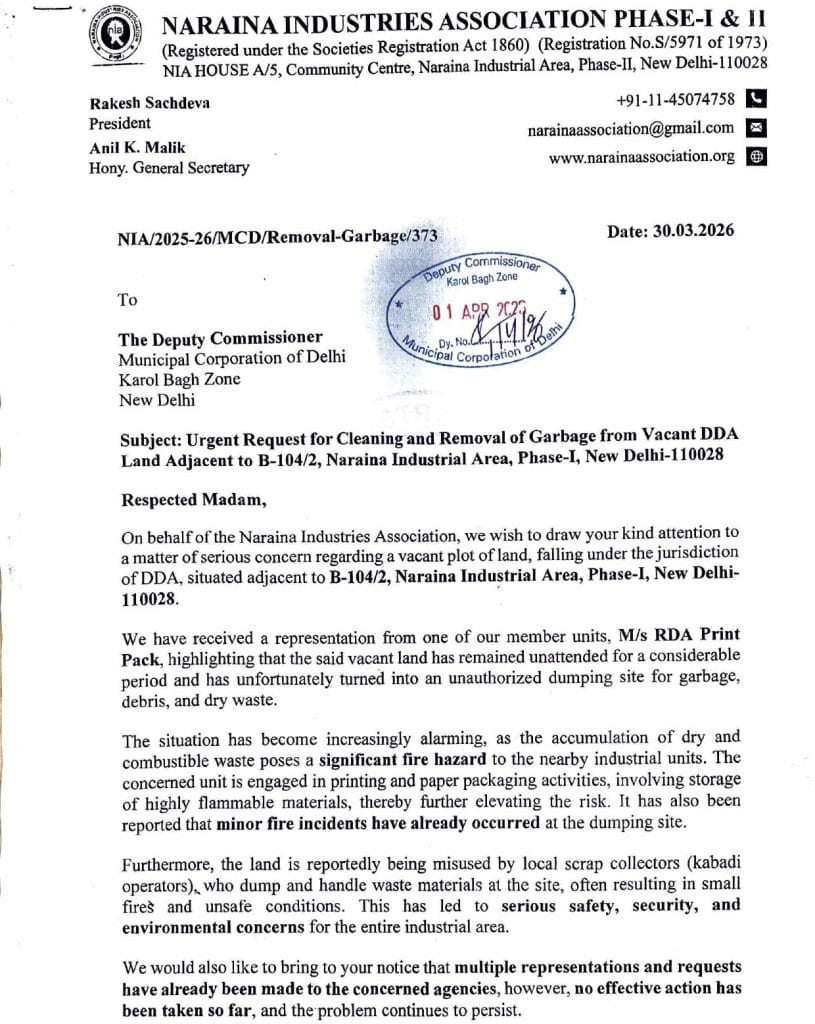
In a 30 March letter to the MCD deputy commissioner, the association flagged a vacant Delhi Development Authority plot in Naraina Phase I that had turned into an unauthorised dumping site for garbage and dry waste, right next to a printing and paper packaging unit storing flammable materials. The situation had become “increasingly alarming” and posed a fire hazard to nearby units, the letter said. A few minor fires, it added, had already broken out.
“Multiple representations and requests have already been made to the concerned agencies, however, no effective action has been taken so far,” the letter added.
A vicious cycle
By some accounts, the city’s industrial woes go back to the Master Plan approved in 1990. Land had been set aside for industrial use, but much of it was never developed. As a result, industries came up across residential and mixed-use areas without supporting infrastructure.
A major turning point came in the 1990s, when a series of Supreme Court orders in the MC Mehta vs Union of India case forced polluting and non-conforming units out of residential areas. In 1996 alone, more than 1,300 industries were ordered to shut down or relocate. But the shift was anything but smooth. Plots were allotted, but many units did not move because the new industrial areas lacked basic infrastructure. Others moved after years of delay.
“Delhi’s Master Plan estimated quite accurately that there would be about 100,000 industrial units by 2001 and provided for well over 2000 hectares of planned industrial space for them. Most of Delhi’s industrial units are functioning in illegal and problematic ways only because nearly none of this space has been developed,” wrote planner Gita Dewan Verma in 2002.
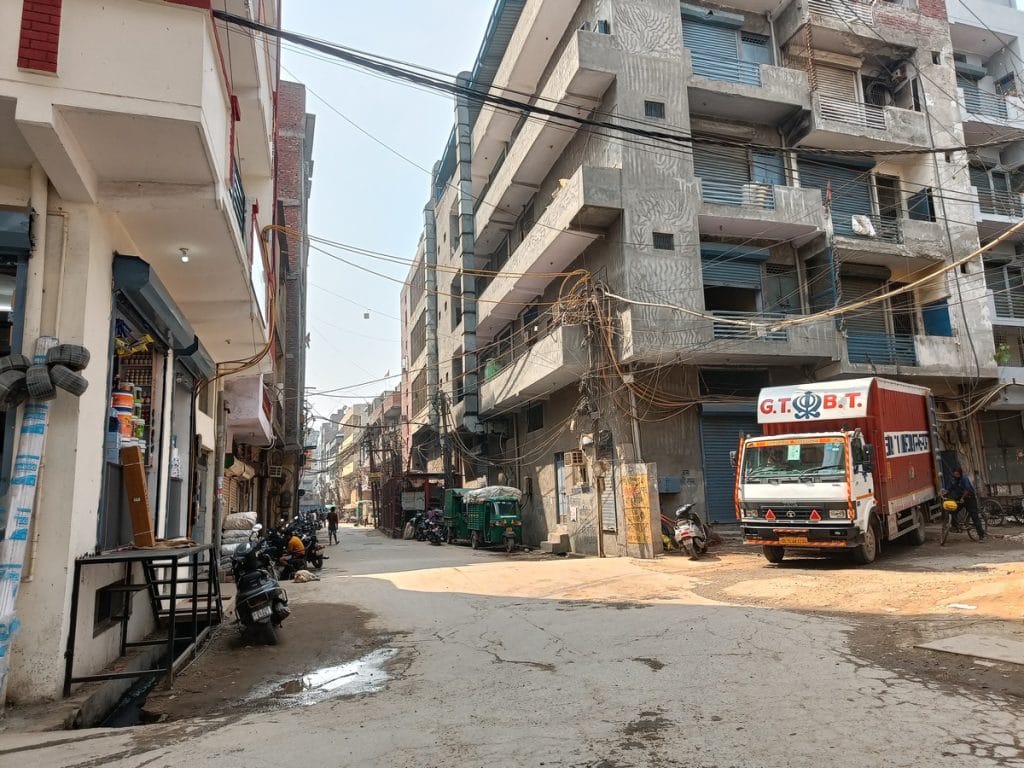
That planning failure has produced a vicious cycle. Many industrial areas were never given proper drainage, paved roads, or effluent treatment systems. Without these, factories struggle to meet pollution norms. And that makes them fair game for crackdowns.
“The industrial areas of Delhi NCR are working under severe space and infrastructure constraints, making adoption of common environmental facilities difficult to implement,” said Shobhit Srivastava, programme manager, Industrial Pollution, at the Centre for Science and Environment (CSE).
This stagnation is outlined in the Delhi Economic Survey 2025-26. Manufacturing output in Delhi has grown over the years, but its share in the city’s economy has shrunk, shows data from the report.
In absolute terms, Gross State Value Added (GSVA) from manufacturing rose from Rs 45,930 crore in 2024-25 to Rs 50,144 crore in 2025-26. However, its contribution to GSVA fell from 6.24 per cent in 2011-12 to 4.19 per cent in 2025-26.
In today’s Delhi, industry isn’t just fighting market forces. It is fighting its surroundings. Units are shifting to Noida and Gurugram. Power is cheaper there, wages are lower, and systems work better
-Rakesh Sachdeva, president of the Naraina Industries Association
While the number of working factories rose from 8,219 in 2011 to 8,869 in 2024, employment has gone down. Between the 5th and 6th Economic Census, total employment across establishments, including factories, shops, and other units, fell from 35,56,387 to 30,19,781.
“It is mainly because of establishments with large scale employment has shifted from Delhi to other neighboring areas/ states due to various reasons including stricter pollution norms,” the survey report reads.
Delhi’s industries contribute roughly 10 per cent to the city’s pollution load. In 2023, authorities enforced a blanket ban on coal use across Delhi-NCR, pushing industries towards cleaner alternatives. But the transition has been uneven.
“Monitoring is the real challenge. Illegal and polluting units continue to operate in pockets, slipping through the cracks of enforcement. At the same time, everyday realities such as broken, dust-laden roads inside industrial areas add significantly to pollution levels,” said Srivastava.
Now, the Rekha Gupta-led BJP government says it is prioritising industrial areas. The 2026-27 budget has allocated Rs 160 crore for infrastructure improvements, including in non-conforming areas, for the first time.
“The redevelopment of Delhi’s industrial areas is being designed to not only improve basic infrastructure but also drastically reduce dust pollution through smart and science-backed interventions,” said industry minister Manjinder Singh Sirsa last November after a review meeting with senior DSIIDC officials.
The long decline
For Rakesh Sachdeva, the decline is personal. A second-generation industrialist, he has watched Naraina devolve from a promising hub into a shambolic sprawl. His family’s business, Relief Kitchen Systems Private Limited, is part of a cluster that once symbolised Delhi’s manufacturing strength.
Back in 1969, when production began here, the area had been carefully planned by the DDA.
“Until about 1990, infrastructure was not the problem,” he recalled. Then liberalisation came and industry expanded. Many more units came up, and with them, more workers.
“The load increased, but the system didn’t keep up,” said Sachdeva.
The share of the secondary sector — manufacturing, construction and allied industries — in state income rose from 25 per cent in 1982 to nearly 80 per cent in 1999-2000, according to the Industrial Policy for Delhi 2010-2021, released by the Sheila Dikshit government.
“Post 2000, however, the trend reversed, with the share of secondary sector diminishing to 20% and tertiary sector taking over, with a share of 80%,” the document noted.
The decade also coincided with a rising civic aspiration in Delhi to become a clean capital. The presence of what they regarded as dirty factories didn’t sit well with this middle-class sensibility, rooted in an older generation of government sector employees and a younger one working in clean service-sector IT jobs in Gurugram and Noida. Industrial areas got slowly stigmatised and eventually neglected.
There is no control of the industry department on industrial areas. We don’t have a scope of expansion in Delhi. We are just surviving
-Anil Gupta, chairman of Friends Colony Industrial Area Association
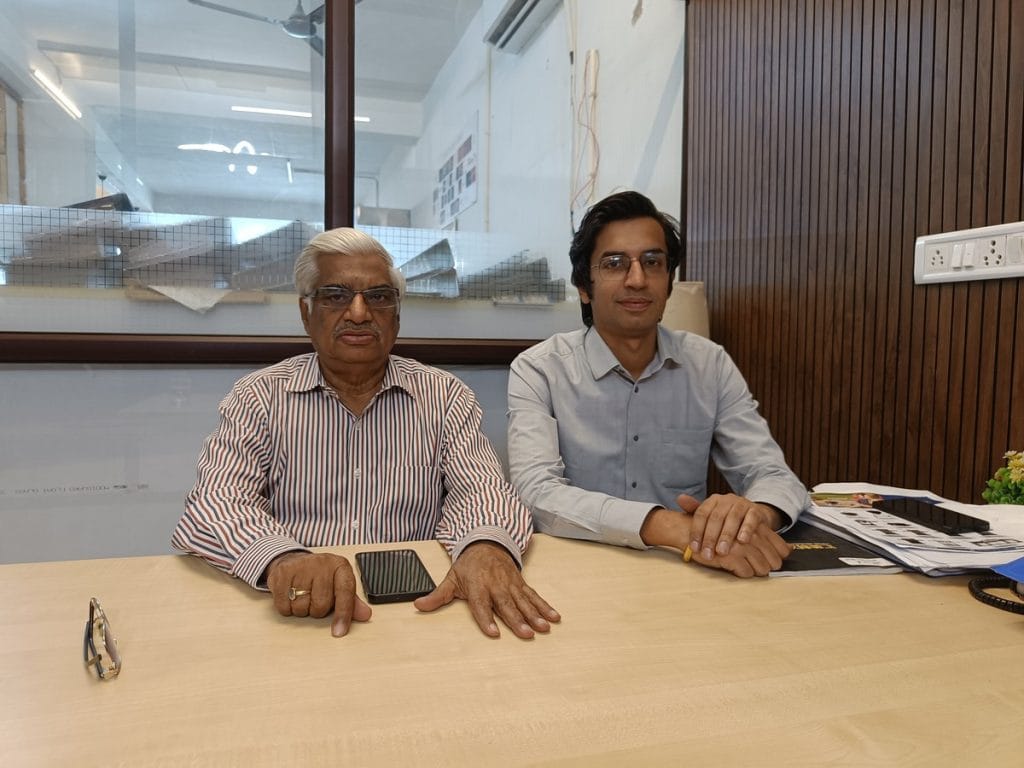
“Delhi is no longer the economic hub,” said Anil Gupta, a Delhi-based industrialist and chairman of the Jhilmil and Friends Colony Industrial Area Association. “After 2000, there has been rapid change in the city with the expansion of the service sector. As the city grew, there was no scope for expansion of industries, resulting in a shift to neighbouring areas such as Manesar in Gurugram.”
The cracks have only widened since. Longstanding headaches like power shortages and logistics bottlenecks are now layered with rising compliance costs and some of the highest electricity tariffs in the region. For the MSMEs that form Delhi’s industrial base, this has become a tipping point.
“Delhi is no longer conducive for industry,” said Sachdeva. “Units are shifting to Noida and Gurugram. Power is cheaper there, wages are lower, and systems work better,” he said.
In yet another letter to CM Gupta, Sachdeva pleaded for the rationalisation of electricity rates.
“The prevailing electricity rates are considerably high, placing a financial burden on industries, particularly MSMEs. Rationalisation of tariffs is essential to improve viability and competitiveness,” reads the letter.
For Sachdeva, Naraina’s survival in the face of all these odds is a sign of remarkable resilience.
“In today’s Delhi, industry isn’t just fighting market forces. It is fighting its surroundings,” he said.
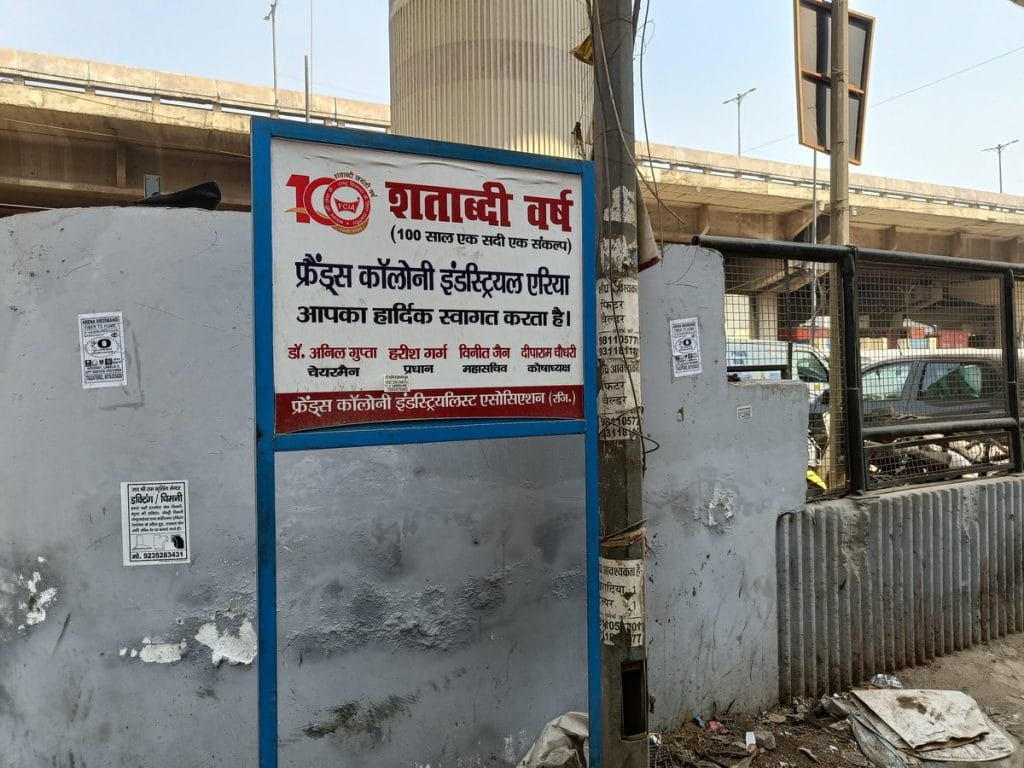
It’s a similar story at the Friends Colony Industrial Area, which completed its centenary last year. In a narrow, garbage-strewn street, a ceremonial board remains from the celebration last December: Shatabadi varsh: 100 saal ek sadi ka sankalp (Centenary Year: 100 years, a century’s resolution). CM Gupta attended the event, promising to remove procedural hurdles.
“Industries should not waste time running from office to office. Our effort is to make approvals faster, transparent and predictable,” she said at the event.
Anil Gupta was less optimistic. The Friends Colony Industrial Area is struggling for the basics.
“There is no control of the industry department on industrial areas. We don’t have a scope of expansion in Delhi. We are just surviving,” he said.
Jurisdictional jumble
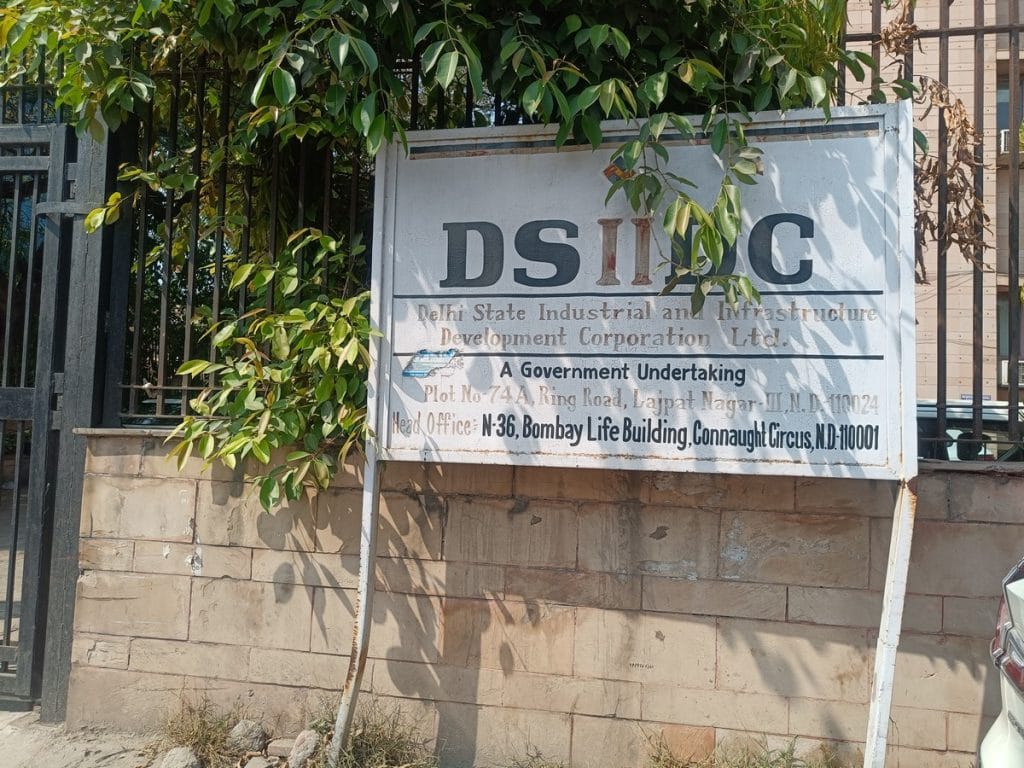
Delhi’s industrial areas are governed by multiple agencies — DDA, DSIIDC, DPCC, MCD, the Industries Department. This causes more complications for industrialists.
In 2010, the Sheila Dikshit government tried to fix this. A new law, the DIDOM (Delhi Industrial Development, Operation And Maintenance) Act, was enacted to transfer management of industrial areas to DSIIDC. An industrial policy was also framed — the first in 28 years.
“The industrialists across the city came to us with their concerns, from infrastructure to lack of focused policy. Industry was on the verge of collapse,” said Haroon Yusuf, former Delhi industry minister. “We brought an industrial policy after many decades and also made an Act for unified management of industries.”
DSIIDC has a huge deficit of revenue. At the policy level, there is a need to declare a single agency for running all the industrial areas
-DSIIDC official
Yusuf said the condition of industrial areas such as Narela and Bawana were “pathetic” and efforts were made to engineer a turnaround.
“We did a lot of work in our tenure for industries, but our successor governments, AAP and BJP, are unable to take our work forward,” he added.
After the Act, responsibility for the maintenance and upgradation of 24 industrial areas was transferred to DSIIDC. But lease administration in only 12 of them moved to the agency. The authority to collect revenue and levy penalties remained vested with the DDA or MCD.
This created a lopsided arrangement. In these 12 industrial areas, DSIIDC is responsible for maintaining services but not entitled to any revenue.
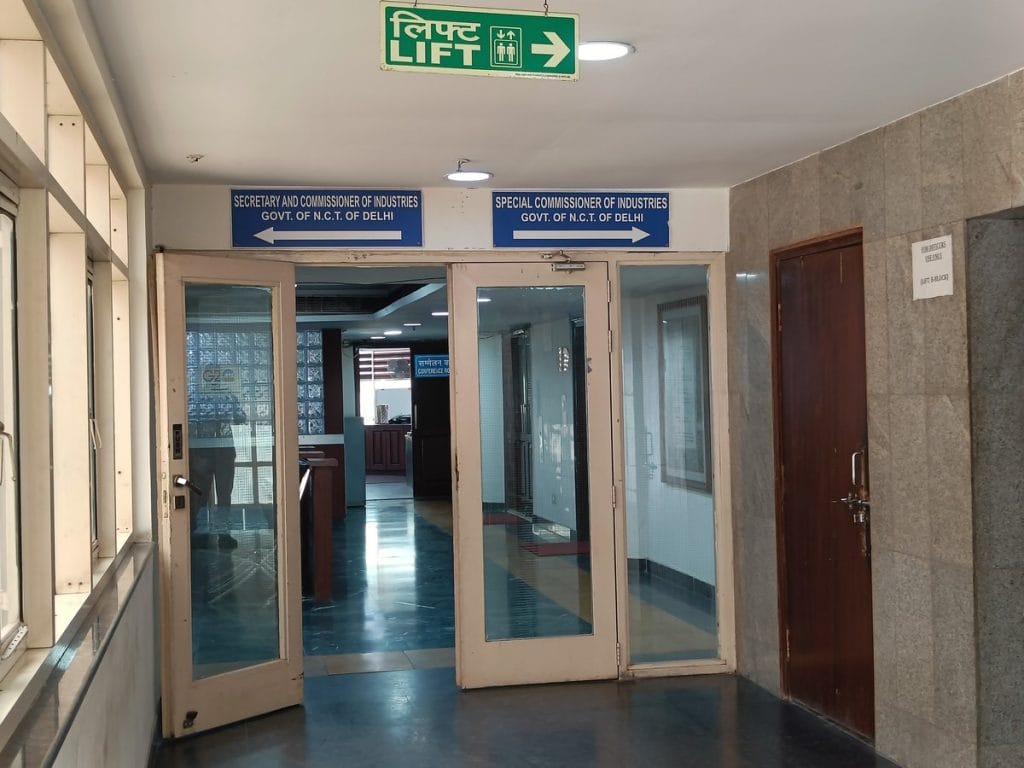
“DSIIDC has a huge deficit of revenue. At the policy level, there is a need to declare a single agency for running all the industrial areas,” said a DSIIDC official who handles operations in many industrial areas. The official added that representatives of industrial areas often approach the agency over encroachment and water supply, even though such issues are not in the hands of the DSIIDC.
Over 15 years ago, the 2010 Industrial Policy noted the “problem of multiplicity of organisation” and called for solutions such as less institutional overlap and single-window clearances, but much of this has stayed on paper. The latest policy, released in 2025, also flags “multiple agency approvals” as a problem area, with similar remedial measures proposed.
Last October, the Delhi High Court summoned the chief secretary and other senior officials over the appalling condition of industrial areas.
“Reports after reports, committee after committee — all on paper. Imagine 27 industrial areas working without sewage lines. The court, with all its power, is feeling helpless. There is no clarity as to which agency is responsible for the redevelopment of these 27 areas,” the bench said.
Ashok Gupta, an industrialist based in Udyog Nagar, said multiple agencies have the right to monitor his operations, but none takes responsibility for the upkeep of the area, home to around 600 units manufacturing steel, machinery, chemicals, rubber products, and other goods.
“We are made to feel ashamed about running a small-scale industry. There is no proper channel to communicate. Multiple authorities have the right to monitor us,” he said.
Gupta added that the MCD collects property tax without fail but spends nothing on infrastructure in the area. Every monsoon, waterlogging is common and units rely on pumping sets to remove the water so work can continue.
“This is the level of pathetic situation in which we are working. The new generation are not keen to join us,” he said.
Even as older industrial clusters struggle with this fragmented system, the Delhi government says a different model is planned for the future. Three new greenfield industrial hubs are being planned at Baprola, Ranikhera, and Kanjhawala, all near the Delhi-Haryana border.
“These three new industrial hubs will be different from traditional clusters, and will have a focus on IT, AI and biotechnology. These areas are designed as non-polluting and sustainable hubs,” the DSIIDC official said.
The latest Delhi Industrial Policy (2025-2035) envisions mixed land use and a public-private partnership model for these projects, pointing out that they are particularly urgent because of the “dilapidated infrastructure in the existing industrial areas”.
Shouting into a void
One of the reasons for this systemic neglect is a lack of representation. The footprint of high-profile business bodies like the Confederation of Indian Industry (CII) is small in Delhi’s industrial backlanes. Only a few large clusters, such as Okhla and Naraina, fall under CII’s ambit.
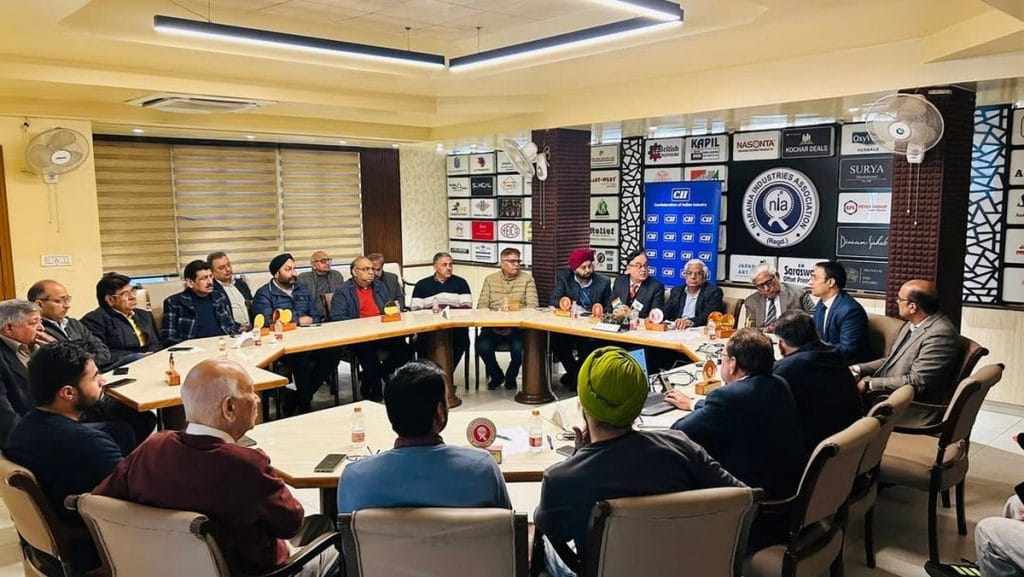
In January, CII Delhi held a CEO Industry Roadshow at the Naraina Industries Association, where more than 35 association members took part in discussions. But for most others, there is no such weighty platform. Individual associations write letters and file complaints, but they do so in isolation and the response is usually silence.
The closest thing to a collective voice is the Apex Chamber of Commerce and Industry, founded in 2006. It represents more than 65 industrial area associations and thousands of MSMEs across Delhi. Sachdeva, a founder member, said the body coordinates legal strategy when associations decide to take government agencies to court. One case, for instance, involved a dispute with the South Delhi Municipal Corporation over property tax assessments and conversion charges imposed on industrial units.
In November, the body wrote to MSME minister Jitan Ram Manjhi and finance minister Nirmala Sitharaman with suggestions to improve the grievance redressal process for MSME payment defaulters, including a proposal for a state-level review committee to take up cases pending beyond 90 days.
But it is often akin to shouting into a void.
“We are not a vote bank for the government. That’s why they are delaying our demands,” Sachdeva said.
Pollution crackdown
On one hand, industries in Delhi are grappling with an infrastructure crisis. On the other, the government’s stringent policies on pollution are breaking their backs.
In the second week of March, a team from the Delhi Pollution Control Committee (DPCC) arrived unannounced at the Hyderpur Redevelopment Area in North-West Delhi. They found several jeans dyeing and washing units operating without approvals and in violation of environmental norms. Closure notices were issued to 93 units.
“We have intensified inspection drives and in several industrial areas our team found illegal units causing air and water pollution,” said a member of the DPCC team.
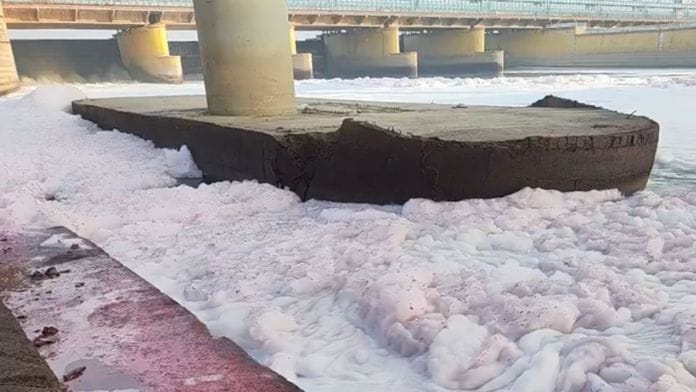
The crackdown began in December last year, when DPCC ordered the closure of 411 industrial units found operating without mandatory consent.
“Units found violating pollution norms or operating without taking permission will face strict and immediate action without further notice,” announced industry minister Sirsa in March.
But most units have not actually shut down. They are fined and continue to operate. Factory-owners say they are small enterprises, stretched thin by compliance demands from multiple agencies, with little time or money left to meet every norm.
However, there is no excuse for flouting norms, according to Anil Gupta who, apart from being chairman of the Friends Colony Industrial Area, is a member of the Delhi Pollution Control Committee (DPCC).
“Strict action will be taken against them,” he insisted.
For years, we have been working in a polluting environment. The work we do, it isn’t possible to do it without creating pollution
-factory supervisor at Friends Colony
Yet even at the Friends Colony Industrial Area, it’s evident that many basic standards are not being met. Many of the factories here produce PVC cables, the process for which involves heavy chemical treatments. Facilities to mitigate the resulting pollution are nearly non-existent.
Of the 808 units in the area, only 11 have working Effluent Treatment Plants (ETPs). Among Delhi’s 28 approved industrial areas, only 17 are even connected to Common Effluent Treatment Plants (CETPs), said industry department officials.
“For years, we have been working in a polluting environment,” admitted a factory supervisor at Friends Colony. “The work we do, it isn’t possible to do it without creating pollution.”
This isn’t the first time Delhi has tried to get tough on industrial pollution with unimpressive results.
The relocation scheme launched after the 1996 Supreme Court directives took nearly a decade to implement, with the Sheila Dikshit government going back to the apex court in 1999 to seek more time. The scheme officially closed in 2016 with over 27,000 plots allotted. But in 2023, then LG VK Saxena expressed dismay that even after 26 years, the scheme was found “almost totally un-operational”, with areas such as Bawana and Bhorgarh being devoid of sewer lines and transport facilities.
All-encompassing pollution diktats are hard to enforce. The CAQM banned coal and other unapproved fuels for industries across Delhi-NCR in January 2023, but compliance is another matter. In just one fortnight between 20 January and 4 February 2026, CAQM flying squads found 229 industrial violations across NCR. Meanwhile, the Supreme Court has directed the Centre to draw up a plan for shifting all coal-based industries out of Delhi-NCR and sought responses from the respective states.
Capitals that cleaned up
Delhi is not the only capital to have struggled with the industrial development vs pollution dilemma. Others have faced similar problems — and dealt with them.
London’s air quality crisis reached its nadir in 1952, when the Great Smog killed thousands and propelled Britain to pass the Clean Air Act in 1956. The city has kept tightening its grip on emissions, including through the Low Emission Zone launched in 2008.
Beijing’s smog was so bad in 2013 that residents called it the “airpocalypse”, but since then, its sustained coal-to-gas policy and ultra-low emission standards made a measurable difference. So much so that a Chinese diplomat offered to share their secret for “blue skies” with India a few months ago.
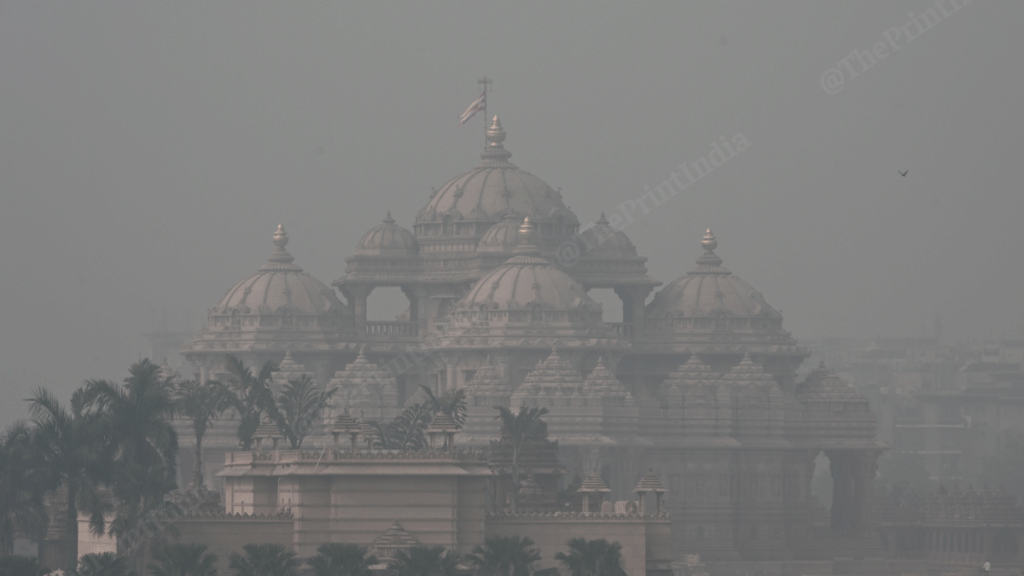
“In foreign countries, their implementation is strong while executing policy in India is lacking,” said Srivastava.
What London and Beijing both also had was concerted public pressure; and even if protests were often crushed in China, there was political will.
As for the people living in or near Delhi’s industrial clusters, pollution is just something they put up with. They have no RWAs to campaign for clean air, nor do they have high expectations from the government.
“Pollution has become a part of our life,” said 29-year-old Rakesh Kumar, who grew up and lives near Friends Colony Industrial Area. “A few metres from my house, there are many polluting units. They are working without fear of government agencies.”
Also Read: Faridabad is the neglected, poor cousin in Delhi-NCR no one talks about
Battle to revive industries
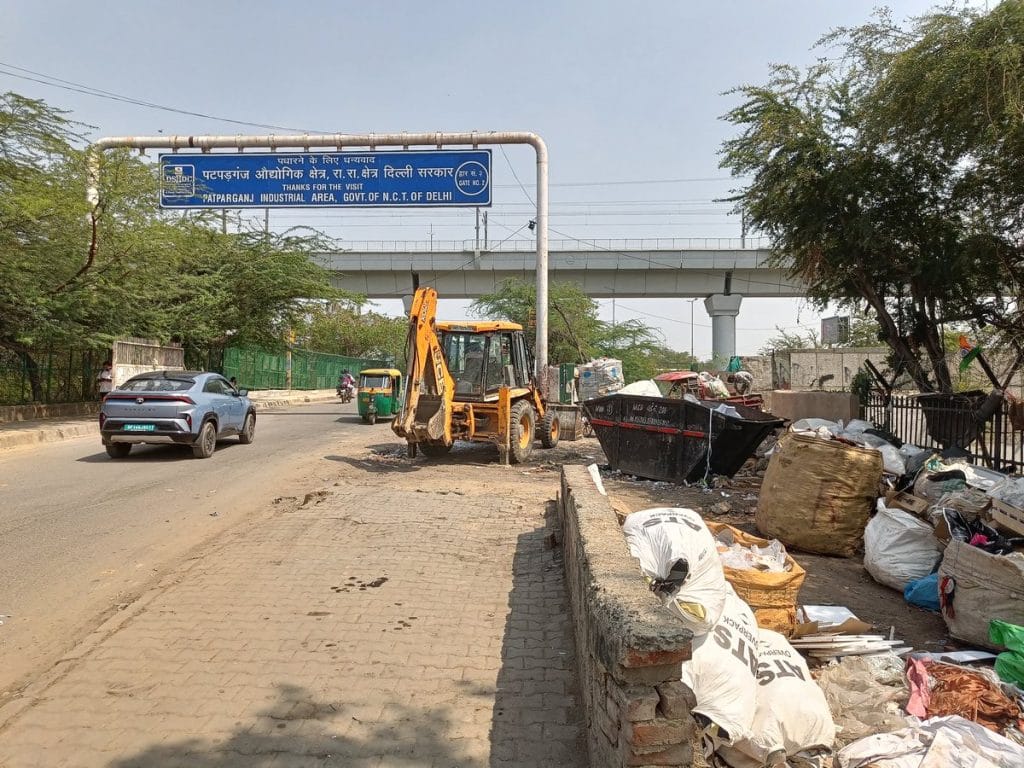
The battle to save Delhi’s industries is being waged not only in government offices, but also in courts. Man Mohan Mehra, 75, has been at it for more than a decade. An industrialist based in Patparganj Industrial Area, he shut his garment unit in 2010 and rented the space to a car showroom. When the MCD demanded conversion charges for the change in land use, Mehra refused to pay.
In 2012, he filed a case in the Delhi High Court, arguing that multiple car showrooms — Kia, Mahindra, MG — were operating from plots in the industrial area, which has around 600 units. The Apex Chamber of Commerce and Industry is a party in this matter as well.
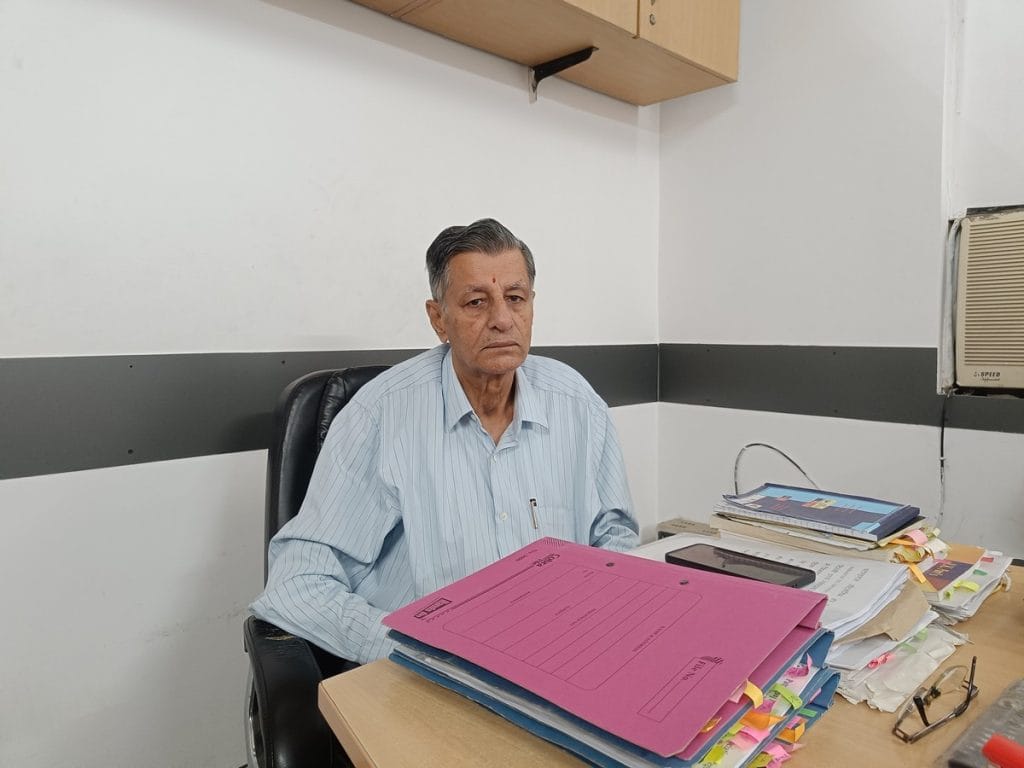
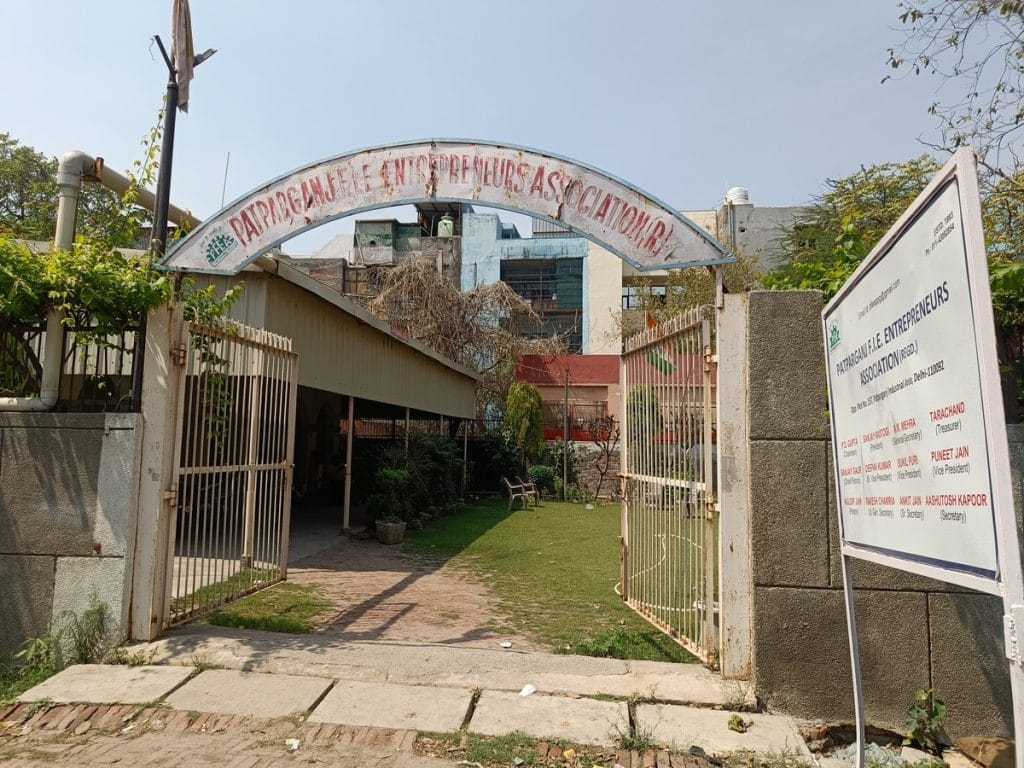
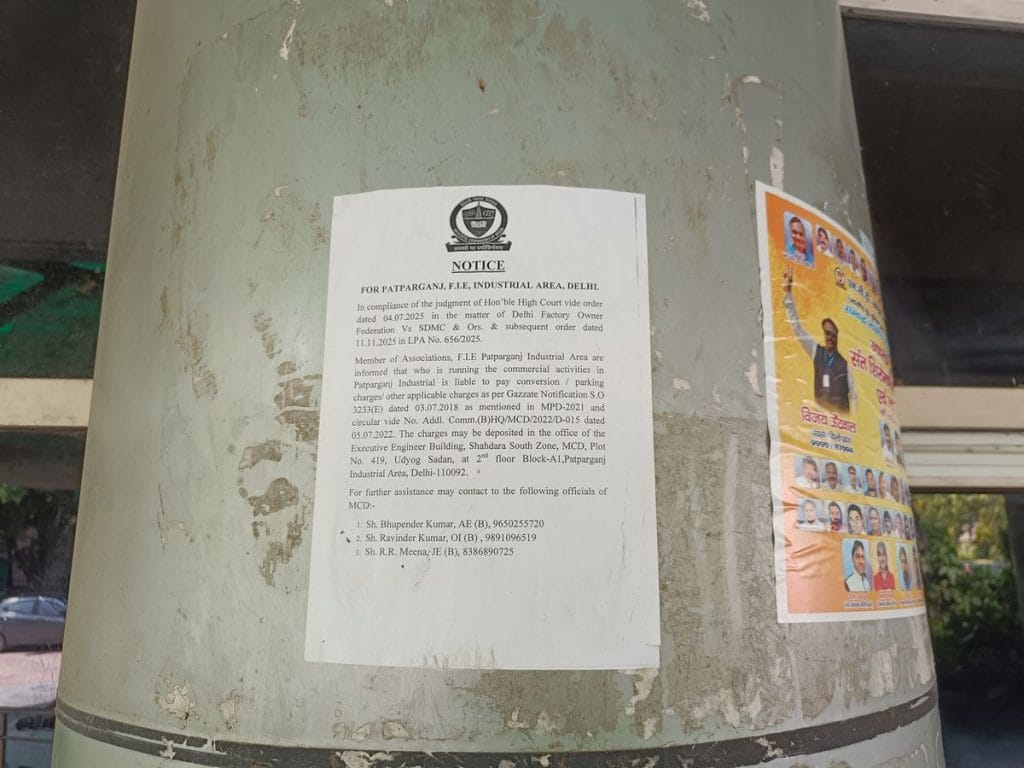
MCD officials have written repeatedly to Mehra, who is general secretary of the Patparganj Industrial Association, directing him to deposit the conversion charges. A notice has even been pasted on the wall of Udyog Sadan in Patparganj: “Who is running the commercial activities in Patparganj Industrial area is liable to pay conversion/parking charges.”
But Mehra has no intention of budging.
“The matter is still sub judice and we are not going to pay the charges,” he said firmly at the association office with his desk piled high with court orders and government notices.
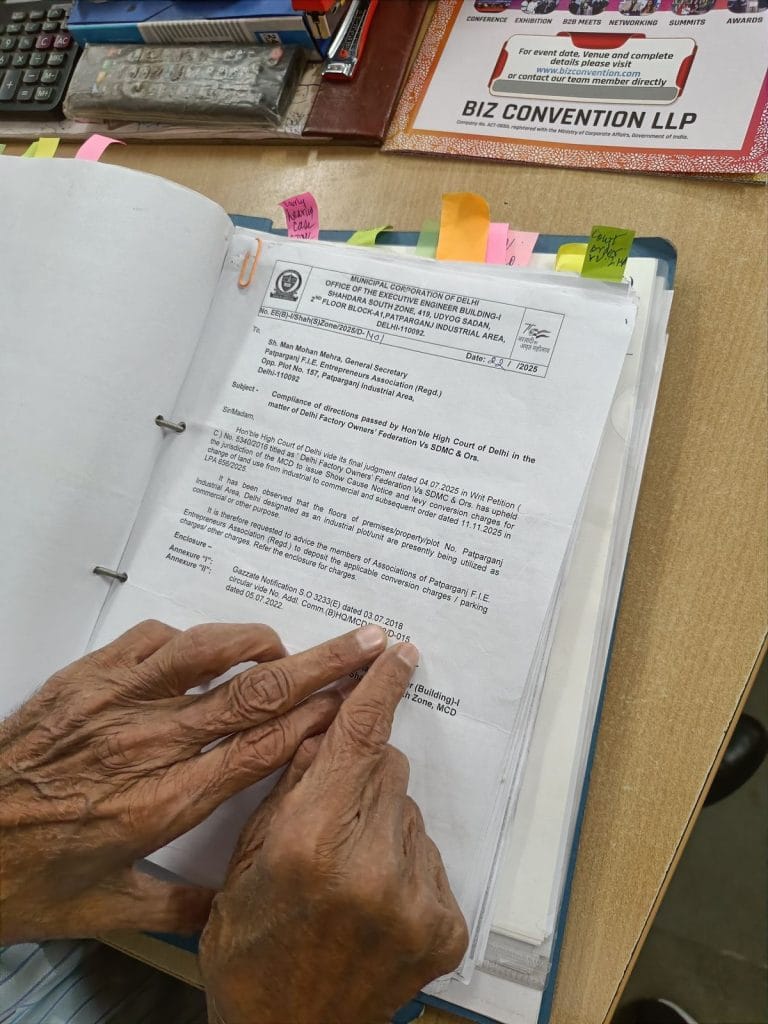
MCD collects crores in property tax from the industrial area every year while offering little in return, he said. Patparganj Industrial Area, set up in 1990, still lacks basics such as potable water supply.
“Pillar to post we are only suffering. We approached ministers, officials but no one resolved our matter,” Mehra added.
He recalled that after a meeting with the Delhi chief secretary, Rs 17 crore was released to the Delhi Jal Board through DSIIDC for laying a pipeline. It was set up in 2018, but it doesn’t work. Eight years on, industries are still dependent on bottled water.
“We are like an orphaned child. No one is available to stop our crying. We are left to live in a pathetic state,” said Mehra.
(Edited by Asavari Singh)