








New Delhi: In 2023, 52-year-old Deepa Chauhan appeared for her MasterChef India audition and bowled the judges over with a Sindhi Kadhi served with crispy aloo tuk, lotus stem and homemade boondi. The ripples were felt across India’s culinary space. Her selection became the turning point for the visibility of Sindhi cuisine all over India, in family WhatsApp groups and even across the border in Pakistan, where the video went viral.
“It took 75 years for mainstream media to acknowledge Sindhi food. We were part of the national anthem, but our food was nowhere to be found,” said Chauhan.
A quiet renaissance of Sindhi food is underway. Restaurateurs, authors and chefs are now sharing recipes and life stories they had left behind during Partition on social media, television, food pop-ups and in books. A small but growing and dedicated army of Sindhi influencers, authors and chefs is excavating and chronicling what the Partition generation slowly disremembered.
Sindhi food like seyun patata (a combination of vermicelli and potato), bhee patata (lotus stem with potato), sai bhaji (a concoction of winter greens), and koki (a kind of flatbread), as well as desserts like gheeyar, are now the hottest must-try recipes online.
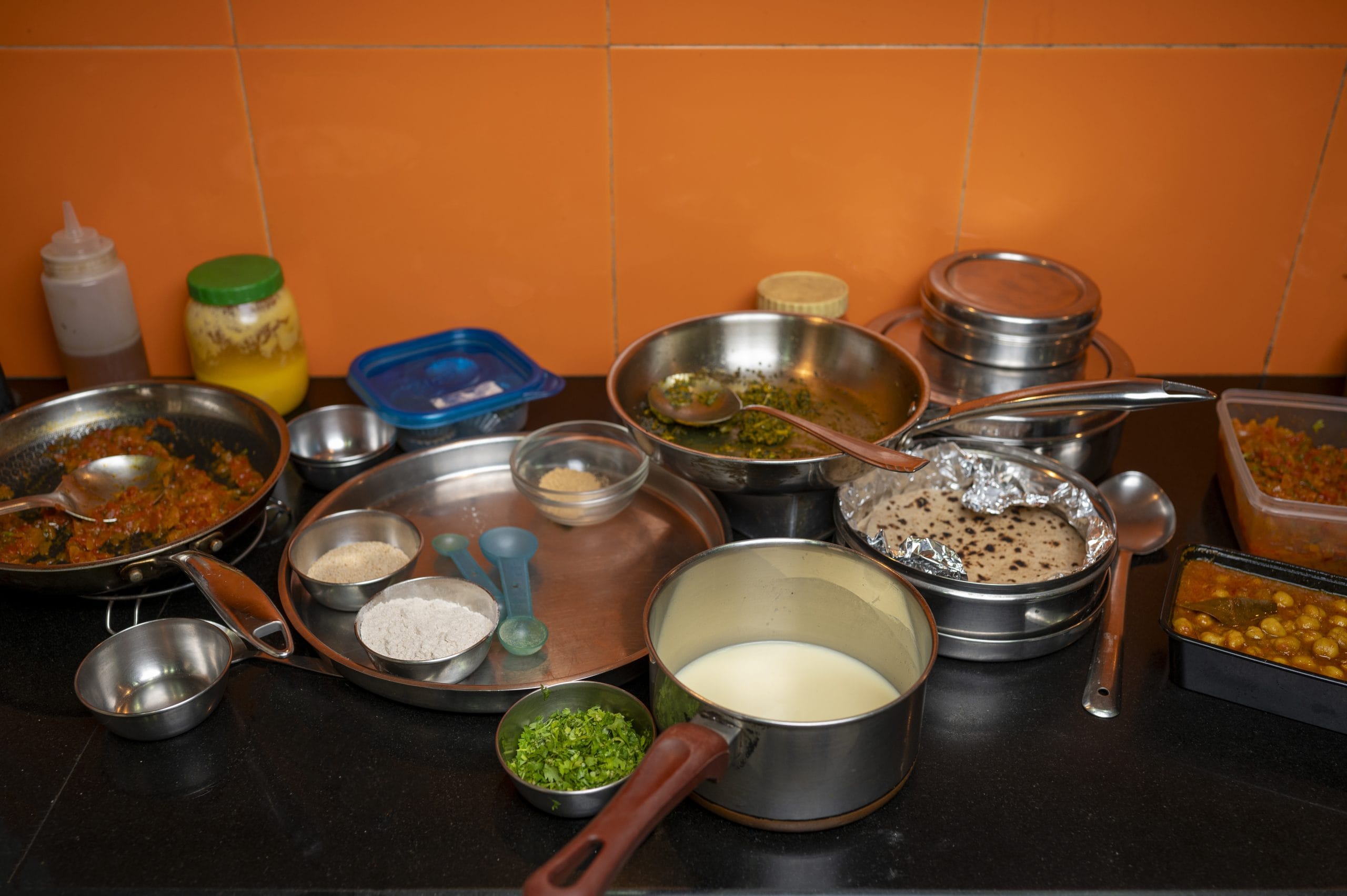
“There is a resurgence of Sindhi identity. Earlier, even books did not mention Sindh when talking of Partition. Sindhis lost their land, culture, history and art. Food is the only thing that remains,” said Saaz Aggarwal, author of books like Sindh: Stories from a Vanished Homeland (2012) and Sindhi Tapestry: An Anthology of Reflections on the Sindhi Identity (2021).
Food carries in it the hidden family and oral histories of the community that are not found in the most meticulously researched Partition books, like Shattered Lands by William Dalrymple or canonical texts like Freedom At Midnight, written by Dominique Lapierre and Larry Collins.
But as the years passed, a sense of urgency set in. The persistent concern among many Sindhis was that with the language being spoken less and less, and with almost no access to their land, history or even the alphabet, the food might also disappear, if not documented. Those who migrated across borders are already in the sunset of their lives, and the younger generation does not prefer Sindhi food.
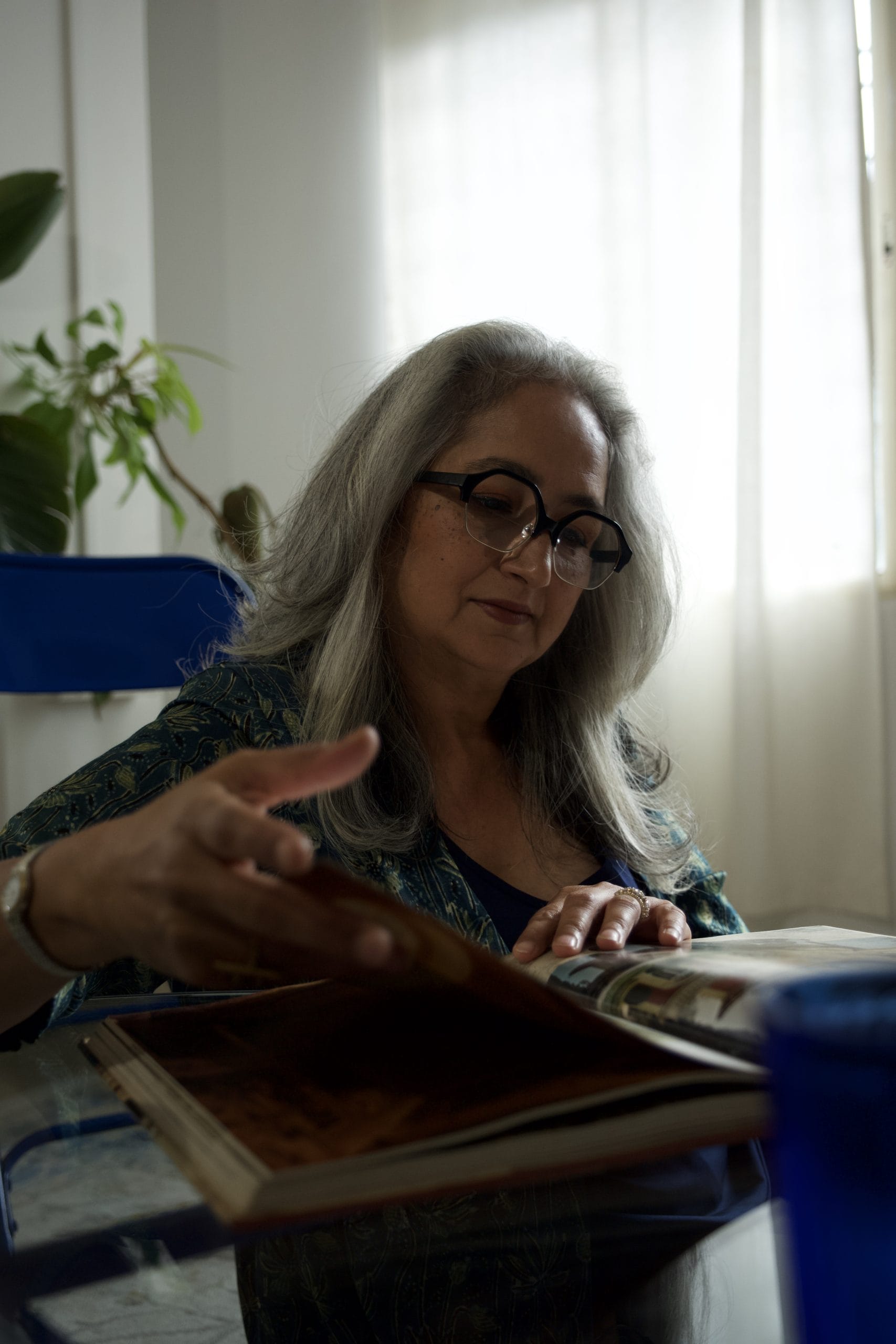
Social media triumph of Sindhi food
Harishita Lalwani, a food writer, started researching her Sindhi roots and the cuisine while she was a student in London. After attending a food writing workshop, she started writing essays on Sindhi food. Lalwani even presented a paper on varieties of rice found in Sindh, which was the runner-up at the Indian Culinary Agenda’s Food Writing Prize 2024.
Content creator Pooja Bajaj started sharing recipes of her family’s version of Sindhi dishes on Instagram a year ago.
“I loved junk food when I was young, but always missed the comfort of my mom’s meals. I started learning them on call with mom and used to take them to work. My coworkers always asked for recipes, so one day I thought why not just record them?” said Bajaj.
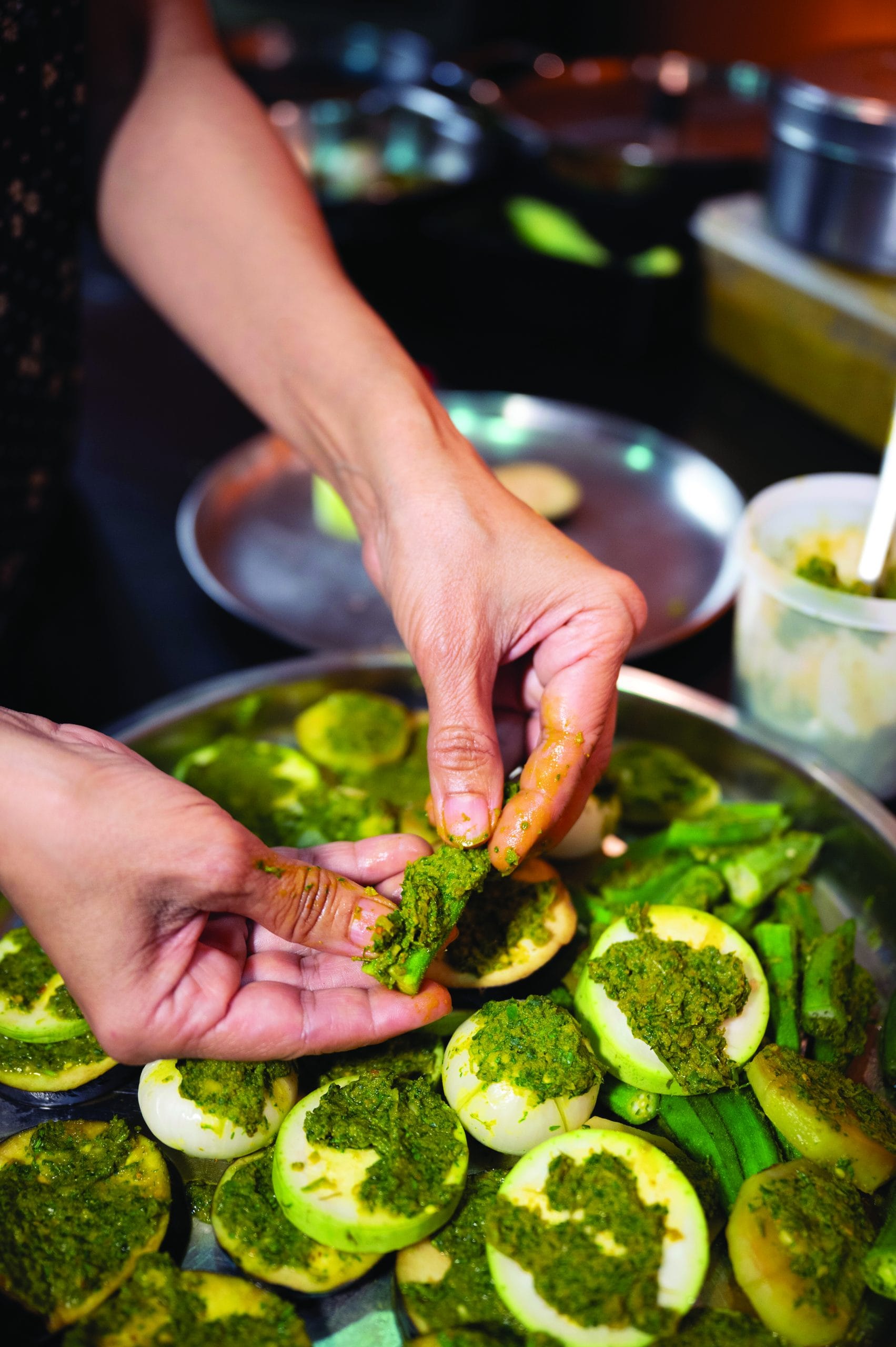
The two bloggers had different journeys, but they both began by exploring the food from their kitchen and moving on to the wider history of Sindhi food.
It wasn’t an isolated case. Across the seas, around the same time, many others were also rediscovering their food routes and roots. Social media and blogs only made it cooler and easier.
For food blogger Renu Sevani, who was documenting vegetarian recipes on her YouTube and Instagram page, Relicious by Renu, sharing Sindhi recipes was both driven by Meta metrics and a desire to make Sindhi dishes ‘cool’ for her Gen Z son.
“At a Meta workshop I attended after Covid-19, we were told that more people are looking up regional recipes. That’s when I thought, I too could share the food made in my home,” said Sevani, whose Instagram page has more than 3 lakh followers. She even started a separate page, @dawat_e_sindh_by_renu, to post only Sindhi recipes. It has almost 30,000 followers.
Some of her popular Sindhi recipes include gheeyar, made of fermented batter, deep-fried and then dipped in a saffron sugar syrup, and gula kachri, a kind of fryum or papad made of atta, which needs precise measurements to be the right degree of crispy when fried.
Lalwani, who has a newsletter on Sindhi food culture, said a trip to a Persian cafe called Persepolis reignited memories of Sindhi confectioneries. Persian culture has had a strong influence on Sindhi cuisine.
“Sindhis love their greens, and when winters come, we have a bit of pep in our step, because it is the time for methi, green garlic and palak. Green garlic is put in the flatbread dodo made with bajra, then there’s sai bhaji–a dish made with a variety of greens from dill to spinach and sorrel. Pallo fish is also cooked in a herby green marinade. This affinity towards greens comes from the Persian influence,” said Lalwani.

Kuneh Ja Bhee ( lotus stem chaat), a recipe from Sapna Ajwani’s cookbook. | Ming Tang-Evans
Another catalyst for the popularity of Sindhi food is celebrities sharing their favourite food in interviews. In one episode of Farah Khan’s popular YouTube vlog, Ashish Chanchlani, a YouTuber, invited the director for a Sindhi meal. Chanchlani and his mother made koki.
The video has 5.1 million views.
Actor Sonam Kapoor, who is half-Sindhi, appeared on a talk show with Rajkummar Rao and talked about her memories of eating dishes like churan and seyal bread.
Also read: When Arabs tried attacking Sindh 6 times, a Brahmin family beat them miserably every time
Food of resilience
When Sindhis came to India, it was not uncommon to change their appearance, start learning Hindi and English, and even change surnames to fit into the new land. Caterers stopped cooking Sindhi food and started making the more popular Punjabi dishes. Except in larger Sindhi settlements, mostly in Central and West India like Kalyan, Ajmer and Mumbai, Sindhi food became restricted to the kitchens of Sindhi families.
Recipes were handed down orally from one generation to another. People slowly forgot how to read or write in the Sindhi script, and now very few can speak the language.
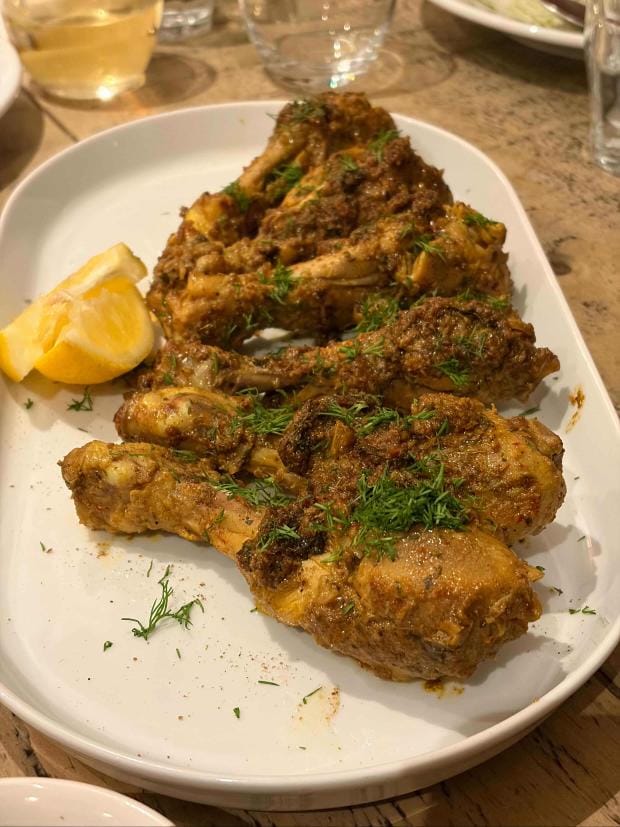
“We are often called ‘Pakistanis’ because our origin is from Sindh. People conveniently forget that it was all one nation, and once Partition took place, we chose India. So we are as Indian as it gets,” said Chauhan.
Sindhi food is food of resilience, born out of necessity. During the Partition, the Sindhis, like other refugees, left their homes overnight and travelled with jewellery and clothes. Rations were sparse, and they made do with leftovers. Seyal is one of the dishes that emerged from necessity. Stale bread, rice or rotis are cooked in a thin gravy of onion and tomato.
Sindhi women would sun-dry karela peels to fry later, and seasonal vegetables were preserved as kachris or fryums. The stereotype of Sindhis never going anywhere without their papad is true, but it is also a painful reminder of their hardships, as much as it is a beloved delicacy.
Also read: Sindhis have been missing in India’s Partition story. Now, they finally get an exhibition
Sindhi staples
Sindhi food was restricted to festivals and family gatherings and lost its everyday vocabulary. On Thadri, a festival celebrated in the Indian month of Shravan to honour the goddess Sitala, food is cooked a day earlier. Stuffed bitter gourd, sanna pakora or gram flour fritters, koki, and thoom me aloo are some of the dishes cooked on the occasion. Lighting a fire or using a stove is forbidden on Thadri, so the food had to be cooked the previous day and eaten cold.
Cheti Chand is another significant Sindhi festival. It celebrates the birth of the saint Jhulelal and marks the Lunar New Year. Tahiri, a pulao-like dish, and boiled kabuli chole are offered as prasad on the day.
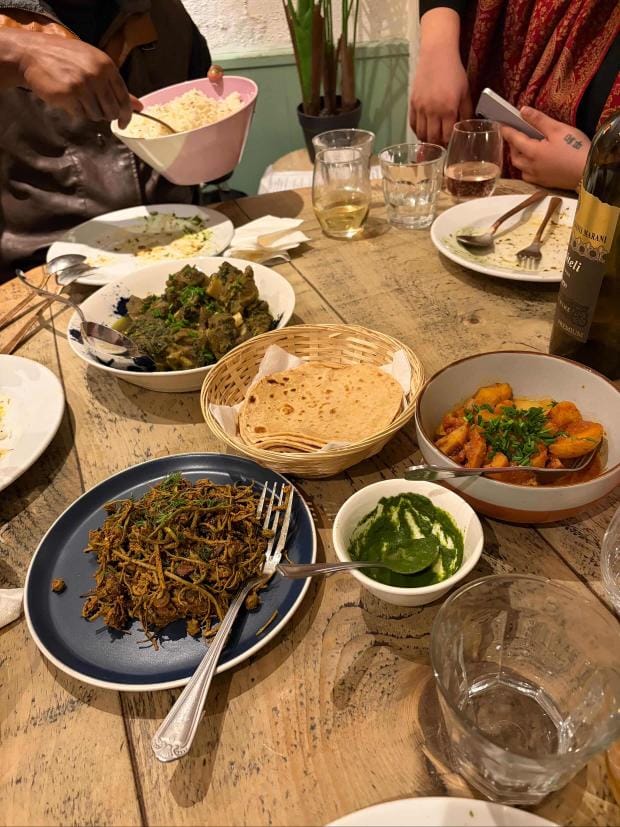
Herbs like green garlic are crucial for many dishes, while pepper and green cardamom are the most used spices in the cuisine. One example of a typical, seasonal Sindhi dish is Thum Jo Varo, which translates to Fresh Green Garlic Vada.
An eclectic mix of spicy and sweet, sour and umami forms the crux of Sindhi food. A typical breakfast combination is seyu-patata, which is a combination of sweet semolina paired with fried masala potato.
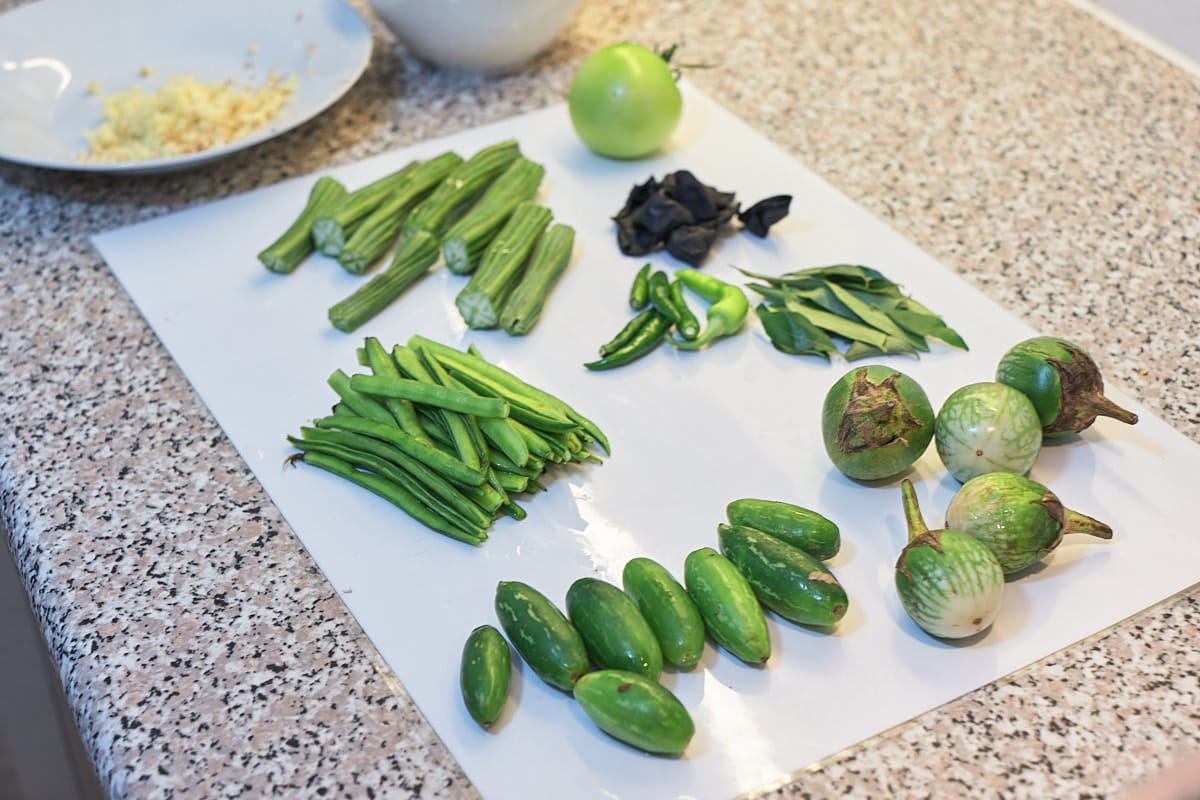
Lotus stem or Beeh, as it is called in Sindhi, is also a must-have ingredient
“Our search for beeh in Indian markets is more than a culinary quest; it’s a metaphor for our third-culture existence,” writes Lalwani in her essay ‘Beeh-yond Borders: The Lotus Stem That Keeps Sindhi Cuisine Alive’. It is used in Sindhi kadhi, a light dish made with besan and tomatoes or kokum and featuring various seasonal vegetables, the Beeh chaat, and the beeh patata. Sometimes, it is simply fried and paired with dal chawal or kadhi chawal.
Sindhi cuisine is also influenced by the community’s trading roots. Merchants brought back ‘foreign’ ingredients that their partners turned into heirloom recipes. Makroli patata—a curry made with elbow macaroni, potato and tomato—is the result of one such cultural exchange.
The Pallo fish
While Sindhis were a non-vegetarian community, their migration to India led to the adoption of a vegetarian lifestyle for many. This was done to fit into the Hindu fold. But non-vegetarian food, from offals to fish roe to mutton and fish have been traditionally cooked and consumed by Sindhis.
One inseparable part of Sindhi food is the Pallo or Hilsa fish. While the hilsa is usually associated with Bengalis, the Sindhis too consider it sacred.
Sindhis have a legend associated with the fish’s movement—which swims upstream as opposed to downstream. Legend has it that in the Indus, the Pallo swims all the way to the shrine of 17th-century Zinda Pir, an important saint for Sindhis, to pay its respects. It’s when the fish reaches the shrine that it transforms from an ordinary blackfish into a shiny, silver one.
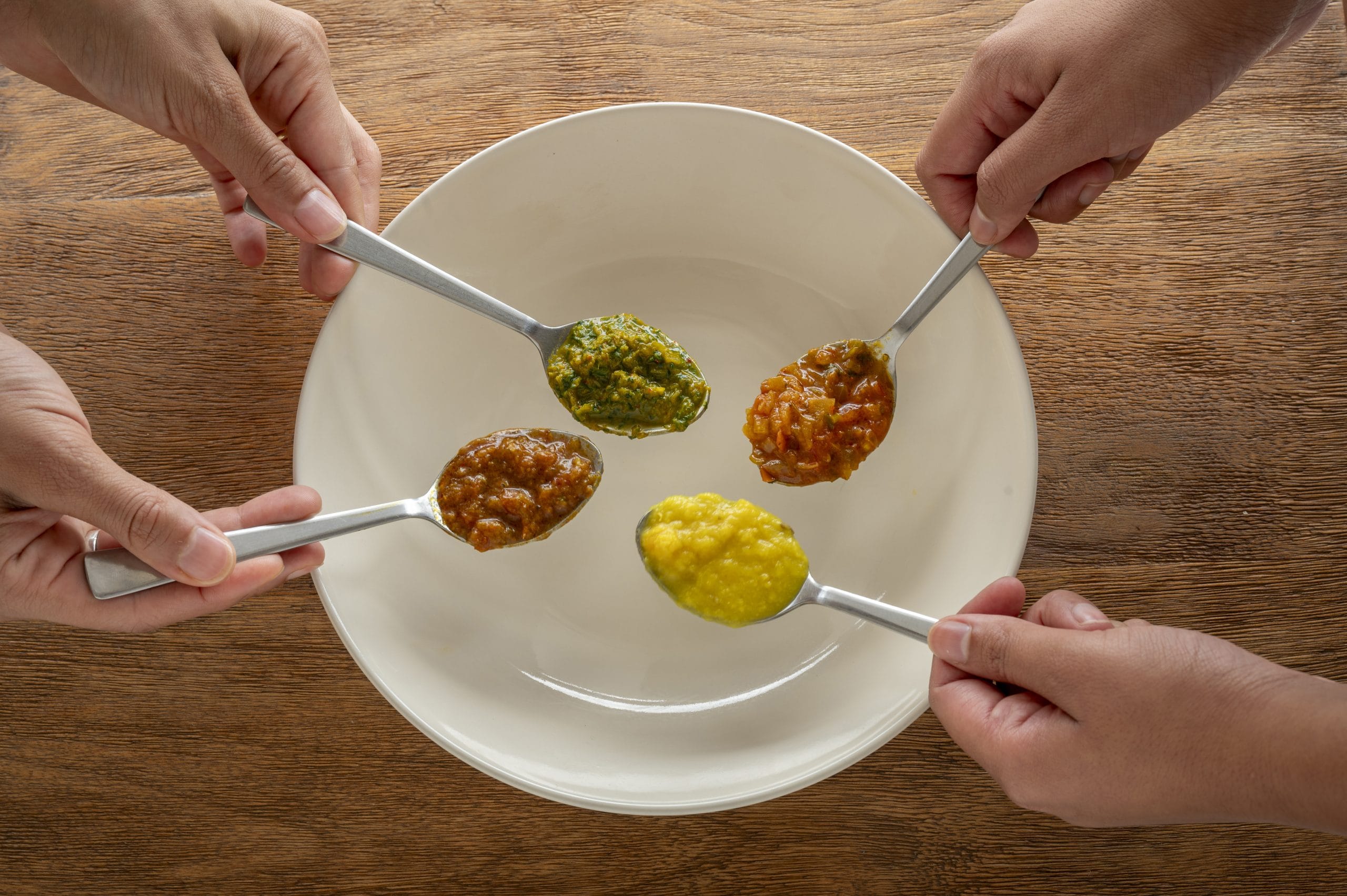
The roe of Pallo, called aani in Sindhi, is also a delicacy. Alka Keswani’s blog describes how the roe is coated with besan along with onion and chillies and fried into a crisp pakoda. When used in a subzi, the dish would be called aani seyal. There also exists a ‘vegetarian’ version of the dish, which uses poppy seeds to mimic the texture of fish roe.
Also read: Sindhis are not a caste-free society. My interviews show it is just a false claim
Sindhi Rasoi
Alka Keswani got married in 1998 and moved to Ulhasnagar, a Sindhi colony in Maharashtra. Her husband, Deepak, an IT consultant, wanted to document Sindhi culture, which he could see slowly fading away everywhere. He started uploading Sindhi songs sung by his grandfather on the internet. He also encouraged Alka to document Sindhi food.
In 2008, Alka began making Sindhi food on weekends and writing down detailed recipes. Deepak would shoot the process and upload it to a blog called Sindhi Rasoi. It was a painstaking process, but for Deepak, it was about preserving a slice of his own history. Slowly, NRI Sindhis started to respond. The Keswanis started receiving emails and comments, filled with queries about ingredients and compliments for the work they were doing.
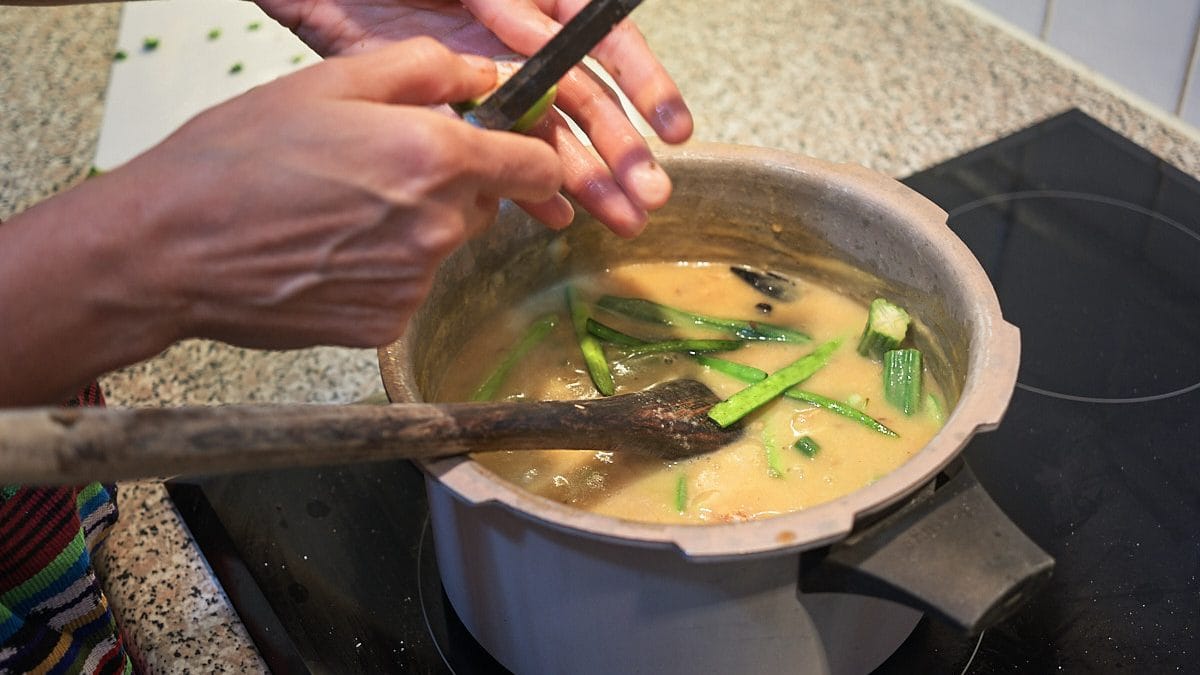
Recipes were uploaded regularly, with anecdotes and nuggets of history paired with them. Three years later, Deepak started Radio Sindhi, which now has 10 stations and is available for Sindhis in over 200 countries, with more than a lakh listeners every year.
In a time when there was no other resource, Keswani’s blog became the encyclopedia of Sindhi recipes.
“Those were the times when you could not waste precious money on long phone calls, sharing recipes, or even explaining the equivalent English name for a Sindhi ingredient. My blog became the resource where many would get to learn the recipes for free,” said Alka.
Sunday lunches
Mumbai-based food consultant, restaurateur and writer Reshma Sanghi grew up feasting on her mother’s delectable array of Sindhi food. Sundays were Sanghi’s favourites, when the extended family would gather in their house.
“Seyal mutton had to be there, and sometimes there would be tridali, which is a thin dal with kokam, and a piece of fried fish with thoom masala. There would also be some kind of kebabs or tikkis. There would be one tikiwala who used to come from Ulhasnagar, and we got three types of tikkis from him–dal, matar and keema,” said Sanghi.
What began as an attempt to document her mother and grandmother’s recipes eventually became the cookbook, Sindhi Fare. It has 75 vegetarian and non-vegetarian recipes from Sindh. The book intertwines family lore, history, photographs and anecdotes, along with the recipes.
Sanghi’s father, who passed away in 2019, used to be in charge of a green chutney, popular among the family, and paired with the tikkas. It finds mention in her book under the heading, ‘Papa’s Chutney’.
“There would always be fresh seasonal fruits in the house with our meals. I was too young, but my sister remembers him coming home every day with seasonal fruits like cherries, peaches and litchis,” said Sanghi.
Sanghi started Plenty, a restaurant serving Sindhi-style food in Mumbai. But they closed down during Covid, due to operational costs.
She also ran Food For Thought cafe at Kitab Khana, a bookstore in Mumbai’s Fort, for 11 years, before they had to close operations in 2020.
“At Plenty, we had a non-veg Sindhi thali, and I remember old patrons often getting emotional after eating the food, and telling me they cannot find such food anymore,” said Sanghi.
Mumbai also has a handful of Sindhi eateries like Guru Kripa, which serves Sindhi snacks and sweets. Actor Vicky Kaushal swears by the mutton served at the So Sindhi restaurant. But by and large, access to Sindhi food outside Sindhi acquaintances or friends is a rarity.
The NRI Sindhis
For the Mumbai-born, London-based Sindhi banker Sapna Ajwani, food was a conversation starter. She used it to tell people about the Sindh region and the history of the Sindhis.
Ajwani gave up her banking career and started hosting supper clubs in 2016 under the name Sindhi Gusto. Ajwani rented a cafe in London. On the menu was Fenugreek-garlic fish, stuffed okra with a green masala, peeri daal, green cardamom cauliflower, among other dishes.
“I wanted to focus more on all the meat, fish, seafood and offal dishes like brain and liver. I noticed that every time someone mentioned Sindhi food or Sindhis, the impression they gave was that we were this pure vegetarian and uber religious lot that eschewed all meat and fish. The reality is just the opposite,” said Ajwani.
In 2020, even as Covid restrictions were being imposed, Ajwani decided to travel to Sindh. She started with Karachi, and visited the Makli Necropolis in Thatta, followed by Tharparkar, Hyderabad, Khairpur, Larkana, Mohenjo-Daro, Shikarpur and Sukkur, with her last stop in Lahore.
“I learned about the food from the Nagarparkar region that has pretty much the same ingredients as those across the border in Rajasthan, like ker (a shrub berry). I also learnt about the food of the Shirazi community that settled there and the various ways to make fish, prawn pulaos with dill, and mutton and pallo khichri with minimal ingredients. The best lotus stems I ate were in Larkano, Sindh, cooked with the greens of the green chana,” she said about her food pilgrimage.
Ajwani also finally had the chance to eat fresh pallo.
“The two most popular dishes are kok pallo, the fish is cut open and smothered with a marinade on one side and grilled/fried on the other, and seyal, lots of onions, tamarind, tomatoes coarsely chopped and slow cooked with leftover roti,” said Ajwani.
After her trip, Ajwani got down to writing her book, Sindhi: Sindhi Recipes and Stories from a Forgotten land (2023). The cookbook has 120 recipes, each with Ajwani’s memories associated with the dish. It also features conversations with members of the Sindhi community.
Ajwani learned how the recipes changed shape, depending on the availability of ingredients or ease of cooking. Depending on the region one originally belonged to in Sindh, popular dishes would have variations. The Sindhi curry, for example, can be made both with and without tomato. While those from Shikarpur make it with tomato, others skip it. The number and variety of vegetables used in the kadhi are also highly subjective.
“People still don’t know enough about us or our food, so I try to vary the menus by introducing one new dish,” said Ajwani.
The book also provided an impetus for more Sindhi creators to start documenting their own relationship with Sindhi food. But it has also opened up avenues for plagiarism.
“India’s social media laws do not have strict copyright rules, and that means people can easily share others’ work as their own,” said Ajwani.
For a cuisine that remained largely invisible for decades, the growing online interest, and even the imitation and appropriation, is a boon that the Sindhi community itself isn’t quite prepared for. But what the Partition lost in memory, the internet is now making up for.
(Edited by Theres Sudeep)
Shattered Lands by Sam Dalrymple, not William Dalrymple