





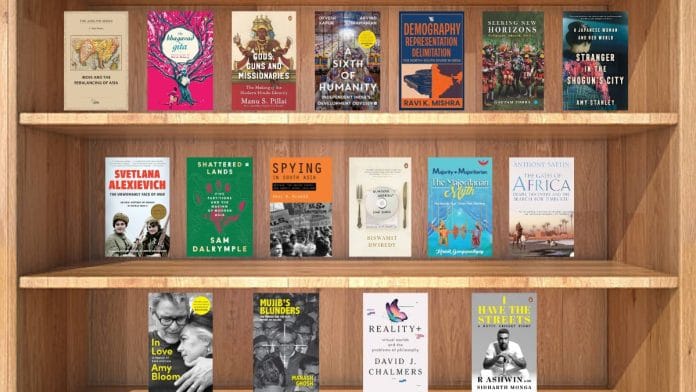



ThePrint team asked its Opinion columnists about the books they loved reading this year. Here are their favourite titles—and why they liked them.
 The Unwomanly Face of War: An Oral History of Women in World War II by Svetlana Alexievich
Published in 1983, this book by Alexievich, a Belarusian investigative journalist, essayist, and oral historian, asks questions that are rarely posed—about women who fought at the front lines as soldiers, snipers, sappers, doctors, drivers, pilots, technicians, mechanics, cooks, and partisans. Alexievich explores how these women faced killing, loss, and reintegration, and how war changed them emotionally. This makes the book quite unique: Amana Begam, columnist and TV news panellist.
 Reality+: Virtual Worlds and the Problems of Philosophy by David J Chalmers
Like it or not, we are deeply enmeshed in virtual worlds—through phones, AI, and the unseen digital layers behind everyday objects. Chalmers, an Australian philosopher and cognitive scientist, asks fundamental questions about reality using ideas from Eastern and Western philosophy. Lengthy and rigorous, yet accessible and entertaining, the book is best read slowly, over time—a method well suited to the holiday season: Amitabh Dubey, Congress member.
 Stranger in the Shogun’s City: A Japanese Woman and Her World by Amy Stanley
It has been a great year for historical non-fiction and it’s difficult to choose just one favourite. While Sam Dalrymple’s Shattered Lands was the most eye-opening reminder of just how recent—and tragic—our ethnonationalist divides are in the long history of the Indian Ocean World, Stanley’s Stranger—picked up during a Japan trip—offered a miraculous, archival-rich portrait of a rebellious Buddhist priest’s daughter amid global change. Also notable was Lost Enlightenment: Central Asia’s Golden Age from the Arab Conquest to Tamerlane by Frederick Starr, ironically unfolding around the same time as the brutal invasions into India: Anirudh Kanisetti, author and public historian.
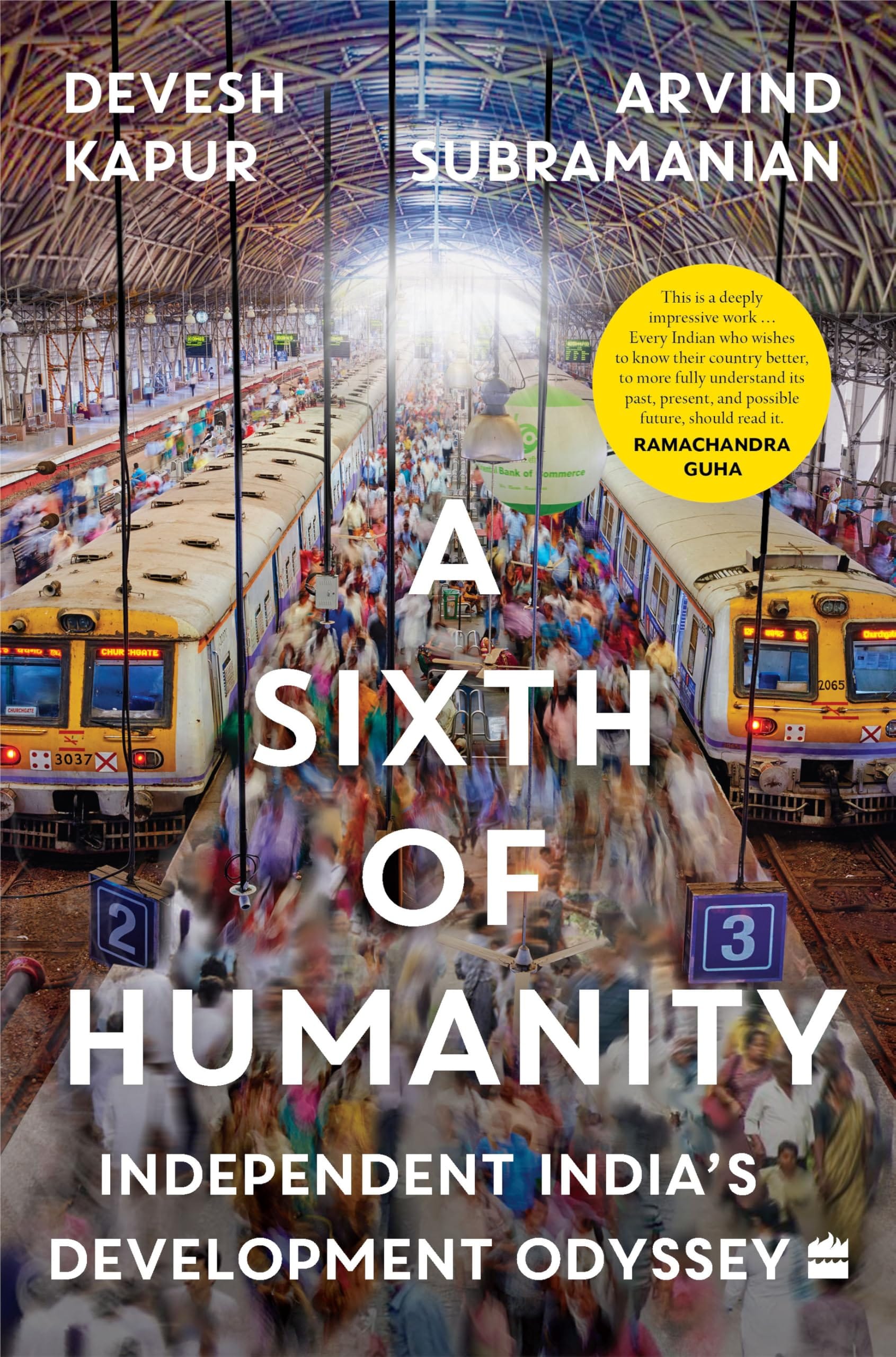 A Sixth of Humanity: Independent India’s Development Odyssey by Devesh Kapur and Arvind Subramanian
This is a most impressive account of India’s development experience since Independence. The authors knew that a purely economic account would have been an illegitimate truncation of what happened. They combine politics, economics, and culture in a way that makes India’s development process vivid, and its achievements and failures manifestly comprehensible. A massive intellectual achievement: Ashutosh Varshney, Professor of International Studies and Political Science.
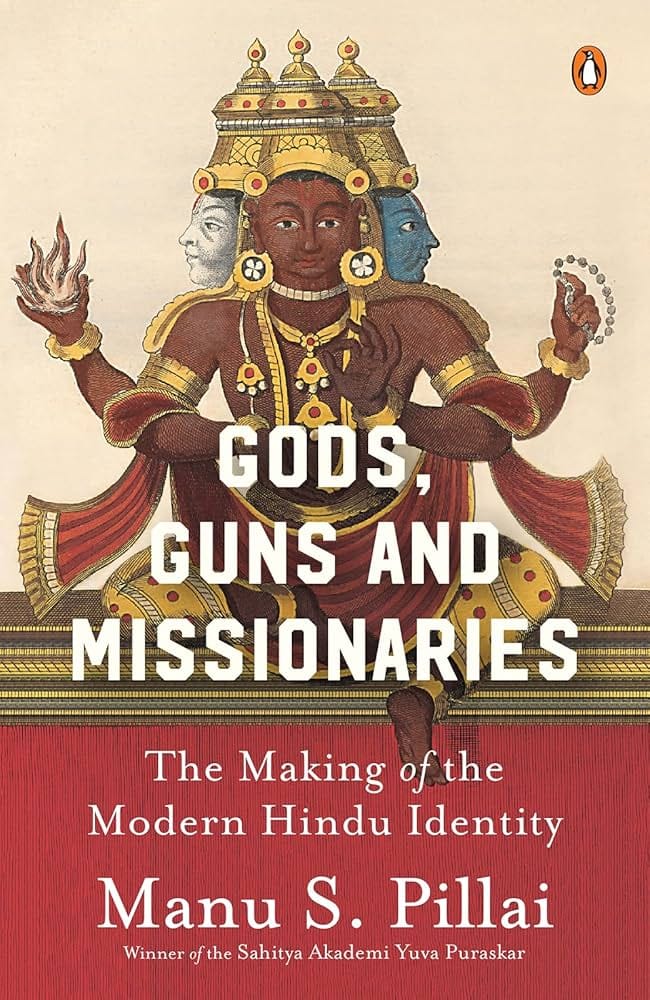 Gods, Guns and Missionaries: The Making of the Modern Hindu Identity by Manu S. Pillai
Pillai paints a vivid picture of the pragmatism of early Hinduism and how the “Hindu” identity gained currency in response to external threats. And he does it with almost charming detail. Another reason for liking this book is his emphasis on the “astute” compromises that account for the bewildering diversity of thoughts within Hinduism: Bhargavi Zaveri-Shah, Co-founder and CEO of The Professeer.
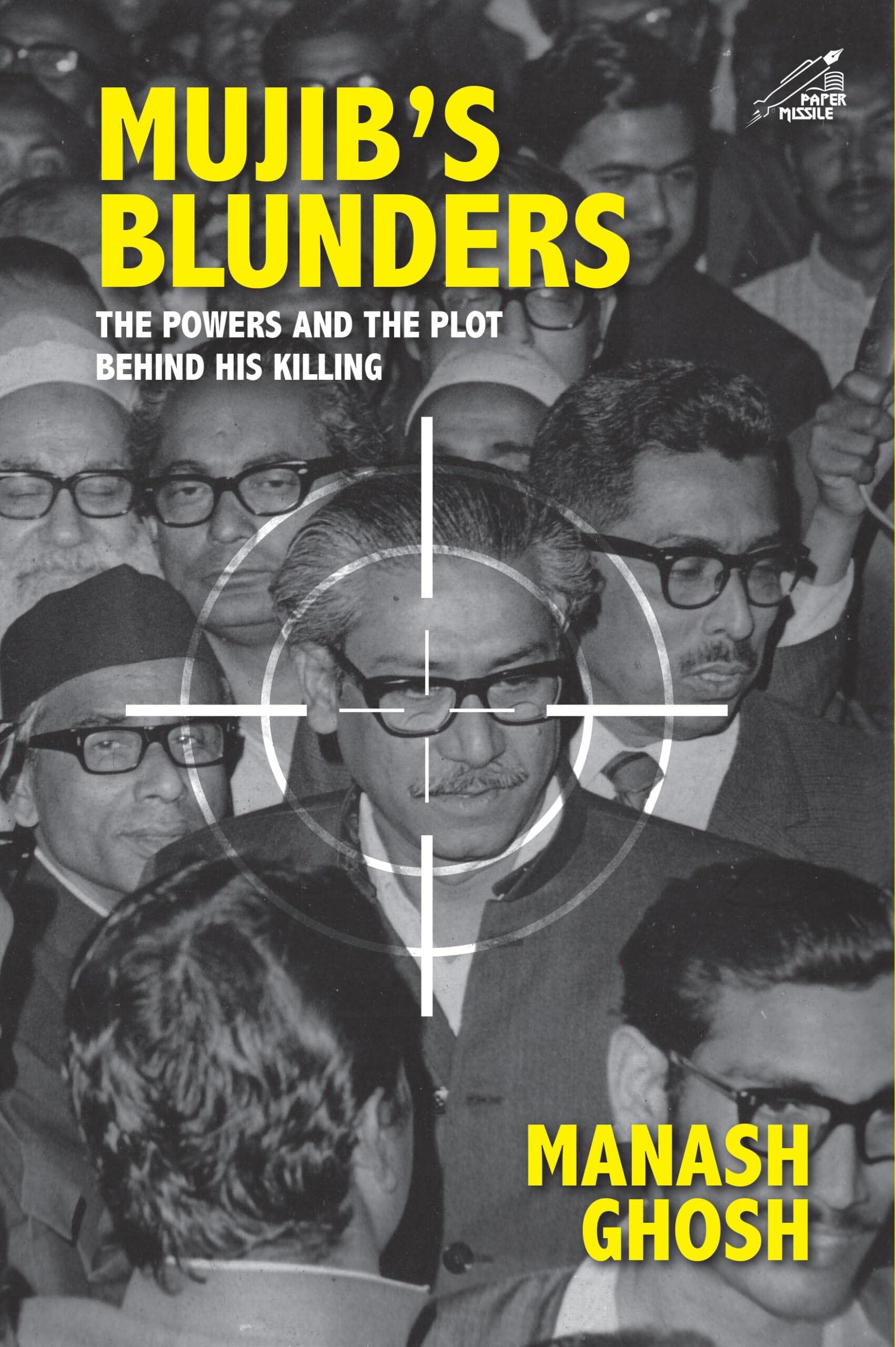 Mujib’s Blunders: The Powers and the Plot Behind His Killing by Manash Ghosh
This is essential reading for anyone seeking to understand Bangladesh beyond headlines. Ghosh’s boots were on the ground during the 1971 war of independence, and he has keenly examined the many failings of Bangladesh’s founding father, Sheikh Mujibur Rahman. The book shows how Bangladesh’s flawed beginnings contributed to its current predicament: Deep Halder, writer and journalist.
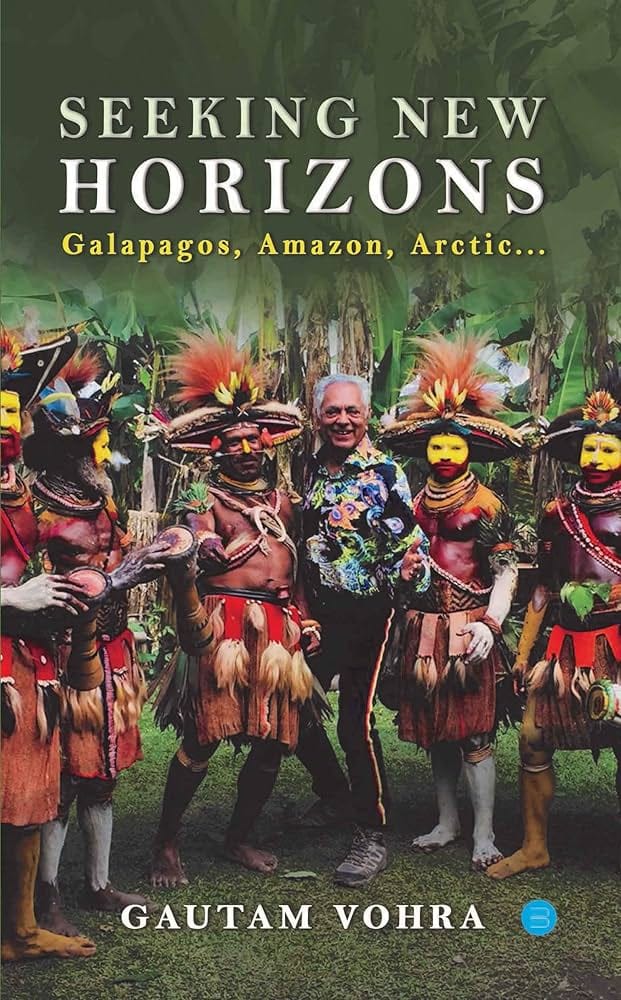 Seeking New Horizons: Galapagos, Amazon, Arctic… by Gautam Vohra
Written in a diary format, this book describes Vohra’s travels from the Galapagos Islands to the Amazon rainforests, and finally to the cold Arctic via Central Asia. Written in an easy, flowing style, the descriptions of each place allows readers to vividly picture them. The sheer range of landscapes covered gave me very “itchy feet” and the urge to be a traveller myself: Deepali Bhardwaj, dermatologist.
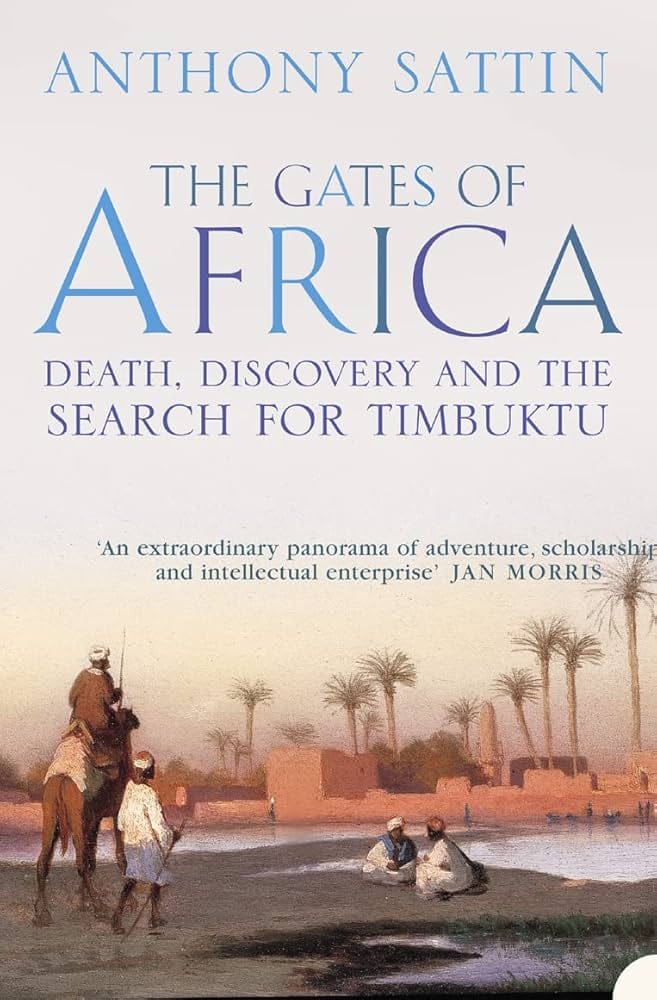 The Gates of Africa: Death, Discovery, and the Search for Timbuktu by Anthony Sattin
It is a compelling reconstruction of early European attempts to reach Timbuktu—often used informally for an unknown place that is unreachable or untraceable. Through journals and archival records, Sattin captures explorers’ challenges and reveals how their views of Africa were shaped by limited knowledge and colonial assumptions. As an archaeologist, I connected deeply with both the spirit of exploration and the colonial mindset that accompanied it, as well as the critical reflections the book provokes about how histories are approached and interpreted. It was a delightful surprise: Disha Ahluwalia, archaeologist.
 In Love: A Memoir of Love and Loss by Amy Bloom
I adored the buzziest non-fiction book of the year, Mother Mary Comes to Me by Arundhati Roy. But did I return to it several times over the year to parse its wise pages? That fealty I felt for another memoir—In Love by Amy Bloom. Overnight, I inhaled Bloom’s raw, aching account of helping her husband through assisted suicide during a period of intense loss in my own life. I found my way back to it to arrive at the conclusion that, when the time comes, the best kind of kindness you can offer the ones you love is letting them go: Karanjeet Kaur, journalist.
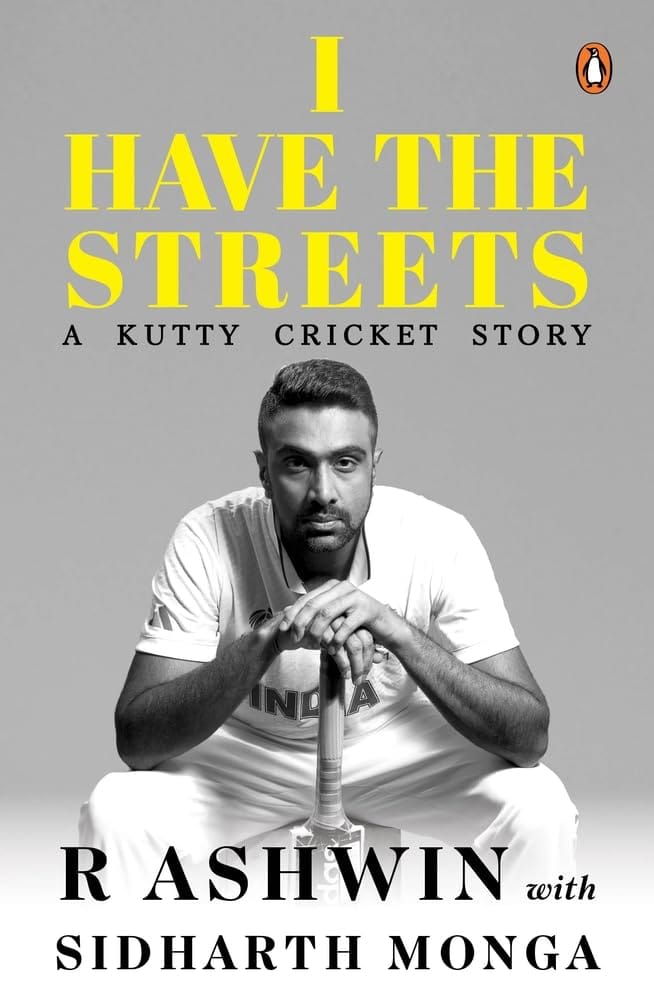 I Have the Streets: A Kutty Cricket Story by Ravichandran Ashwin with Sidharth Monga
As a boy who grew up in Madras, playing neighbourhood cricket with friends, I resonated deeply with Ashwin’s experiences. The book, written by one of Indian cricket’s greatest spinners, vividly brings to life the hustle and bustle of the streets and bylanes of the city: Karti Chidambaram, MP and AICC member.
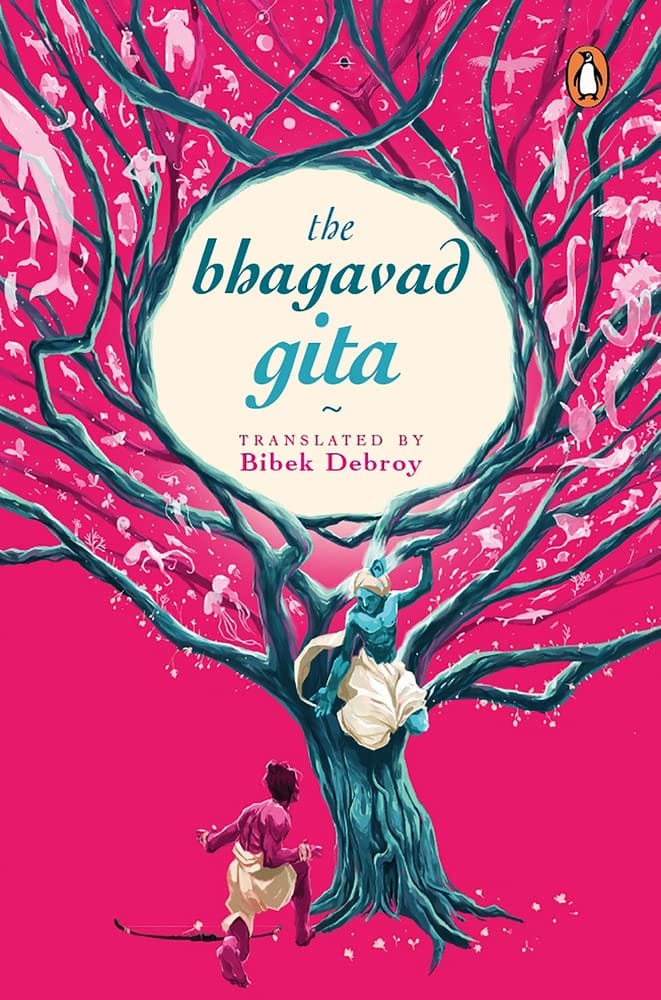 The Bhagavad Gita (translation) by Bibek Debroy
I have been reading the late Bibek Debroy’s translations of Hindu epics and texts for years. After reading his translation of The Ramayana earlier, I started reading his translation of The Bhagavad Gita. He was an extremely intelligent writer. Written in clear, accessible English, his work is a gift to younger Indians. Next year, I plan to begin reading his translation of The Mahabharata: Kushan Mitra, automotive journalist.
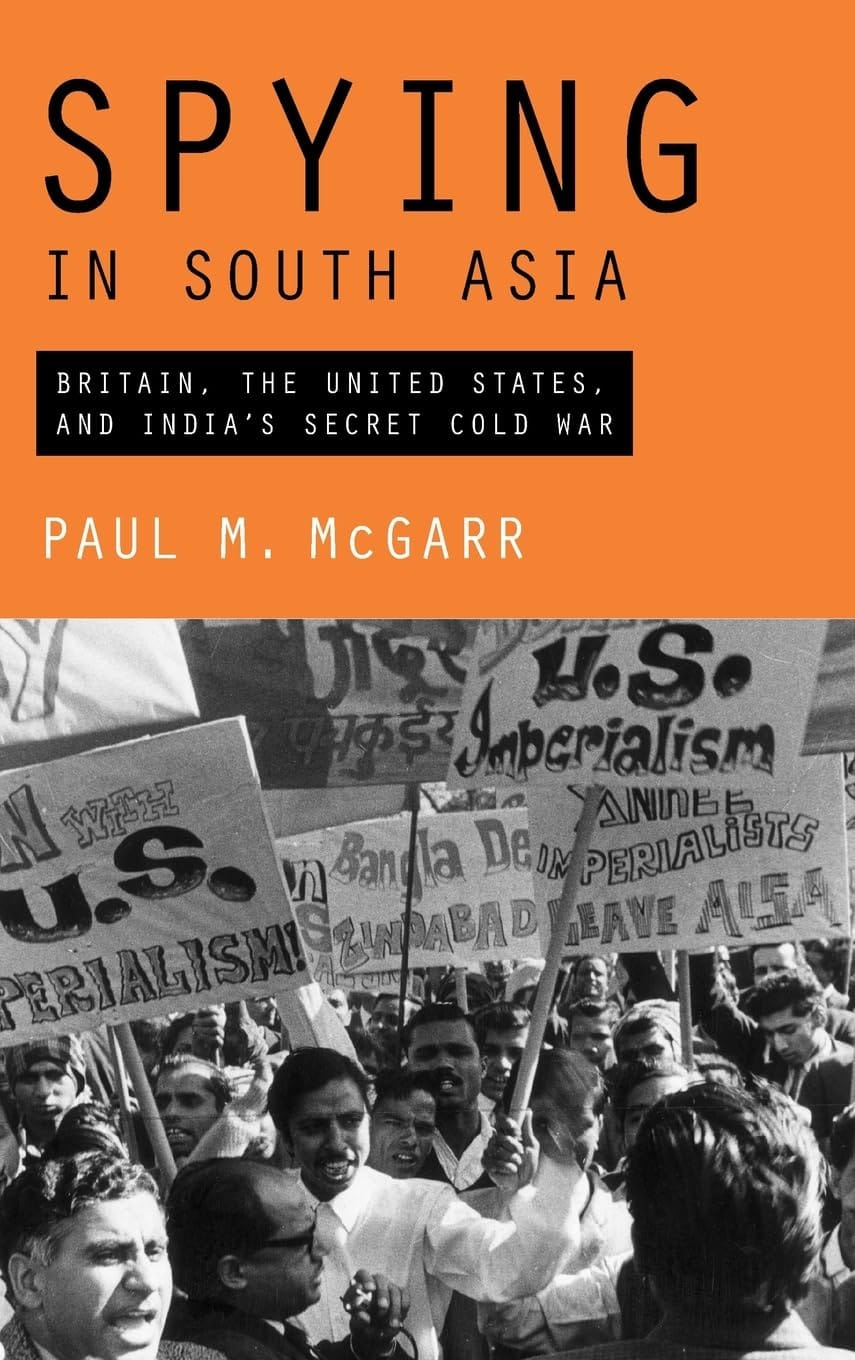 Spying in South Asia: Britain, the United States and India’s Cold War by Paul M McGarr
McGarr’s expedition into archives in the United Kingdom, the United States, and India has illuminated the hidden history of the post-Independence Intelligence Bureau. He shows how dependence on the West led the IB to focus on fighting communism rather than developing capabilities in Kashmir, the Northeast, and Pakistan. It also shows how the IB leadership often operated behind the backs of India’s elected leaders as they struggled to reconcile conflicting demands: Praveen Swami, Contributing Editor.
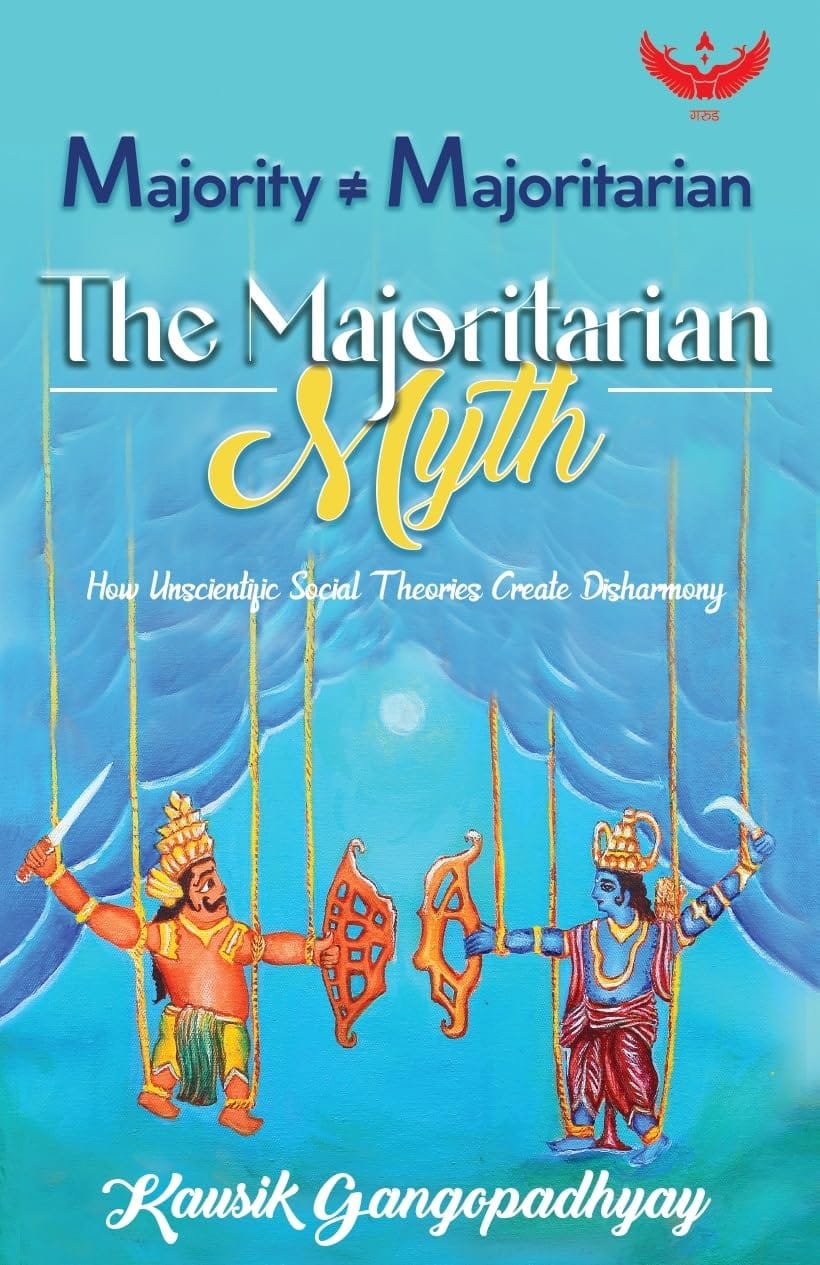 The Majoritarian Myth: How Unscientific Social Theories Create Disharmony by Kausik Gangopadhyay
This book challenges the general assumption that any majority group can be oppressively “majoritarian.” Gangopadhyay argues that numbers alone do not make a group majoritarian. Groups that follow the “linear theory of social evolution” (LTSE)—which holds that there is only one way to progress, regardless of evidence—are the ones truly majoritarian and prone to oppressing those outside the group. He contends that Abrahamic religions qualify as LTSE believers, as does communism, while Hinduism does not; it is intrinsically non-majoritarian: R Jagannathan, former editorial director, Swarajya magazine.
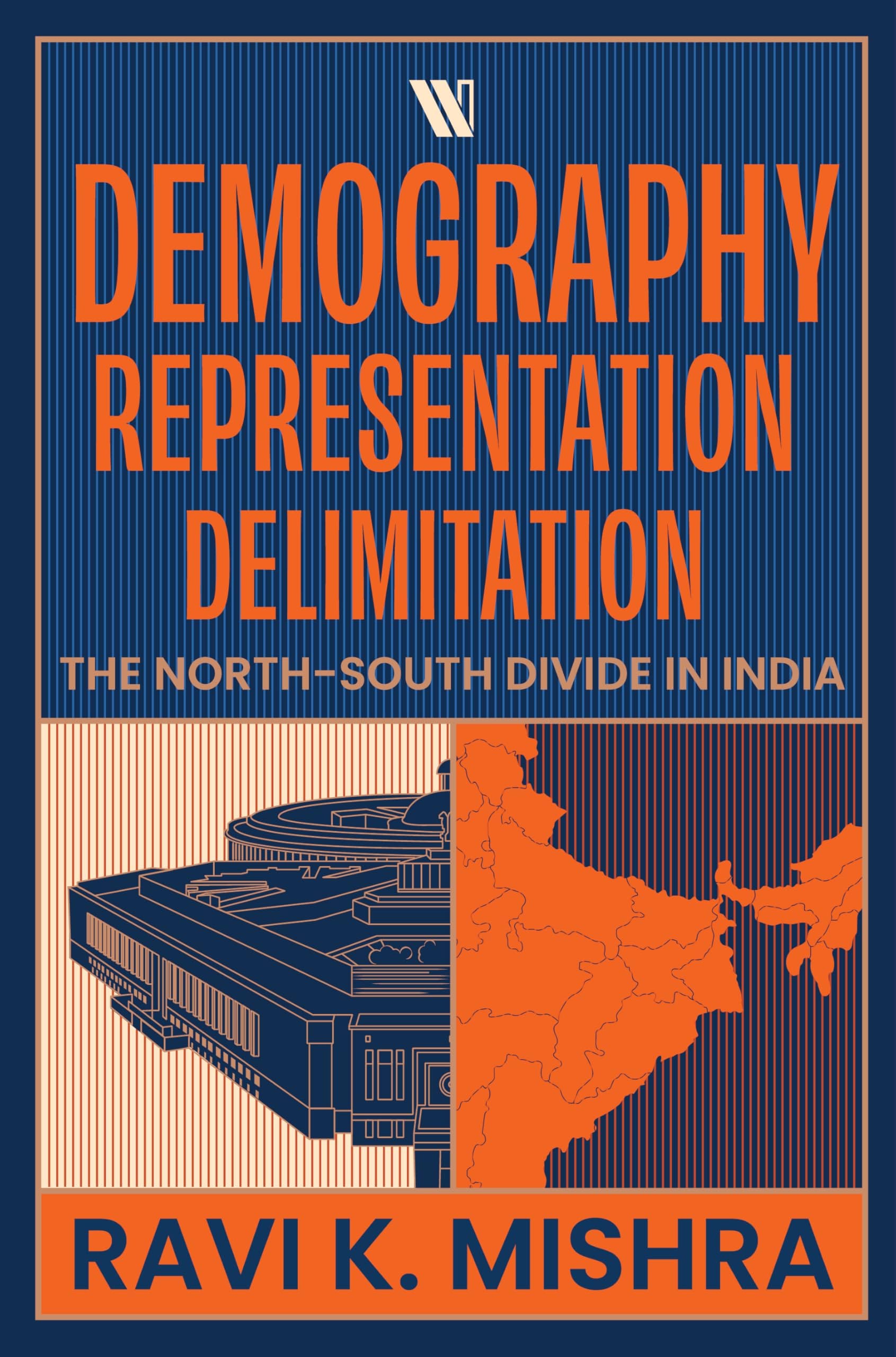 Demography, Representation, Delimitation: The North–South Divide in India by Ravi Kant Mishra
As India prepares for Census 2027 and delimitation, this book dismantles the shibboleths about southern states losing democratic heft due to better adherence to national demographic goals. Mishra shows that over the last hundred years, southern states—especially Kerala and the erstwhile Madras Presidency—have grown faster. Fertility isn’t the determining factor; the survival rate is tied to health and prosperity. He also explains that the value of an individual vote is much higher in Kerala than in Uttar Pradesh or Bihar. This is a must-read for informed debate on the intersection of demography and democracy: Sanjeev Chopra, former IAS officer.
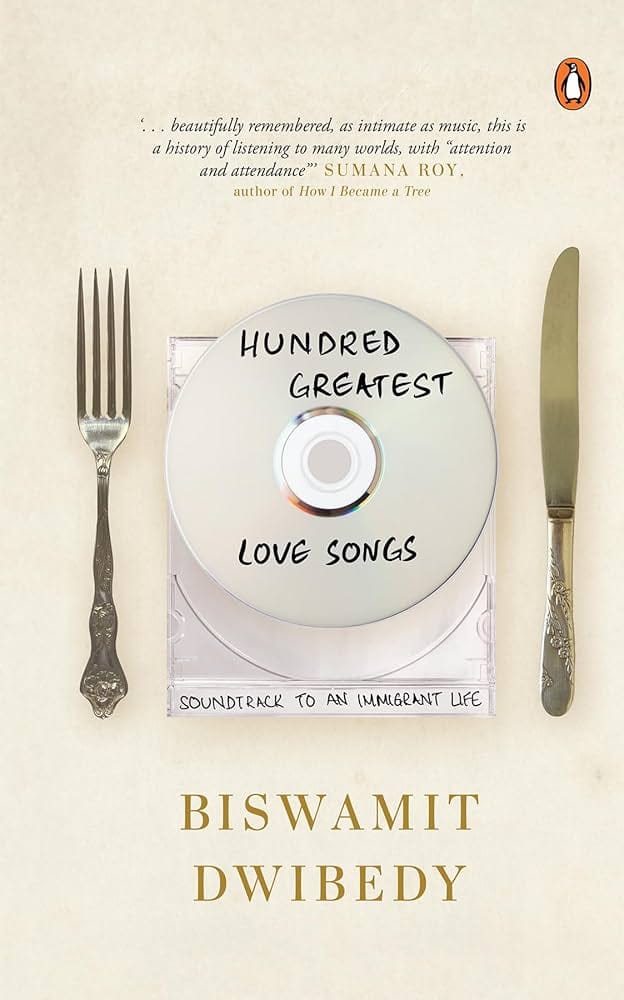 Hundred Greatest Love Songs by Biswamit Dwibedy
Such a unique memoir—filled with quirky confessions and crazy insights. It made me jealous; I wished I had written it. And oh, those songs! I sang as I read. Dwibedy calls it the soundtrack to an immigrant life, and each song becomes a sharp, poetic chapter. “Slip and Slide Away” kicks off the collection, and that’s exactly what readers do with each song. By Song Thirty, my throat was dry—I was living his life as he discovered America, and himself: Shobhaa De, author, columnist, social commentator.
 India and the Rebalancing of Asia by C. Raja Mohan
I recommend this book for its rich analytical value. Professor Mohan argues that China’s rise has pushed India from ambivalence to assertiveness. The book explains why India’s partnerships—especially with the United States—and its Indo-Pacific role, notwithstanding upheavals, are essential to shaping a stable, multipolar Asia while securing New Delhi’s influence and interests. The historical grounding makes the book timely: Swasti Rao, Consulting Editor.
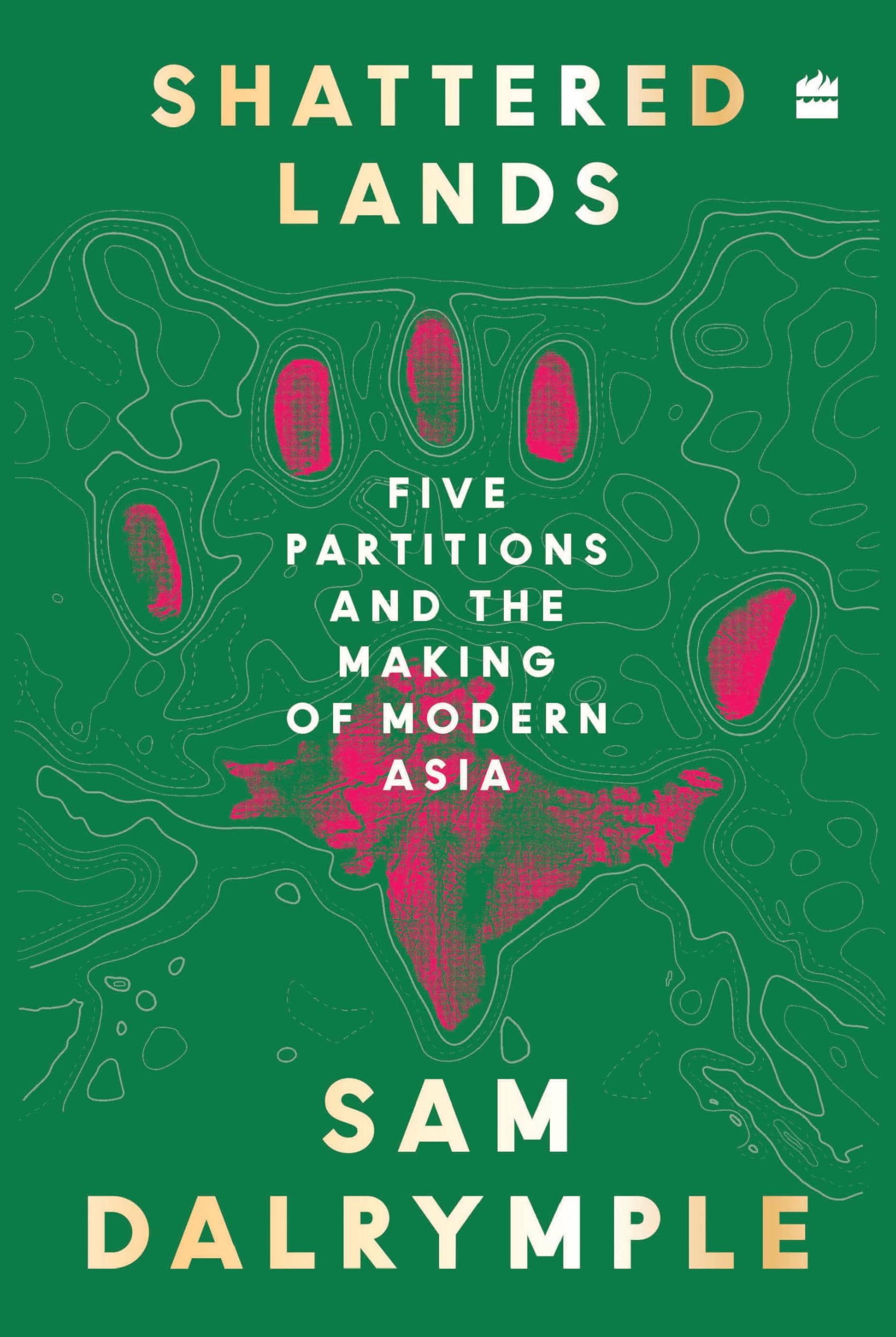 Shattered Lands: Five Partitions and the Making of Modern Asia by Sam Dalrymple
Sam Dalrymple’s Shattered Lands reminds us of the extent of Indian influence in the first half of the 20th century. Who knew that Burma nearly became part of modern India? Or that, until the early 1960s, the Indian rupee was legal tender in Dubai? Dalrymple excels on the 1947 Partition, which he does not treat as an all-Punjabi affair, giving Bengal the importance it deserves. He is even better on the lesser-known partitions of Imperial India: Vir Sanghvi, print and television journalist.