








New Delhi: In the last one year, more than 35 per cent of Indians bought fake products. And in urban areas, almost nine out of ten consumers have purchased fake goods at least once in their lifetime, according to a survey by the Authentication Solution Providers’ Association (ASPA) and CRISIL.
More than 1,600 respondents were surveyed across nine major cities: Delhi, Mumbai, Chennai, Bengaluru, Hyderabad, Kolkata, Ahmedabad, Jaipur, and Indore.
Data collected over 12 months and released in a report titled ‘State of Counterfeiting in India 2025’ indicated a high prevalence of fake fashion products in both online and offline markets.
Also Read: Prada learnt its lesson. Where are ‘humara culture’ Indians on Ralph Lauren’s jhumka?
Apparel tops fake products list
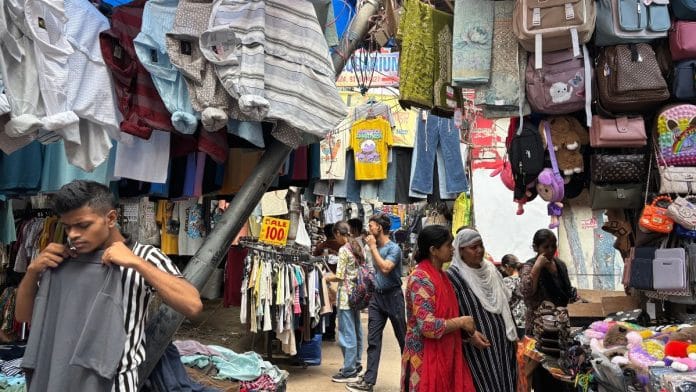
In India, knockoffs of products from global brands such as Zara and H&M can be found in almost any local market, with shopkeepers often selling such products confidently, sometimes even presenting them as genuine.
Fake apparel is one of the most affected categories, followed by agro products, pharmaceuticals, and fast-moving consumer goods (FMCG). The study revealed that 31 percent of Indians reported buying fake apparel.
The report also highlights the growing scale of counterfeiting and changing distribution channels.
Ankit Gupta, president of ASPA, pointed to a rise in counterfeiting incidents in India over the past three years, adding that counterfeiters are becoming increasingly sophisticated and better funded.
“The growth of e-commerce and globalisation of markets has made the fight against counterfeiting even more challenging,” he said.
Fake products have become a global menace, affecting the economy of almost every country.
“Not only are counterfeit goods a risk to consumers’ health and well-being, they also distort market competition, damage legitimate producers, and cause tax revenue losses for governments,” he added.
Counterfeits in medicines to agro-goods
While counterfeit apparel may not severely affect buyers, the circulation of fake FMCG products, medicines, and agro products has become a serious concern for both consumers and sellers.
Thirty-five percent of farmers reported encountering fake agro products. These products threaten farm productivity and rural incomes. According to farmers cited in the survey, nearly 30 per cent of agro products available in the market are fake, raising concerns about crop quality and food security.
Counterfeiting also affects the FMCG and pharmaceutical sectors. Consumers increasingly express scepticism about household products and medicines. About 27 percent of respondents reported that they had encountered fake packaged food, personal care, and home care items. The study estimated that 28 per cent of medicines in the market are fake.
Fake automobile components are also pervasive in markets, with 22 per cent of respondents reporting they had encountered these.
About 53 percent of counterfeit purchases are made through online platforms, underscoring the increasing role of digital commerce in the spread of fake products. In case of agro products and pharmaceutical purchases, local retail outlets remain dominant.
Social media ads have emerged as a major channel for counterfeit goods, according to the survey, particularly apparel (46 per cent) and consumer electronics (35 per cent).
Among respondents, 74 per cent reported that they believe counterfeiting has increased over the last 12 months.
Anjali Nathwani, director at CRISIL Intelligence, said in a release that 93 per cent of consumers said more awareness campaigns are needed. However, many still feel confident that they can identify fake products.
“This gap between awareness and action points to the need for a concerted effort from the government, manufacturers, distributors, retailers, and consumers working together to combat counterfeiting,” Nathwani said.
(Edited by Asavari Singh)