





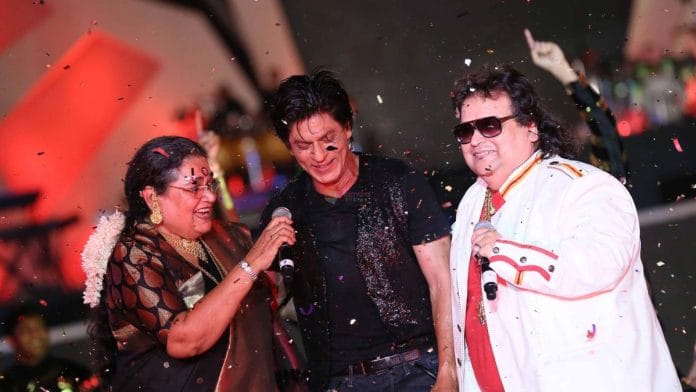



New Delhi: Dhurandhar has brought back many things — ringing of cinema hall cash registers, big action masala magic, and great thumping music. But most importantly, it has brought us a Shashwat Sachdev soundtrack dipped in 1980s nostalgia — the original disco decade of Bollywood.
And the awesome foursome of Bollywood those years were Kalpana Iyer, Mithun Chakraborty, Bappi Lahiri, and Usha Uthup. There was a disco overlap with RD Burman, of course. Together, they added their own Indian touch to disco — replete with dhin-tanak-din, ghungroo, and Om Shanti Om. Dhurandhar and Dhurandhar: The Revenge has reintroduced younger Indians to ‘Rambha Ho’ and ‘Tamma Tamma’.
It was a heady time when Indians began minting a new modernity on the dance floor by grooving to what was the big thing in the West. But in reality, Indians were waking up to the disco fever thanks to two cool and hip Pakistanis – Nazia Hasan and Zoheb Hasan. The 1980s never looked back after that.
And disco became a break from all things traditional. The disco dance was itself a rebellion, young couples were going on dates to dance all night and Usha Uthup’s thundering, deep contralto voice itself was a counter to the melodious, nasal Lata Mangeshkar and Asha Bhosle. It was a whole-hearted embrace of Western culture. The irony, of course, was that Bollywood disco began rising when the West was giving up on it.
In the opening shot of the song ‘Hari Om Hari’ from Pyaara Dushman (1981), a woman starts dancing against the backdrop of a giant Om. That woman was Kalpana Iyer and the hit number by Usha Uthup was quintessential desi disco.
In the song, Kalpana Iyer comes to focus in a gambling den, dressed in a halter neck top and hot pants with colourful tassels. The dance, shot in a gambler’s den, showed men smoking marijuana and hookah. With the Om sign, the dance number was a nod to Zeenat Aman’s ‘Dum Maaro Dum’ hippie vibe of the 1970s — with a disco twist. It was a year after Qurbani had been released and Biddu’s ‘Aap Jaisa Koi’ was a runaway hit.
The number of Bollywood movies that are recreating these iconic disco numbers shows the maturing of the 1980s generation into decision-making roles in the film industry. It is also a tribute to the enduring magic of India’s dreamy and delusional tryst with disco.
On one end of the disco spectrum was the uber-cool, ultra modern Kalpana Iyer with her long legs and the other end was the saree-wearing, fully covered, big-bindi flaunting Usha Uthup. What tied them both together in hits was music composer Bappi Lahiri. They were an eclectic, electric trio that made the 80s the disco era.
“They were a force. They injected verve, audacity, and novelty. The music was incredibly catchy but the lyrics were never vulgar. Also, there was a strong influence of Western pop music — something new for moviegoers unfamiliar with global pop culture,” author and columnist Shobhaa De said.
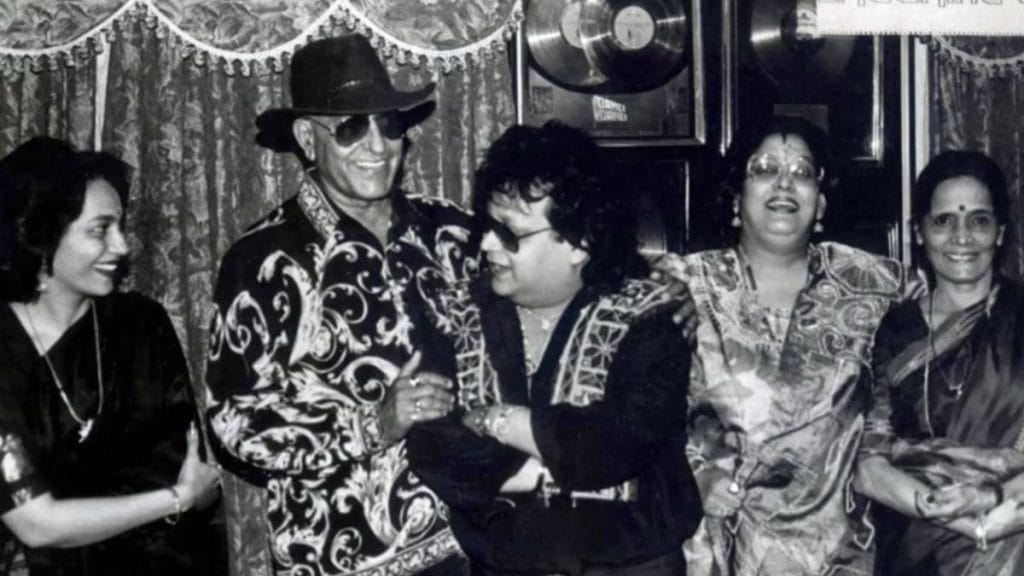
The Disco disruptors
When a young Bappi Lahiri arrived in Mumbai, he was walking into a wall of legends. The Hindi music industry was then dominated by composers like SD Burman, his son RD Burman, OP Nayyar, Shankar-Jaikishan, Madan Mohan, and Laxmikant Pyarelal among others.
“Amongst all these biggies, a 19-year-boy from Bengal was entering their arena. It was tough competition,” Lahiri had recalled in a 2013 interview.
He struggled for a few years, before Zakhmee (1975) gave him a foothold. The Sunil Dutt-Asha Parekh starrer was a moderate hit, but his song ‘Jalta Hai Jiya Mera Bheegi Bheegi Raaton Main’ topped the Binaca Geetmala, a weekly countdown of top songs on Ceylon Radio.
Romantic and classical songs established him in Bollywood but the rupture came abroad. On his first world tour in Chicago in 1969, Lahiri encountered disco and its unapologetic excess. When he returned, he rewired it.
By the time Disco Dancer (1982) exploded onto screens, Lahiri had created something distinctly Indian — electronic yet rooted, global yet local.
“I am the godfather of disco. I brought disco into this film industry,” Lahiri went on to say in a 2013 interview.
But Lahiri’s sound needed a voice that could carry its audacity. He found it in Usha Uthup.
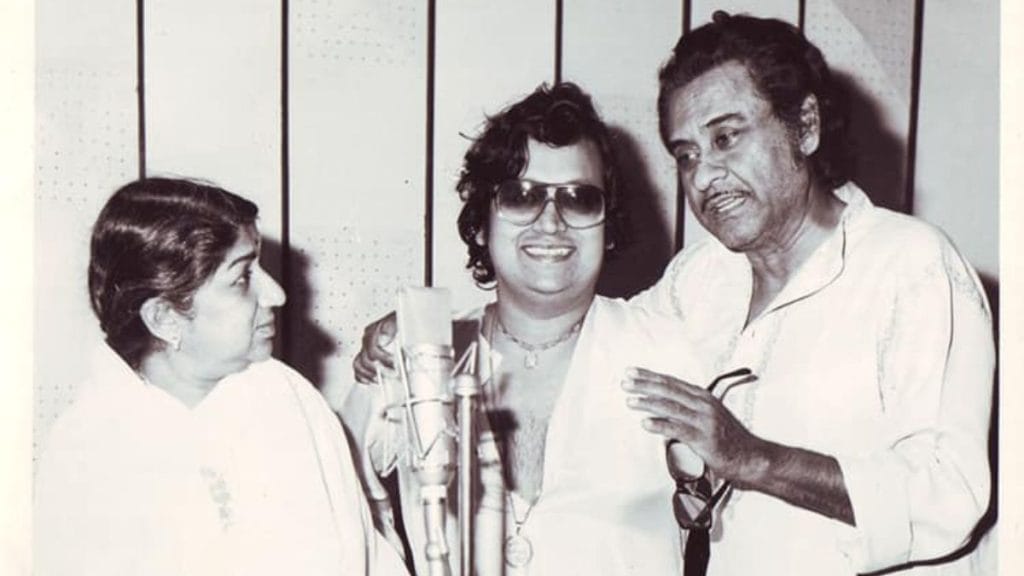
Long before she became the voice of Hindi cinema’s disco moment, Uthup was already a phenomenon outside it.
She began singing in nightclubs in Kolkata in the late 1960s, eventually moving to Delhi, where she performed at the Oberoi International. Her deep voice — unlike anything Hindi film music had heard — became both her signature and obstacle.
In an industry dominated by Lata Mangeshkar and Asha Bhosle, Uthup’s voice was considered too unconventional or too Western.
Her first brush with Bollywood ended in rejection. She was approached to sing ‘Dum Maaro Dum’ for Dev Anand’s Hare Rama Hare Krishna (1971), rehearsed for it, and then was dropped and replaced by Asha Bhosle, composer RD Burman’s wife.
The snub could have stalled her. Instead, it pushed her further into live performance, where she built a following that cut across cities and classes. By the late 1970s, she had already become a recognisable voice in India’s urban nightlife, singing pop, jazz, and Western standards alongside Hindi numbers.
Then came her catalytic collaboration with Bappi Lahiri.
Both were outsiders in their own ways: Lahiri with his flamboyant persona and experimental sound, Uthup with her voice that refused to conform. Together, they created a musical template that directors quickly realised audiences couldn’t get enough of.
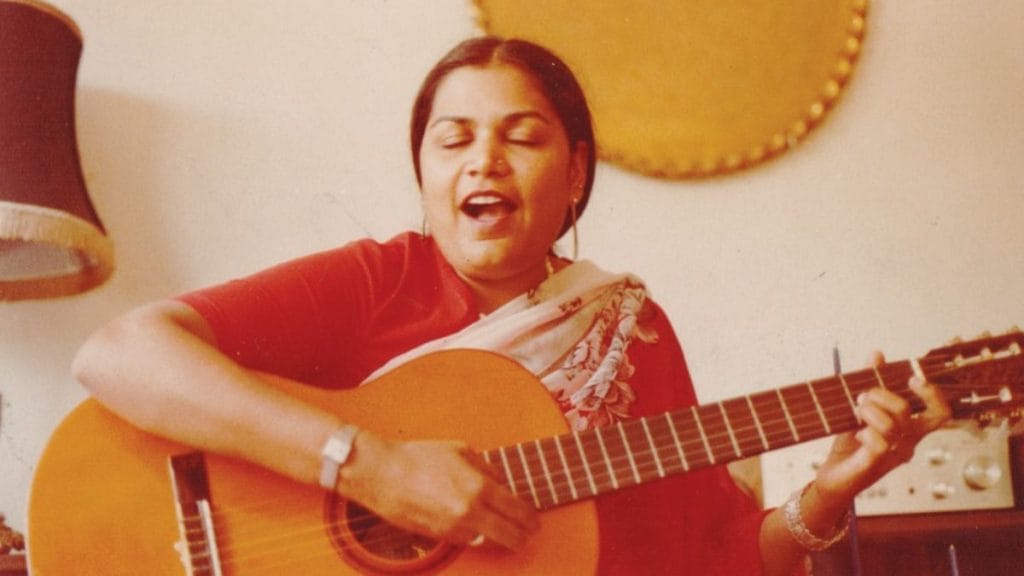
Lahiri and Uthup collaborated on multiple hits like ‘Hari Om Hari,’ ‘Rambha Ho,’ ‘Koi Yahan Aha Nache Nache,’ and ‘Uri Uri Baba’ which became defining sounds of the decade — club anthems that travelled from cinema halls to wedding bands.
Uthup said Lahiri was “always happy” working with her.
“Whatever songs he gave me, all turned out to be big hits,” Uthup said in a 2022 interview.
Lahiri, in turn, leaned into her range. He layered synth drums, electronic hooks, and quirky sonic signatures over her voice — sounds that were new, even strange, to Indian audiences back then.
“Rambha Ho (Armaan, 1981) was the first time that Bappi da had used synth drums. For the common people, it was the quirky sounds that go ‘tui tui tui’, right before the vocals ‘Rambha Ho’. That unique sound that he came up with became so popular that every director, singer and actor wanted that kind of sound in their songs,” Uthup said.
On screen, that sound would find its most electric embodiment in Kalpana Iyer.
A disco powerhouse
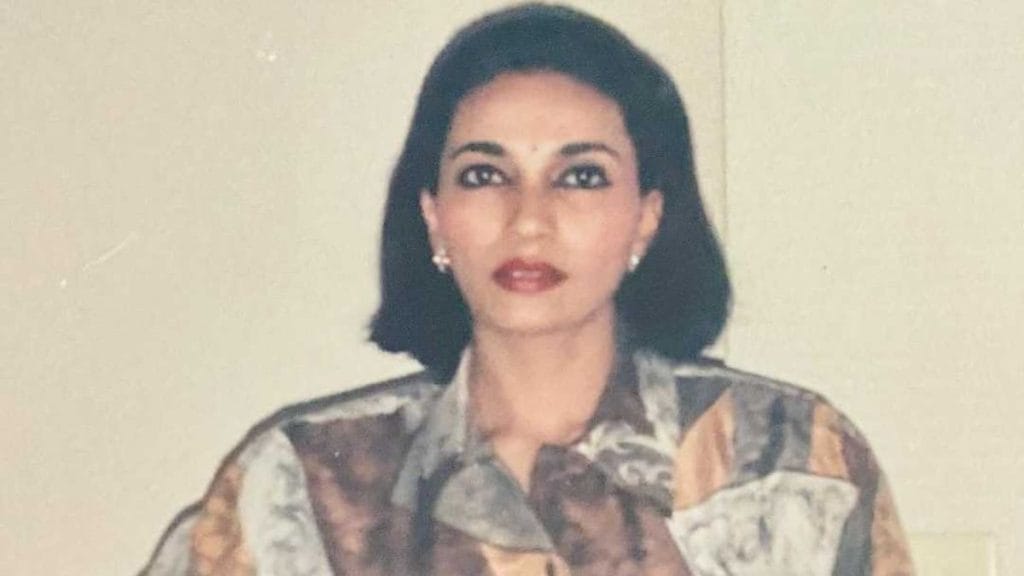
Kalpana Iyer was a chameleon, a disco powerhouse who brought her own glamour, and personality to dance numbers that became synonymous with the 1980s. Indians have now re-discovered her dancing prowess and glamour quotient thanks to Dhurandhar’s album. Soon after the movie became a hit, Kalpana Iyer’s viral dance video showed her in a south Indian silk saree and short hair at a wedding at 69. The indispensable pop culture figure of the 1980s was thriving and still dancing with abandon -– with disco abandon, to be precise.
She exploded in Bollywood at a time when her body type wasn’t quite the coveted dominant beauty standard.
“I was lucky because I was thin, and the trend of thin had just come in. Thanks to Dev Anand who offered me the song, and those shorts because of which everyone could see those never-ending legs,” Iyer said over a video call to ThePrint.
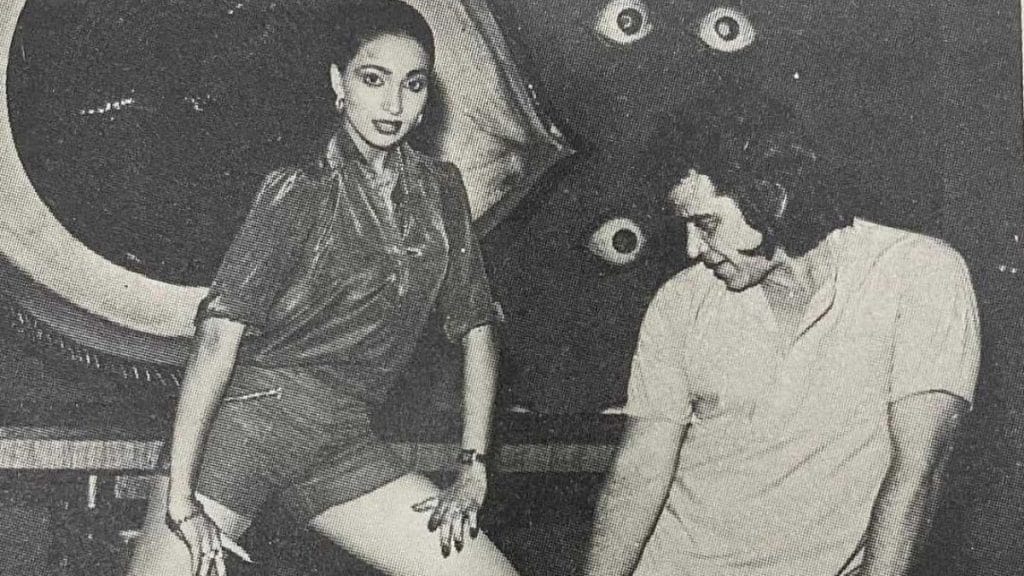
She gave a series of hits. In ‘Jab Chhaye Mera Jaadoo’ from Lootmar (1980), she is dressed in a red shirt with shorts, and heels, and swaying to the song in a nightclub. In ‘Rambha Ho’, she appeared in a crop top with faux flowers and a slit skirt, dancing through crowded streets with unmatched energy. In ‘Koi Yahan Nache Nache’ from Disco Dancer (1981), the look turned sharper — shimmery co-ords, purple shorts, and silver boots.
Two other performances cemented her screen persona: ‘Hari Om Hari’ (Pyaara Dushman, 1981) and ‘Chhodo Sanam’ (Kudrat, 1981), where the choreography leaned into a more teasing, performative sexuality that would become her signature.
Iyer’s destiny was already written. It was the perfect storm moment. RD Burman was going through a bad phase, and Bappi Lahiri’s rise had just begun.
“It was heroes and heroines who danced to Burman’s songs. But when the more energetic disco numbers came, directors wanted real dancers, and not actors who pretended to be dancers. That’s where Kalapna Iyer came in,” senior journalist Bhavna Somaaya said.
But her trajectory into films, however, was anything but linear.
Born in Bombay in 1956, Iyer began as a stage performer, spotted early and introduced into live shows by singer Mukesh. Touring with orchestras and performing alongside names like Kishore Kumar and composer duo Kalyanji-Anandji, Iyer built a reputation as a reliable live performer long before films.
She worked with the Oberoi group, assisted on photo shoots at Eve’s Weekly, and entered the pageant circuit — finishing first runner-up at the Navy Queen contest and later representing India at Miss World 1978, where she made it to the finals.
Films arrived almost incidentally for the then 22-year-old.
Though Rajshri Productions’ Manokamana (1980) was meant to be her debut — where she played one of the two female leads — Lootmaar released first, and with it, her breakout moment.
“I needed a job, and this came my way without even having to look. I got the dance number in Lootmaar while I was shooting for Manokamana with Raj Kiran,” Iyer said.
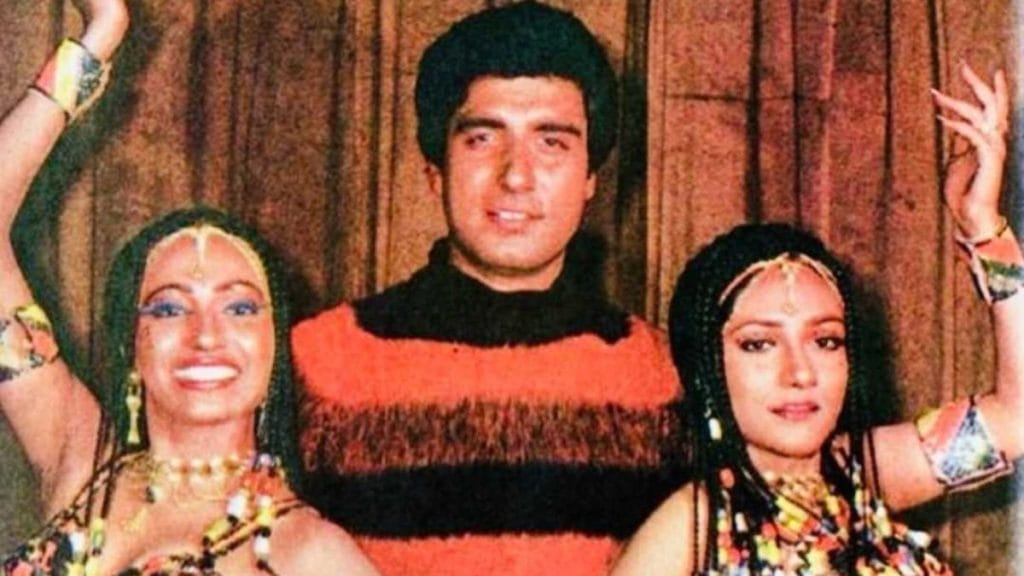
That one number altered her trajectory. She began signing more films while on film sets.
“I signed ‘Hari Om Hari’, ‘Chhodo Sanam’, ‘Nautak Mangta’ and ‘Ki Pashver Mangta’. Bappiji, Usha Uthupji, choreographers Vijay-Oscar and I became a combination that created a lot of wonderful songs,” Iyer said.
She occupied a very specific space in Hindi cinema — neither heroine nor extra, but something in between. Often cast as the gangster’s moll or the nightclub performer, she brought a charge to films that frequently outlived the narrative itself.
“My times were simpler: there was a hero, heroine, a gangster and his girlfriend and that girlfriend was played by me,” Iyer said.
The work was relentless. While heroes heroines had secretaries, heroines mostly had mothers as guardians and gatekeepers on film sets. Iyer had her mother handling all her work from home, while she decided the fees, schedule and dates — often pulling three shifts in a day.
Back then, there was no ceiling on how many films one could sign, and Kalpana was on a spree.
“Every producer was signing her for a dance number, like Ranjeet was being signed for every rape scene in a film. That was also the only way to sustain. If you signed 20-30 films, three would succeed even if others didn’t, and you got paid, and climbed the ladder,” Somaaya said.
From cabaret to disco
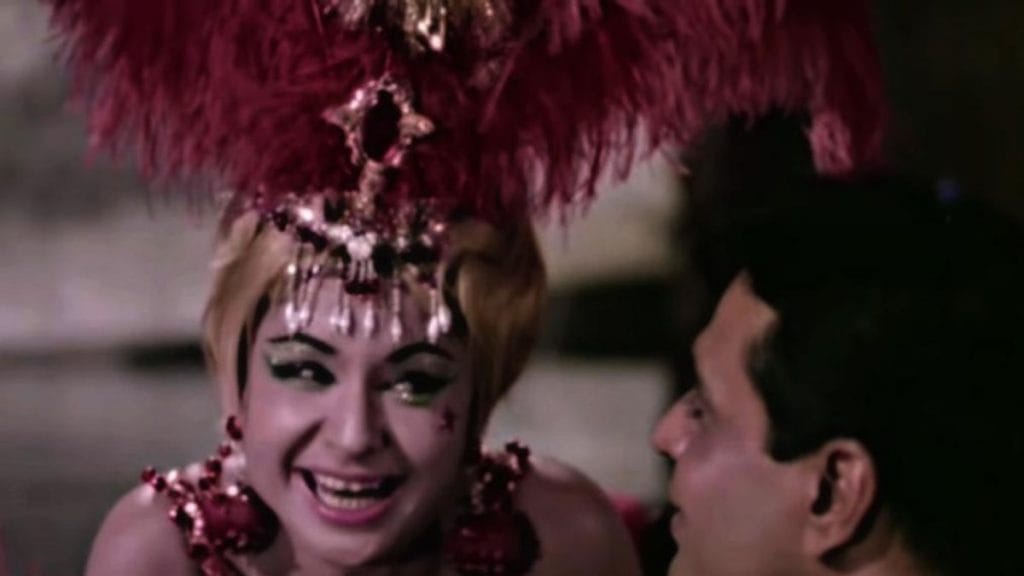
The disco decade itself evolved from the Helen decade of cabarets.
Long before Dhurandhar revived ‘Rambha Ho’ or ‘Piya Tu Ab To Aaja’ (Caravan, 1971) cabaret was a no-brainer hitmaker in Hindi cinema. By the 1950s, films had begun staging entire sequences inside smoky clubs and gambling dens offering spectacle, seduction and moral ambiguity, all at once.
At the centre of that world was Helen.
An Anglo-Myanmarese performer who began dancing as a child in films like Awara and Shabistan (1951), Helen would go on to define the cabaret number for nearly three decades.
But even before her dominance, it was Geeta Bali who set the tone. In Baazi (1951), her coquettish performance in ‘Tadbeer Se Bigdi Hui’ — paired with Geeta Dutt’s languid voice — established the nightclub as a cinematic trope.
Helen took that template and electrified it.
From ‘Mera Naam Chin Chin Chu’ (Howrah Bridge, 1958) to ‘O Haseena Zulfonwali’ (Teesri Manzil, 1966), ‘Piya Tu Ab To Aaja’ (Caravan, 1971), ‘Mehbooba Mehbooba’ (Sholay, 1975), ‘Mungda’ (Inkaar, 1977) and ‘Yeh Mera Dil’ (Don, 1978), she created a vocabulary of movement and mood that became instantly recognisable.
As film scholar Shikha Jhingan writes in her book The Female Playback in Bombay Cinema (2025), these performances created “a hyperactive space marked by flowing identities” where costume, gesture, music and audience response merged into a single sensory experience.
“The female body’s interaction with other sonic bodies, clapping, whistling, and singing in chorus, became a recurring trope in nightclub songs,” Jhingan writes.
But cabaret was never just about dance.
“Helen did not just dance, but also had roles, most of which were about losing the hero to the heroine,” actor and former journalist Sohaila Kapur said. “The dances also were not just about steps, but the emotions of a broken heart.”
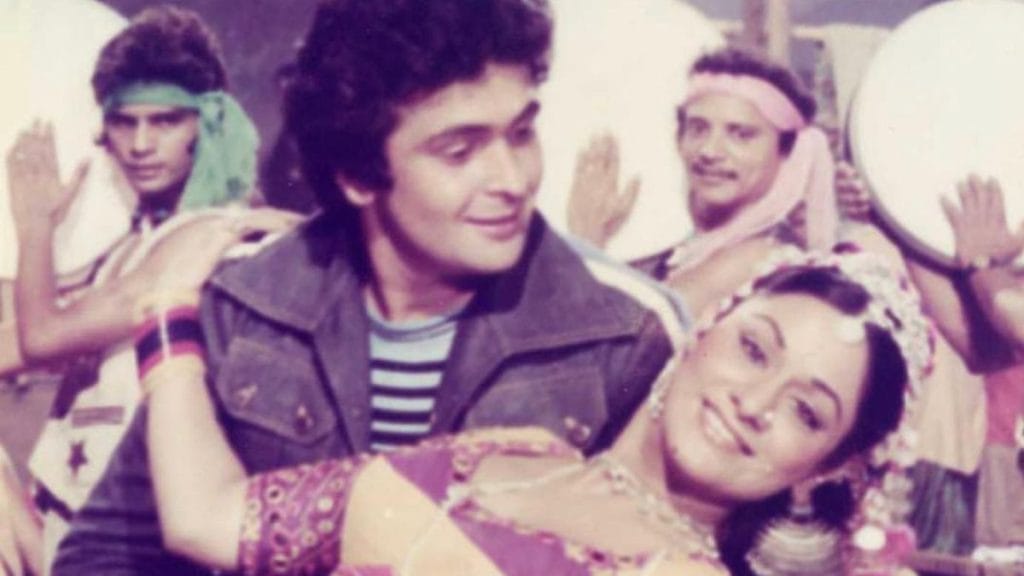
By the late 1960s and 1970s, Helen was joined by performers like Bindu and Aruna Irani, forming a trio of dancers who became indispensable to commercial Hindi films.
They occupied a carefully defined space. While heroines were expected to embody virtue — “innocence with a capital I,” as Kapur says — the cabaret dancer carried sensuality.
“It was sexy and suggestive along with a touch of innocence. Navketan films also made sure the dance numbers were not merely placeholders but would also carry the story forward,” Kapur added.
By the late 1970s, however, the form was beginning to tire.
The nightclub was changing. The global rise of disco, fuelled by Hollywood films like Saturday Night Fever (1977), was reshaping both sound and space. The cabaret’s smoky intimacy gave way to the discotheque’s pulsating energy.
Also Read: Dhurandhar 2 album is very Punjabi. There are no item songs
When disco took over
The 1980s began with the ultimate declaration that kickstarted the decade by Mithun Chakraborty. “I am a disco dancer,” sang Bappi Lahiri and Mithun danced. He gave everyone the signature footwork to follow. The movie and its songs were a rage in India and the Soviet Union. Songs like ‘Jimmy Jimmy’ and ‘Yaad Aa Raha Hai’ from Disco Dancer were set to disco beats and the gangly Mithun became an unlikely superstar.
Simultaneously, actors like Zeenat Aman, Parveen Babi, and occasionally Hema Malini were also crooning to night club songs for their films.
As the musicscape shifted everywhere, so did the singers and dancers. The monopoly of the Lata-Asha siblings never shook but the pool did expand.
“It is therefore no coincidence that in the 1980s, singers like Usha Uthup, Runa Laila, Salma Agha, Reshma, Nazia Hassan, Kanchan, and Preeti Sagar could enter the domain of Hindi film music to accompany their sonic presence in non-film genres,” writes film critic Jhingan in her book.
Disco music in Bollywood did overstay its welcome. In the later years, Bappi Lahiri kept producing chart-topping hits like ‘Yaar Bina Chain Kahan Re’ (Saaheb, 1985) and ‘Zooby Zooby’ (Dance Dance, 1987). But a new era of ‘Choli Ke Peeche’ (Khalnayak, 1993) type dance numbers that mixed traditional beats with raunchy moves were about to take over.
As the 1980s gave way to the 1990s, the industry reset, and so did the performers.
New faces like Mamta Kulkarni emerged, straddling both lead roles and dance numbers. For performers like Kalpana Iyer, the transition was less forgiving. Roles began to thin out, even as she delivered memorable appearances like ‘Pardesi Jana Nahin’ in Raja Hindustani (1996).
But the decade that had made her indispensable was already over.
After the spotlight
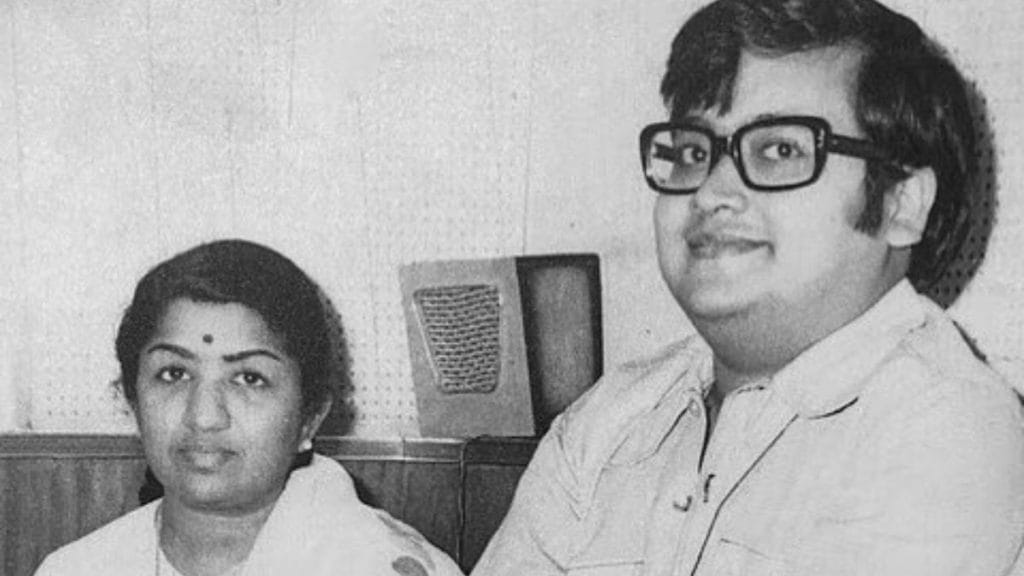
Kalpana Iyer shifted to Dubai in the late 1990s, and still lives there with her sister and nephew.
She has no regrets about her career.
If her on-screen image was built on sequins, shorts and high-octane glamour, her personal style has always leaned the other way.
“Kanjeevaram and flowers have been my identity even when models wore exquisite gowns,” Iyer said with a smile.
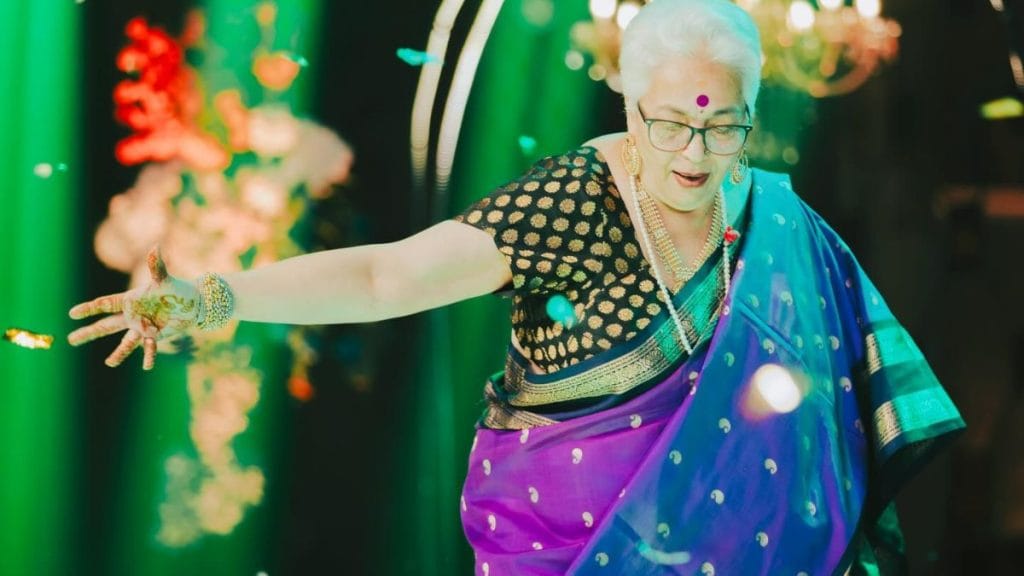
Her uninhibited dance at a wedding on 28 January in a saree and big bindi became the talking point on social media for weeks. Many even confused Iyer with Uthup, who also wears Kanjeevaram and bindis. Both women have made it their trademark style.
While she stopped acting decades ago, the recent popularity after her video has brought in a wave of interviews, event appearances, and also some promises of new acting gigs.
“The industry is more structured now because of casting agencies, and anyone can work in any of the industries. I have also got a few promises, but I am waiting to see if they become actual offers. Meanwhile, I would like to tell everyone that I am open to work,” Iyer said.
(Edited by Stela Dey)