





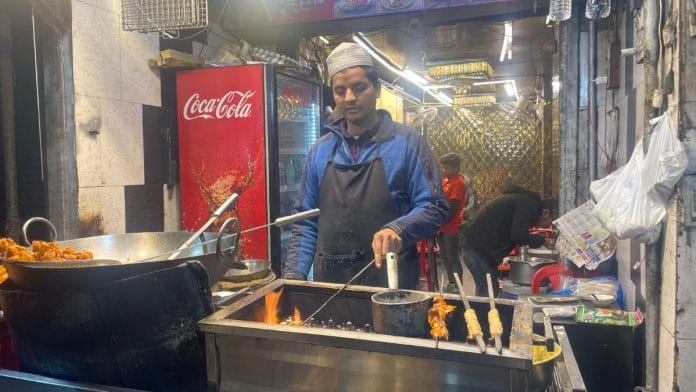



New Delhi: The roasted chicken at Mohd Tauseef’s Al-Jawahar restaurant tastes different between November and January. During these months, the restaurant switches from the coal-fired tandoor to cylinder gas. Even before this year’s ban, government authorities had already instructed the restaurant to stop using coal-fired tandoor during winter two years ago.
“Tandoor creating pollution is illogical but we have to follow the government’s guidelines,” said Tauseef. Al-Jawahar has been running near the Jama Masjid since 1947.
The tandoor found itself at the crossroads of Delhi’s battle against air pollution. The Delhi Pollution Control Committee (DPCC) ordered a ban on coal and firewood-fuelled tandoors across hotels, restaurants, and open eateries in the capital. The move comes amid worsening air quality; the Air Quality Index stood in the ‘severe’ category, touching 400 in some areas of the national capital on Saturday morning. The ban, announced last week, marks a significant shift for the city’s food industry.
Though vendors and restaurant owners on Daryaganj road and Jama Masjid have been cooperating with the ban, mindful of the Rs 5,000 fine hanging over them, they personally dismiss the claims of tandoor contributing to the pollution. Customers and food experts are disappointed. They have labelled the government’s approach as “plain theatrics”.
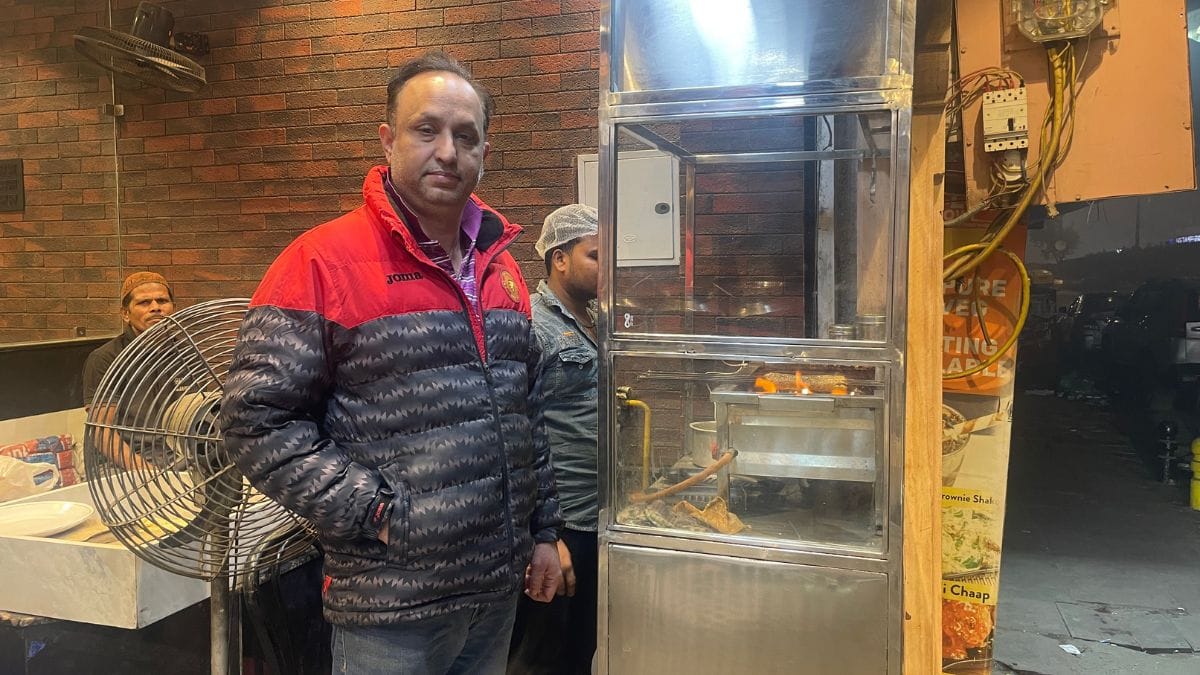
“The smoke from the coal-run tandoor comes only when the butter touches it. That also isn’t too much. Additionally, you won’t find 50 shops adjacent to each other or in a clutter. They are spread across, hence, the production of smoke through tandoor under any circumstance isn’t ‘too much’,” Tauseef said.
No coal, no flavour
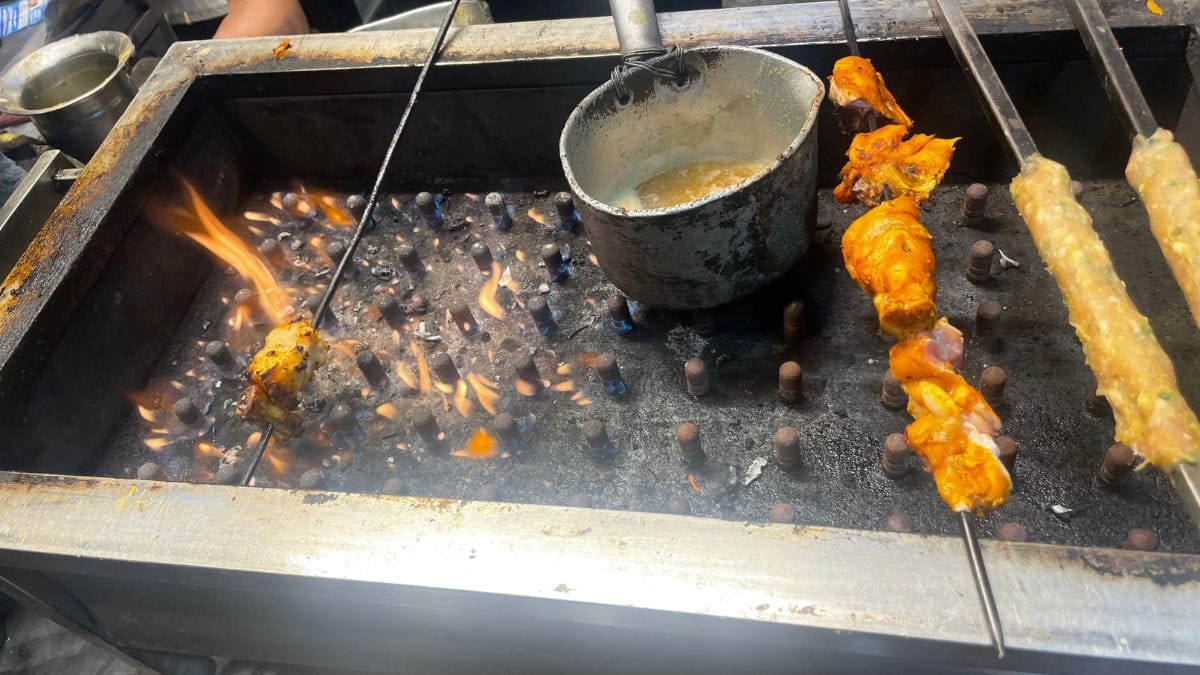
Chicken cooked over coal develops a smoky, charred flavour from the burning embers and natural smoke. On the other hand, gas-cooked chicken is without that distinct smokiness.
“Anyone who eats tandoori chicken will miss the flavour of coal, it’s not just me,” said Vipul Singh, who arrived at the Daryaganj road with his friends on three black activas.
Singh described that the meat cooked on coal is still juicy with charred edges.
“There is also a natural smoke that gives it an earthy aroma, something which is quite difficult to replicate with gas or electric heat,” he said.
Then there is Shah Bano, who lives in the narrow lanes of Chandni Chowk. She stopped by the vendors to buy the cooked chicken. Her plan was to take it home and finish it with a coal dum-phuk in her kitchen before serving it for dinner.
“There is no flavour without coal,” she said. “My relatives have come from Ajmer and want to eat Chandni Chowk’s tandoori chicken. How can I serve this?”
While Bano refuses to comment on the government’s schemes, Singh calls it “hilarious.”
“First they should target pollution from cars and firecrackers. How can tandoor be their priority,” he said.
‘Not just a ban but cultural disruption’
Food historian and writer Sadaf Hussain argues that the problem isn’t regulation itself, but blanket regulation. Treating a small roadside tandoor as equivalent to an industrial burner, he said, is fundamentally flawed—the two differ vastly in scale, function, and environmental impact.
The tandoor, Hussain said, also holds memories. The smoky flavour isn’t simply a taste; it also means that things will stay the same. This food comes from a long line of places, including refugee camps from Partition, Punjabi dhabas, Mughal kitchens, roadside Muslim bakeries and working-class cities.
“Taking down the tandoor doesn’t simply change the source of heat; it also breaks a cultural rhythm that has moulded how people in Delhi eat, get together, and remember. This gets sharper in the winter,” he said.
Historically, cold weather has made people cook more with fire since it offers warmth, food, and a reason to gather. A winter tandoor accomplishes two things: feeding people and holding the neighbourhood together.
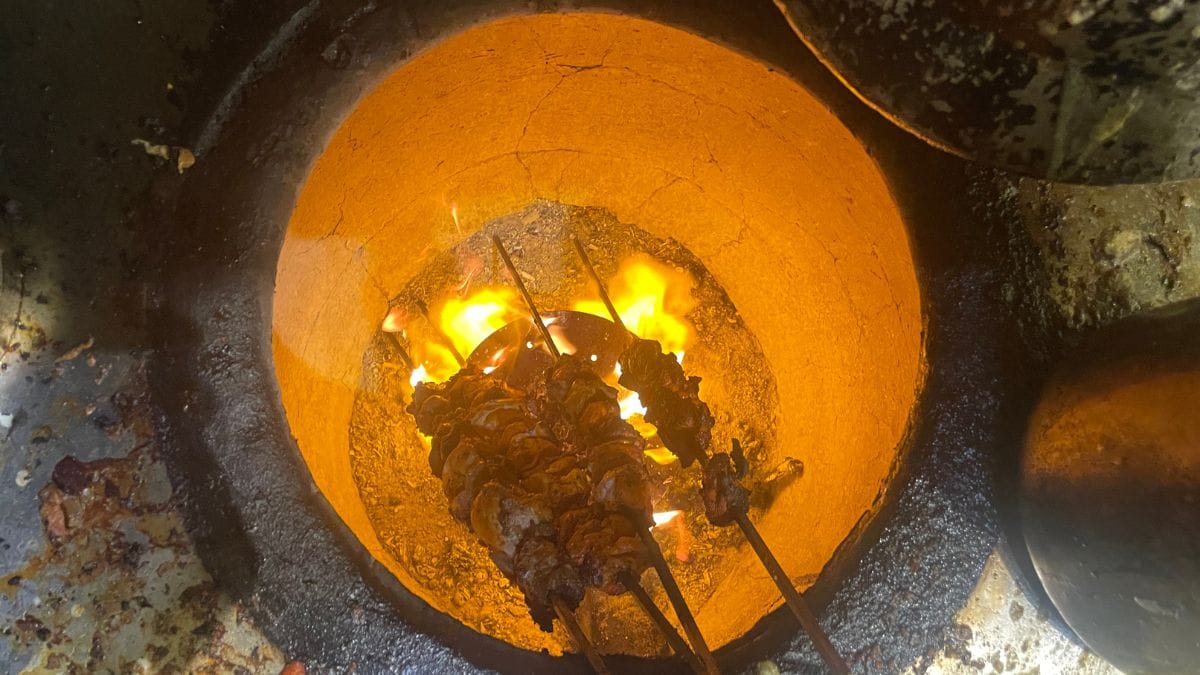
“Banning it during peak season is a cultural disruption,” he said, adding that a tandoor is not about nostalgia for a chef or restaurant. “It’s about physics. Coal and wood create an uneven heat, living heat through embers.”
That gives the naan a blistered texture, smoky fat drips, charred edges, and that slightly bitter, delicious smell.
Electric and gas tandoors, on the other hand, make food very polite.
“Its not as aggressive. Not as alive, not as delicious,” he said.
According to the 2016 MasterChef India contestant, the whole point of the menu at road-side outlets is to have one fire perform a lot of things quickly and cheaply. If the tandoor is taken away, they either have to water down the food or give up.
“Delhi needs air that is cleaner. No serious cook or citizen would say anything otherwise. But when we control something as old, we will slowly flatten the city’s food essence and texture,” he said, calling the Delhi government’s decision “plain theatrics”.
“We need to come up with other options that respect flavour, culture, and most importantly, the work and lives of the individuals who are engaged,” he added.
Also read: Kashmir embraced a Turkish TV show. Wazwan still set the limits for food
Vehicles & garbage burning
At Huzaifa’s family-run shop, Al-Yamin, the tandoor was shut last month itself. He said that tandoor is an essential part of “purani delhi ka khana” so banning it is a direct hit at the culture of the market.
But, now, he said, pointing toward a line of cylinders, “we use gas.”
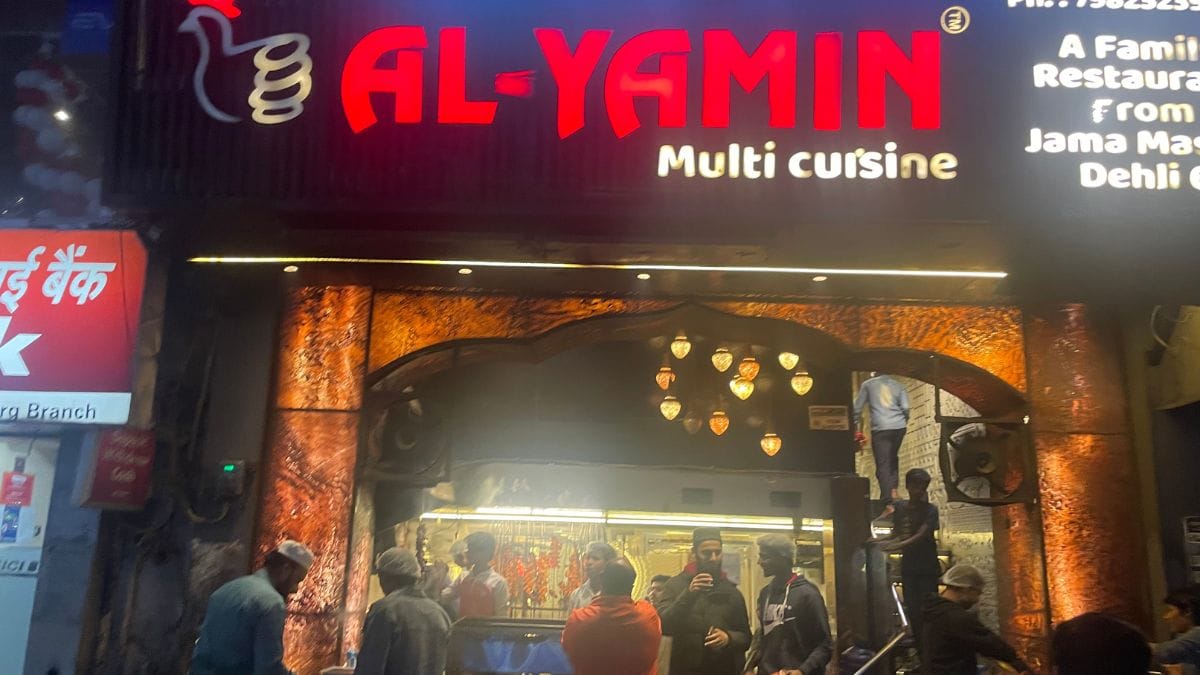
“I don’t understand what pollution the tandoor creates but we have been trying our best to cooperate with the government,” the 22-year-old added.
For the vendors, the actual culprit is vehicles.
“In comparison to the tandoors, cars create much more pollution,” Huzaifa said.
To this, Tauseef added a key element of Delhi’s nightlife, which certainly is a key contributor to the pollution.
“People on the road across Delhi lit cardboard and plastic to keep themselves warm at night. They cannot afford to buy wood, so they use everything, including garbage, easily available to light a fire. That is the most harmful air generated,” Tauseef said.
Behind Jama Masjid, a row of vendors continues to function despite the tandoor ban. At one such shop, a customer leans in, quietly asking about chicken cooked over coal smoke.
“Come after 12 pm,” the shop-owner responded, as he roasted the skewers on the gas stove.
(Edited by Ratan Priya)