





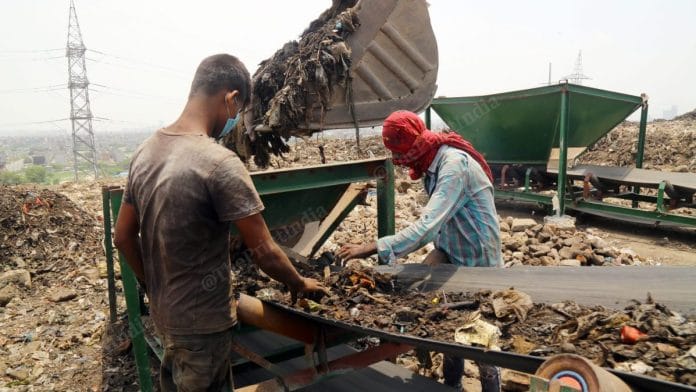



New Delhi: From 1 April 2026, the new Solid Waste Management Rules of 2026 will come into force across the country. Notified on Wednesday, these rules provide definitions and measures through which governments, cities, institutions, and commercial establishments are expected to manage their waste.
This is the first time the Solid Waste Management Rules have been amended since 2016.
By clearly defining the roles of ‘waste generators’, be it an individual or institution, the SWM Rules, 2026 majorly change the way in which the responsibility for waste management is divided. Now, even residential societies and buildings will need to ensure their waste is collected, segregated, and disposed of in an “environmentally sound” manner.
“This provision is expected to significantly reduce the burden on urban local bodies and promote decentralised waste management,” said the press release on Wednesday.
One of the major changes brought about by these rules is mandating the segregation of waste at the source into four types, as opposed to the earlier three types: wet, dry, and sanitary, with special care added as a new section.
The rules also lay out the way compensation will work in case of false reporting, forged documents or operating without registration — the ‘Polluter Pays’ principle will now apply to these environmental violations.
The new SWM Rules, notified by the Union Ministry of Environment, Forests and Climate Change (MOEFCC), replace the decade-old Solid Waste Management Rules of 2016. While progressive in their own way, the 2016 rules had been criticised for a poor implementation of measures such as user fees, waste segregation, and especially landfills. For this reason, the new rules are expected to increase accountability and transparency in the origins and disposal of waste, while ensuring stricter penalties for non-compliance.
According to the SWM Rules document, there are now also specific provisions for how solid waste management occurs in hilly areas — collecting fees from tourists and visitors, setting up decentralised waste processing facilities, and adopting step garden systems to optimise space use on hills.
Also read: Air from Thar Desert is polluting Himalayas. Causing breathing, skin and stomach issues
‘Bulk waste generators’
The new rules have a new category called ‘Bulk Waste Generators’, which refers to entities that have more than 20,000 square metres of floor area and consume more than 40,000 litres or generate more than 100 kgs of waste every day.
These ‘Bulk Waste Generators’, which include residential buildings and societies, now need to register themselves on an online portal. They now also have the responsibility to ensure that the waste produced by them is segregated at the source, instead of leaving the segregation to the municipal bodies. The addition of the Extended Bulk Waste Generator Responsibility (EBWGR) will make sure that BWGs process their wet waste as much as possible on-site. In case they can’t, they are expected to obtain an EBWGR certificate saying it is not possible for them.
This is expected to ease the load on municipal bodies and also ensure greater waste segregation since BWGs are responsible for 30 per cent of waste generation in the country. In addition to this, to keep cities from having more legacy dumpyards and landfills, the new rules propose higher ‘landfill fees’ for entities sending unsegregated waste, and also an annual ‘landfill audit’ by State Pollution Control Boards, with the involvement of district collectors, to see how landfills in a city are performing on an annual basis.
The new rules also have provisions for local bodies and municipalities to register for and trade in carbon credits, increasing their involvement in the ‘circular economy model’ of the country.
(Edited by Aamaan Alam Khan)