





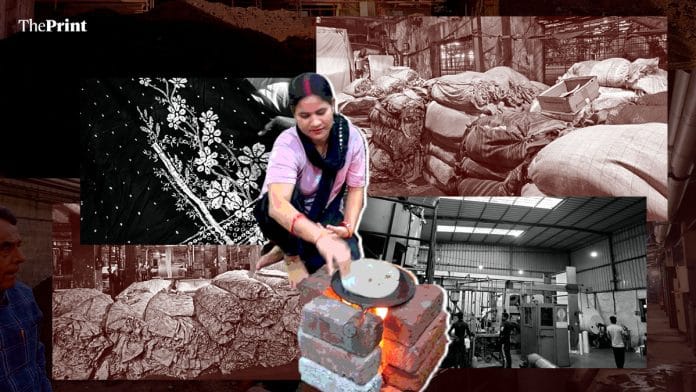



Surat: In the narrow lanes of Kapodra on the outskirts of Surat, India’s textile hub, an unsettling silence hangs in the air. The mills may still be running, but panic, anxiety, and anger are mounting in the surrounding residential colonies.
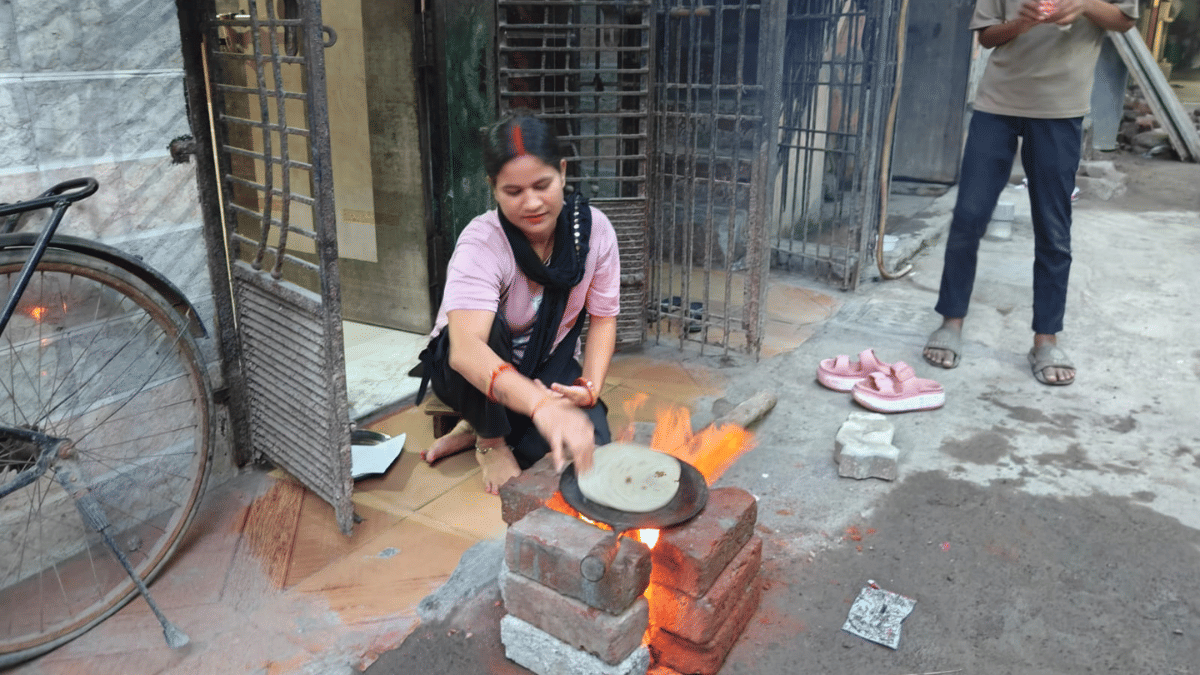
Workers in the city’s textile industry are packing up and leaving in hordes, not because their jobs are immediately at risk, but because their daily lives are. LPG supplies are increasingly scarce and prices are soaring, forcing families to cook on makeshift chulhas fashioned from stacked bricks.
This Gujarat city may be far removed from the battlefields of West Asia, but its famous textiles industry and the lives of those who depend on it are deeply affected by the war there.
Rising raw material costs, disrupted air routes, and gas shortages are slowing down production and squeezing margins. The strain is resulting in delayed shipments, disrupted supplies, and growing pressure on units.
Textile traders in the city, including large groups, told ThePrint they are able to hold steady for now and do not see this as a full-blown crisis, but raw material costs have risen sharply, and gas supply constraints are disrupting production.
Surat’s textiles industry is heavily dependent on imports from the Middle East—particularly countries like the UAE, Saudi Arabia, and Kuwait—as well as China.
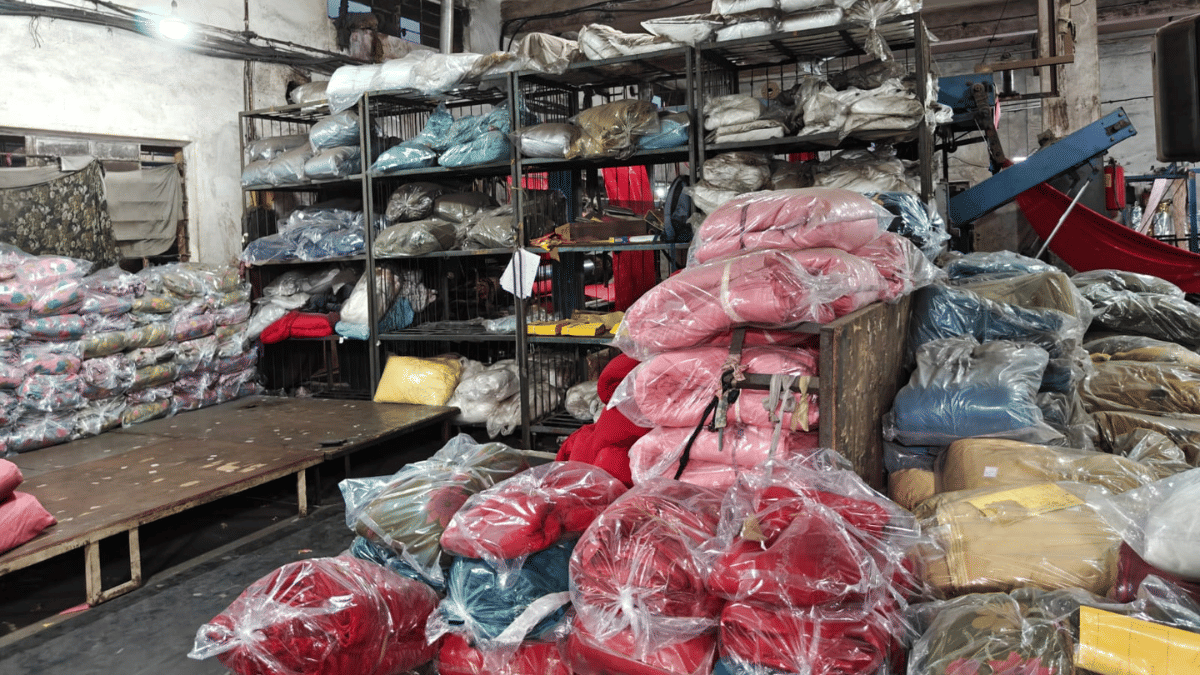
The industry’s synthetic segment depends on imported inputs rather than finished fabrics. It sources petrochemical raw materials like PTA (Purified Terephthalic Acid), MEG (Mono Ethylene Glycol), and polyester chips from West Asian countries, while China supplies synthetic yarns, dyes, and machinery. This makes the industry highly vulnerable to disruptions in oil-linked and manufacturing supply chains.
The ongoing war between the US and Israel on one side and Iran on the other has also affected exports and stalled payment cycles.
Adding to the woes is the disruption in the supply of Natural Gas and LPG for the industry that depends on high-temperature heating for several manufacturing stages of the fabric, including yarn treatment, fabric finishing, dyeing, and bleaching.
“Raw material costs have risen sharply, with polyester fibre alone up by about Rs 24- 50 per kg,” said Rahul Shah, Co-Chair of the Textile Committee at The Gujarat Chamber of Commerce and Industry.
“Overall, input costs have increased by 7 to 10 percent, including dyes, chemicals, and packaging. The industry is heavily dependent on gas, whether PNG or LPG, for processes like cinching ( stabilising fabric using high temperatures) and finishing, as well as for garmenting. Any disruption or price rise in gas supply directly impacts production,” he said.
According to government and industry estimates, Surat’s textiles industry is one of India’s largest job creators, employing around 15–18 lakh workers. It produces about 40 percent of the country’s man-made fabric, with an estimated daily output of 60 million metres.
The industry is supported by a large base of 6–7 lakh powerlooms, 400–500 processing units, and nearly 1 lakh embroidery machines.
Trade via Dubai hit
Industry players told ThePrint that the sector has faced one crisis after another—from the Russia-Ukraine war and pandemic to Trump-era tariffs—and has managed to cope each time. But the constant shocks are now starting to strain the industry.
Speaking to ThePrint, Ashok Jeerawala, the President of the Federation of Gujarat Weaver Association (FOGWA), elaborated on the challenges.
“Nearly 80 percent of Surat’s textiles production caters to the domestic market, but the remaining 20 percent export segment has completely stalled. Dubai, which serves as a key export hub connecting shipments to over 45 countries, has seen operations disrupted, bringing exports to a near standstill. Payments are stuck, deliveries have halted, and cash flow cycles have effectively broken down.”
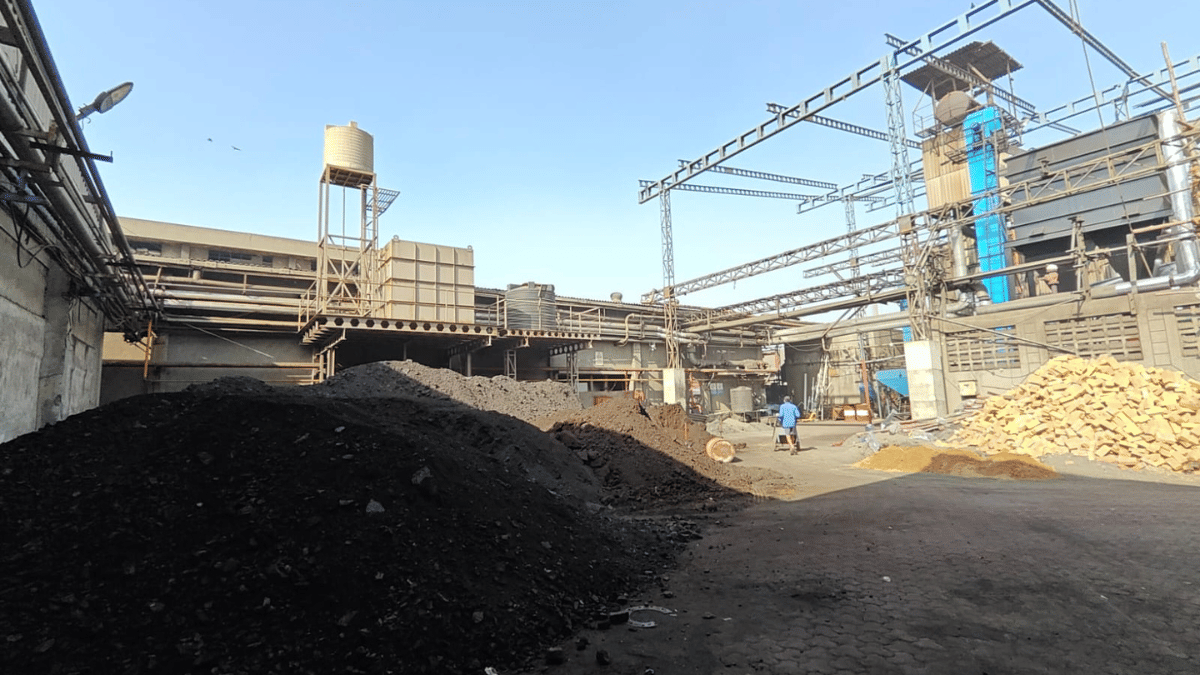
The war has also led to a disruption in the supply of coal, which is a critical backbone for textile processing units. Shortages and supply constraints are emerging as key concerns, adding to the overall stress in the industry.
Jeetu Vakharia, the president of the South Gujarat Textile Processors Association, who also owns a dyeing and printing unit, told ThePrint that while coal shortages are straining operations, the industry is working towards solutions to stay afloat
“We rely heavily on imported coal, almost 96 percent, and much of it comes from Indonesia. But with the ongoing conflict, supplies are tightening as countries are holding back resources. Domestic coal is available in Gujarat, but its quality is lower, so we are currently using a 50–50 mix of Indian and Indonesian coal. Despite the challenges, our workers remain unaffected. We’ve weathered crises before and are confident of navigating this one too.”
However, a payment crisis is emerging across the industry, with the cycle strained due to the war and a large share of payments stuck in hubs like Dubai. Buying capacity has also taken a hit amid the ongoing conflict.
Kailash Hakim of the Federation of Surat Textile Traders Association told ThePrint that buyers’ paying capacity has declined due to multiple pressure peaks across the industry.
“Whenever there is a crisis, raw material costs shoot up, imports and exports take a hit, and buying capacity falls. There is psychological stress from the war that makes consumers hold back and spend more on essentials. It is a double whammy, raw material costs shoot up, our trade routes are shut, and even our loyal customers are not buying,” he said.
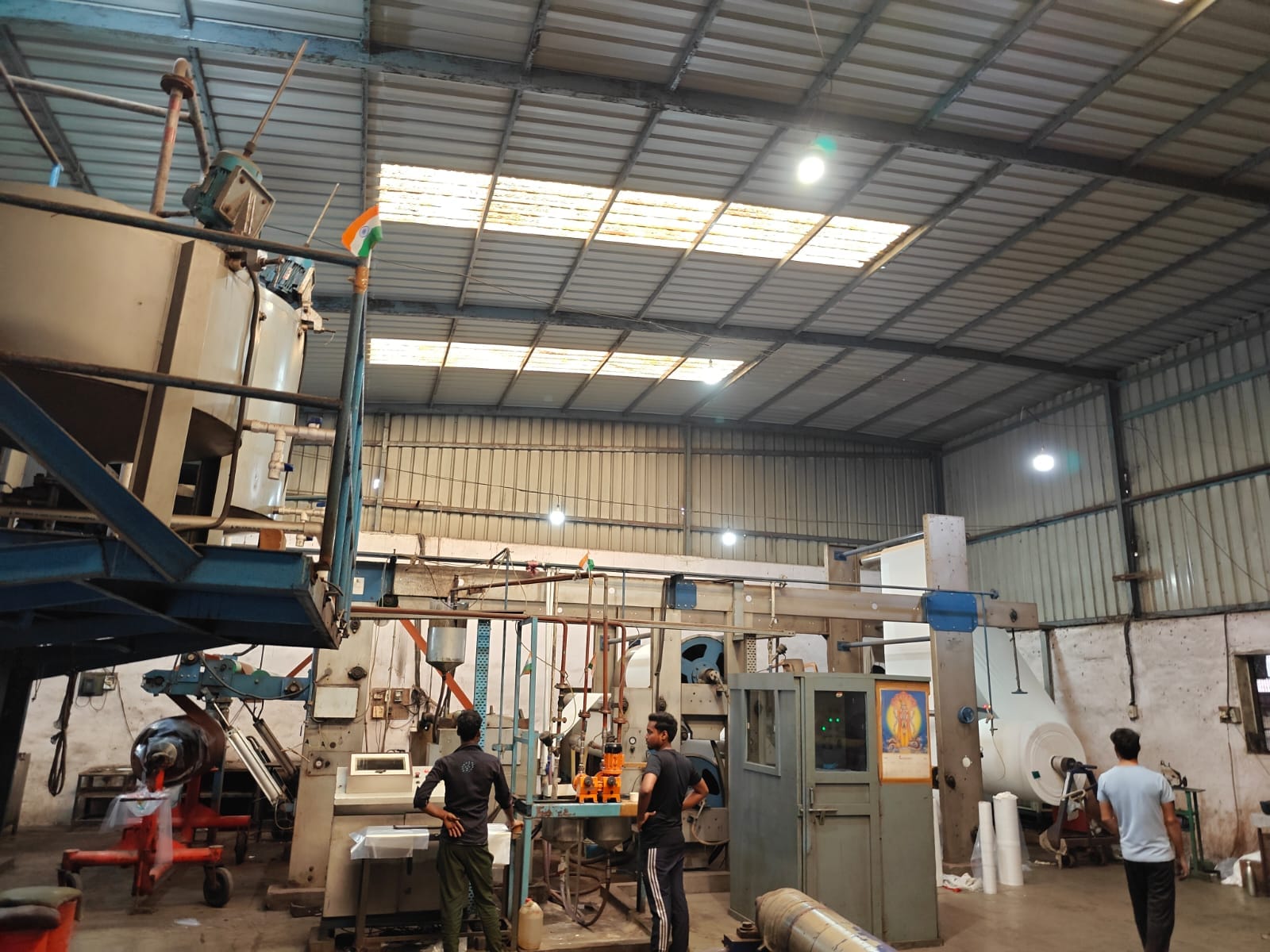
Industry players stated that while much of the industry is managing to stay afloat, the threat of eventual shutdowns and job losses looms large over a sector that employs at least 15 lakh workers and enables many women to work from home and earn a steady income.
Labour crisis The Udhna Junction in Surat has been witnessing a steady stream of outbound employees over the past week, with workers—mostly from Uttar Pradesh, Bihar, Odisha, and Jharkhand—boarding trains back to their native places.
“We earn Rs 500 a day, the gas suppliers are asking for Rs 700 for a kilo of gas. How will we afford that? How will we feed our children?” said Lokesh Kumar, a daily wage worker from Uttar Pradesh’s Mau.
Umesh Jadugar, a labour contractor, estimates that about 60 percent of labourers have already left, and those who have the option to return home are likely to leave as soon as they can.
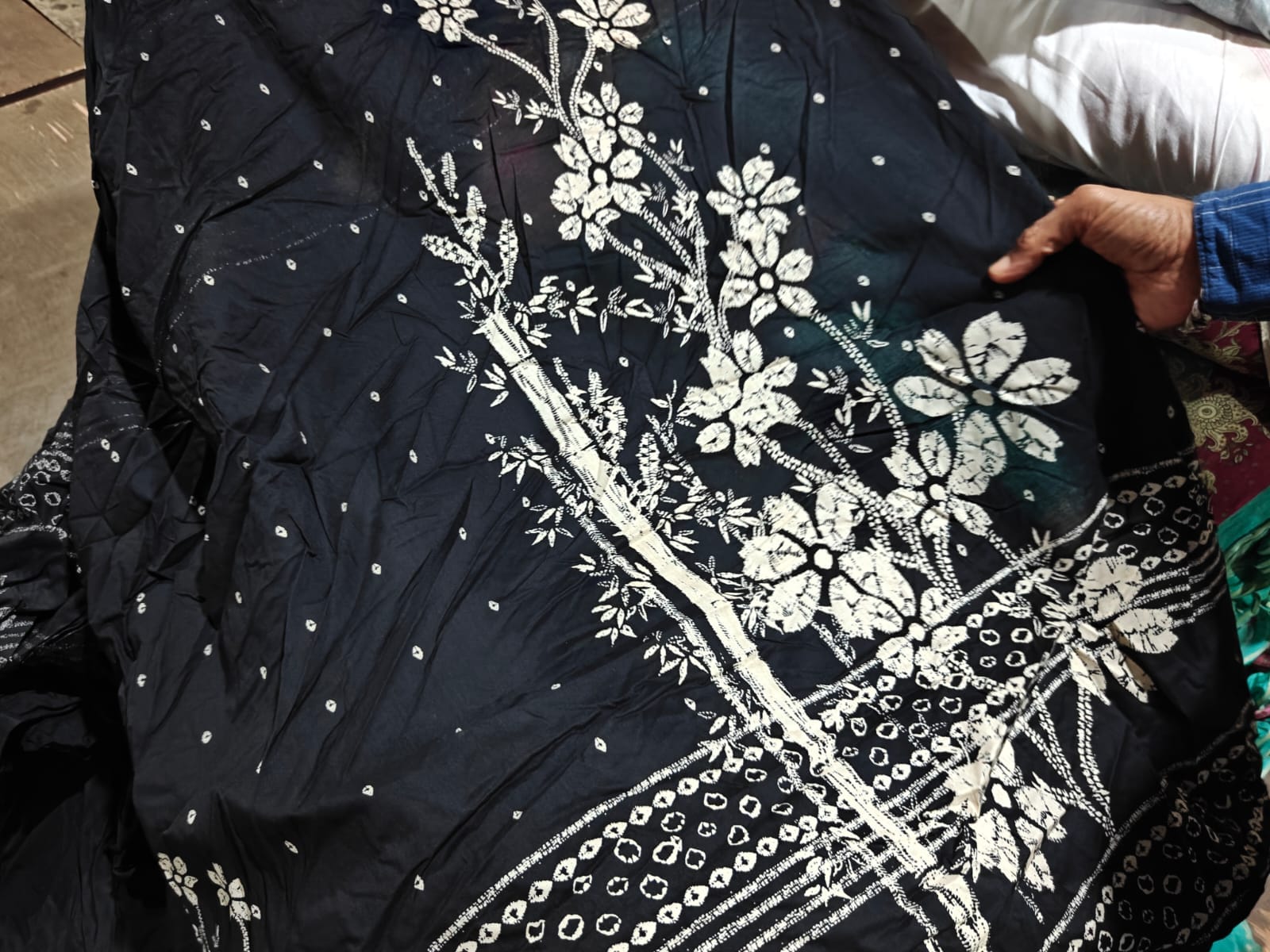
The shortage of LPG cylinders has made it difficult for daily wage labourers and their families to sustain themselves. They allege harassment and profiteering during the crisis by local gas suppliers, who are inflating costs by 7-10 times.
ThePrint visited several clusters in Surat’s Kapodra area, home to a large number of textile workers, where colonies are beginning to empty—nearly 6 out of 10 homes are now locked. And the ones that aren’t, their occupants have to go back to traditional chulhas for cooking.
Families have been pushed into a sharp setback as the kitchens that once relied on steady gas supplies have shifted to the streets, with rising anger among women who spend hours collecting firewood for cooking meals.
“We now have to collect firewood to cook. We’ve set up a chulha here and take turns using it, because our homes are too small to handle the smoke,” chimed women in the colony, whose husbands work in the textiles industry.
Frustrations are now peaking in families who have stayed back in Surat.
“This is our home—we have nowhere to go. Why isn’t the government capping gas prices? Are we only remembered during elections? We need intervention now. Why is no one acting against these gas suppliers?” asked 67-year-old Kamla Devi, a resident of Kapodra, who has lived here for the past 40 years.
Industry players say this is no longer just an economic slowdown of an industry, but a human crisis, with labourers packing and leaving.
Umesh, a daily wage worker, told ThePrint that there is no clarity on when the situation will improve, and fear is growing among labourers.
“We all earn so little. We are unable to afford gas. What if in the coming days the prices of vegetables and other daily amenities shoot up? How will we survive? What will happen to our children?” he sighed helplessly.
Kailash Hakim of the Federation of Surat Textile Traders Association explained the trend among labourers. “They function in groups—if one faces a problem, others begin to fear it, and it quickly turns into a full-blown exodus. There is already a 15 percent shortage and now the LPG crisis is only adding to it.”
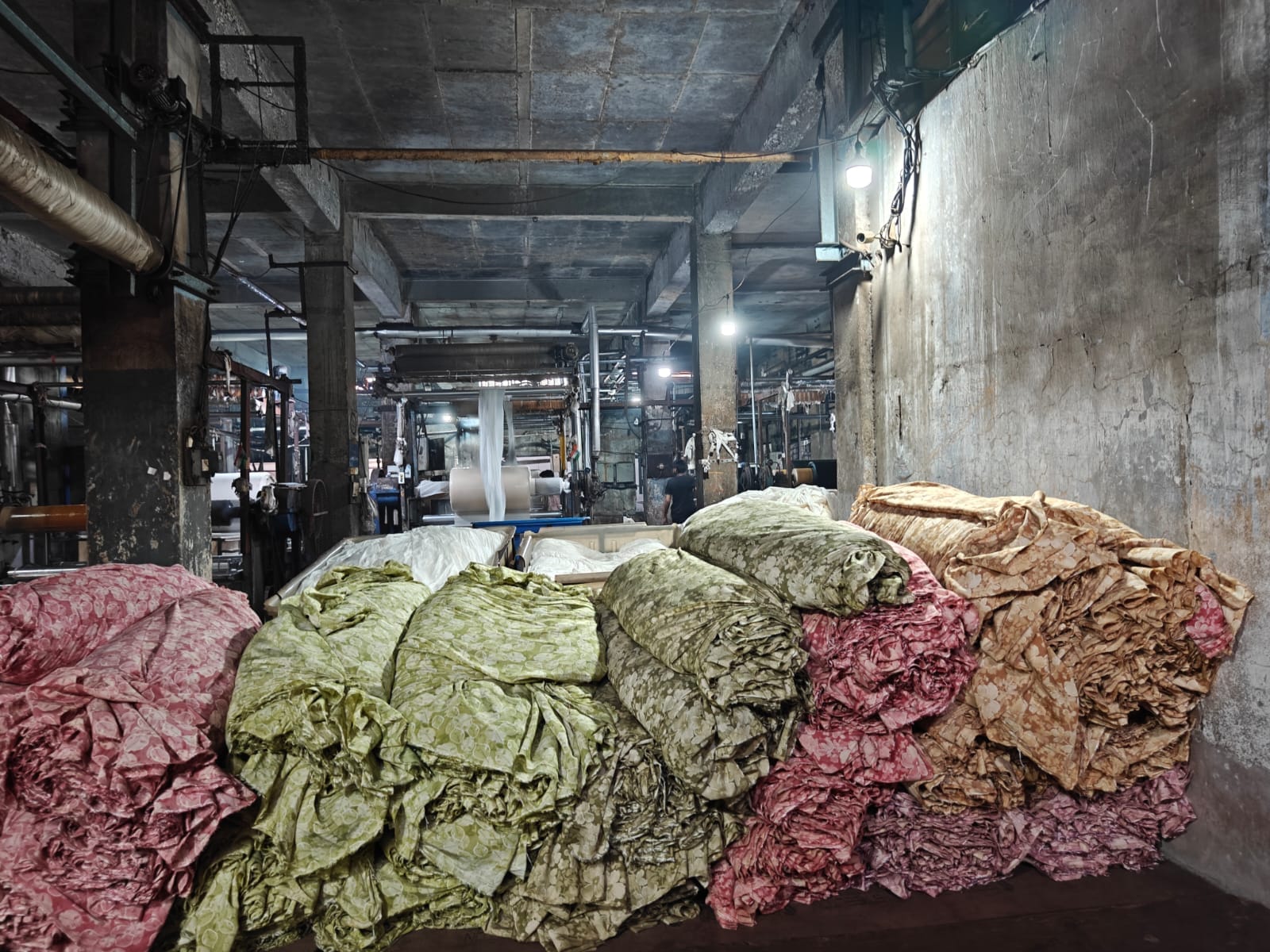
To ease the crisis and prevent more labourers from leaving town, industrialists have started community kitchens which provide meals at subsidised rates.
Jeetu Vakharia, the president of the South Gujarat Textile Processors Association, said he has been running a community kitchen in Surat’s Pandesara for the past year, where the number of meals being served has risen from around 1,000 earlier to nearly 5,000 now a day now.
“The labourers are unable to afford LPG right now, and they are no longer able to cook regularly, so we provide them with full high-quality meals which include- dal, roti, sabzi, and rice. Some labourers take food for lunch and dinner as well. Factory owners also buy from us to distribute to their workers,” said Vakharia.
For now, Surat’s looms may still be running, at rising costs, but the foundation they rest on is beginning to crack. The crisis is no longer confined to factories; it is unfolding inside homes. If the conflict continues, there is little clarity on how India’s textile capital will sustain itself.
(Edited by Ajeet Tiwari)