Politics
Ground Reports
Opinion
National Interest
PoV
50-Word Edit
Defence
Diplomacy
India
Economy
ThePrint On Camera
Videos
In Pictures
Society & Culture
Around Town
Book Excerpts
Vigyapanti
The Dating Story
Health
Science
Science
Tech
World
Events
Off The Cuff
The Speakers Bureau
School of Journalism
ThePrint Store
More
Judiciary
Education
YourTurn
Work With Us
Campus Voice
Search
Add ThePrint as a trusted source
✕
Youtube
Twitter
Instagram
Facebook
Whatsapp
Telegram
LinkedIn
Saturday, October 10, 2026
Support Our Journalism
Politics
Ground Reports
Opinion
National Interest
PoV
50-Word Edit
Defence
Diplomacy
India
Economy
ThePrint On Camera
Videos
In Pictures
Society & Culture
Around Town
Book Excerpts
Vigyapanti
The Dating Story
Health
Science
Science
Tech
World
Events
Off The Cuff
The Speakers Bureau
School of Journalism
ThePrint Store
More
Judiciary
Education
YourTurn
Work With Us
Campus Voice
Search
Home
Authors
Posts by K.B.S Sidhu
K.B.S Sidhu
54 POSTS
KBS Sidhu is a former IAS officer who retired as Special Chief Secretary, Punjab. He tweets @kbssidhu1961. Views are personal.
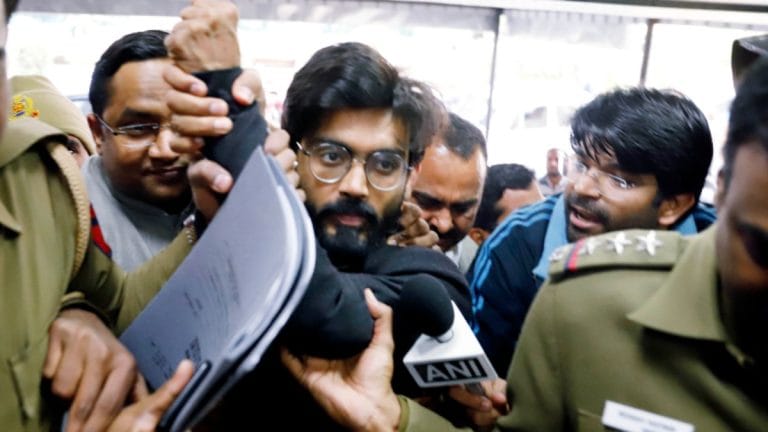
Sharjeel Imam wants to pick up where 1946 left off. A Sikh reads the fine print
K.B.S Sidhu
-
October 10, 2026
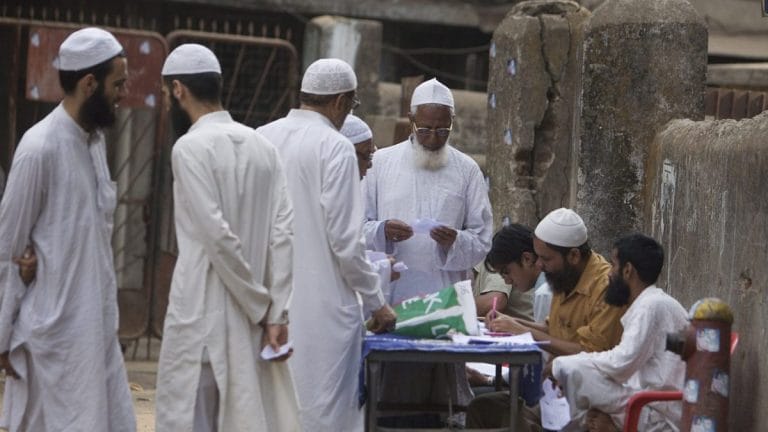
Muslim dissenters need cover in India. The Republic cannot blame only the Qaum
K.B.S Sidhu
-
September 20, 2026
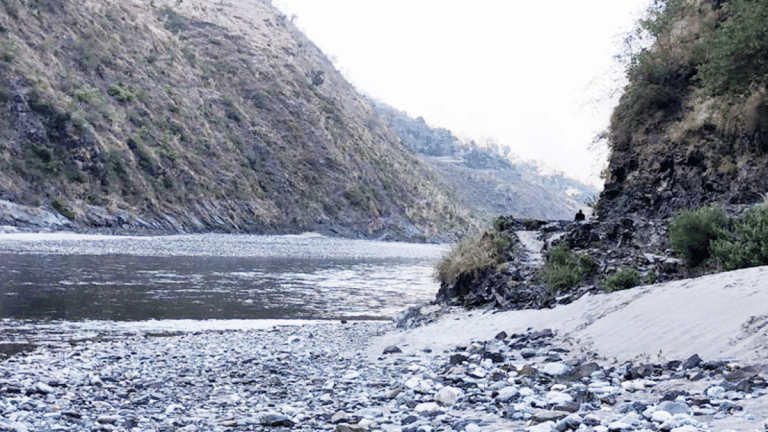
Amit Shah counted 10 water disputes. Why is Punjab’s Yamuna claim not one of them?
K.B.S Sidhu
-
September 16, 2026
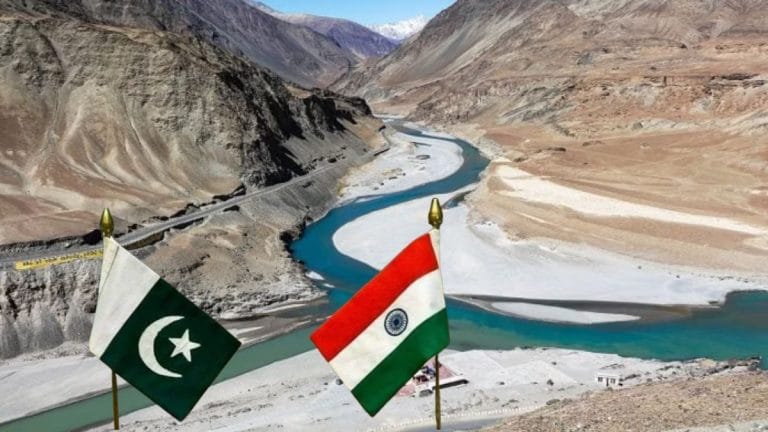
India has rejected The Hague’s Indus ruling. Now it must act on the rivers
K.B.S Sidhu
-
September 2, 2026
Mohan Bhagwat doesn’t decide if Muslims belong in India. The Constitution does
K.B.S Sidhu
-
August 31, 2026
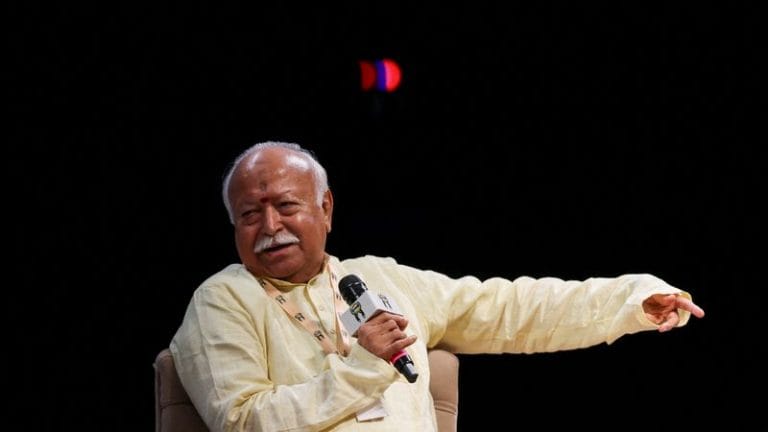
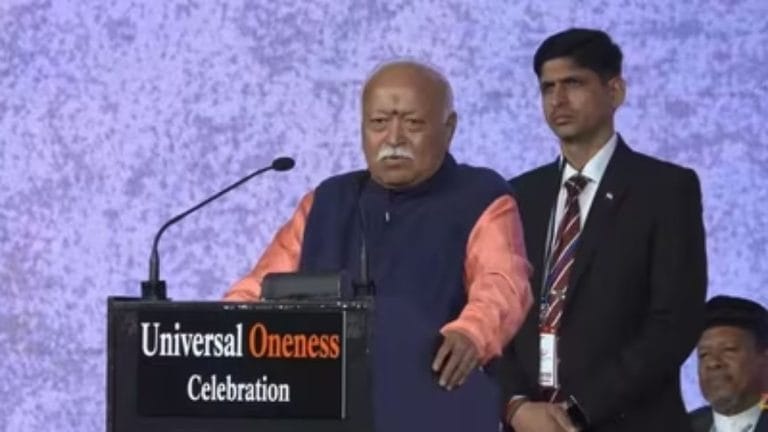
Muslims, Sikhs, Christians—how minorities are reading Mohan Bhagwat’s New York speech
K.B.S Sidhu
-
August 30, 2026
Punjab’s biggest IAS batch in 30 years has no real work. Govt is keeping them in waiting room
K.B.S Sidhu
-
August 28, 2026
The new Vande Mataram Bill revives a debate India settled decades ago
K.B.S Sidhu
-
July 29, 2026
Beyond sacrilege and Satluj, this is how Punjab must fix its fiscal crisis urgently
K.B.S Sidhu
-
July 16, 2026
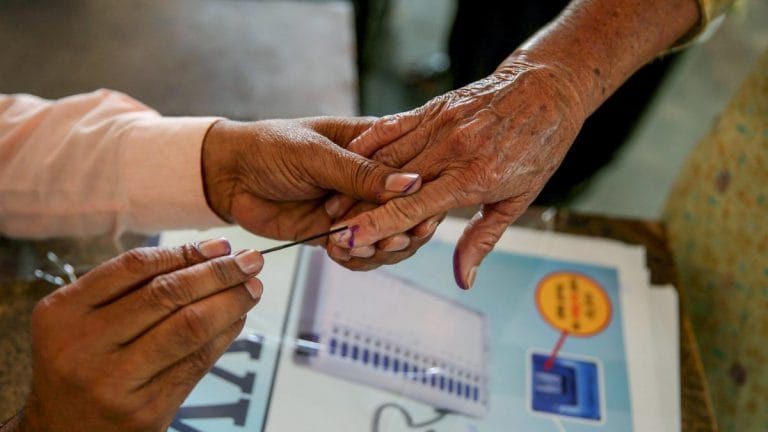
There’s no need to make the right to vote a fundamental right. It’s already well-protected
K.B.S Sidhu
-
June 23, 2026
1
2
3
...
6
Page 1 of 6
✕
0
COMMENTS
Cancel
Required fields are marked
*
This field is required.
Name
*
Email
*
Δ




COMMENTS