Adding Sridhar’s book to my reading list. I have read Sharma’s and can definitely recommend it to others.
It is high time we studied ourselves through our lenses and our perspectives, lest outsiders define who we are and what our traditions are and say, even as they largely lack both an awareness of the cultural context and the reverence for the texts they study, inevitably leading to (unintentionally quoting someone) ‘distortions, misrepresentations, and outright lies’.
And this is a problem even when there is no ulterior motive of conversion or racism or prejudice involved; a simple lack of cultural context, appreciation, understanding, or reverence is sufficient to produce lopsided accounts.
And that has what has happened with the Manusmriti, as it has with much else, only in the Manusmriti, ‘The Laws of Manu’ have become a potent stick with which to beat the Sanatana/Dharmic traditions and demonise it through the bogey of ‘casteism’ (not even a Bharatiya category).




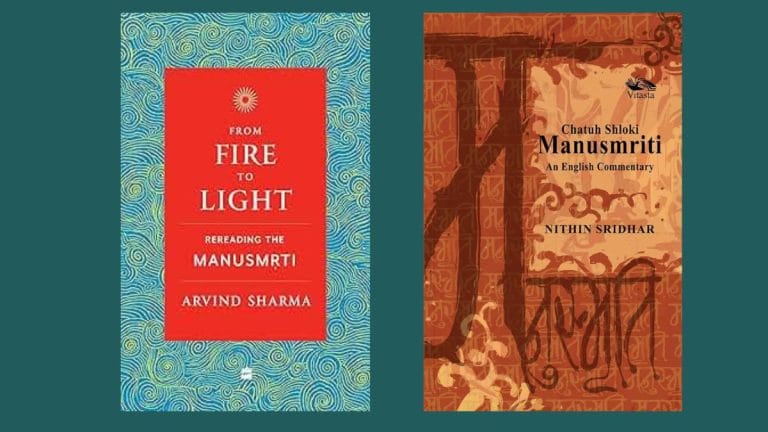

Adding Sridhar’s book to my reading list. I have read Sharma’s and can definitely recommend it to others.
It is high time we studied ourselves through our lenses and our perspectives, lest outsiders define who we are and what our traditions are and say, even as they largely lack both an awareness of the cultural context and the reverence for the texts they study, inevitably leading to (unintentionally quoting someone) ‘distortions, misrepresentations, and outright lies’.
And this is a problem even when there is no ulterior motive of conversion or racism or prejudice involved; a simple lack of cultural context, appreciation, understanding, or reverence is sufficient to produce lopsided accounts.
And that has what has happened with the Manusmriti, as it has with much else, only in the Manusmriti, ‘The Laws of Manu’ have become a potent stick with which to beat the Sanatana/Dharmic traditions and demonise it through the bogey of ‘casteism’ (not even a Bharatiya category).