A Meeting that Changed Indian Art (1881)
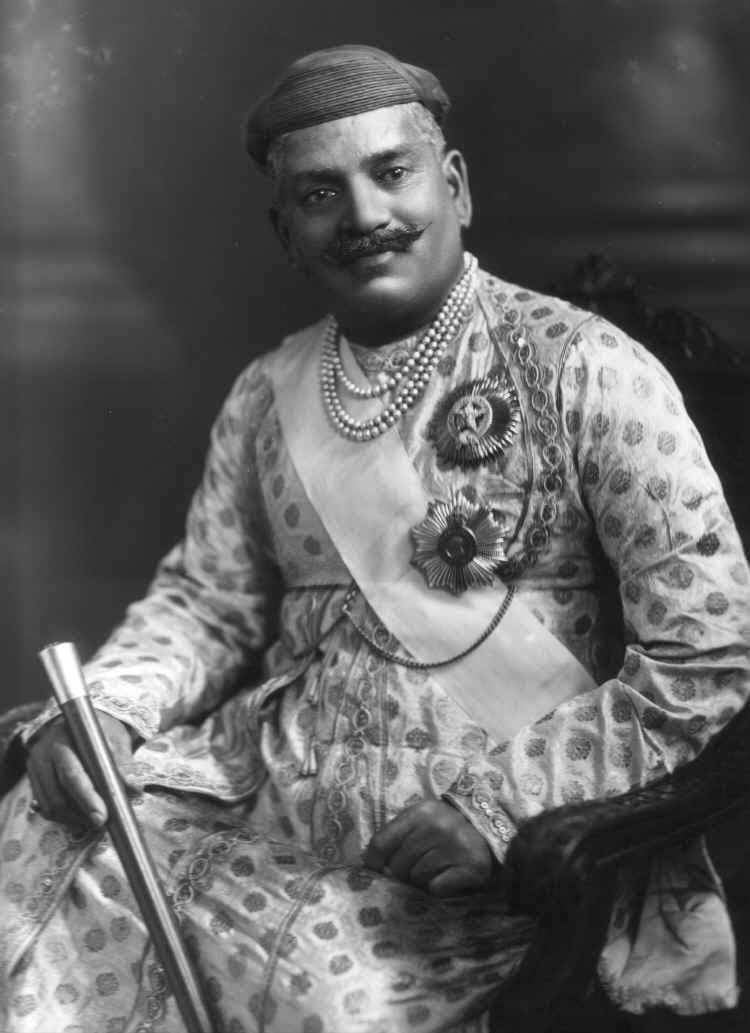
The encounter between Raja Ravi Varma and Sayajirao Gaekwad III in 1881 marks a decisive turning point in Indian cultural history. Ravi Varma, though already recognised for his skill, found in Baroda not merely patronage but purpose. Sayajirao, a ruler deeply invested in education and cultural reform, saw in the artist the possibility of shaping a new visual language for India. This was not a routine royal commission. It was a conscious act of cultural imagination. By inviting Ravi Varma to Baroda, Sayajirao was aligning art with his larger vision of modernity, one that embraced both Indian tradition and European innovation.
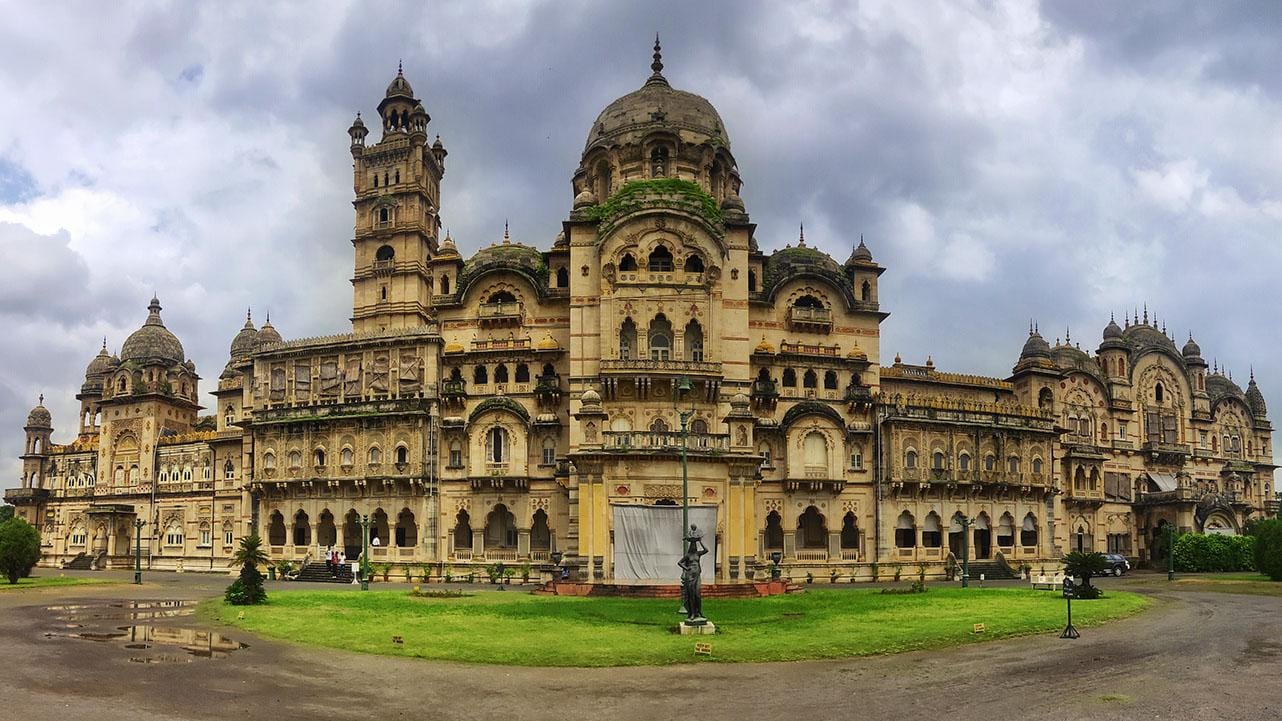
Lakshmi Vilas Palace: A Laboratory of Aesthetic Modernity
Within the grand interiors of Lakshmi Vilas Palace, Ravi Varma produced some of his most iconic works. Drawing upon epics such as the Mahabharata and Ramayana, he rendered mythological figures with unprecedented realism.
Gods became humanly accessible. Heroes acquired emotional depth. Myth was translated into a visual idiom that could speak across regions and classes. The palace, thus, became more than a residence, it became a site where Indian mythology was reimagined for a modern age.
Sayajirao’s role here was crucial. He provided the artist with space, resources, and, above all, intellectual freedom. This combination allowed Ravi Varma to experiment at scale and refine his distinctive synthesis of Indian themes and European technique.
Patronage and the Making of a National Artist
The Baroda phase elevated Ravi Varma from a regional painter to a national figure. The endorsement of Sayajirao Gaekwad III lent legitimacy and visibility to his work. Soon, other princely states followed, commissioning portraits and mythological scenes.
More importantly, this patronage established a model: art as a public and civilisational project, not merely a private indulgence. Sayajirao’s vision ensured that artistic production was linked to institutional growth, museums, collections, and later, educational spaces. In this sense, the king did not merely support an artist; he helped create a cultural ecosystem.
From Palace to People: The Lithographic Revolution
Ravi Varma’s subsequent venture into lithographic printing in the 1890s transformed Indian visual culture. His images, Lakshmi, Saraswati, Krishna, began to circulate widely through affordable prints. For the first time, sacred imagery moved beyond temples and royal courts into ordinary homes. This was a profound shift. Art became accessible, devotional, and democratic.
The seeds of this transformation can be traced back to Baroda. Without Sayajirao’s patronage, the scale, confidence, and ambition required for such a venture might never have materialised.
The Debate: Tradition or Europeanisation?
Ravi Varma’s art has always occupied a complex space in Indian aesthetics. While widely celebrated, it has also been critiqued for its European academic realism.
Did his work enrich Indian art by modernising it?
Or did it displace indigenous traditions rooted in symbolism and abstraction?
Sayajirao’s patronage thus sits at the centre of this debate. It can be seen both as an act of cultural preservation and as a catalyst for transformation. The question remains unresolved, and perhaps it must remain so, for it reflects the very tensions of colonial modernity.
2026: When the Canvas Became Capital
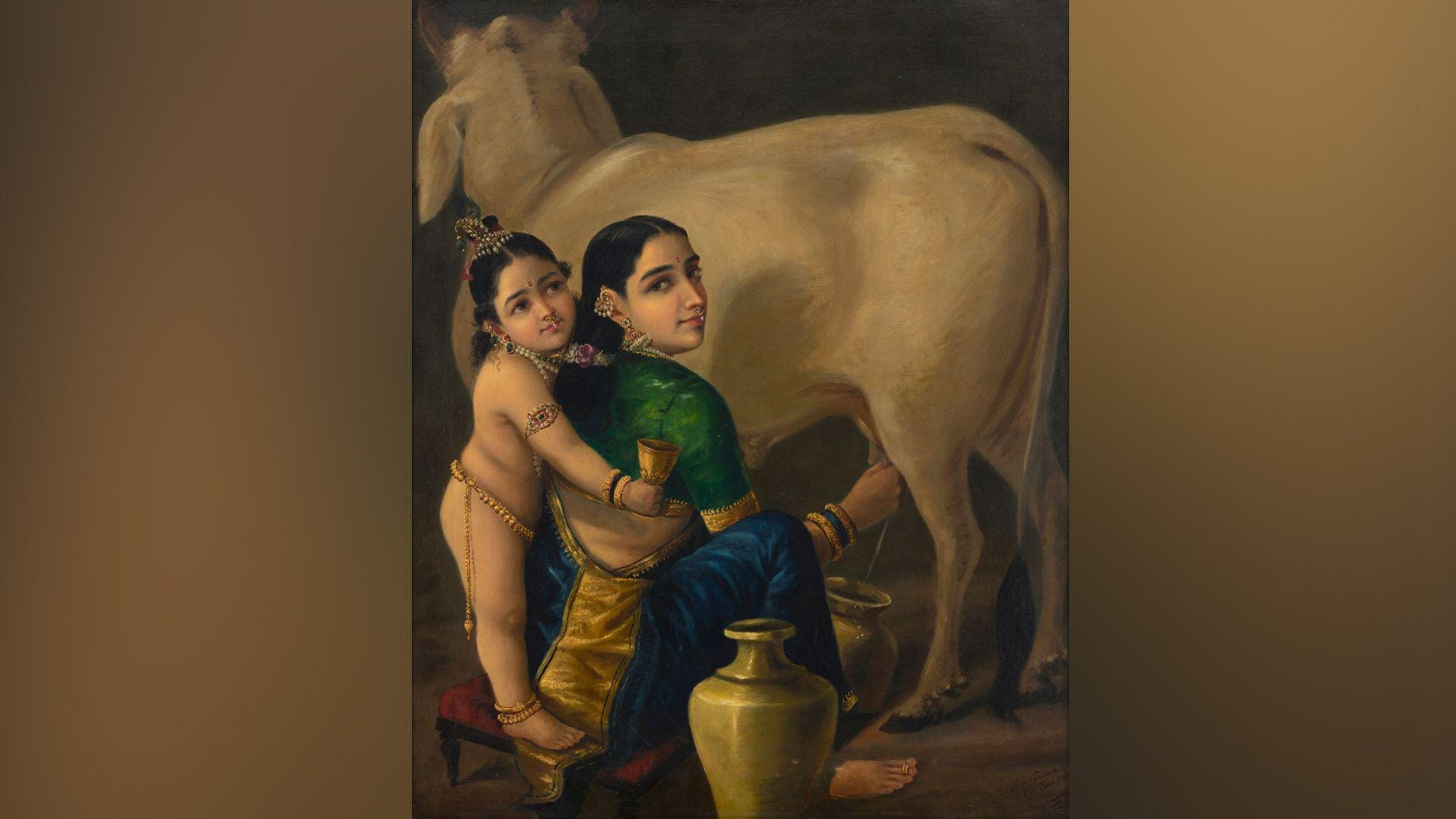
In April 2026, Ravi Varma’s Yashoda and Krishna was sold for an unprecedented ₹167 crore, setting a new benchmark in the Indian art market. This moment, while celebratory, also invites reflection.
A painting once reproduced for mass devotion has now entered the domain of elite acquisition. The shift is striking: from accessibility to exclusivity, from shared cultural memory to private ownership.
The modern collector, much like the nineteenth-century king, claims the role of patron. Yet the context has changed. The logic of the market now shapes the circulation of art, raising questions about access and heritage.
A Subtle Controversy Across Time
The journey from 1881 to 2026 carries within it a quiet controversy. It is not dramatic, but deeply philosophical.
In Sayajirao’s time, patronage was tied to public culture. Art flourished within institutions and was embedded in a broader civilisational vision. Today, the same art is often subject to the dynamics of global capital.
Is this continuity or rupture?
Is the modern collector a successor to the royal patron, or a departure from that tradition?
These questions do not yield easy answers, but they are essential to understanding the changing life of art.
Enduring Legacy: Between Devotion and Value
Despite these tensions, Ravi Varma’s art continues to command profound emotional and cultural resonance. His images remain embedded in the Indian imagination, transcending shifts in ownership and value.
The collaboration between the king and the artist created more than a body of work. It created a visual language, one that continues to shape how India sees its myths, its gods, and itself.
The King, the Artist, and the Afterlife of Art
From the halls of Lakshmi Vilas Palace to the global auction room, the journey of Ravi Varma’s paintings reflects the evolving relationship between culture and power.
Sayajirao Gaekwad III envisioned art as a public good, a force that could shape society. Ravi Varma gave that vision form, translating myth into image and devotion into aesthetics.
More than a century later, the same images circulate in a different world, valued, contested, and transformed. Yet their essence endures.
The king and the artist are long gone.
But their collaboration continues to live, on canvas, in memory, and now, in the marketplace.