





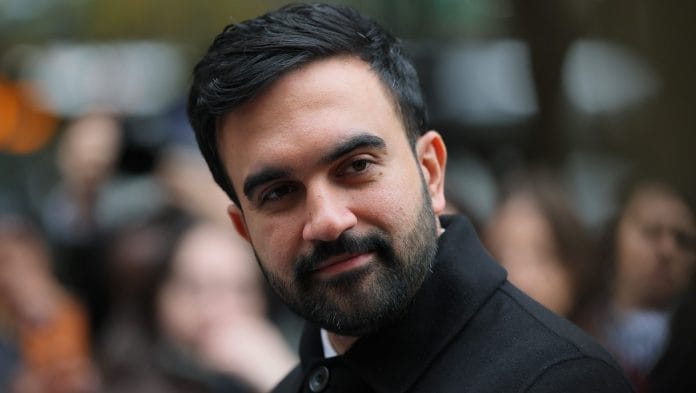



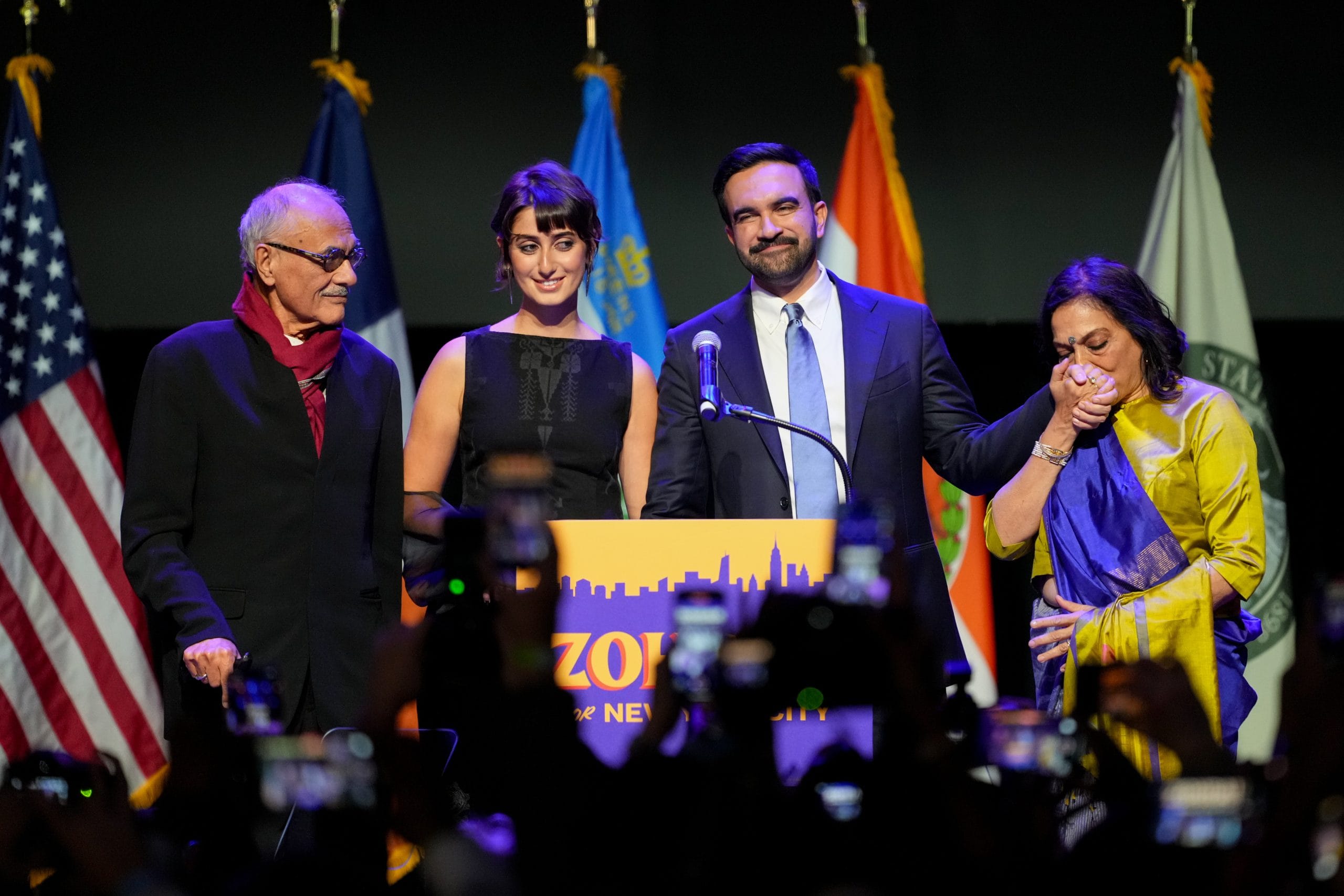
When Zohran Mamdani takes office on Jan. 1 as New York City’s mayor, he will inherit a role that’s described as the second-hardest job in America.
He will be responsible for the city’s nearly 8.5 million residents and serve as chief executive of the single largest employer in New York, overseeing a municipal workforce of nearly 300,000 permanent employees, as well as 72 city agencies and more than 200 different boards and commissions.
But Mamdani, a 34-year-old democratic socialist who rose from obscurity in a few short months to win the mayoral election in November, faces even more hazards than usual.
He has proposed an ambitious program of benefits intended to alleviate New York City’s affordability crisis, almost none of which he can unilaterally enact or pay for. He faces significant financial risks as President Donald Trump’s administration threatens to slash billions of dollars in federal funding for city and state social safety net programs.

And his charisma, youth and biography — he will be New York’s youngest mayor in a century and the first Muslim and person of South Asian descent to hold the office — mean millions are watching his every move.
Mamdani’s election victory polarized the Democratic Party, too — his uncompromising criticism of Israel and its government and his progressive politics and economic populism have made him a hero to many younger voters, while alienating some Jewish New Yorkers and business leaders who are intent on thwarting his agenda.
City Finances and the Trump Risk
Within a month of taking office, Mamdani has to propose a new city budget for the fiscal year that starts on July 1, 2026. But federal funding cuts and larger macroeconomic headwinds could make paying for any new programs difficult.
The city, which is required to balance its budget, is currently facing a $2.2 billion shortfall this year and a $10.4 billion gap the following year, according to the city comptroller. Another worry: The Trump administration’s tariffs could drive inflation higher, deepening the city’s affordability crisis.
Plus, New York City’s economy is growing at a slower pace, city budget watchdogs and economists warn. The city is projected to add just 41,000 new jobs in 2025, its weakest year of growth outside of a recession in two decades. Much of that growth came from low-wage home health care jobs, which are almost entirely funded by Medicaid.
The city has a habit of underestimating the costs of some of its expenses — including those for specialized education, police overtime and homeless shelters. The city also needs an additional $700 million to hire enough teachers to fulfill a state-imposed class size mandate, according to a recent report.
In recent years the city’s extra costs have been underwritten by higher-than-expected tax revenue, buoyed by record-setting profits on Wall Street. There is no guarantee that trend will continue.
Freezing Rents, Affordable Housing
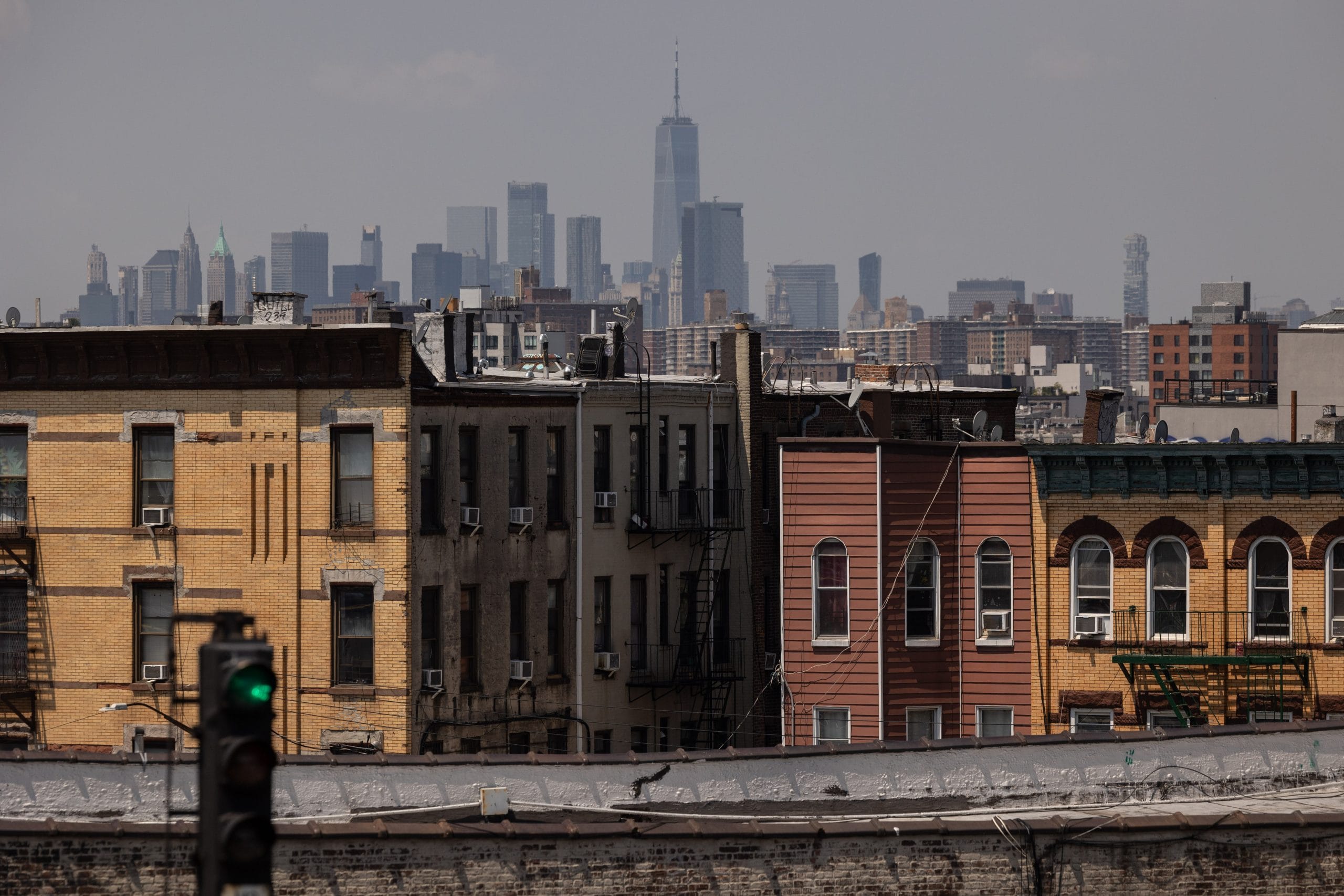
One of Mamdani’s most attention-grabbing campaign promises, a pledge to freeze rents on the city’s 1 million rent-regulated apartments, could be among the most difficult to achieve in the near term.
The regulated units, which make up more than 40% of the city’s rental supply, are governed under a rent-stabilization program created in the 1960s to address complaints about rising housing costs. Rents for stabilized apartments are set by the Rent Guidelines Board, a nine-member panel appointed by the mayor. Mamdani’s pledge to freeze rents risks running afoul of a city law, which requires the board to take into account landlords’ expenses when considering whether to raise or limit annual increases.
But Mamdani likely won’t soon be able to make many appointments to the board. Departing Mayor Eric Adams last month named two new members and reappointed two others, ensuring his own appointees will make up a majority on the board for at least the next year.
Mamdani has also promised to build 200,000 new units of publicly funded affordable housing over the next decade using only union labor, which his campaign estimates will cost $100 billion.
To pay for it, Mamdani would need state lawmakers to grant him authority to borrow an additional $70 billion in capital funding.
Free Child Care
Another of Mamdani’s marquee campaign pledges was a promise to create a universal, free child-care program for children 6 weeks to 5 years old. The pledge has won broad public support from lawmakers, elected officials and some business leaders, but it isn’t clear where the funding would come from: Mamdani’s campaign estimated it would cost at least $6 billion a year.
Mamdani proposed funding child care through two new tax increases, which would require approval from state lawmakers. One would raise the city’s marginal tax rate on income above $1 million a year to 5.9%, from 3.9% currently. Another would lift the top state corporate tax rate to 11.5% from 7.25% to match New Jersey’s state tax rate. For businesses in New York City, which pay additional city corporate taxes, that would mean a combined effective tax rate of nearly 19%, the highest in the US.
New York Governor Kathy Hochul, who is up for reelection in 2026 and has significant influence over tax policy, has said she won’t approve tax increases next year.
Free Buses
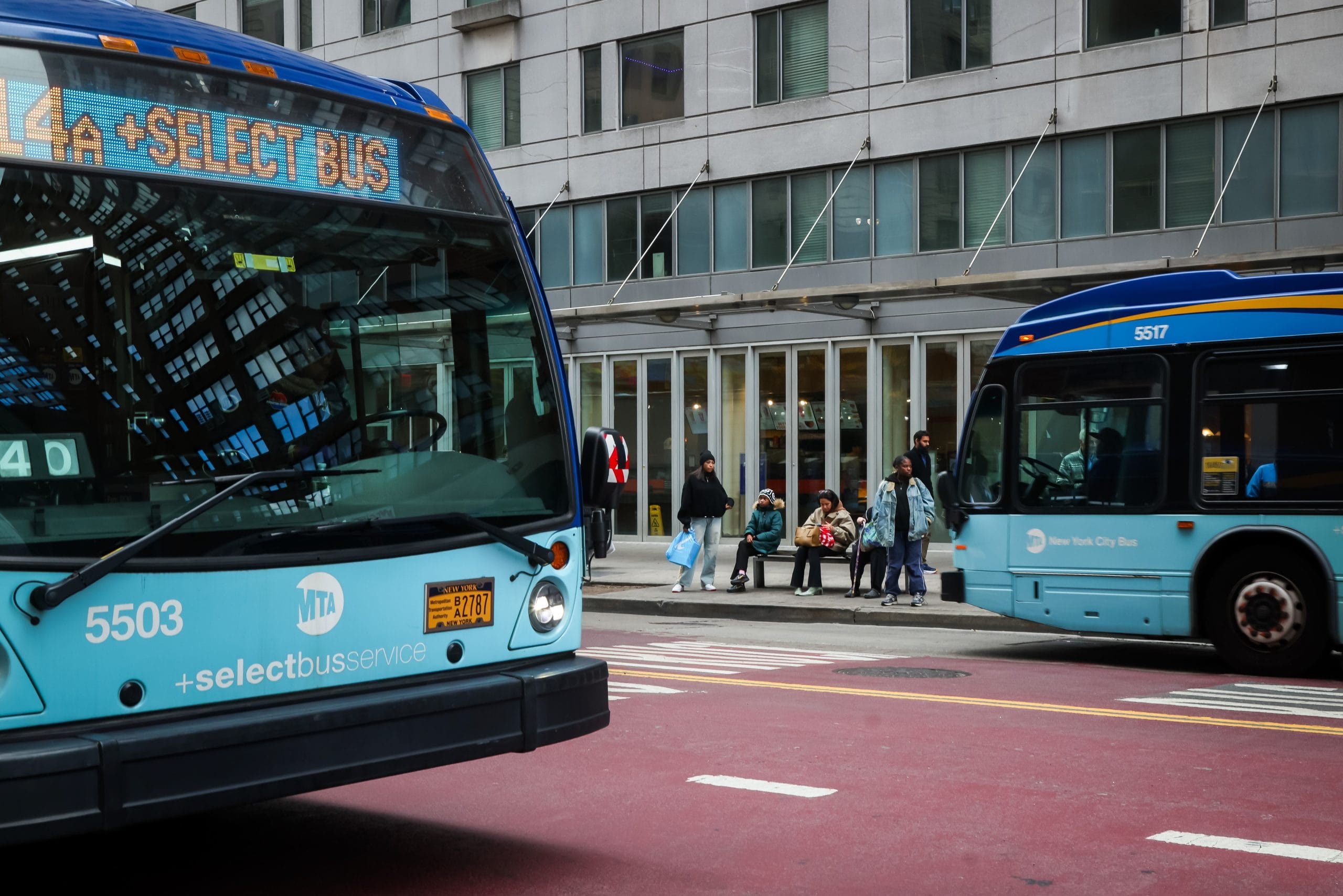
The third major pillar of Mamdani’s campaign was a pledge to make New York City’s buses free. But the city’s vast transit network is run by the state’s Metropolitan Transportation Authority. MTA officials have said making the buses free would cost roughly $750 million. Some transit experts are skeptical, saying it would create a two-tiered system that pushes lower-income riders away from the faster subway trains and onto sluggish buses.
Mamdani has argued making bus service free is not only an easier way to deliver benefits to needy New Yorkers, but also will speed bus travel times.
Police and Public Safety
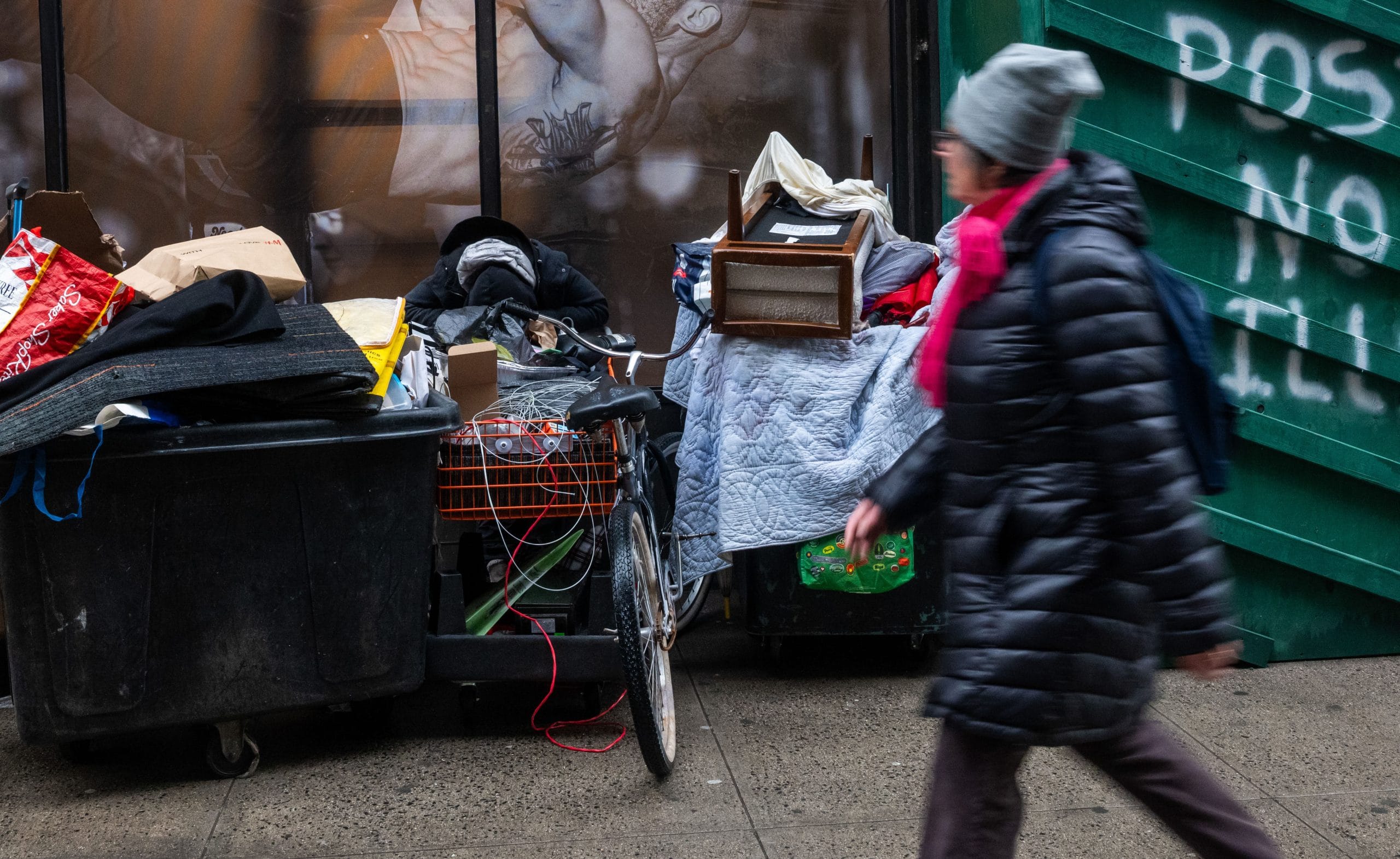
Mamdani, like many progressive New York City Democrats, has at times been a strident critic of the New York Police Department. But several of New York City’s previous mayors have experienced the political damage that can come from clashing with the department and its leadership. They also confronted how the failure to address rising crime, homelessness and public disorder can hijack public attention away from other policy goals.
During Mayor Abe Beame’s administration in the 1970s, NYPD officers facing budget cuts handed out fliers to tourists calling New York “Fear City,” urging visitors to avoid the city for their own safety. When Mayor David Dinkins tried to implement stronger civilian oversight of the department in the early 1990s, police officers protested in front of City Hall. And in 2014, rank-and-file police officers publicly turned their backs on Mayor Bill de Blasio at a funeral for two officers shot in the line of duty, an extraordinary show of disapproval after de Blasio’s criticisms of the department’s tactics and civil rights abuses.
Mamdani has preemptively moderated his positions on the NYPD. After the widespread protests following George Floyd’s murder in 2020, Mamdani called the department “racist, anti-queer & a major threat to public safety” and called for its defunding, remarks he has since apologized for.
He has called for keeping police headcount at current levels but has also proposed creating a new $1.1 billion civilian-staffed Department of Community Safety to handle emergency mental health calls currently handled by the police. He also announced plans to keep Mayor Adams’s current NYPD commissioner, Jessica Tisch, who has presided over decreases in crime during her tenure.
Political Balancing Act
Being New York City mayor is a massive managerial job, but the role’s public visibility and the city’s international clout give it extraordinary influence.
Despite having no formal role to play in foreign policy, Mamdani’s strong criticisms of Israel and the war in Gaza became a major factor in the mayor’s race — polarizing Democrats, donors and elected officials in a city that is home to both the largest population of Jewish people outside of Israel, and the largest Muslim population of any city in the country.
The Anti-Defamation League, a nonprofit dedicated to battling antisemitism that is staunchly pro-Israel, launched a tracker after Mamdani’s election victory to vet his appointments. The group’s effort has already led to the resignation of senior Mamdani administration appointee Catherine Almonte Da Costa one day after she was hired, when the organization dug up anti-semitic social media posts she made more than a decade ago.
Mamdani’s swift ascent to the top of the city’s power structure was made possible in part by an army of volunteers and enthusiastic donors, whose support Mamdani hopes to maintain, even in the face of impossibly lofty expectations. But to implement his initiatives, he’ll likely have to make some political compromises, and could risk alienating some of his ardent supporters.
It’s a fine line to walk, even for a skilled politician, said Saladin Ambar, a professor of political science at Rutgers University in New Jersey.
“He’s going to have to adopt a ‘bend but don’t break’ philosophy,” Ambar said. “Provided he doesn’t betray his own authentic self, I think he’ll be fine with bending some.”
Disclaimer: This report is auto generated from the Bloomberg news service. ThePrint holds no responsibility for its content.