








By Alexander Cornwell and Maya Gebeily
TEL AVIV/BEIRUT, March 16 (Reuters) – Israel on Monday warned that displaced Lebanese driven from their homes by its military would not be able to return until the safety of Israelis living near the border was ensured.
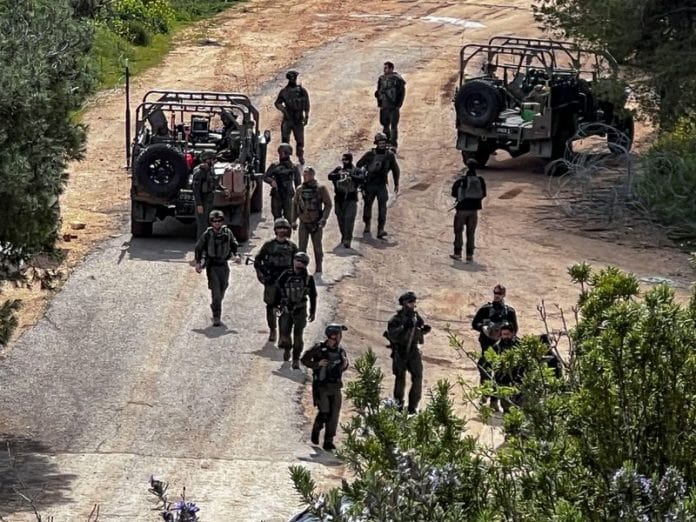
The warning from the country’s defence minister came as Israeli troops pushed into new parts of southern Lebanon as it intensified its campaign against Hezbollah.
In a briefing, Israeli military spokesperson Lieutenant Colonel Nadav Shoshani told reporters that soldiers were now in “new locations that our troops were not operating (in) yesterday”.
He described the latest offensive as “limited and targeted”, declining to say how deep into Lebanon the troops would advance, or if soldiers would take up new positions.
The new operation began days after Defence Minister Israel Katz said the military had been ordered to expand its campaign. He later warned that the country could face territorial losses and damage to its infrastructure unless Hezbollah was disarmed. On Friday, the military struck a bridge in southern Lebanon.
Israel’s military, which has occupied five positions in southern Lebanon since a November 2024 ceasefire with Hezbollah, sent additional forces into the country after Hezbollah fired a salvo of rockets on March 2, dragging Lebanon into an expanding regional war.
Hezbollah, a Shi’ite Muslim group, said its attack was in retaliation for the killing of Iran’s supreme leader on February 28, the first day of the U.S.-Israeli war with Iran. Israel has responded with an intensive bombing campaign on Lebanon.
COMPARISON WITH GAZA
The military has framed the ground offensive, launched after March 2, as a defensive effort to protect northern Israel from Hezbollah attacks, which it says have averaged at least 100 rockets and drones a day and have reached as far as central Israel.
More than 800 people in Lebanon have been killed, and more than 800,000 have been driven from their homes, many from the south as well as from areas near the capital, Beirut.
On Monday, Katz linked the return of displaced Lebanese residents to the safety of Israelis living near the border.
“Hundreds of thousands of Shi’ite residents of southern Lebanon who have evacuated or are evacuating their homes in southern Lebanon and Beirut will not return to areas south of the Litani line until the safety of northern residents is ensured,” he said in a statement.
He said the military had been instructed to destroy “terrorist infrastructure” in villages in southern Lebanon near the border with Israel, drawing a comparison to operations in cities in the Gaza Strip that were largely destroyed by Israeli forces.
Katz also suggested that Hezbollah’s leader, Naim Qassem, could face a fate similar to that of his predecessor, and to Iran’s supreme leader, both of whom were killed in Israeli strikes. Qassem said last week threats against his life were “worthless.”
ISRAELI TROOPS ADVANCE WEST
Over the weekend, Israeli troops encircled the key southern Lebanese town of Khiyam, which is located about 6 km (4 miles) north of the Israeli border, Lebanese security sources told Reuters.
Israeli forces had effectively taken control of the town, and were now advancing west toward the Litani River, a step that could leave large swathes of southern Lebanon both under Israeli control and cut off from the rest of the country, sources said.
Two Israeli officials said on Sunday that Israel and Lebanon were expected to hold talks in the coming days aimed at securing a durable ceasefire which would see Hezbollah disarmed.
A Lebanese source familiar with the matter said it didn’t seem talks with Israel would be taking place soon, though they would happen eventually. Israel’s focus appeared to be on its invasion of the south rather than diplomacy, the source said.
Under the November 2024 ceasefire agreement, Hezbollah was to pull back from southern Lebanon and the Lebanese military was to take over, in exchange for Israel ceasing its bombardment of Lebanon.
Israel said Lebanon never upheld its part of the deal, and it continued to carry out near-daily air strikes against what it said were Hezbollah positions and weapons.
Two Israeli soldiers have been killed in combat in southern Lebanon in the current campaign.
(Reporting by Alexander Cornwell in Tel Aviv & Maya Gebeily in Beirut, additional reporting by Tom Perry in Beirut & Jana Choukeir in Dubai; Editing by Aidan Lewis)
Disclaimer: This report is auto generated from the Reuters news service. ThePrint holds no responsibility for its content.