








By Rachel More and James Mackenzie
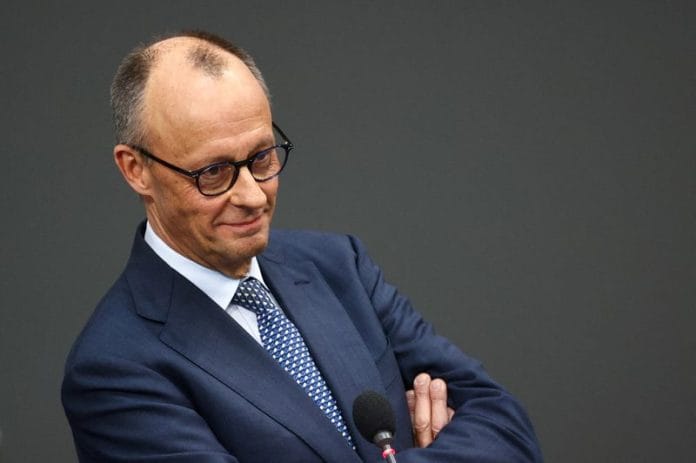
BERLIN, March 27 (Reuters) – Chancellor Friedrich Merz on Friday expressed scepticism that the United States and Israel had a clear strategy to end the war in Iran but he said Germany would in principle be ready to help stabilise the region after the end of hostilities.
Since the U.S. and Israel attacked Iran on February 28, Iran has launched strikes against Israel, U.S. bases and Gulf states, as well as effectively blocking Middle East fuel exports via the Strait of Hormuz.
European nations have been reluctant to get involved in the conflict, angering U.S. President Donald Trump.
“I’m just not convinced that what’s happening right now – what Israel and America are doing – will actually lead to success,” Merz said at a conference hosted by the FAZ newspaper.
Berlin is involved in diplomatic efforts to find solutions, whether via talks with Gulf states or within the G7, with Washington showing some effort to find common ground, according to the chancellor.
“We are trying to influence Israel, with limited success, I admit,” he added.
Merz said he had sought in a recent phone call with Trump to explain that this is not NATO’s war, adding, “I think he understood this.”
Germany could in future help to secure the Strait of Hormuz, for example with mine clearance, provided there were an international mandate and approval from the German parliament.
But the chancellor stressed that this was a long way off and not an option as long as the war continued.
(Reporting by Rachel More and James Mackenzie; Editing by Daniel Wallis)
Disclaimer: This report is auto generated from the Reuters news service. ThePrint holds no responsibility for its content.