








March 16 (Reuters) – Oil prices have soared and share markets have skidded on fears that the squeeze on energy supplies resulting from the U.S.-Israeli war on Iran will stoke inflation and crimp economic growth.
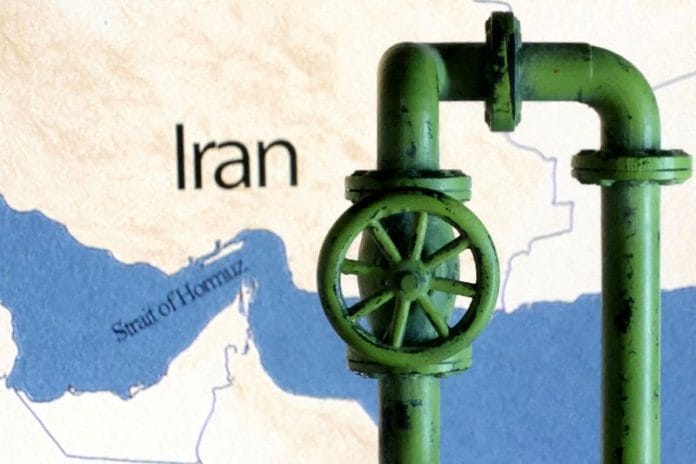
Asia is particularly at risk, with much of the region highly dependent on Gulf oil shipped via the Strait of Hormuz, which has effectively been closed since the U.S. and Israel first attacked Iran on February 28.
Following are actions that governments have taken or plan to take to reduce the impact of the conflict on their economies.
JAPAN RELEASES NATIONAL OIL RESERVES
Japan has pledged to release a record 80 million barrels of oil, about 45 days of supply for the resource-poor nation, starting on Monday.
The country has also asked Australia, its biggest LNG supplier, to boost output in light of the crisis.
SOUTH KOREA SHIFTS MORE TO COAL, NUCLEAR POWER
South Korea’s ruling Democratic Party said on Monday that the government will lift limits on coal-fired power generation capacity and raise nuclear power plant utilisation to as high as 80%.
That’s after authorities last week implemented a cap on domestic fuel prices for the first time in nearly 30 years, and said they are considering providing additional energy vouchers to subsidise vulnerable households if rising fuel prices push up electricity bills.
CHINA ORDERS FUEL EXPORT BAN
China has ordered an immediate ban on refined fuel exports in March, including gasoline, diesel and jet fuel, to pre-empt a potential domestic fuel shortage, sources said.
INDIA SEEKS SAFE PASSAGE THROUGH HORMUZ
India sought safe passage for 22 of its vessels stranded west of the Strait of Hormuz, after Iran allowed a few Indian ships to sail through in a rare exception to the blockade.
The closure of the strait has triggered India’s worst gas crisis in decades, with the government cutting supplies of LPG for industry to ensure households have enough cooking gas.
INDONESIA PLANS FUEL SUBSIDY INCREASE
Indonesia plans to increase the amount it has allocated for fuel subsidies in its state budget to keep prices in check.
It is also accelerating its B50 biodiesel programme, which blends 50% palm-oil-based biodiesel with 50% conventional diesel, to reduce its reliance on traditional oil.
VIETNAM TAPS STABILISATION FUND
Communist Vietnam has tapped its fuel price stabilisation fund to curb increases in oil prices, and has told the central bank to direct commercial lenders to extend funding to fuel traders to boost their purchases.
It plans to increase its national petroleum reserves, and has asked Japan and South Korea to help increase its access to crude oil.
The government has warned the aviation sector to prepare for a reduction in flights from April due to reduced jet fuel imports.
SRI LANKA IMPOSES FUEL RATIONING
Sri Lanka introduced fuel rationing on Sunday to extend the life of its supplies. Under the new system, motorcycles will be allocated 5 litres, cars 15 litres, and buses 60 litres of fuel per week.
The island nation has secured fuel shipments until April-end, authorities at the state-run Ceylon Petroleum Corporation told reporters in Colombo, adding that police will be deployed to reduce lines and minimise hoarding.
BANGLADESH SUSPENDS FUEL RATIONING FOR EID
Bangladesh, which relies on imports for about 95% of its energy needs, has suspended earlier fuel rationing to ensure uninterrupted transport as millions prepare to travel for the Eid al-Fitr holidays, with a week-long government break beginning on Tuesday.
The government has been working to secure additional fuel cargoes from India, China and other countries.
NEPAL RAISES FUEL PRICES
Nepal increased petrol and diesel prices by 9.55% and 7.0% respectively, effective midnight Sunday.
State-run Nepal Oil Corporation (NOC) said the increase was needed to make payments to Indian Oil Corporation on time and avoid further supply disruption.
Wedged between India and China, Nepal is fully dependent on imports for fuel supplies, including cooking gas, which NOC began rationing last week.
THAILAND, PHILIPPINES ASK RUSSIA FOR OIL
The Philippines has approached Russia to buy oil, the country’s energy secretary said. Thailand was ready to buy Russian oil and was preparing for negotiations, its deputy prime minister said.
Thailand plans to freeze cooking gas prices until May and use subsidies to promote the use of biodiesel and benzene.
The Philippines, which imports most of its crude oil from the Middle East and relies on oil-fired power plants, introduced a four‑day work week to save energy.
(Reporting by Reuters staff; Compiled by Kevin Buckland.)
Disclaimer: This report is auto generated from the Reuters news service. ThePrint holds no responsibility for its content.