








By Maha El Dahan, Andrew Mills and Yousef Saba
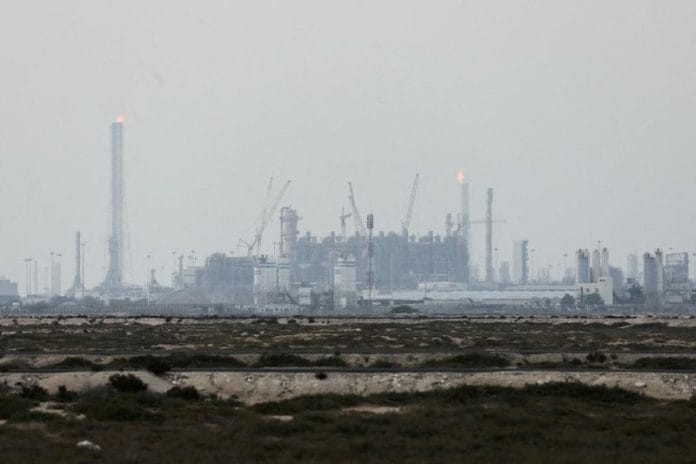
March 19 (Reuters) – Energy prices surged on Thursday after Iran struck the world’s largest LNG complex, causing damage that Qatar said could take five years to repair, as the energy sector’s worst fears about the war launched by the U.S. and Israel on Iran came true.
QatarEnergy CEO Saad al-Kaabi told Reuters the state-owned gas company may have to declare force majeure on long-term contracts to Italy, Belgium, South Korea and China after the attack meant a loss of around 17% of Qatar’s liquefied natural gas exports for between three and five years.
Gas prices in Europe soared as much as 35% on Thursday and oil jumped as much as 10%, before paring gains by mid-afternoon.
“I never in my wildest dreams would have thought that Qatar would be – Qatar and the region – in such an attack, especially from a brotherly Muslim country in the month of Ramadan, attacking us in this way,” al-Kaabi said.
Analysts say Israel’s attack on Iran’s South Pars gas facilities on Wednesday and the retaliatory strike on Qatar’s Ras Laffan plant represent a sharp escalation in the conflict and one that many had been dreading.
“Infrastructure is no longer just collateral to disruption; it is becoming a direct target,” Rob McLeod, head of energy price risk solutions at Hartree Partners, said in a LinkedIn post.
“That has important implications for both the duration and the volatility of any supply shock.”
Iran struck energy infrastructure across the Middle East in retaliation against Israeli attacks on its gas facilities on Wednesday.
The aerial attacks also targeted a refinery in Saudi Arabia, forced the United Arab Emirates to shut gas facilities and started fires at two Kuwaiti refineries as Donald Trump threatened retaliation if they persisted.
“This latest escalation feels like a turning point for markets because the conflict is no longer just about military headlines or Strait of Hormuz closure,” said Charu Chanana, chief investment strategist at Saxo in Singapore.
“It is now hitting the plumbing of the global energy system. What is unsettling markets now is the growing stagflation risk,” she added.
(Reporting by Yomna Ehab, Jaidaa Taha, Marwa Rashad, Florence Tan, Hatem Maher, Yousef Saba and Jana Choukeir; Writing by Charlie Devereux; Editing by Stephen Coates, Tomasz Janowski and Louise Heavens; editing by Sharon Singleton)
Disclaimer: This report is auto generated from the Reuters news service. ThePrint holds no responsibility for its content.