





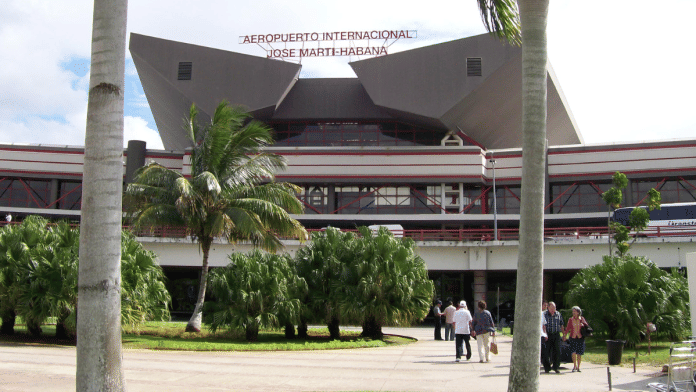



Cuba is served by US, Canadian, European and Latin American airlines. In previous times of economic distress, including after the fall of the Soviet Union in the 1990s, airlines rearranged schedules to allow for refueling in Mexico or the Dominican Republic.
In addition to tourists that provide a critical source of hard currency for Cuba’s government, travelers often bring much needed supplies to the cash-strapped island. Food, medication and consumer goods are often imported via so-called mules who load up their luggage to bring in on commercial flights.
Washington effectively cut off fuel shipments to Cuba from its top ally Venezuela in early January, when it whisked socialist leader Nicolas Maduro away to face trial in New York on narco-terrorism charges.
The government in Havana said last week it’s open to talks with the US but insists its one-party system of government isn’t up for negotiation. It unveiled contingency measures to deal with the crisis Friday night that included reducing public transportation routes, shortening the work week to Monday through Thursday and moving some university classes online.
It has also begun shutting down resorts in its crucial tourism industry, opting to consolidate visitors in a smaller number of hotels in hopes of capturing as much external revenue as possible during the high season.
The state also intends to accelerate plans to transition to more use of solar power. Cuba’s national grid suffered a half-dozen complete collapses in the span of a year as conditions on the island worsened.
Mexico on Sunday dispatched two navy ships loaded with more than 800 tons of humanitarian aid for the island, including food and personal hygiene products. (Bloomberg)
This report is auto-generated from Bloomberg news service. ThePrint holds no responsibility for its content.