





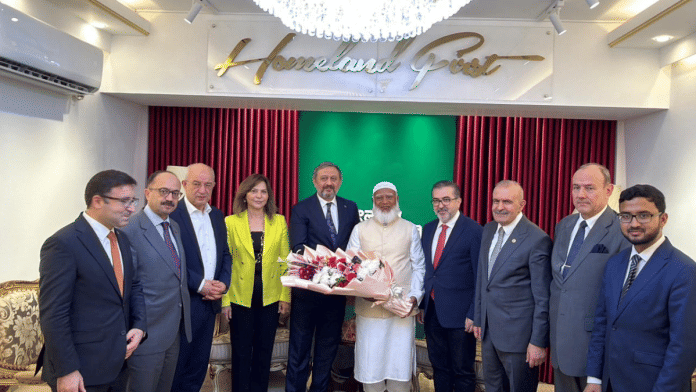



Dhaka: In a political comeback few in Bangladesh anticipated, Bangladesh Jamaat-e-Islami secured its strongest electoral performance in decades, reshaping the country’s opposition landscape after years on the margins.
According to the Bangladesh Election Commission, Jamaat won 78 of the 300 parliamentary seats—a historic high for a party that had once struggled to secure even a handful of constituencies. The Islamist party is now the principal opposition force, a position it occupied never before.
The numbers are far from the magic figure of 151 but mark a dramatic reversal for the Jamaat. Its previous best performance in a competitive national election was 18 seats in 1991. In 2001, contesting as part of an alliance, it won 17. By 2008, its tally had fallen to two seats.
After 2013, the party’s registration was cancelled following a court order, barring it from contesting elections for more than a decade. Its reinstatement ahead of the 2026 elections, under the changed political and legal landscape, reopened the political arena to a party many considered was sidelined indefinitely.
Its resurgence comes amid a transformed political landscape in Bangladesh—the absence of the Awami League from the race and the 2024 uprising have unsettled long-standing party loyalties. For many voters, analysts say, the Jamaat has come to symbolise both resistance and renewal.
“There is often a public desire for change when the same political cycle continues for many years,” Mohammad Tanvir, a Bangladeshi political analyst, told ThePrint. “A party that appears less tested can start to represent new hope.”
Tanvir argues that Jamaat’s years in the political wilderness may have inadvertently strengthened its appeal.
For Jamaat supporters and sympathisers, more than a decade of what they describe as “repression” under the Awami League rule, including the execution of senior leaders following war crimes trials critics termed controversial and the detention of thousands of activists, has transformed the party’s endurance into a source of political legitimacy.
Organisational discipline also played a role. Despite being barred from formal politics, the Shafiqur Rahman-led party Jamaat maintained a dense network of grassroots activists and affiliated organisations.
According to party insiders, it conducted extensive constituency-level research beginning in 2024, analysing historical voting data alongside conducting fresh internal surveys.
By late that year, it had identified 162 of the country’s 300 parliamentary seats as viable targets and redirected manpower and resources accordingly. Dhaka’s constituencies received particular focus, given their symbolic and strategic weight.
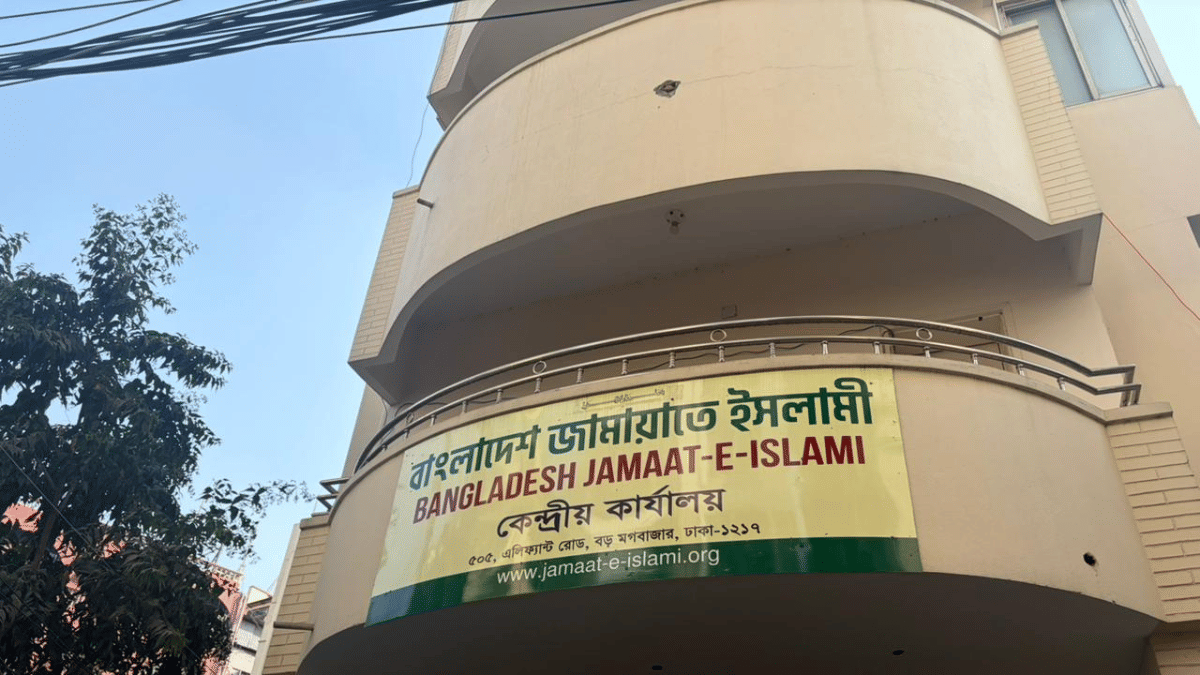
Professor Asif Shahan of the University of Dhaka attributes the party’s electoral gains to broader social shifts. “There has been a rise of the right, especially in rural areas,” he said. “When people felt deprived of voting rights or distrustful of electoral processes, they rallied behind a unifying Muslim identity.”
The Jamaat, he added, repositioned itself from an urban-centric party to one deeply embedded in rural society. It expanded philanthropic outreach — funding hospitals, offering scholarships and providing social services — cultivating an image of integrity at the grassroots.
Financial backing from supporters in the Middle East helped sustain these initiatives.
For some voters, the Jamaat’s lack of governing experience has become an asset rather than a liability. “Power corrupts,” Professor Shahan said. “Jamaat never had the power to be corrupt. The major parties did.”
The party has also benefited from alliances. The Bangladesh Nationalist Party historically provided it political space during periods of intense pressure, Asif said.
More recently, cooperation with the youth-led National Citizens’ Party amplified the Jamaat’s online messaging, particularly among younger voters energised by the protest movements of recent years.
Also Read: NCP-Jamaat coalition will reset Bangladesh’s India policy. Dignity first, dialogue second
The focus
The Jamaat put its emphasis on rule of law, economic reform and zero tolerance for corruption. It has pledged to uphold the reform agenda agreed upon by parties in the Oikommotto Commission and to restore stability after years of political turbulence.
The Jamaat also seems to have benefited from allegations of extortion and violence surrounding rival parties, potentially tilting undecided voters toward an alternative.
Corruption cannot be fought by an underpaid, pressured force. Recruitment, promotion, and postings will be strictly merit-based.
Fair salaries, housing, healthcare and welfare will be guaranteed so that honesty becomes the norm, not the exception.#Jamaat2026#VoteForDaripalla
— Bangladesh Jamaat-e-Islami (@BJI_Official) February 8, 2026
The party’s stance on women’s rights remains closely watched. Its manifesto includes commitments to women’s education, economic participation and protection from violence. Leaders argue that the challenge lies less in policy revision than in communicating those commitments to a skeptical electorate.
Generational change may also be reshaping the party’s image. A significant share of Bangladesh’s voters are too young to have lived through the political traumas that once defined Jamaat’s reputation. For many in Generation Z, politics is less about historical grievance and more about governance, opportunity and identity.
“I was part of the Gen Z movement, and we want change,” said Abdul Quader, a youth activist. “People are looking for something different.”
Whether Jamaat can translate electoral gains into durable political authority remains uncertain. But its reemergence signals a profound shift in Bangladesh’s political order.
(Edited by Ajeet Tiwari)
Also Read: Bangladesh elections: Why Dhaka is key in high-stakes BNP-Jamaat showdown