






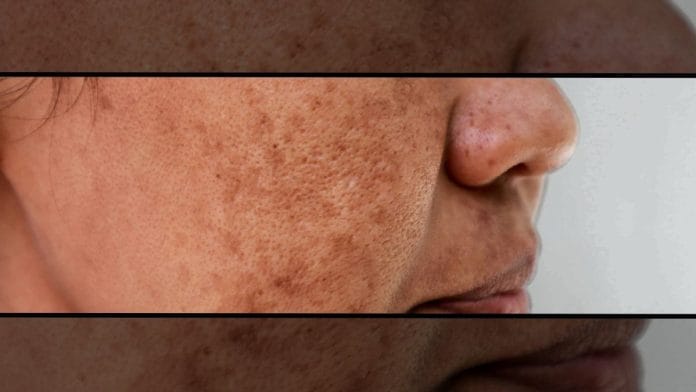



Stubborn facial pigmentation like melasma can be frustrating, but dermatologists now have powerful tools—strict sun protection, oral therapies and targeted lasers—for better control. It remains one of the most challenging pigmentation disorders in my practice, particularly among women with medium to darker skin tones in sun-exposed regions like India. These irregular dark patches often persist despite basic treatments, affecting confidence deeply.
As a dermatologist with extensive experience in pigmentary conditions, I view melasma as a multifactorial issue involving hormones, UV exposure, genetics, and even vascular factors. While a complete cure is rare, significant improvement and long-term control are achievable with a comprehensive approach.
Melasma isn’t just surface pigment—it’s driven by overactive melanocytes responding to multiple triggers and also unknown causes, which to date remain unclear. Combining preventive measures with targeted therapies addresses the root mechanisms for lasting results.
Key signs of the disease
Melasma typically presents as symmetrical hyperpigmentation on sun-exposed facial areas.
Classic features include:
- Brown, gray-brown, or bluish patches on cheeks, forehead, upper lip, nose, and chin—often forming a mask-like pattern.
- Irregular borders with a blotchy or mottled appearance.
- Worsening with sun exposure, heat, or hormonal changes; partial fading in cooler months.
It differs from freckles or sunspots by its symmetry and lack of scaling or symptoms like itching.
Underlying causes of melasma
Overproduction of melanin occurs due to:
- Hormonal influences: Pregnancy, oral contraceptives, or hormone replacement therapy (HRT)—hence “mask of pregnancy.” But it is seen in men too.
- UV and visible light exposure: Primary trigger stimulating melanocytes.
- Genetic predisposition: Common in Fitzpatrick types III-VI and family histories.
- Additional factors: Stress, thyroid disorders, certain cosmetics, or increased dermal vascularity. In my view, not scientifically backed but by years of practice, it’s to do with spicy food and also doing facial bleaches at an early age. So, I see it often in ladies of 40-60 years old that chemical bleaches expose the melanocyte early and over-the-counter sunscreens are often adulterated and as good as a moisturising cream without UV, or A, B, C factor too.
Deeper (dermal) melasma is harder to treat than superficial (epidermal) types.
Also read: Gel manicure is weakening your nails. Here’s how to care for them
Managing melasma effectively—a multi-pronged approach
Success relies on consistency, trigger avoidance, and layered treatments.
- Sun protection—non-negotiable foundation
- Daily broad-spectrum SPF 50+ sunscreen, reapplied every 2-3 hours.
- Tinted versions with iron oxides to block visible light.
- Physical barriers: Wide-brimmed hats, shade-seeking.
- Topical agents
- Hydroquinone (2-4 per cent), often in triple combinations with retinoids and steroids. I write the steroid combination only for non-virgin skin, which has been treated earlier by steroids; otherwise, I generally have a better way to help.
- Gentler options: Azelaic acid, kojic acid, niacinamide, cysteamine, or topical tranexamic acid.
3. The emerging role of oral tranexamic acid
- Oral tranexamic acid has revolutionised the management of resistant melasma by inhibiting plasmin, reducing UV-induced melanin synthesis, and addressing vascular components.
Typically prescribed at low doses (250-500 mg daily or twice daily) for 3-6 months, it shows significant MASI score reductions—often 40-60 per cent improvement. Benefits appear within 2-3 months, with better outcomes in refractory cases.
Side effects are mild (eg, gastrointestinal upset, headaches), but screening for thromboembolic risks is essential. It’s particularly useful when topicals alone fail, offering systemic control without daily application hassles.
- Procedural interventions for enhanced results
- Chemical peels: Glycolic, salicylic, or combination for exfoliation.
- Q-Switched Nd: YAG Laser (Laser Toning): Low-fluence 1064 nm Q-switched laser is a gold standard in Asian skin types. Multiple sessions (8-10, weekly/biweekly) gently fragment melanin with minimal downtime. It’s safe for darker tones, reducing recurrence when combined with topicals or oral therapies. Risks like hypopigmentation are low with proper settings, but maintenance sessions help sustain gains.
- Microneedling or picosecond lasers for deeper pigment.
Combination approaches—e.g., oral tranexamic acid with Q-switched laser—yield superior, faster clearance.
Preventing recurrence
Melasma often relapses without maintenance:
- Lifelong diligent sun protection.
- Maintenance topicals (non-hydroquinone).
- Periodic oral tranexamic acid courses or laser touch-ups if needed.
- Avoid known hormonal triggers where possible.
Post-pregnancy or trigger resolution can lead to spontaneous fading, but expert oversight ensures optimal outcomes.
Patience is key—melasma responds gradually, but modern options like oral tranexamic acid and Q-switched laser toning have transformed management. Early, personalised intervention prevents progression.
Seek a dermatologist for an accurate diagnosis and tailored plans. With commitment, clearer, even-toned skin is within reach.
Dr Deepali Bhardwaj is a Consultant Dermatologist, Max Hospital, Saket. She is also an anti-allergy specialist, laser surgeon and internationally trained aesthetician. She tweets @dermatdoc. Views are personal.
(Edited by Saptak Datta)