









When we were growing up, the popular movies and shows offered a very specific blueprint for adulthood.
It went something like this: You would move to a big city, land a quirky creative job, live in a charming apartment that was small but aesthetically pleasing, and spend your weekends with your closest friends discussing love, work and the occasional existential crisis.
The problems were intimate, personal. The stakes were never planetary. The characters never faced a looming threat of the world as we know it collapsing. As a twenty-something professional, I was promised brunch, writing the occasional yet brilliant column, and falling in love. Instead, I have been handed war, climate anxiety, artificial intelligence, a Google calendar and an endless stream of cortisol.
Pop culture from the late 1990s and early 2000s didn’t just entertain us; it quietly built our expectations of what adult life would look like. And nowhere was that vision clearer than in the rom-coms and career dramas that revolved around young women navigating creative industries.
Exhibit A: Sex and the City (1998-2004). The central fantasy of the show was not just romance but work. Carrie Bradshaw wrote one column a week and somehow managed to afford a Manhattan apartment, an endless supply of designer shoes (Manolos and Jimmy Choos, by the way) and a social life, a luxury many of us only dream about.
Films like The Devil Wears Prada (2006) and 13 Going on 30 (2004) reinforced the same narratives. In that universe, adulthood appears to be a series of themed parties, cool magazine jobs, and glamorous offices, making them aspirational to anyone dreaming of working in magazines or journalism.
A similar fantasy plays out in How to Lose a Guy in 10 Days (2003), where Andie Anderson (played by the lovely Kate Hudson) works at a glossy magazine writing playful “How To” pieces while dreaming of doing more serious journalism. Her biggest professional frustration is that she wants to write weightier, meaningful stories. It is a charming problem to have, really.
The lesson here seemed straightforward: Work hard, endure a difficult boss/colleague, write the occasional piece and eventually you will find your place in the industry and the world. But twenty-somethings entered the workforce just as many of those industries began shrinking. Print media became less relevant, digital platforms reshaped journalism, and the idea of stable creative careers became increasingly fragile.
The glamorous media jobs that once symbolised urban adulthood turned into some of the most precarious ones.
Bollywood offered its own version of the same dream.
In Ayan Mukherjee’s Wake Up Sid (2009), Aisha Banerjee (Konkona Sen) arrives in Mumbai with practically nothing, just ambition and a journal. She walks confidently into an interview and lands a job. Her modest but charming flat becomes a symbol of independent city living.
For years, that apartment looked aspirational. We twenty-somethings dreamt about that teensy apartment.
Also read: HBO ‘Industry’ gives us women in finance who raise hell
A diffused threat
The common trope here is that these stories were built on the assumption that adulthood would be challenging but manageable. Work would be meaningful, cities would be vibrant playgrounds, and the biggest complications would usually involve relationships or miscommunication at work. The mishaps would be funny, a quirky story to tell later, not something that’ll make you sit and cry in the bathroom stall.
And this might have been the case in the noughties, but for many young adults, the scale of problems feels very different now.
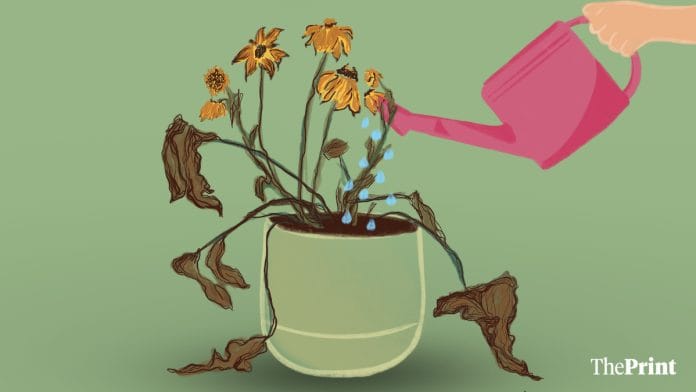
Alongside the usual anxieties about work and relationships sits something more diffused and harder to ignore, what might be called ‘ambient catastrophe.’ First, there’s war. Climate change looms in the background of everyday life. Economic stability feels increasingly fragile. Artificial intelligence threatens to reshape entire professions, including many creative ones.
In the romantic comedies of the early 2000s, the central tension was whether someone would fall in love. In the 2020s, the background tension often feels like whether the systems we depend on will remain stable. Yet it would be unfair to dismiss those stories entirely as unrealistic fantasies. For many viewers, they offered something valuable: A vision of adulthood that prioritised creativity, friendship and emotional connection.
The twenties that the movies promised us may never have arrived.
But the hope that these stories gave me, that life could still be joyful, creative and full of connection, might be worth holding on to anyway. Who knows. Maybe the twenties these movies promised us haven’t completely disappeared. Maybe they’re just running fashionably late.
Views are personal.
(Edited by Theres Sudeep)