






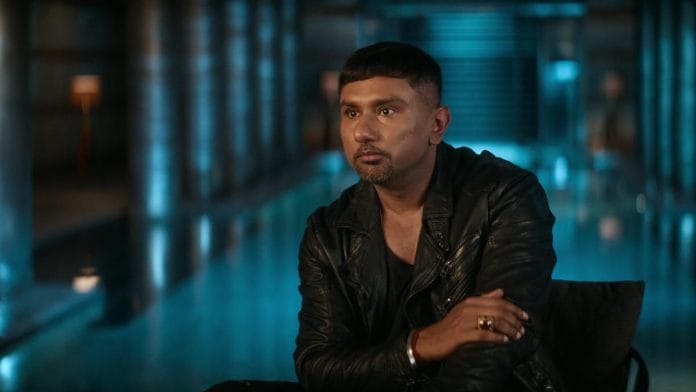



Rapper-singer Honey Singh finding himself at the centre of yet another controversy is not surprising at all. While his misogynistic songs have often been troubling to my ears, this time I don’t find anything objectionable in his remark about having sex in a car during winter.
The backlash on social media is not a moral stance. It’s a reflection of India’s ongoing — or should I say never-ending — struggle to reconcile what it privately consumes with what it publicly dismisses.
A video from Nanku and Karun’s Delhi concert is going viral on social media, where Honey Singh makes a comment suggesting people to have sex in cars in the cold weather. “Oh my god, it’s cold in Delhi. It’s fun to have sex in the car in this weather. So, have sex in the car but use condoms, guys, please. Play safe!” the rapper said.
And, social media’s moral compass sprang into action.
Words like “vulgar” and “shameful” were thrown around. Some Instagram pages even suggested that “choose your idols wisely.” People didn’t waste a moment to showcase their moral superiority.
But beneath this loud backlash lies a truth that no one wants to talk about, or maybe it’s too uncomfortable to address. Much of the outrage on anything related to sex comes from a misplaced sense of morality and the long-standing double standards of Indian society.
India has always had a complicated relationship with sex. Publicly, we pretend to be conservative, modest, and get deeply offended by absolutely any reference to sex. Privately, the same people consume sexual content, whether through cinema, music or pornography.
For me, it also unveils the hypocritical side of society, which is very selective in how it applies morality. Bollywood films objectify women through item numbers, dialogues that are derogatory or sexual in nature, and even voyeuristic camera angles. Songs with sexual metaphors play on loop and become chartbusters.
But when a rapper says something about consensual sex on stage, clearly meant for an adult audience that paid to be there, it suddenly becomes a national moral crisis.
Local dialect isn’t fancy
When sexual expression comes packaged in the English language, it is often defended as bold or progressive. But when the same themes come from entertainers like Honey Singh, who speaks in a language that probably resonates with the streets, it is labelled crude and unacceptable.
The discomfort is not just with sex, but with who is talking about it and how.
I want to question those condemning Honey Singh about why explicit content trends daily on the same platforms they use to express their anger. A number of open adult pages have lakhs of followers on Instagram. But no one is reporting them. Where is our moral high ground then?
Also, why is there an unwanted pressure and expectation from Indian celebrities that they must constantly serve as moral role models. If an artist’s content offends you, the easiest way is to simply not consume it. Social media cannot be calling for cancellations and bans on artists over such trivial things. Politicians get away with far worse. Give artists a little break.
Unfortunately, this time the backlash against Honey Singh says more about Indian society than him. It exposes a collective discomfort with honest conversations in the local language about sex.
Until we address these contradictions, until we stop pretending purity while indulging in the very things we condemn, such controversies will continue to surface.
Views are personal.
(Edited by Aamaan Alam Khan)
Somebody seeks to get lubricated and serviced.