






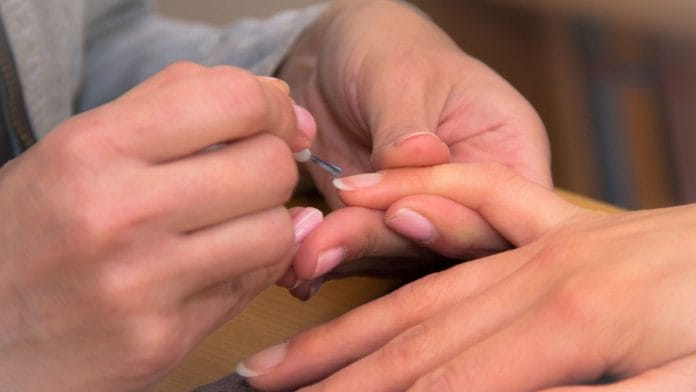



In recent years, nail grooming has gone far beyond a quick coat of polish. Gel manicures, acrylic extensions, and press-on nails have become everyday choices, thanks to social media, celebrities, and the promise of perfect, long-lasting colour. These options look stunning, but they can harm the natural nails underneath. As a dermatologist, I guide my clients to enjoy these trends while maintaining the health of their nails.
Natural nails are made of tightly packed layers of keratin that shield the fingertips and aid fine movements. They stay strong with healthy cuticles, good hydration, and proper blood flow. Repeated exposure to chemicals, rough filing, constant coverage, or UV light can upset this delicate balance, causing brittle, thin, discoloured, or lifting nails.
Gel polish is popular for its shine and staying power, but frequent use can cause the nails to dry out and weaken. I recall one patient who loved her weekly gel manicures but arrived distressed when her nails became paper-thin and bendy after improper removal. The worst damage comes from aggressive buffing before application and rough removal by soaking or scraping. UV or LED lamps used to cure gel emit small amounts of light each time; over the years, this repeated exposure may also accelerate skin ageing around the nails.
Also read: What is clascoterone? Promising new drug that targets root cause of pattern baldness
How to care for your nails
Applying acrylic nails usually requires roughening the natural nail surface for better grip. This process gradually thins and weakens the nail plate. Poor application or removal can lift the nail (onycholysis), invite infections, or trigger allergic reactions. In the clinic, I’ve seen cases where patients developed severe lifting and even painful inflammation, who initially mistook it for psoriasis until we linked it to their acrylic nails.
Press-on nails seem gentler and work well for occasional use. However, wearing them for too long or applying them incorrectly can trap moisture, raising the risk of bacterial or fungal infections. Newer gel-cured press-ons carry risks from both gel polish and artificial overlays.
From my years in clinic—and as a woman who loves beautiful nails—I firmly believe in giving nails “breathing time.” Like skin and hair, nails need regular breaks to regain strength and moisture. Wearing polish, gel, or extensions without pause often leads to dryness, peeling, brittleness, and thinning.
One young patient came to me after years of non-stop gels; her nails were so fragile they peeled in layers. We started with a simple break and daily oiling, and within months, she was thrilled to see strong, healthy growth return—no more hiding her hands.
If you always have colour on your nails, plan deliberate breaks. Even seven to 14 days without any polish lets the nail recover. During this time, apply oil daily. No fancy product is needed—ordinary cooking oil, such as wheat or olive oil, works fine. Consistency matters far more than the price tag.
For cuticles, vitamin E oil is particularly helpful. It softens them, boosts flexibility, and encourages healthy growth. Massaging a little into the nail plate and cuticles each night can make a noticeable difference over time. Many patients who’ve followed this faithfully report their nails feeling resilient again after just a few weeks.
The key to safe enjoyment is moderation. Save enhancements for special occasions rather than daily wear. Regular polish-free periods prevent long-term damage.
Even simple colour choices affect nail health. Dark shades look dramatic but often need stronger removers and dry nails more. If you love them, alternate with 2–3 months of lighter or neutral tones to ease the strain.
Never skip a base coat. It forms a protective shield, stops pigment staining, limits chemical absorption, and adds strength.
Daily habits also help. Trim nails regularly and file in one direction only to avoid splits. Never cut cuticles aggressively—they seal out germs; gently push them back instead. Wear gloves for household chores to shield nails from too much water and harsh detergents, both of which weaken the structure.
What you eat and drink matters too. Protein, iron, zinc, and biotin fuel keratin production and growth. Staying well-hydrated keeps nails less prone to breaking.
Do not ignore lasting changes like unusual colour, thickening, pain, or nail separation. These signs may point to fungal infections, inflammation, or allergies that require professional care.
True nail beauty comes not from constant polish or flawless looks, but from strength, resilience, and consistent care.
Dr Deepali Bhardwaj is a Consultant Dermatologist, Max Hospital, Saket. She is also an anti-allergy specialist, laser surgeon and internationally trained aesthetician. She tweets @dermatdoc. Views are personal.
(Edited by Ratan Priya)