






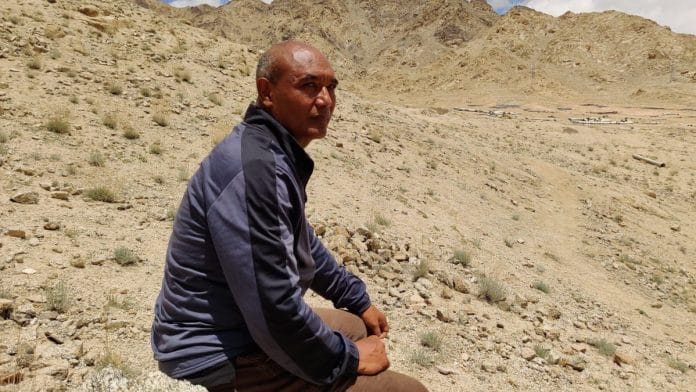



In the annals of the Kargil War, where courage was forged in the harshest conditions, the story of Colonel Sonam Wangchuk, MVC, stands out—not for spectacle, but for quiet, resolute leadership. Today, with his death following a heart attack, the nation has lost not only a decorated soldier, but also a truly remarkable human who was simple, grounded and deeply humane.
During the Kargil War in 1999, while we operated in different sub-sectors, I had the privilege of knowing him personally. We interacted on many occasions and spoke together at several events. Beneath the uniform and the gallantry award was a man of rare humility. There was no trace of bravado in him, no attempt to wear his achievements on his sleeve. He carried his experiences lightly, spoke with warmth, and connected with people effortlessly. In an institution defined by discipline and strength, he stood out equally for his gentleness.
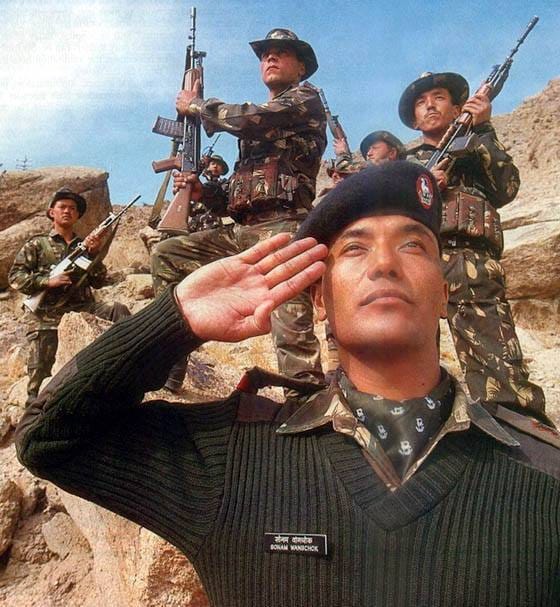
Born in the rugged terrain of Ladakh, he seemed almost shaped by the mountains themselves. He was resilient, steady and unassuming. Commissioned into the Assam Regiment and later serving with the Ladakh Scouts, he spent years in some of the toughest operational environments. Yet, nothing defined him quite as much as his role in the summer of 1999.
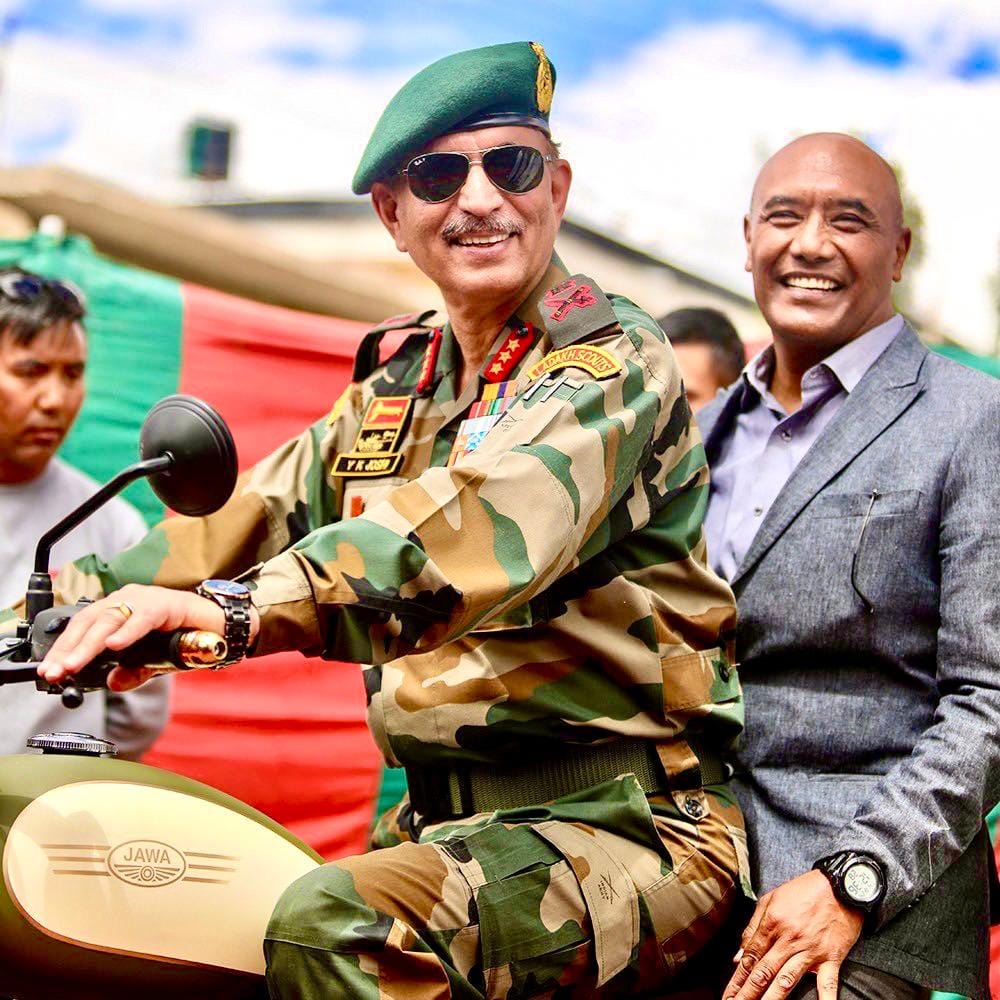
The Batalik sector during the Kargil conflict was unforgiving in every sense. At altitudes above 5,000 metres, with treacherous ridgelines and extreme weather, every movement demanded physical endurance and mental clarity. It was here, on 30 May 1999, that then-Major Wangchuk led a small column to secure a critical ridgeline along the Line of Control.
What followed has since become part of military lore. His column was ambushed from a dominating position. A soldier was lost in the initial exchange, and the situation could easily have spiralled. But in that moment of chaos, Major Wangchuk displayed the qualities that define true leadership.
He steadied his men, assessed the situation with clarity, and chose to act decisively. Instead of withdrawing, he led a daring flanking manoeuvre, turning defence into attack. In the rarefied air of the high Himalayas, under relentless enemy fire, he personally led the assault. The enemy position was overrun, casualties were inflicted, and weapons were captured. By the end of the operation, the entire axis had been cleared up to the Line of Control, which was an early and crucial success in the conflict.
Also read: Kargil hero Col Wangchuk says need strong political will to strengthen India’s borders
For this conspicuous gallantry, he was awarded the Maha Vir Chakra. Yet, if one ever spoke to him about it, they would find no embellishment, no dramatics, but only a quiet acknowledgement that he had done what was required of him.
That was the essence of the man. Courage, for him, was not about recognition; it was about responsibility. Even in conversation, he was measured, thoughtful, and deeply respectful of others. He had an innate ability to put people at ease, a rare quality in men who have seen the extremes of conflict.
His passing leaves a void that goes beyond the loss of a war hero. It is the loss of a man who embodied the finest values of soldiering: professional excellence, humility, and compassion. In remembering him, one is reminded that true greatness often comes without noise.
Colonel Sonam Wangchuk’s life was a testament not only to bravery in battle but also to grace in character. He fought with courage when it mattered most, and he lived with simplicity when he could have chosen otherwise.
As we bid him farewell, we honour both the soldier and the man. He served with distinction. He led with courage. And above all, he remained, till the very end, a good human being.
Lieutenant General Y K Joshi, PVSM, UYSM, AVSM, VrC, SM (Retd), is a former Northern Army Commander. He commanded 13 JAK RIF during the Kargil War. The Battalion captured the strategically important Point 5140 and Point 4875 in the Drass and Mushkoh Valley. 13 JAK RIF awarded a total of 37 gallantry awards including two Param Vir Chakras, Captain Vikram Batra, posthumously, and Rifleman Sanjay Kumar. Views are personal.
(Edited by Prashant Dixit)