






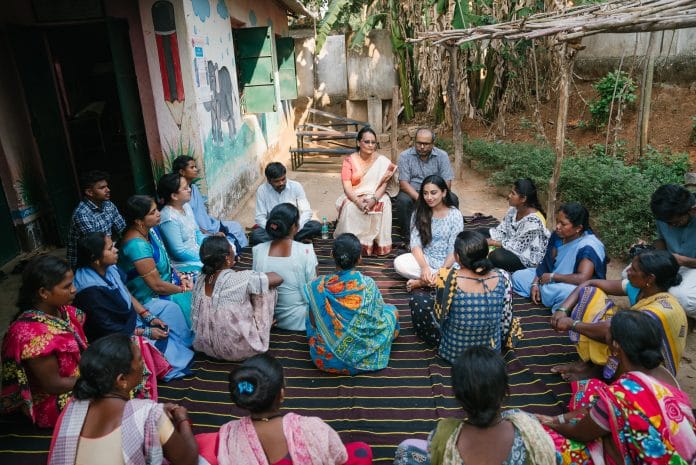



For many years, conversations around mental health in India have focused on awareness, reducing stigma, encouraging people to speak up, and normalising help-seeking behaviour. While this work remains essential, awareness alone is not enough. What truly determines whether mental health care reaches people is policy intent, system capacity, and sustained public investment.
In that context, the Union Budget 2026 and the latest Economic Survey together mark an important moment for mental health in India. They signal a clearer, more evidence-based recognition of the crisis—an urgent public health issue and development priority.
Finance Minister Nirmala Sitharaman’s Union Budget 2026 speech affirms the government’s commitment to providing vulnerable and underserved populations with access to mental health and trauma care—this framing and prioritisation matter. In our experience of working across rural and underserved communities over the last decade, vulnerability is often compounded by poverty, geography, gender, disability, and limited access to care. Mental health challenges rarely exist in isolation; they are often triggered by and intersect with unexpected events such as emergencies and life events, among other contributing factors.
Building equitable access
The decision to strengthen district hospitals by increasing Emergency and Trauma Care Centre capacity by 50 per cent directly addresses this reality. Emergencies expose families—particularly those with limited financial buffers to sudden, and often crippingly high expenditure. Trauma care is not only about responding to accidents or disasters; it is also about preventing long-term psychological harm when people are at their most vulnerable. Strengthening district-level infrastructure is, therefore, a critical step toward making mental health and trauma care more accessible beyond major cities.
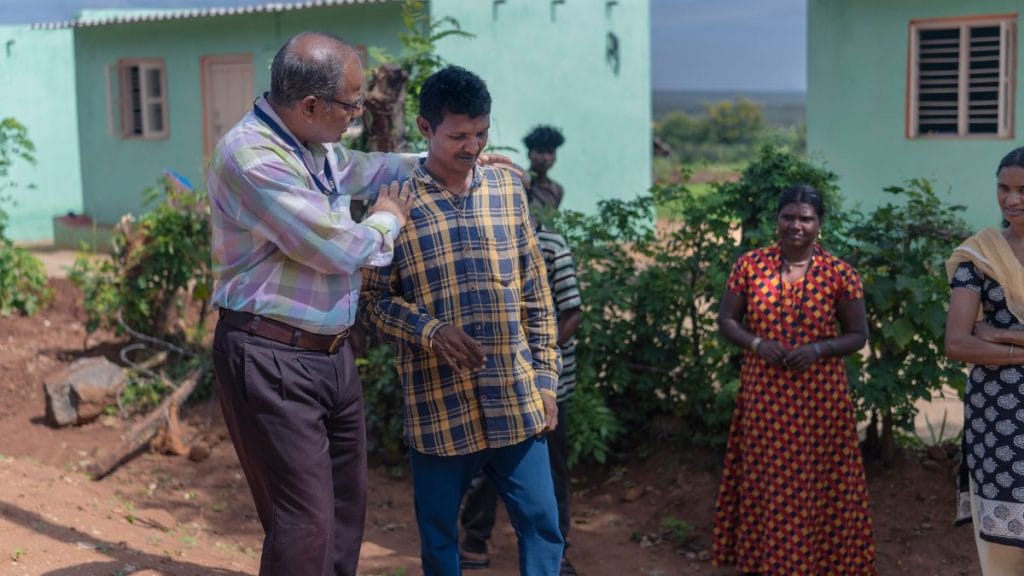
Also, expanding institutional capacity across regions is essential if mental healthcare is to be equitable rather than urban-centric. The Budget’s announcement to establish a second National Institute of Mental Health and Neuro Sciences (NIMHANS-2) in North India, alongside upgrading national mental health institutes in Ranchi and Tezpur as Regional Apex Institutions, reflects an intent to correct regional imbalances. The presence of a national mental health institute in North India will ensure access to advanced care, training, and research for large sections of the population.
Equally significant is the planned expansion of Allied Health Professional (AHP) institutions, including disciplines such as Applied Psychology and Behavioural Health, to add 1,00,000 professionals across disciplines over the next five years. One of the most persistent challenges we see on the ground, particularly in rural communities, is the shortage of trained or qualified mental health professionals. Strengthening the mental health workforce is foundational to scaling care through community-based models and primary health systems.
Also read: 47% rise in Budget outlay won’t revive co-operatives without internal stock-taking, reform
Prevention is key
While the Budget focuses on infrastructure and capacity, the Economic Survey provides crucial context by examining the behavioural and social factors shaping mental health outcomes in India today. The survey highlights the growing displacement of traditional diets by ultra-processed foods and links this shift to worsening health outcomes, including mental health disorders. This acknowledgement reinforces the need to view mental health through a preventive lens, recognising the role of important factors such as nutrition, lifestyle, and environment.
The survey’s detailed analysis of digital addiction is particularly significant. Evidence cited points to the mental health consequences of gaming disorder, including sleep disruption, aggression, social withdrawal, and depression, with adolescents identified as especially vulnerable. Online gambling and real-money gaming are associated with financial stress, anxiety, depression, and suicidal ideation. Compulsive streaming and short-form video consumption are linked to poor sleep hygiene, reduced concentration, and heightened stress. These findings underline that digital addiction is not a single issue, but a spectrum of behaviours with real psychological and social consequences.
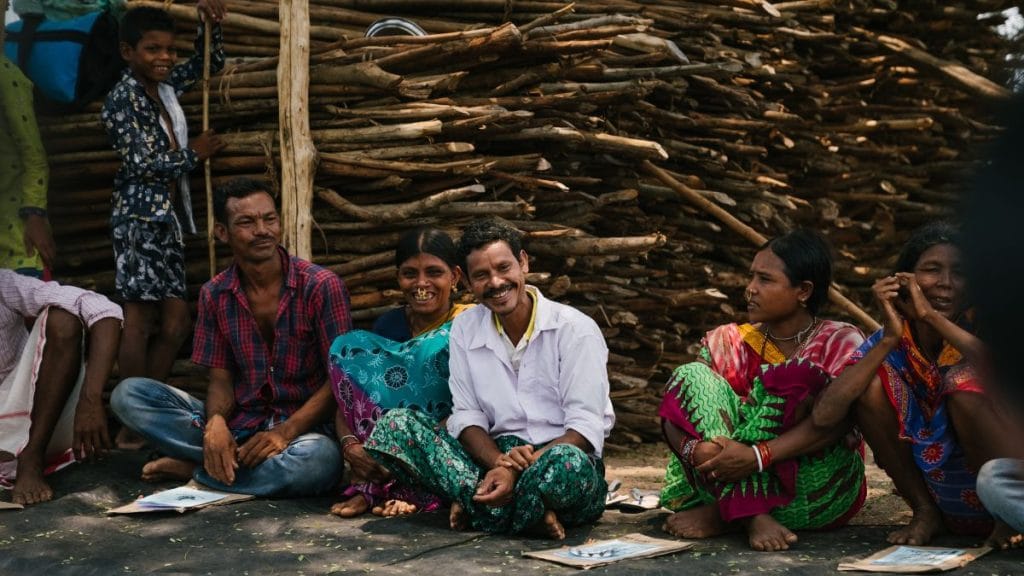
India has already taken important steps to respond to these challenges. Tele-MANAS, launched in 2022, provides a 24/7 toll-free mental health helpline across all states and Union Territories and has received more than 32 lakh calls. These figures reflect both demand and trust. The SHUT (Service for Healthy Use of technology) Clinic at NIMHANS offers specialised care for excessive technology use, particularly among adolescents and young adults. Regulatory measures such as the Online Gaming (Regulation) Act 2025 aim to address digital addiction and associated financial harm.
However, the Survey also identifies a critical gap: the lack of comprehensive national data on digital addiction and its mental health effects. This data gap limits targeted interventions and resource allocation. The upcoming Second National Mental Health Survey presents an important opportunity to generate actionable insights grounded in India’s social and cultural context.
Also read: Budget 2026 didn’t address a critical issue—promoting MSME exports & keeping input costs high
From evidence to implementation
Looking ahead, India’s challenge is not to reject technology, but to rebalance engagement by combining safeguards with positive alternatives. The survey recommends offline youth hubs, community spaces, and school-based digital wellness education to help young people build healthier relationships with technology. Expanding Tele-MANAS to address digital addiction and integrating it with schools and colleges can further normalise early help-seeking.
Taken together, the Budget and Economic Survey reflect a more grounded and comprehensive understanding of mental health. The task now is to fast-track implementation to ensure policy intent translates into actionable progress.
Mental health must continue to move from the margins to the mainstream of India’s development agenda, not only in words but also in practice.
Anisha Padukone is CEO of The Live Love Laugh Foundation, a non-profit working to build awareness, and improve accessibility and affordability of mental healthcare in India. Views are personal.
(Edited by Saptak Datta)
Recognition 😂😂😂is it enough what a defeatist column – isse accha toh Maan lo india is the worst countries for people with mental health disorders