





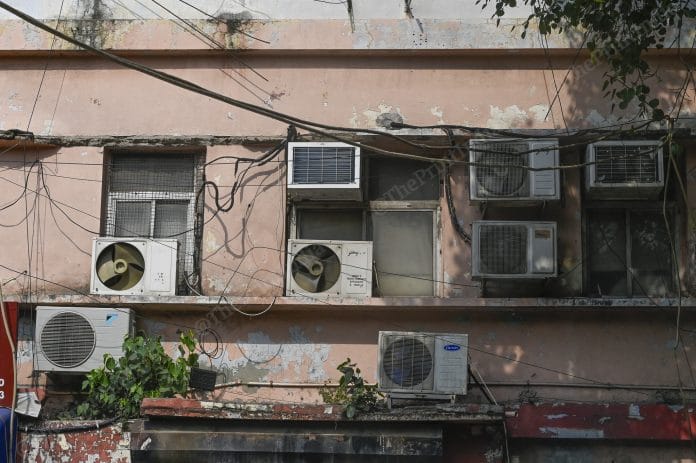



New Delhi: India is forecast to see above-normal temperatures in the coming months, potentially boosting power demand and posing a severe health risk to residents.
There is an increased likelihood of more heat wave days across many parts of the country in the three months through May 31, Mrutyunjay Mohapatra, director general of the India Meteorological Department, said in an online briefing on Saturday. Above-normal maximum temperatures are very likely over most areas in the three-month period, he said.
Such conditions could lift electricity demand in the country, prompting greater reliance on coal-fired generation to meet peak loads. A sustained rise in temperatures would also threaten rural incomes and add food-price pressures, complicating policymakers’ efforts to contain inflation.
Still, maximum temperatures in March will likely be normal to below-normal in many parts of the country, while above-average minimum temperatures are expected over most parts except some areas of northwest region, the weather office said.
Any abnormal increase in temperatures in March may pose a risk to winter-sown crops, which are at a developmental stage when excessive heat can curb yields and diminish quality.
Any prolonged hot weather next month may pull down India’s wheat output below last season’s record, undermining government efforts to secure adequate supplies, especially for its various welfare programs, including a fixed quantity of free distribution of grains to about 800 million people every month.
The world’s second-largest wheat producer permitted limited overseas shipments under a quota system earlier this month, partially easing restrictions that had been in place for more than three years. However, a smaller harvest could prompt authorities to reconsider that move, potentially tightening supplies again in a market already sensitive to weather-driven disruptions.
Rainfall in March is likely to be normal across most parts, the weather office said. Any decrease in precipitation during a critical growing period may force farmers to rely more heavily on irrigation, potentially lifting input costs at a time when margins are already under strain from volatile weather conditions.
India ranks among the countries most exposed to climate change, with increasingly frequent bouts of extreme weather — from heat waves and floods to severe droughts — claiming hundreds of lives each year and undermining farm productivity.
Beyond agriculture, the volatility also strains the energy system, driving up demand for fossil fuels during temperature spikes while depleting hydropower output when reservoirs run low.
This report is auto-generated from Bloomberg news service. ThePrint holds no responsibility for its content.
Also read: ‘Urban Maxwell’, ministers’ blessings & a Chinese robot meme fest. The Galgotias University story