





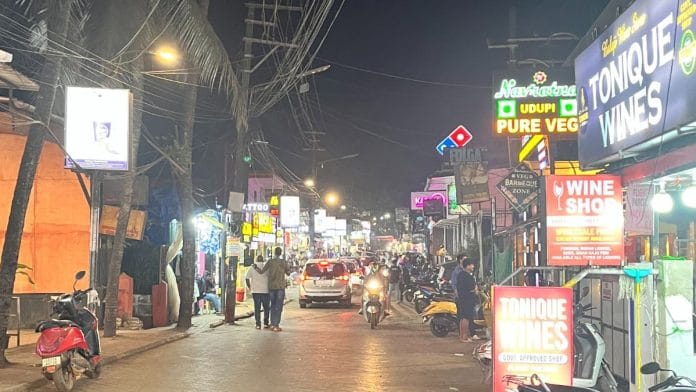



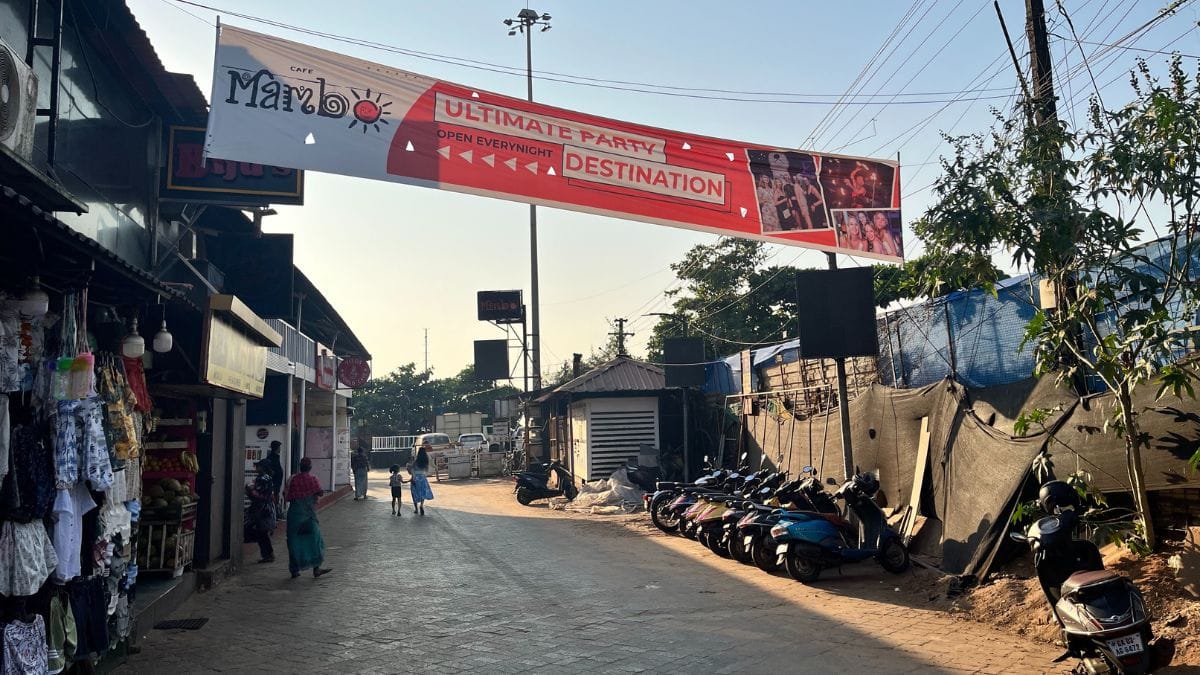
Goa: North Goa’s Tito’s Lane, a short 200-metre stretch, houses 20-odd nightclubs and diners. Squished together, some are rather small, with a maximum capacity of not more than 200 people. But on any given evening, these cubby-holes accommodate a crowd of 500 or more.
Behind the doors of these establishments, music, dance, and alcohol flow freely. At night, the revellers spill over onto the lane, “hopping” from one club to another. Thus, the stage is set for a breakdown in law and order. And it can take many forms.
Ever since 25 people, mostly kitchen staff, lost their lives in the fire at ‘Birch by Romeo Lane’ early Sunday, Goa’s nightclubs have been under an uneasy spotlight. All of a sudden, action has been swift, and authorities are combing through regulatory lapses.
Facing the glare are establishments where fire or other no-objection certificates (NOCs) have lapsed, trade licences haven’t been renewed, and noise pollution is unchecked. Then, there are clubs with a record of fistfights and brawls, or even, stocks of illegal substances.
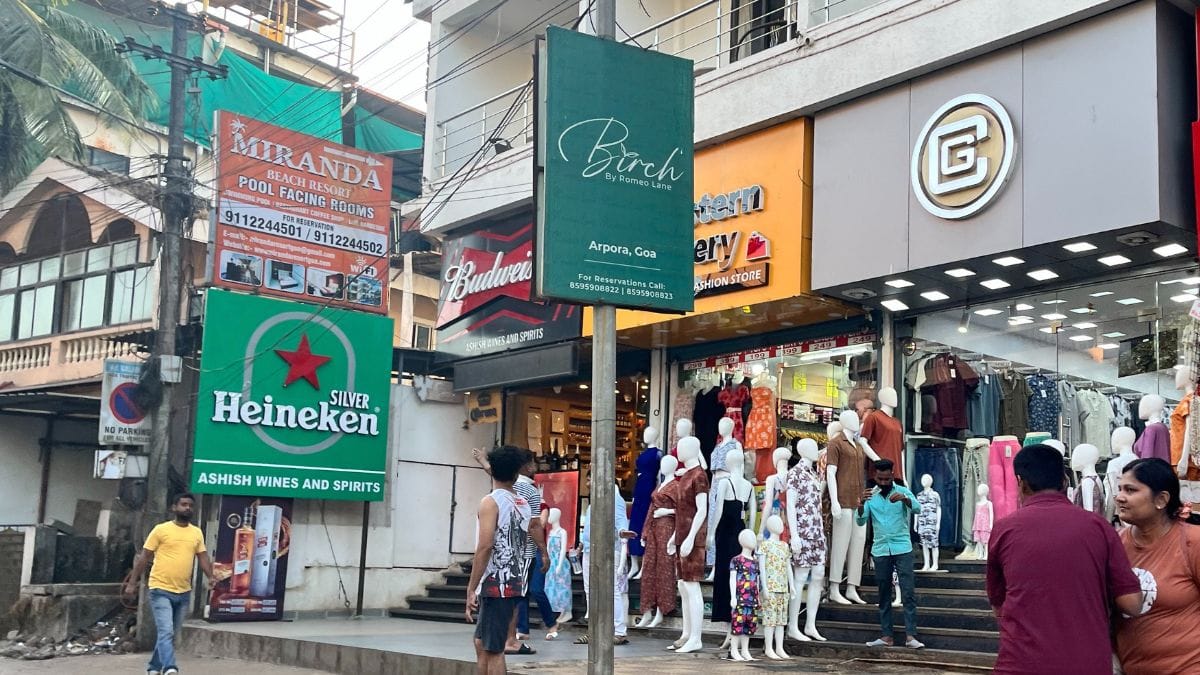
“Pyro guns and indoor firecrackers were the root cause of this fire, along with lax management that ran away from the scene, without rescuing the kitchen staff,” a senior officer at the collector’s office told ThePrint.
Twenty kitchen staffers died in the fire, suffocated to death in the basement. They were from Uttarakhand, Jharkhand, West Bengal, Assam, and Maharashtra. Four were from Nepal.
On Wednesday, the North Goa district administration imposed a ban on firecrackers in nightclubs under orders from the state government. The ban came under Section 163 of the Bharatiya Nagarik Suraksha Sanhita, 2023.
Section 163 prohibits the use, bursting, ignition, or operation of fireworks, sparklers, pyrotechnic effects, flame thrower-type devices, smoke generators, and similar fire- or smoke-producing equipment inside tourist establishments. These include but aren’t limited to nightclubs, bars & restaurants, hotels, guesthouses & resorts, beach shacks, temporary structures, event venues, and entertainment establishments across the North Goa district.
“The said order shall come into force from 10/12/2025,” the government-run press said Wednesday evening.
Flashlights
On Thursday, brothers Saurabh and Gaurav Luthra, the owners of ‘Birch by Romeo Lane’, were detained in Thailand and deported to India. The Thailand Police reached their doorstep after the Interpol issued a ‘Blue Corner’ notice against them. The Goa government, the Ministry of External Affairs, and the Central Bureau of Investigation had escalated the fire incident with Interpol.
A Goa Police investigation has revealed that on 7 December, the brothers booked flights to Thailand’s Phuket via MakeMyTrip at 1.17 am.
At the time, the Goa Police and Fire Services were busy rescuing people from the club. They had no clue about the basement or the trapped kitchen crew.
Calangute Sarpanch Joseph Sequira told ThePrint, “The Goa Panchayat Raj Act, 1994, does not recognise clubs and dance bars. It only gives licences to ‘restaurants’, as mentioned on the licence [given to owners] in bold.”
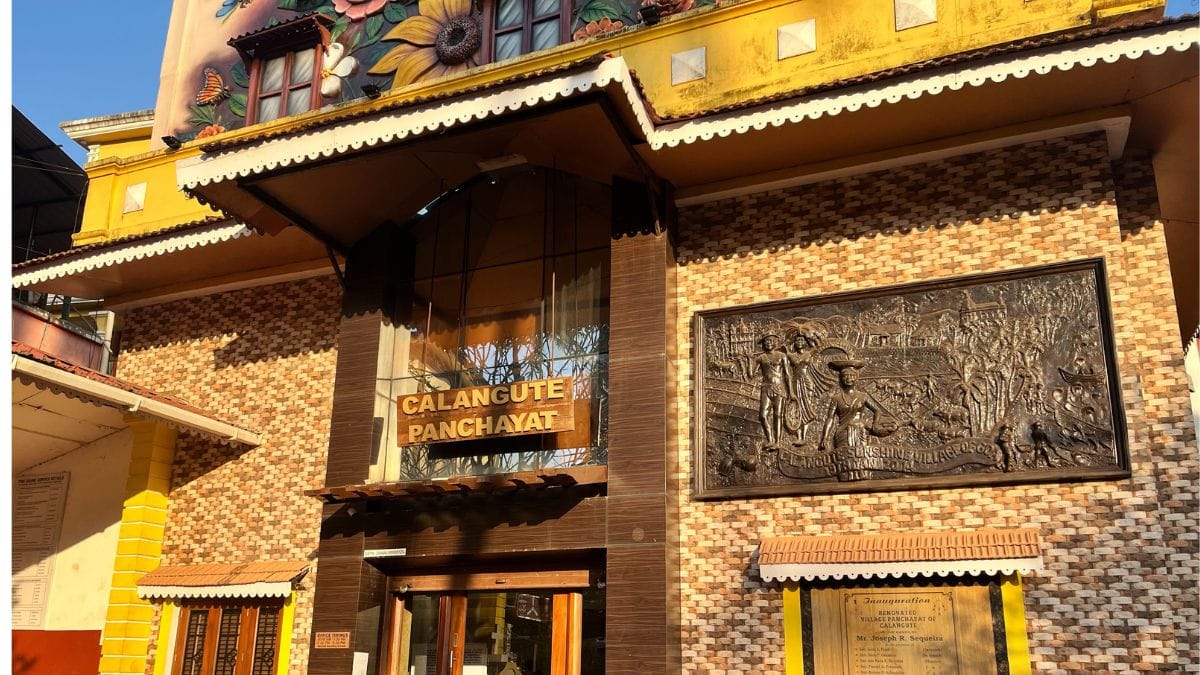
Joseph Sequira rued that restaurants turned into dance clubs with loud music after midnight. “That can’t happen, we have mentioned,” he added.
A member of his Panchayat told ThePrint, “We do not know what exactly happened under the Arpora Panchayat [‘Birch by Romeo Lane’ comes under its jurisdiction]. But we know that the office issued that club an official trade licence for ‘restaurant cum nightclub’. That is not legal.”
Speaking to ThePrint, a fire officer, who responded to the fire late on 6 December, said, “We were not informed that there were 20 people stuck inside. Some of the staff and security had left the scene. Had someone told us the basement has a kitchen, we could have saved at least some of them.”
“When we reached the basement after the fire was contained, we noticed the flashlight on the phones of the people who had suffocated. It indicated that they were trying to find a way out.”
Also Read: Jharkhand brothers, fellow chef from Nepal—migrant workers bear the brunt of Goa nightclub inferno
Something for everyone
In the 1960s and ‘70s, beaches along the coast of North Goa became a stop on the international ‘Hippie Trail’. European wanderers and long-staying travellers brought music, psychedelia and a counterculture that had little interest in officialdom.
It replaced Goa’s original nightlife.
Improvised flea markets by day, open-air jams by night, and late-evening gatherings that drifted into dawn had been part of Goan culture.
In Baga, Tito Henry D’Souza’s house—now on Tito’s Lane, a name given later—became a cultural landmark in the 1970s. In his house, Tito arranged ‘live music’ for the foreign visitors in the evenings.
In Anjuna, foreigners themselves hosted and arranged parties that other tourists attended.
As air travel spiked, and Goa became more popular and accessible for Indians, many Goans followed Tito’s path. They set up restaurants and nightclubs on their land. And, the once-quiet coastal villages transformed into bustling backpacker zones for domestic tourists.
By 2021, Tito’s had become such a popular business and brand that Tito’s Group—founded in 1971—was reportedly looking to sell 10 percent of its stake at a valuation of $115.6 million.
The company is now under Tito’s children, Henry and David, who operate the popular joints Club Tito’s and Cafe Mambo, among others. The sons reportedly wished to expand into real estate and software services.
Over the years, Goan nightlife has taken new forms. Today, it is characterised by “high-energy music, multiple dance floors, flashy interiors, and a willingness to spend far more than earlier travellers,” an owner of a quaint diner close to Tito’s Lane told ThePrint. “The clubs in Tito’s Lane have reoriented themselves to match the demands of this new market.”
With North Goa seeing a sharp rise in private investments from Delhi-NCR and Gujarat, Tito’s Lane has become a packed corridor now. It is lined by restaurant-turned-clubs, many of which have expanded faster than local licensing systems could keep track of.
“This rapid commercialisation transformed North Goa,” the diner owner added.
The police told ThePrint that now, almost every nightclub in Tito’s lane, other than Tito’s, is owned and managed by a non-Goan.
In the “party belts” of Vagator and Anjuna, it’s the same story.
A senior police inspector who wished to stay anonymous, recalling his time at the Vagator Police Station, told ThePrint, “In 2014, there were three nightclubs in Vagator, run by outsiders—Chronicles, Water, and Thalassa. Goan locals ran all the rest.”
“But over the past ten years, everything has been taken over by Delhi-ites, who are big investors,” he added.
Today, Goa’s nightclubs are concentrated in the northern part of the state. North Goa is popular among younger crowds, craving a good party.
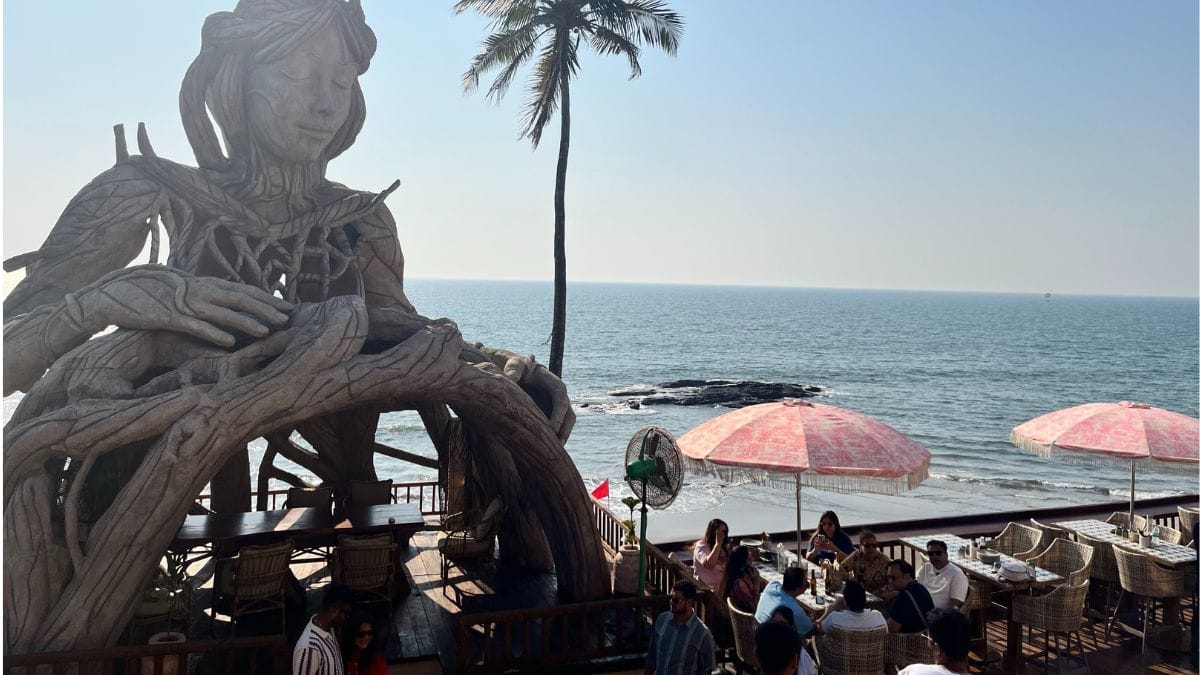
There are similar venues in South Goa, but that part is known to be for people who want to experience the Goan susegado. Resort-goers and families.
In North Goa, the nightclubs mushroomed so swiftly that the Directorate of Panchayats has struggled to get a handle on the number of permits granted. And, the establishments cater to different clientele but with similar ingredients—music, booze, food, and pyrotechnics.
Unlike the cramped Tito’s Lane, which has no sea views, a few clubs in Siolim, Vagator, and Anjuna are elite establishments. They offer “premium services” and have incorporated entry fees and table reservations. Though they are quieter during the week, they are bustling on the weekends. Some, such as ‘Thalassa’ in Vagator, are known for their sundowner vibe. Others, such as ‘Clara Beach Haven’, cater to families. Children can join their parents and move with the music.
“We saw Instagram posts on these scenic restaurants and nightclubs and were itching to come,” Shanaya Correa, a first-time visitor in Goa, told thePrint.
A design student from Ahmedabad, Shanaya Correa and her friends sat by the sea, around a table, taking in the sunset.
“Some of our friends were concerned after the fire and wanted to cancel, but here we are,” Correa exclaimed.
Mariaketty Grana from Corfu, Greece, visited Goa in 1990 with her nine-month-old son Spiro. She saw the quiet, calm life the place had to offer and started as a kebab-seller at Arpora’s flea market. Years later, in 2006, she opened ‘Thalassa’.
Perched on cliffs overlooking the Arabian Sea, it became famous for sunsets and ambience. Grana fused traditional Greek hospitality and cuisine with Goan vibes. ‘Thalassa’ became popular for live fire shows, Sirtaki/Zorba dances, and celebrity sightings. Now there is a Siolim outlet. Another is in Ashvem.
A manager at one of the establishments said on the condition of anonymity, “Mariaketty is very social and always present at the restaurants in the evening. She greets guests and asks them about their preferences. That’s why we have a loyal customer base… They come for her.”
Since the fire, fewer people are visiting and doors close by 10.30 or 11 pm. But the restaurant chain is not worried. “Christmas is the time when all of Grana’s friends and people who know ‘Thalassa’ visit,” the manager said.
On the crackdown by authorities, he said, “They had never checked before. Now, inspections are routine.”
ThePrint reached out to other restaurant managements for comments. However, after the fire, owners and upper management are rather scared to speak.
Also Read: Goa nightclub fire: No business in Thailand, Luthra bros clearly tried to flee, police tell court
Losing count
As crowds swelled in North Goa, so did the gaps.
Buildings without occupancy certificates, licences without NOCs, and permissions granted on assumptions, rather than inspections, became the norm. For years, the system functioned on informal tolerance. Till the Arpora fire shattered that balance.
In Calangute alone, 17 restaurants operate as full-scale nightclubs. Many run deep into the night despite laws mandating a strict 11 pm closure for all restaurants. Under the Panchayat Raj Act, there’s no legal provision for clubs.
Speaking to ThePrint, the Calangute Sarpanch acknowledged that licence renewal processes had turned routine, with licences issued before NOCs, structural stability checks, or clearances from town planning.
Joseph Sequiera said that it was difficult to monitor restaurants-turned nightclubs at 11 pm and that “things had been cool”.
“I have been here since 1988. The footfall has always been roughly the same. Tito’s was only one, then there were two. Later, Cape Town came. Tito became a bit greedy and built four other clubs of the same structure. That’s why there are four different clubs under the group’s ownership. Then, another club came next to it. But officially, they are called restaurants. Officially, I say, it is only a restaurant and must shut by 11 pm,” he said.
ThePrint visited Tito’s and called the owners, but they declined to make any comment.
After the fire, the Calangute Panchayat is preparing to send a show-cause notice to 17 clubs in its jurisdiction. In three days, the clubs have to respond. For the first time, the Panchayat is demanding fire NOCs, pollution certificates, CCTV footage, proper entry-exit plans, parking and waste documents, as well as tourism and excise permissions. The police or the collector could seal the place in cases where documents can’t be produced.
Joseph Sequiera conceded that many establishments might never pass scrutiny. Several structures lack occupancy certificates. Some have only one entry-exit point—a direct fire safety violation.
With ownership changes came new investors, often from Delhi or its adjoining areas. They list a local “partner” but only on paper.
“Restrictions have existed on paper,” said the Sarpanch. “But enforcement was never real. Now, since that incident happened, everyone is alert.”
ThePrint visited the Sarpanch and the Arpora village Panchayat members, who initially dealt with the fire at Birth by Romeo Lane. They have been tight-lipped since coming under a microscope for lapses in following regulations.
Bureaucracy & backlash
Tito’s Lane today is silent. The clubs are afraid of a shutdown. Threatened by locals and governing bodies, they’re worried about their investments and future.
Tukaram Parab, a young waiter from Pune, who has worked for over three years at Vagator’s ‘Clara Beach Haven’, said, “We are worried about the fallout of all this, about the possibility that it might impact the number of tourists coming in.”
“December is the peak season, with a lot of visitors coming to enjoy Christmas and New Year here,” Parab said.
For the owners of a club in Baga who spoke to ThePrint on condition of anonymity, the crackdown is both sudden and bewildering. They leased the property legally in 2021, with a license issued by the Panchayat. The current clampdown, they claimed, came only after the outrage following the fire.
An 11 pm closure, as mentioned on their trade licence, is unrealistic, said one of the owners. They haven’t, even once, received a notice from the Panchayat or any department in five years.
“I run a club here, so I know how the lane functions. The crowd comes at 11 pm and stays till 6 am. Everyone knows. The lane runs the same way. The authorities know it too. If it was a violation, why were we never pulled up for it,” asked the co-owner.
Adding, “Everything was functioning smoothly. Frequently, we are harassed by locals. We do not receive much help from the police either. But we were never sent any show-cause notices from any department. Not like they were unaware of what was happening in the area.”
The past decade has seen a decline in the number of foreign tourists. Domestic visitors dominate now. “Foreign tourists used to come for peace & quiet. They don’t party like us. Their taste in music is different. They now travel more to the secluded beaches of South Goa, away from the crowd,” said one of the owners.
This is an updated version of the report.
(Edited by Madhurita Goswami)
Also Read: Engineering wonder built over 60-storey drop in the Sahyadris. Making of Mumbai-Pune ‘missing link’
SIMILAR SUCH ACTION TO BE IITIATED AGAINSTY POLITICAL MPS AND MLAS WHO ACCUMULATED HUGE WEALTH AND THEIR WEALTH SHOULD BE ATTACHED TO GOVT AND THAT THIEFS SHOULD BE PUNISHED FOR 100 YEARS IMPRISONMENT. THEN ONLY INDIA WILL PROGRESS. COMMON MAN WEALTH WILL NOT BE LOOTED BY POLITICIANS. IT SEEMS THAT THE P0LITICIANS TAKE THE LAND OF INDIA BY LEASE TO LOOT PUBLIC MONEY AND PUBLIC WEALTH.