





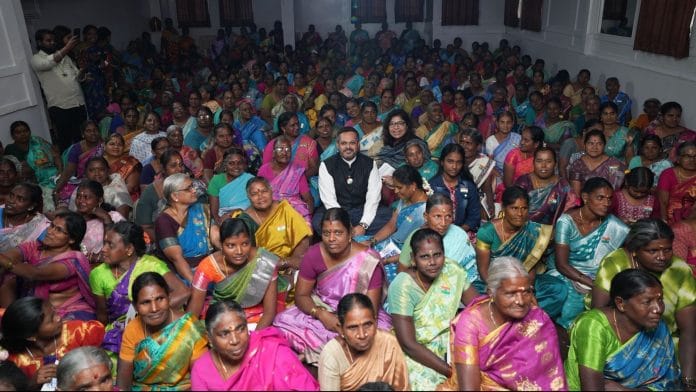



New Delhi: Women in India across towns and villages—farmers, workers, caregivers, entrepreneurs—run homes, contribute to the economy, and carry responsibility with remarkable steadiness.
And yet, when it comes to finances, conversations on investing, planning or long-time security, most of them remain on the margins.
This is what Geetanjali Sachwani, Head of Marketing at Franklin Templeton, found during her travels as part of the mutual fund investment company’s ‘Change the Soch (Mindset)’ campaign—a 30-day drive of more than 4,000 km across 21 cities—from Kanyakumari to Kashmir.
The reason for the marginalisation, she discovered, is not lack of capability, but rather a lack of access, confidence and a platform. “Sitting with these women has been a reminder that you can’t truly understand behaviour, barriers, or belief systems from the comfort of an office. Armchair marketing doesn’t capture lived reality. Ground truth does,” she says.
“What I’m seeing is not hesitation, it’s readiness. What’s missing is awareness, encouragement, and safe spaces where women can learn, ask questions, and participate in financial decisions without judgment.”
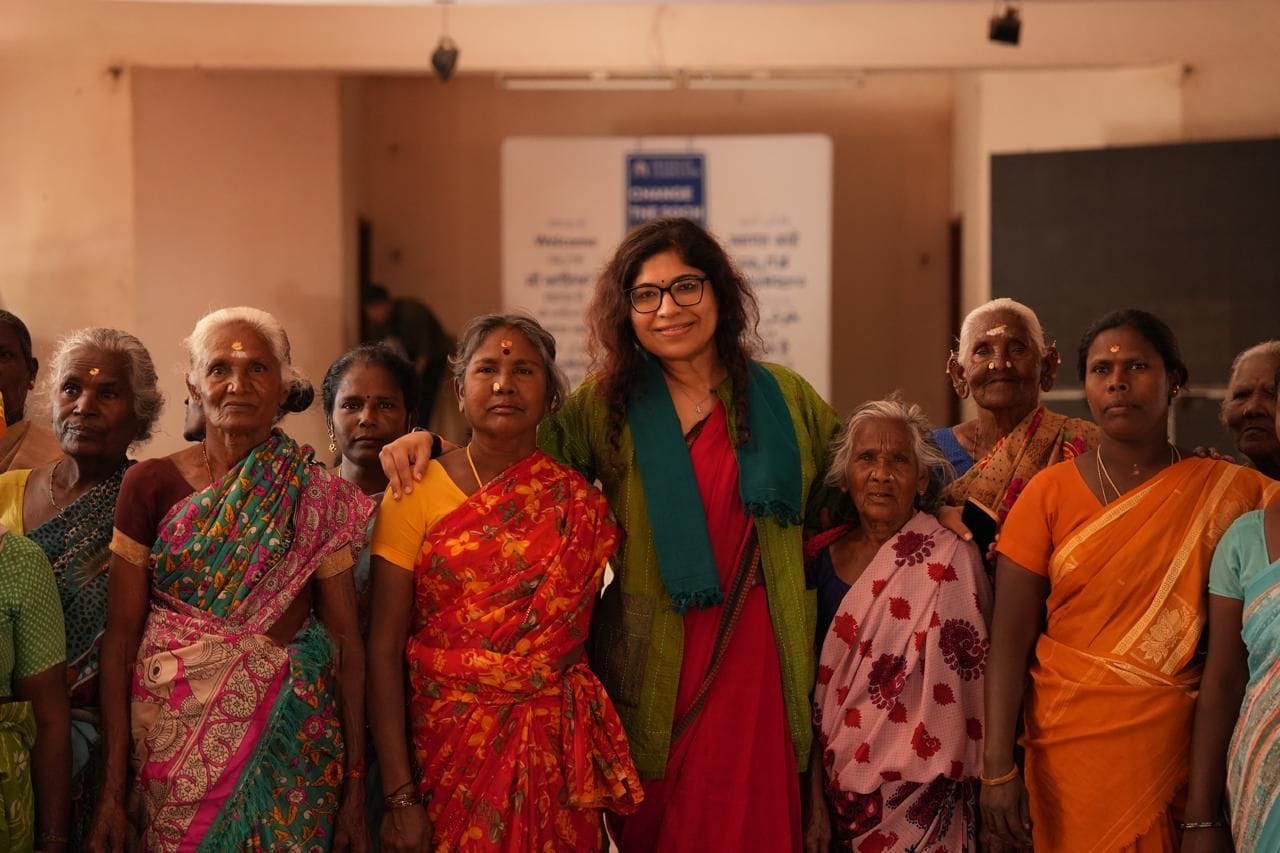
Franklin Templeton’s ‘Change the Soch’ campaign is about creating those platforms. It aims to educate women on financial literacy and smart investing, promoting financial inclusion and independence. So women who already hold families and communities together can also hold the pen when it comes to their financial futures. Leading the 30-day journey is President of Franklin Templeton India, Avinash Satwalekar.
Writing from the dual vantage point of a marketer and a woman, Sachwani says the journey reshaped how she thought about purpose-led marketing. She reflects that marketing, in this context, becomes “less about messaging and more about meeting people where they are”, and “less about selling, more about enabling”.
The experience, she says, calls for a reorientation of marketing strategies—away from persuasion and toward participation, trust and inclusion. Together, the reflections present a ground-up view of India, arguing for a more inclusive, empathetic and reality-driven approach to marketing and financial participation.
Also read: ‘Coaching not a luxury’. Why coaching institutes are seeking a lower GST rate from FM