




Khunou, Manipur: When M. Rishikanta entered Churachandpur on 19 December 2025, he did not know he would become a symbol of renewed dispute in Manipur. A Meitei who worked in Nepal, he had gone to Manipur to meet his Kuki partner Chingnu Haokip, but was shot dead on camera. More than a month after he had gone to Manipur, members of the Meitei community gathered at the Jawaharlal Nehru Institute of Medical Sciences (JNIMS) in Imphal to receive his body.
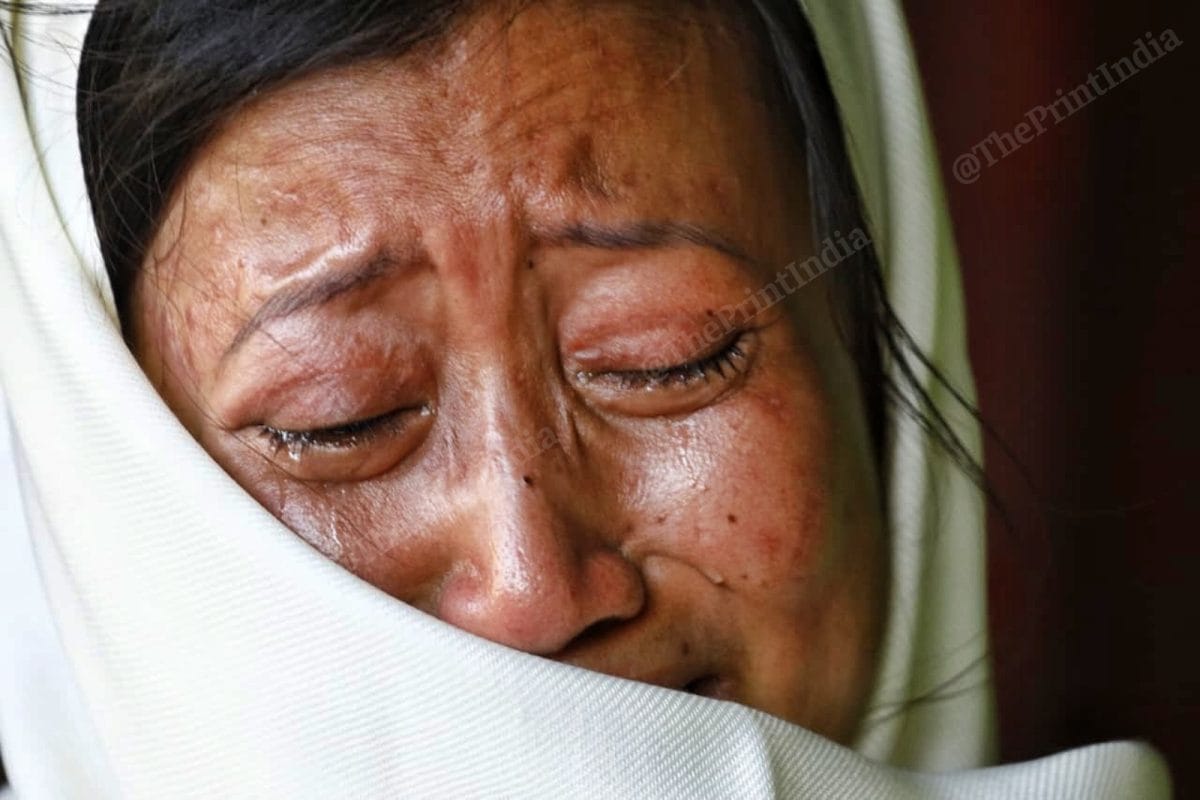
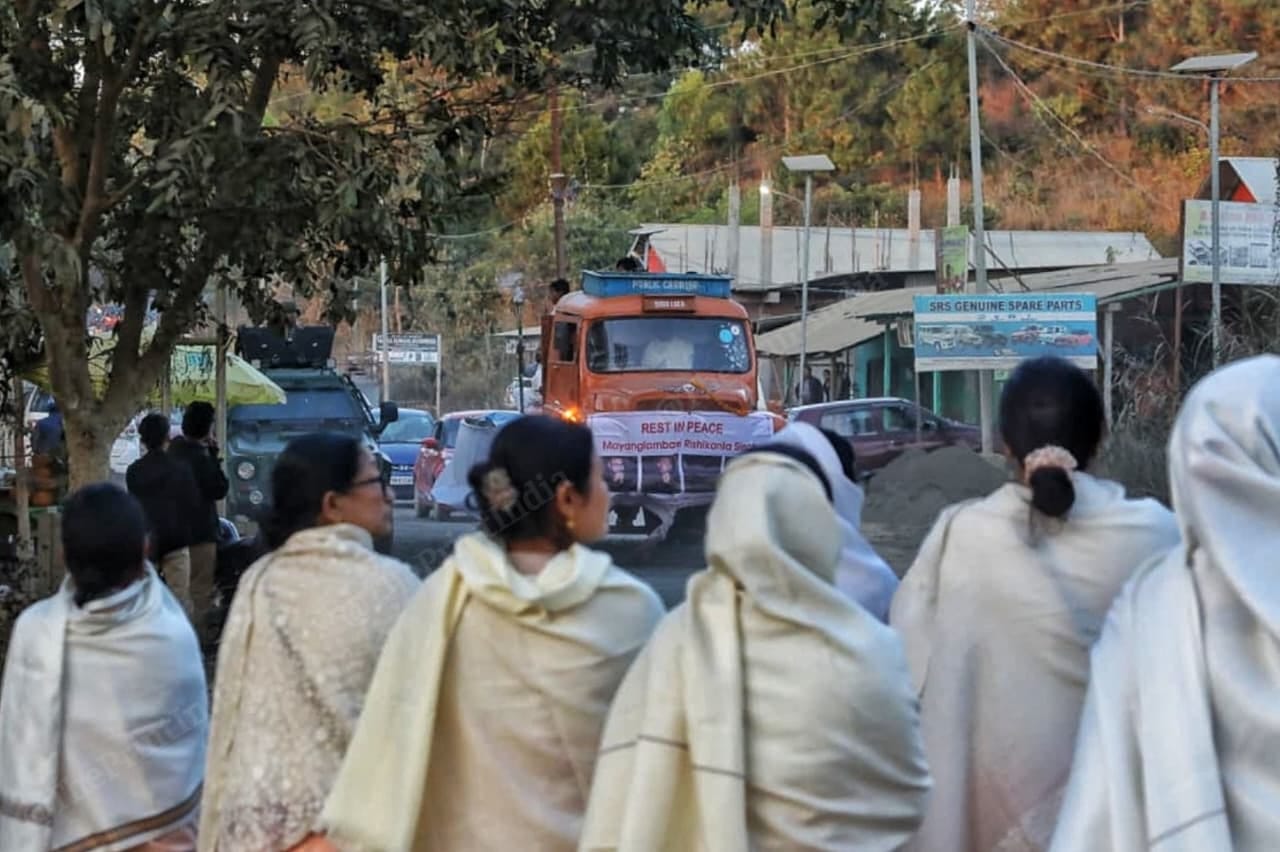
A truck carrying the body arrived with a banner on the front, bearing a message that would come to define how his death would be remembered: “You have shown us that love cannot be separated by caste, creed or the threat of violence.”
Rishikanta was killed on 21 January. Soon after, a video surfaced on social media showing him pleading for his life before he was shot dead, collapsing instantly. His family believed he was still working in Nepal, until they saw the video and received a call from his Kuki partner informing them of his death.
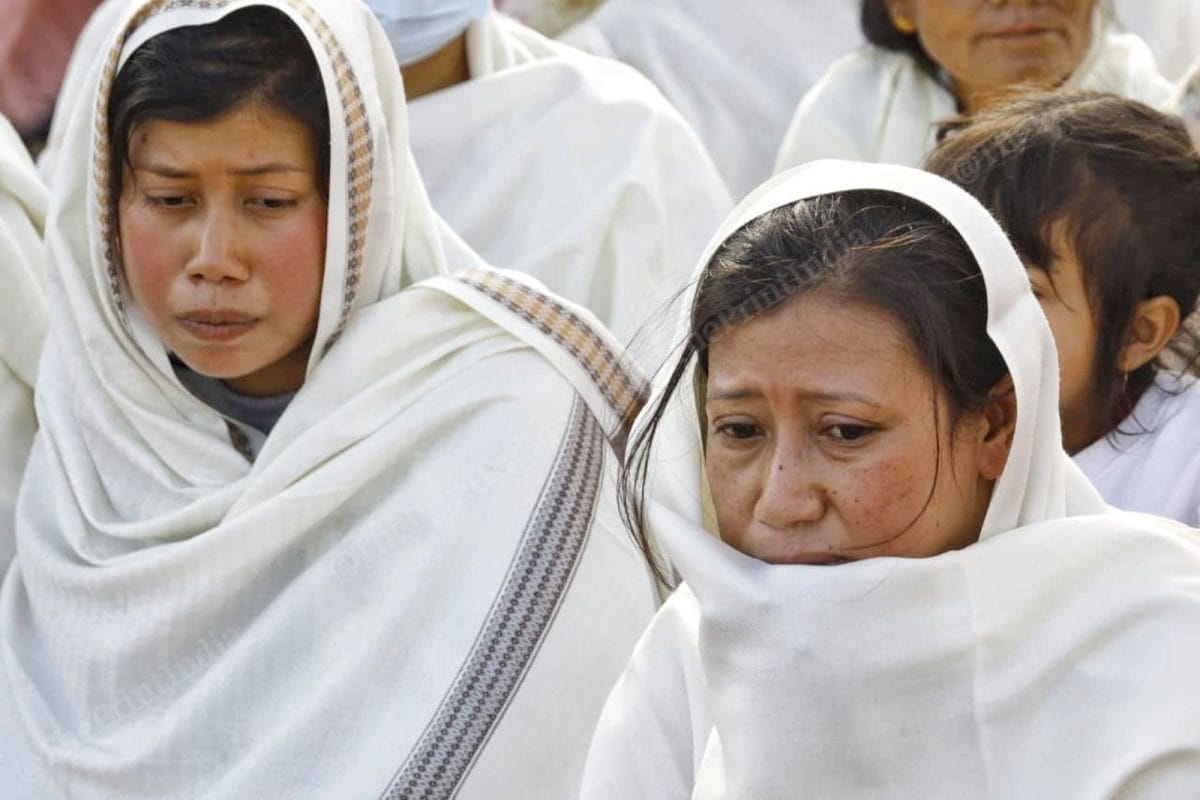
The family initially refused to accept the body. They met Governor A. K. Bhalla twice, placing a set of demands before the state—foremost among them, the transfer of the case to the National Investigation Agency and the arrest and interrogation of Rishikanta’s partner. It was only after assurances were given that the family agreed to receive the body.
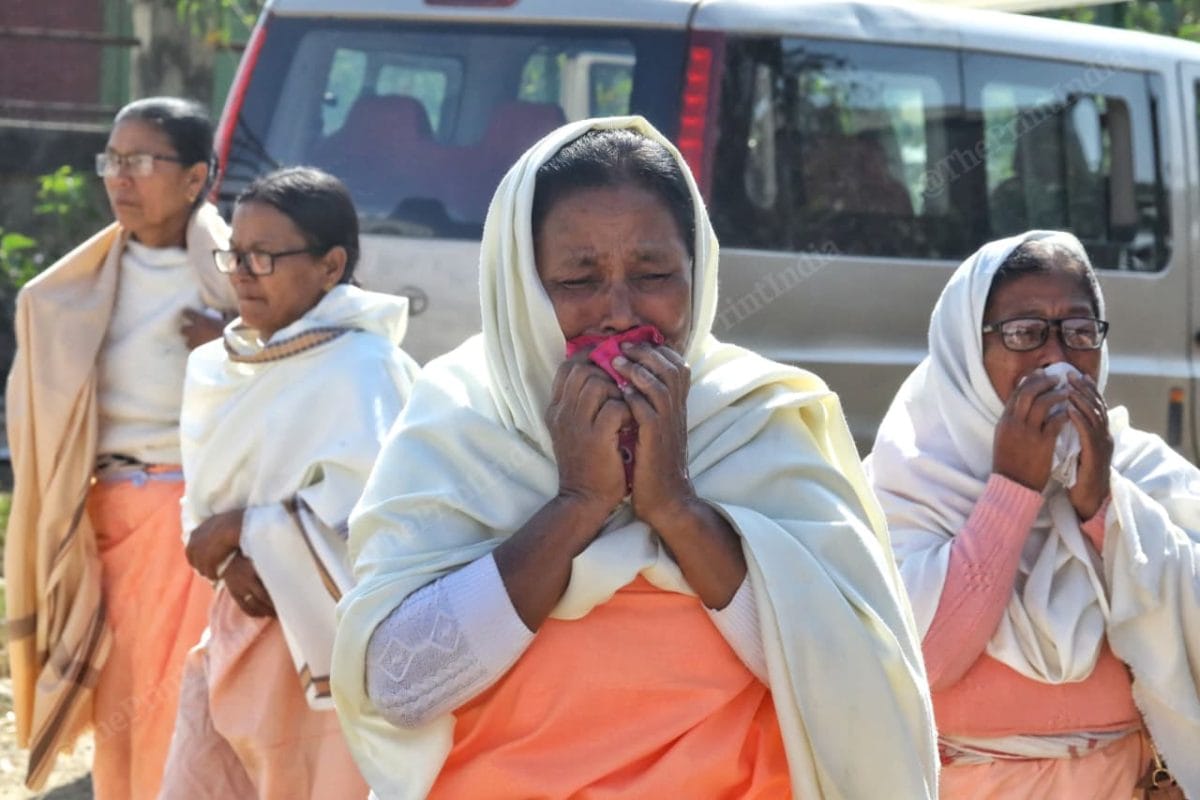
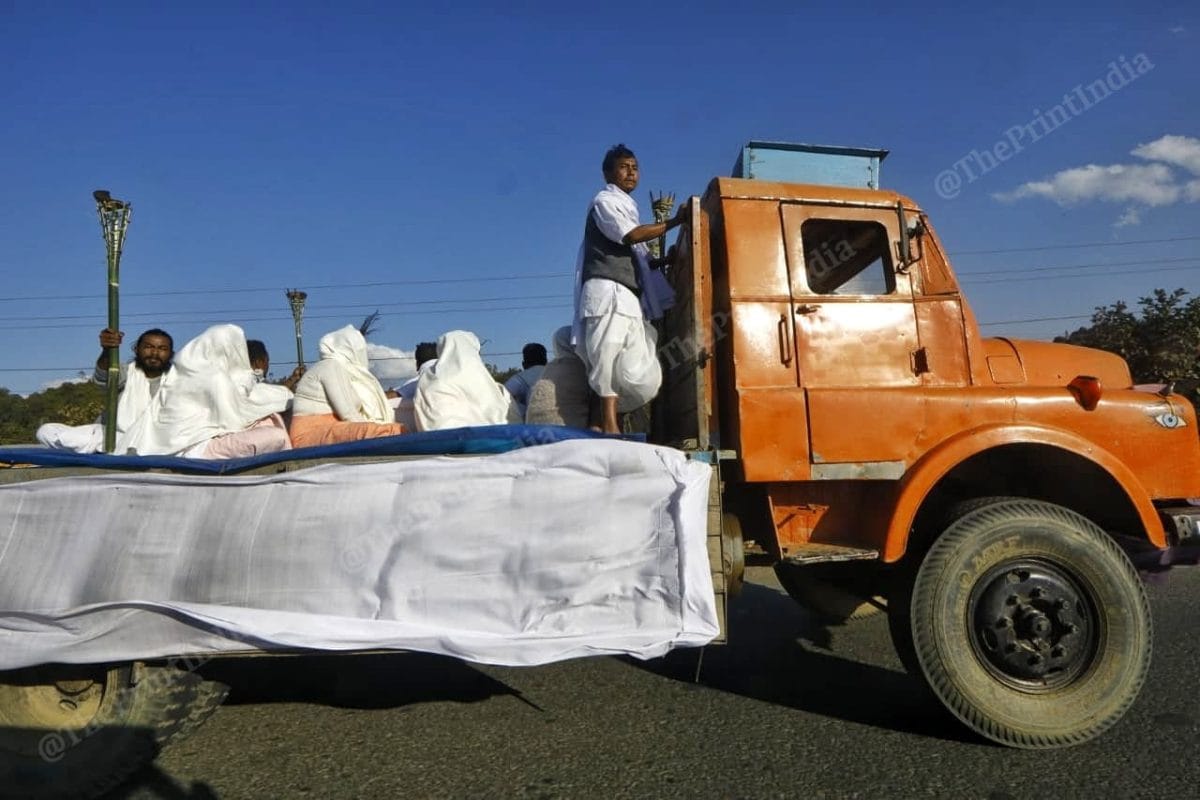
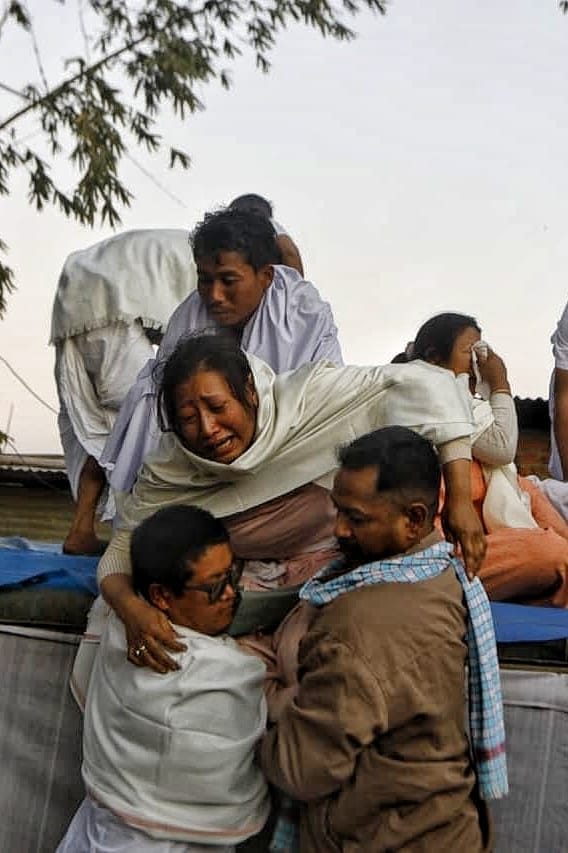
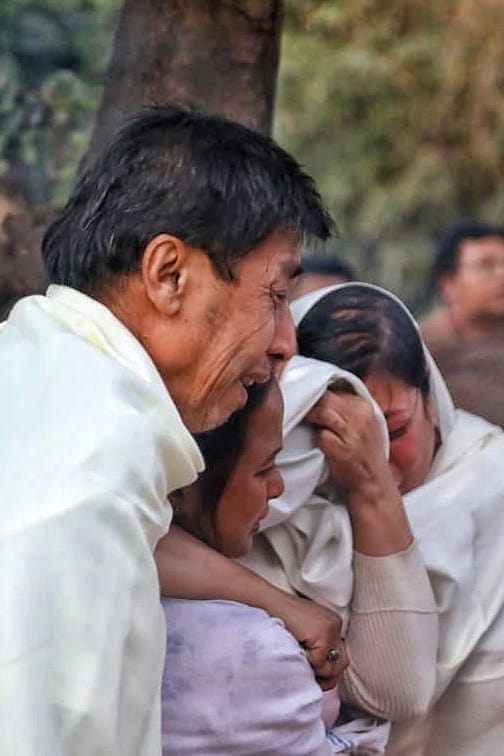
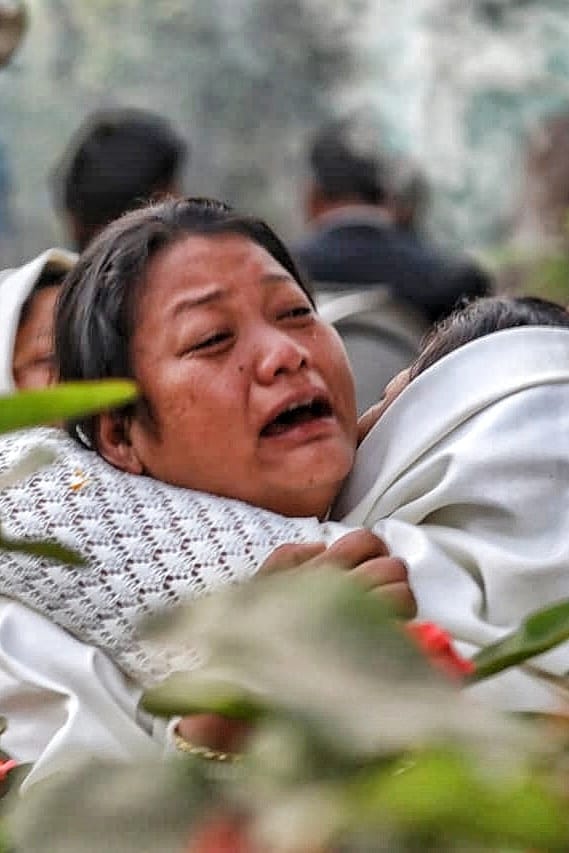
What followed was Rishikanta’s final journey—nearly 80 kilometres from Imphal to his native Meitei village of Khunou in Kakching district. The procession moved under heavy police escort. Each lurch along the potholed road drew fresh cries from those following the truck, as if it reminded them of their loss.
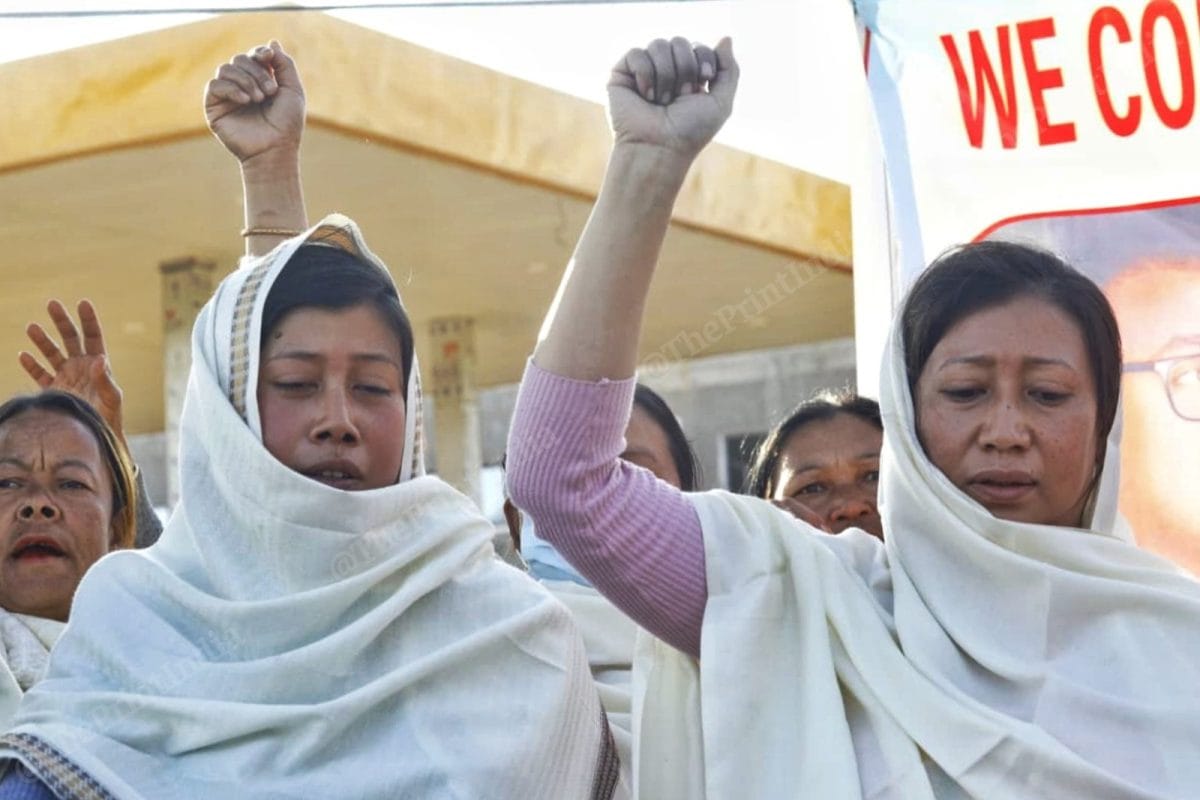
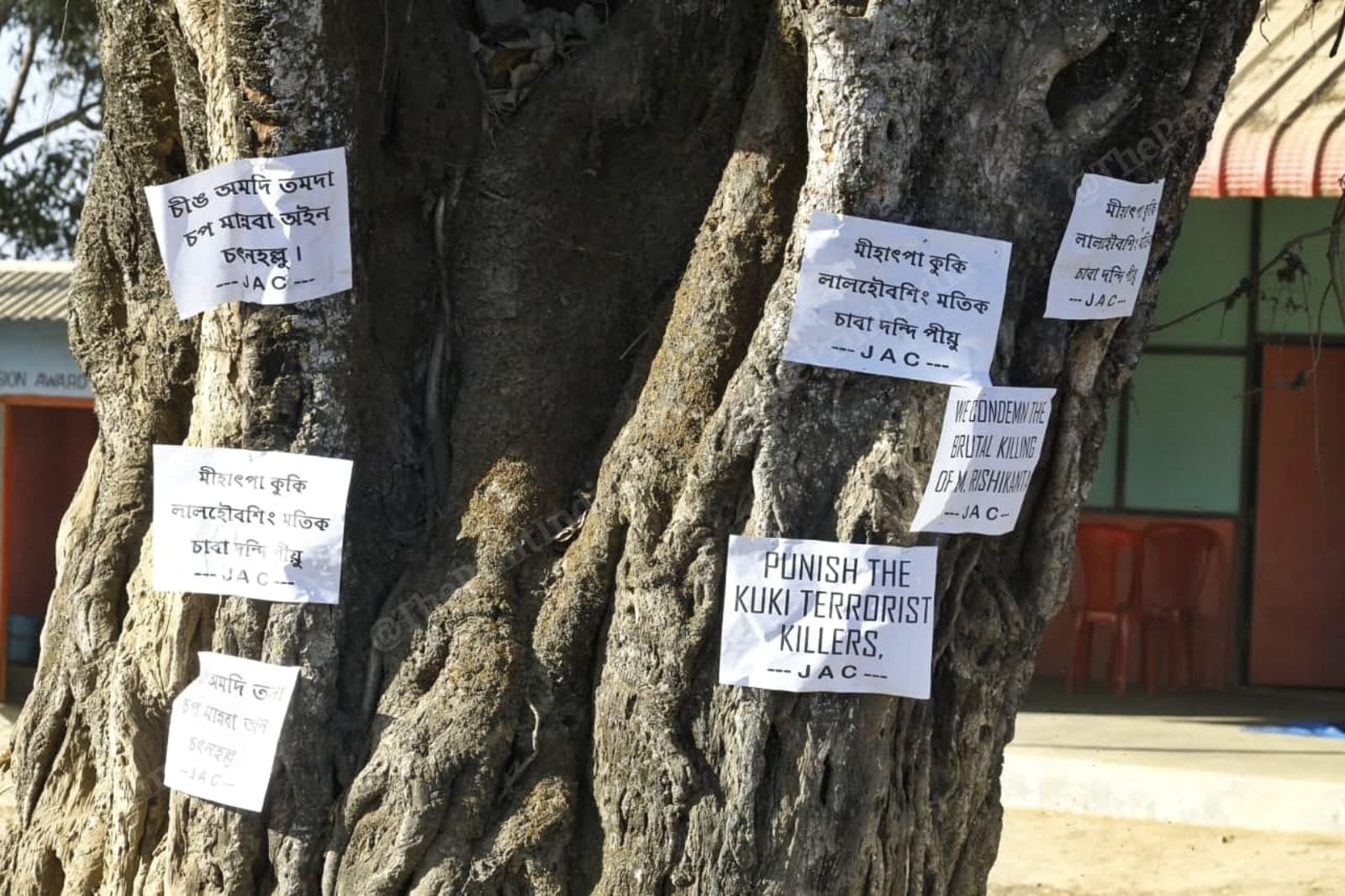
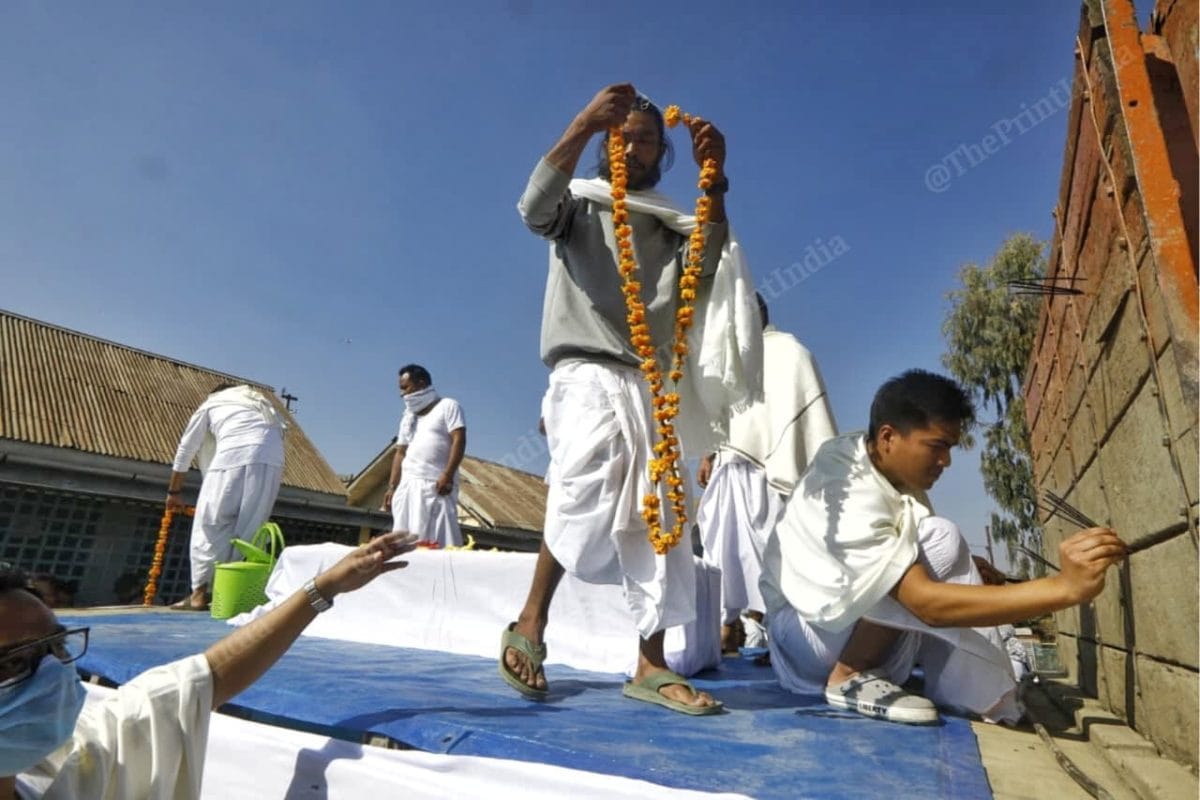
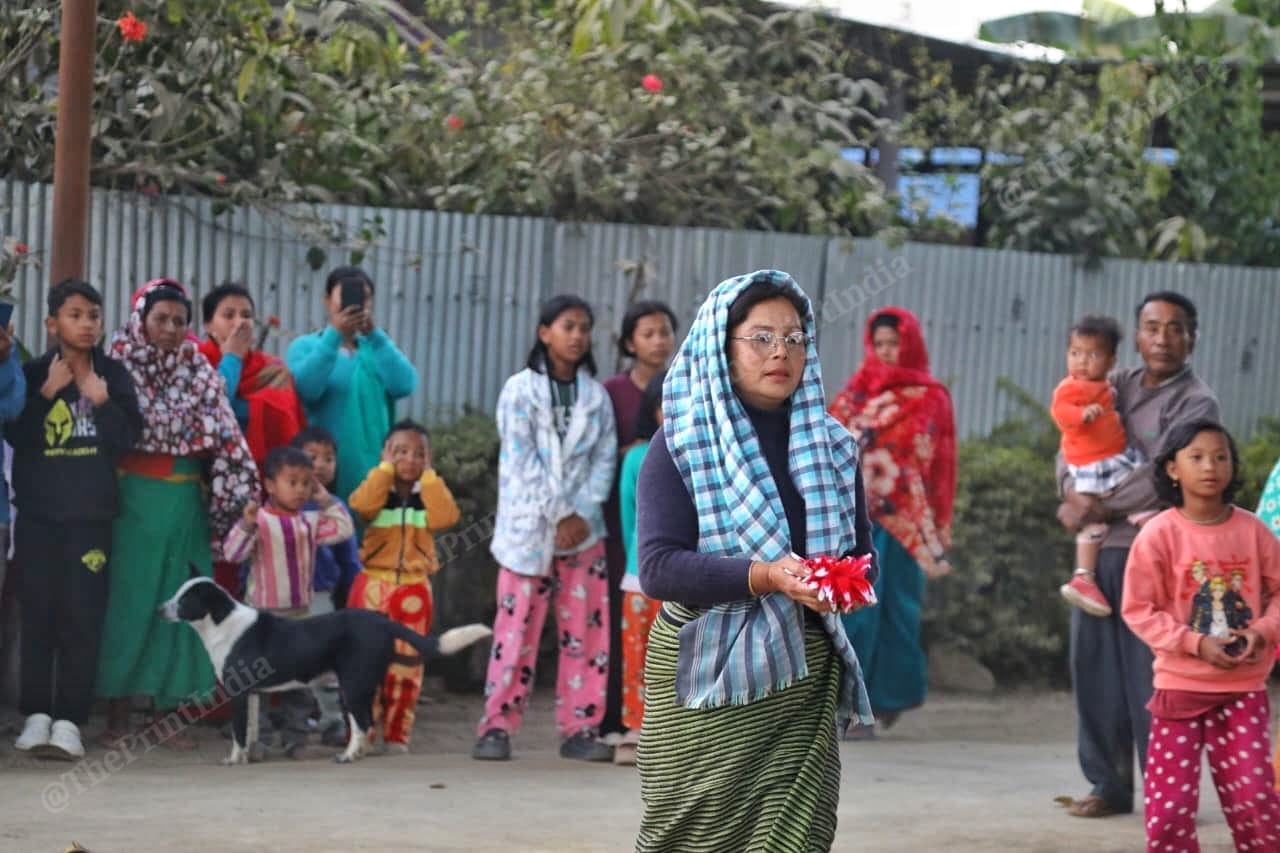
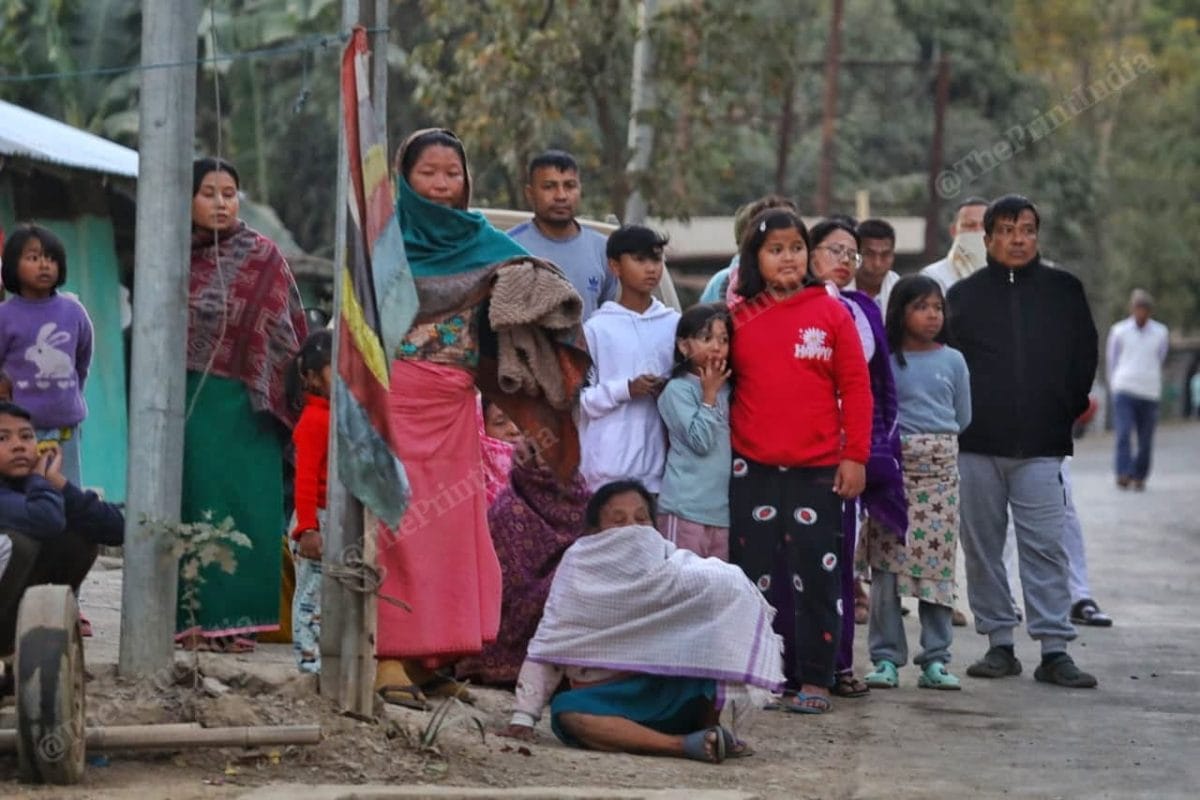
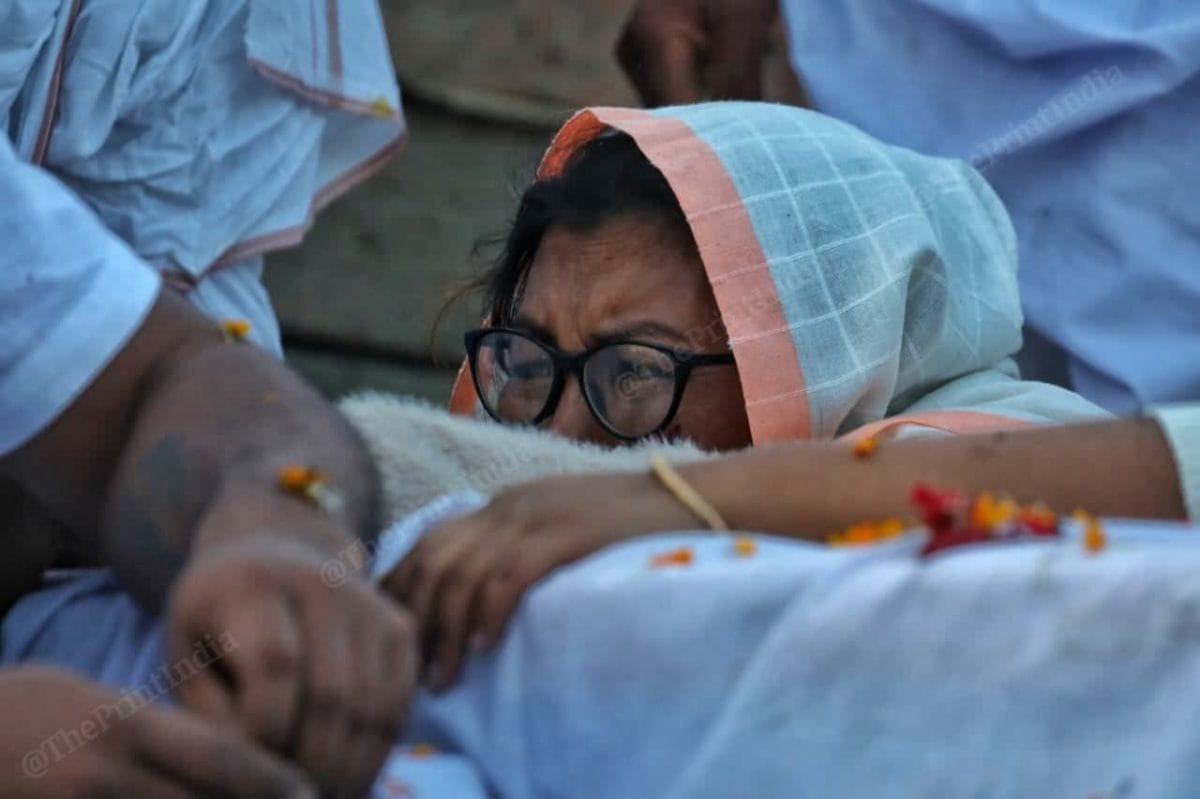
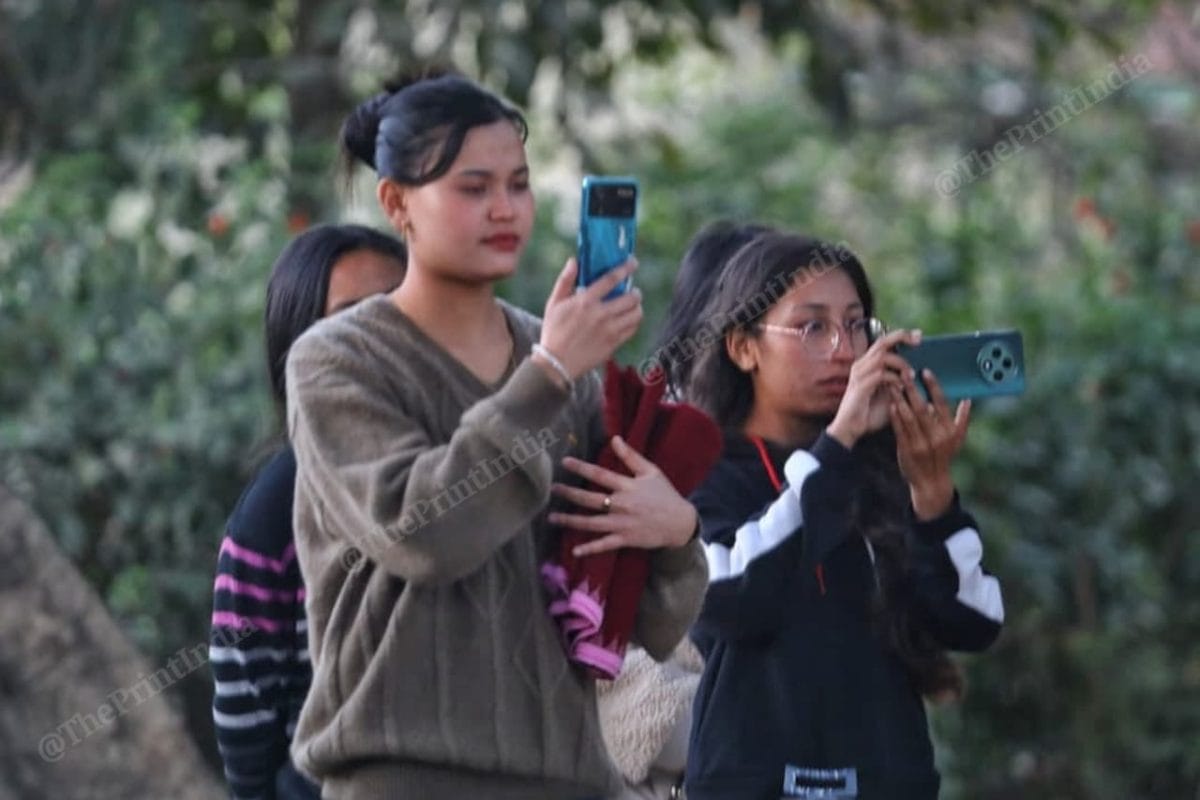
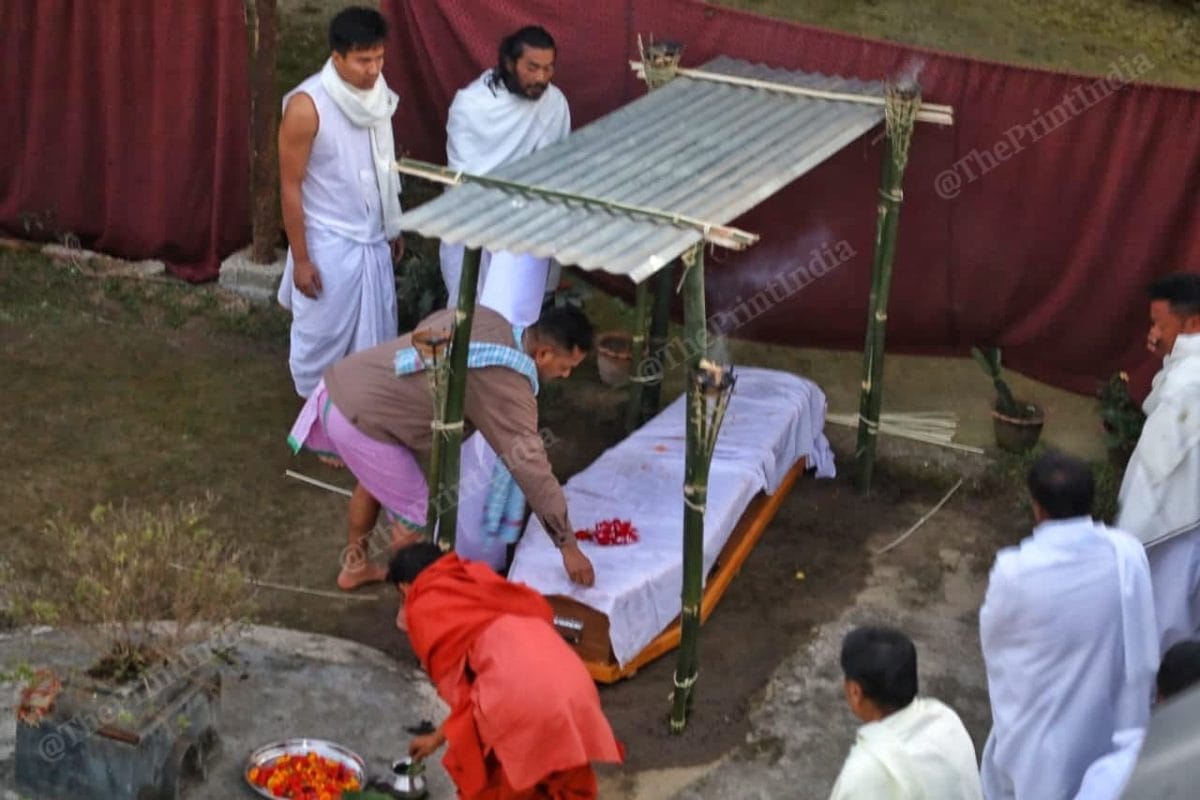
As the truck neared Khunou, the narrow road was lined with people waiting to see him one last time. An autorickshaw with a speaker on it followed the procession, narrating details of how he was killed. Some recorded the last rites on their phones. Others reached out to touch the wooden casket, offering flowers. Even vegetable vendors along the road paused, standing still as the truck passed.
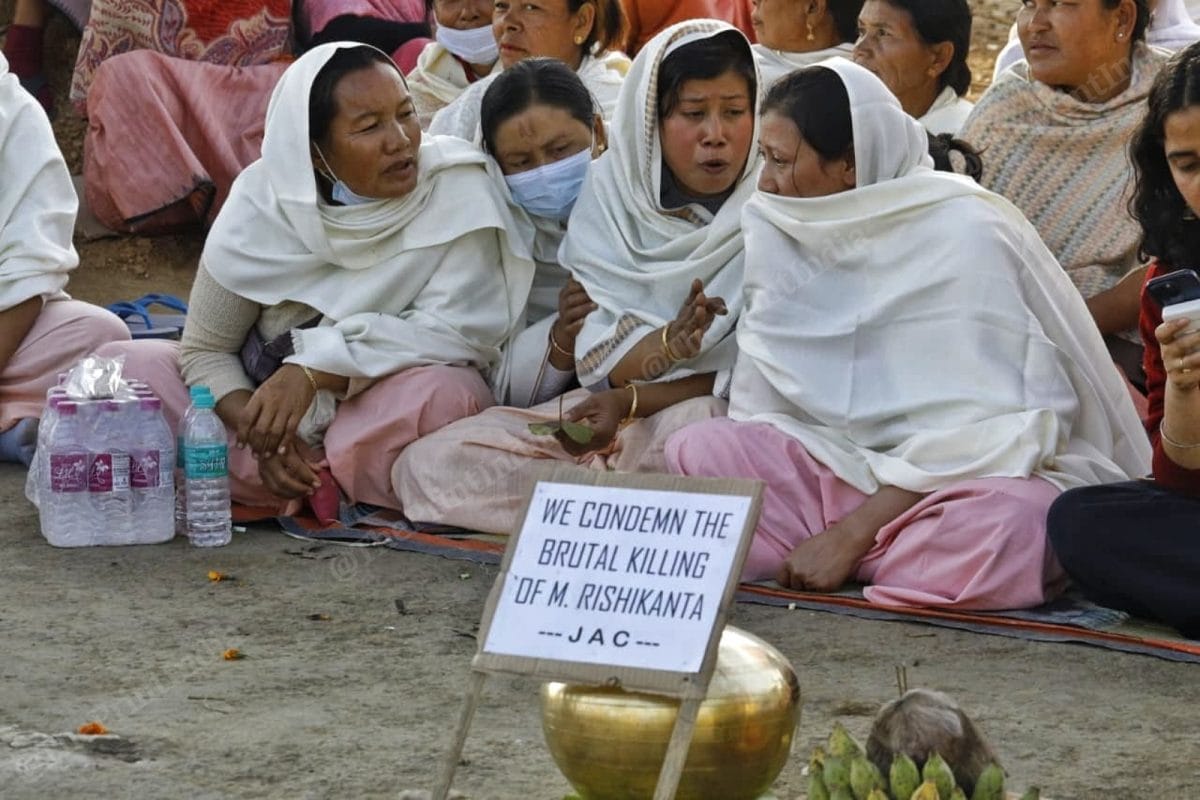
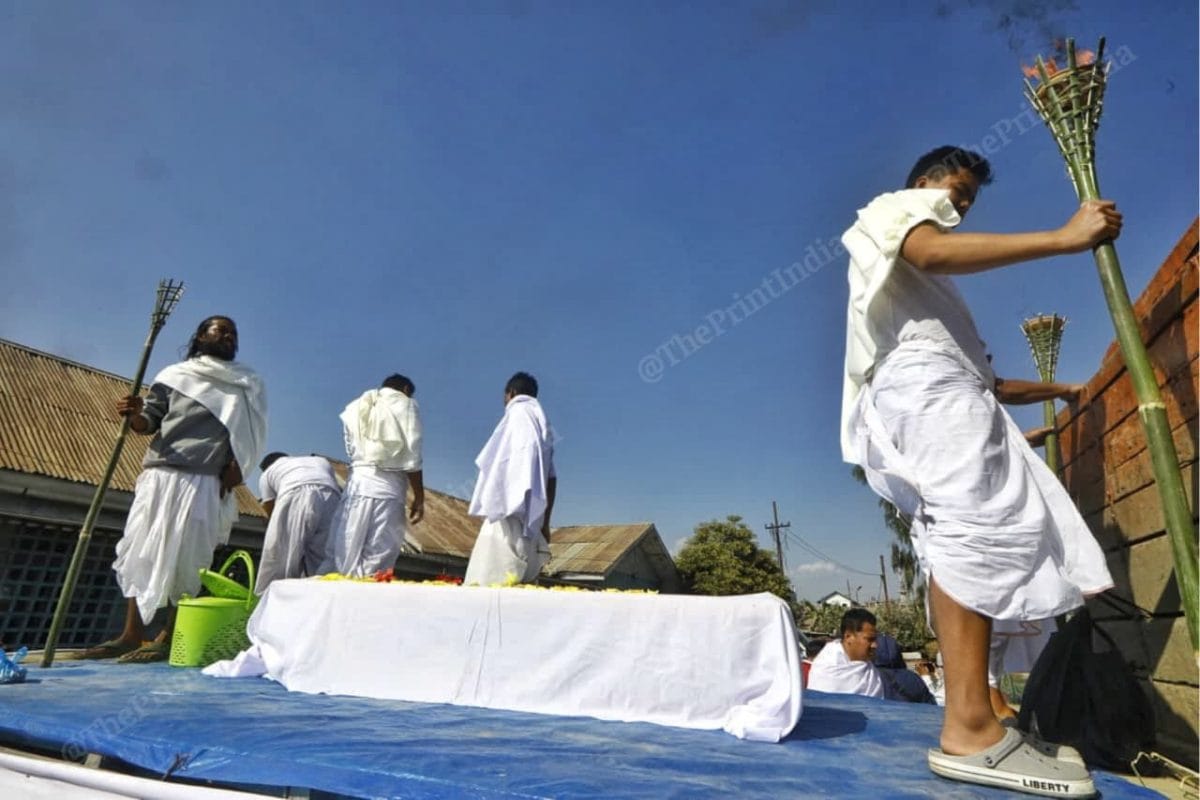
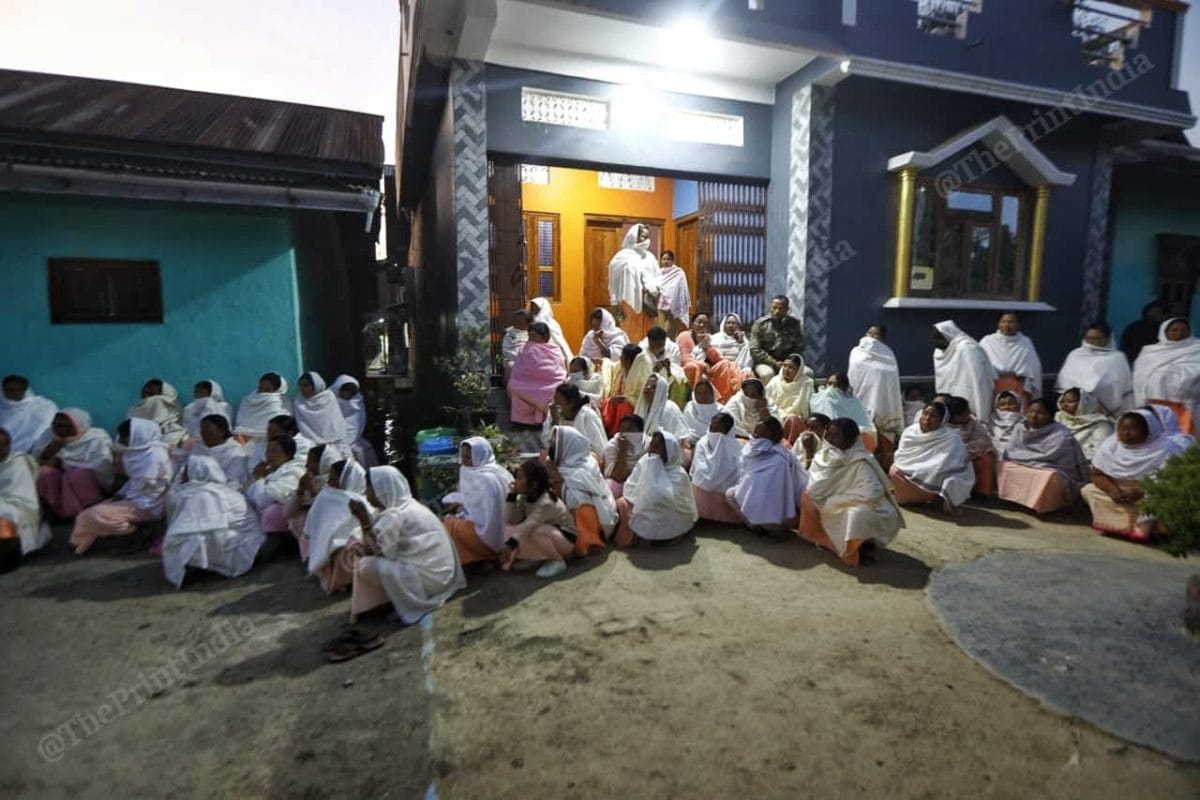
In the courtyard of his house, bamboo torches were lit and prayers followed. A Manipuri song was sung in farewell. Rishikanta was honoured as a Meitei martyr.
And martyrs, Meiteis say, are buried, not cremated.
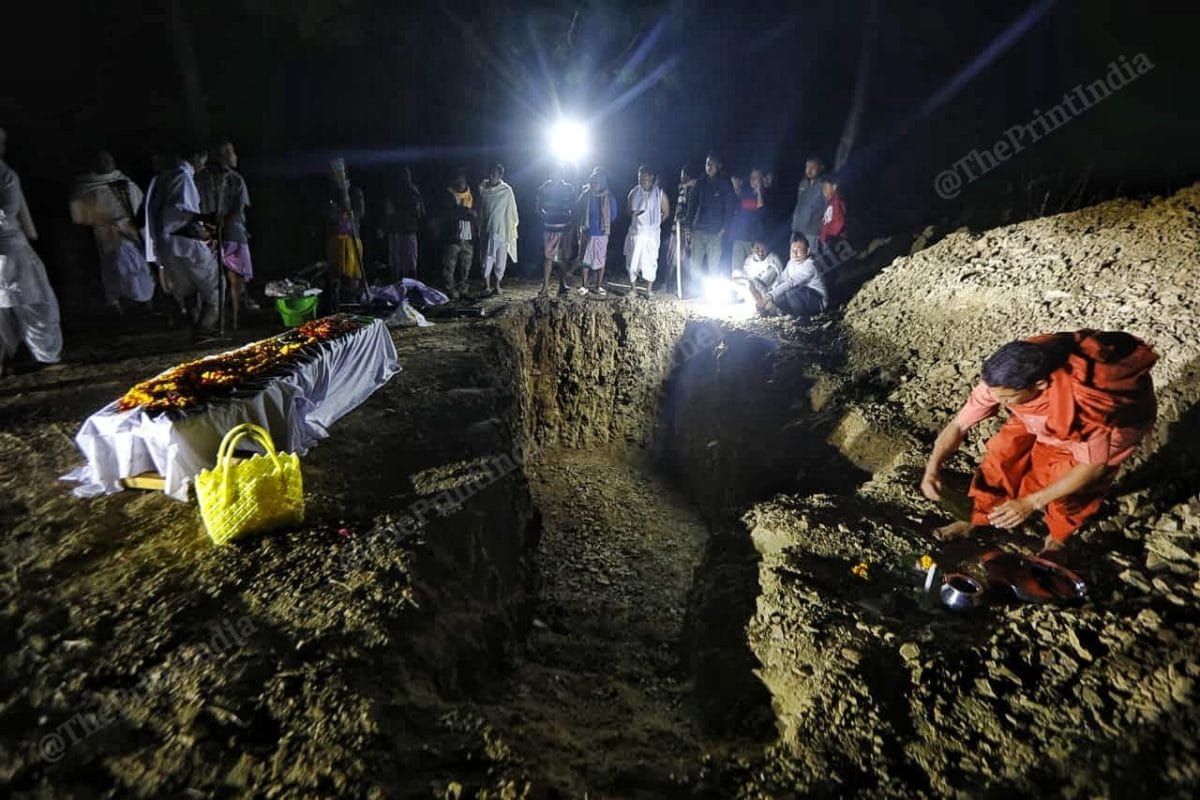
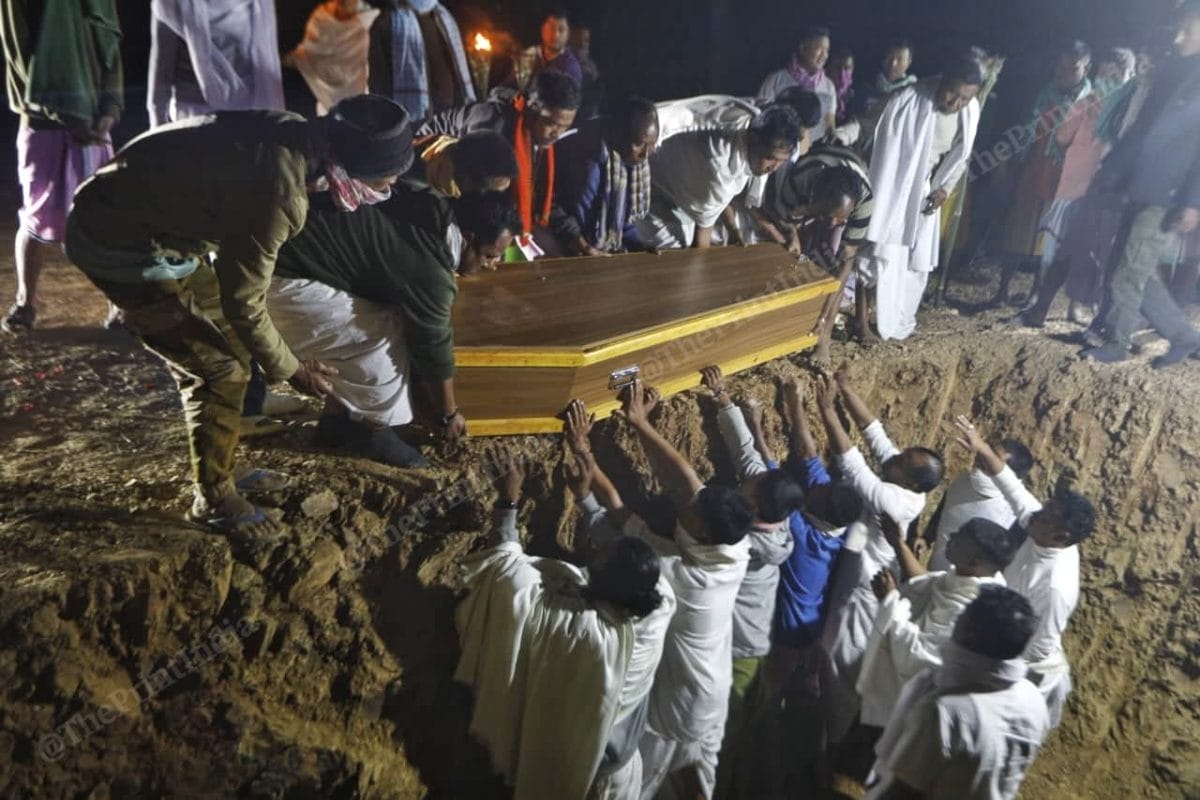
Before Hinduism took root in the region, Meiteis buried their dead. The practice continues when someone is believed to have sacrificed himself for the community. More than three kilometres from his home, on a hillock, a grave had been dug. There, Rishikanta was laid to rest.
Along with him went the poster that had followed his final journey—its words now resting in his grave: “May your sacrifice unite us.”
Also read: In Manipur, kin of ‘martyred’ Meitei man consent to last rites. ‘May your sacrifice unite us’
COMMENTS