





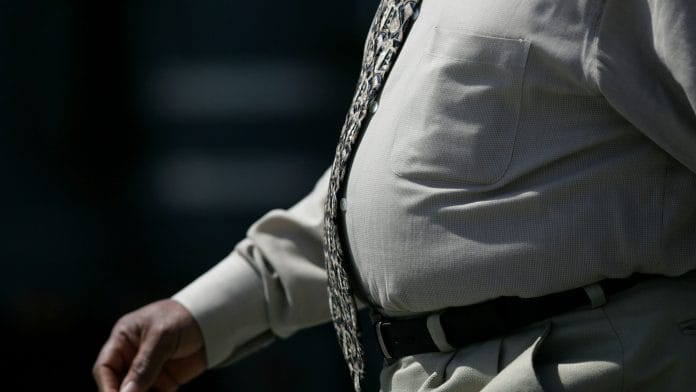



Patients who stop taking obesity drugs regain weight almost four times faster than people coming off a diet, according to new research that underscores how quickly the benefits of the treatments fade.
People return to their original weight in less than two years after stopping weight-loss treatments as they regain about 0.4 kilos (0.9 pounds) on average each month, the study published Wednesday in the BMJ medical journal found.
The findings are significant because about half of people with obesity stop using so-called GLP-1 drugs, which work by mimicking a natural gut hormone to decrease appetite, within a year. It means “drugs alone may not be sufficient for long-term weight control,” the University of Oxford researchers said.
The research compared different classes of weight-loss medications — including older GLP-1 drugs and newer ones like semaglutide or tirzepatide used in Novo Nordisk A/S’s Ozempic and Eli Lilly & Co.’s Mounjaro respectively — with evidence from a previous review of behavioral weight-management programs that included dieting and exercise.
The scientists looked at 37 studies published up to February 2025 involving 9,341 participants.
For people who had used semaglutide or tirzepatide, the weight rebound rate was projected to be even faster than the average at about 18 months to return to the baseline, according to the study.
Beyond weight regain, the study found that coming off drugs also leads to the reversal of other benefits, such as improvements in cardiovascular and metabolic markers like lower cholesterol levels and reduced blood pressure.
By contrast, behavioral weight-management programs focused on sustained changes such as reduced calorie intake and increased physical activity were associated with slower weight regain.
Obesity affects nearly two billion adults worldwide, according to the BMJ, and substantially increases the risk of heart disease, diabetes and premature death.
Some scientists said the study should not come as a surprise.
“We do not expect interventions for other chronic diseases to continue working when treatment is stopped and there is no scientific reason to expect obesity to be different,” said John Wilding, professor of medicine at the University of Liverpool and author of one of the trials included in the research.
This report is auto-generated from Bloomberg news service. ThePrint holds no responsibility for its content.