








Chandigarh: The well-heeled quiet of comedian Kapil Sharma’s Kap’s Cafe in Surrey, Canada, was shattered by a quick succession of gunshots. It happened not once, but three times between July and October. Nobody was killed but a message was sent. Behind the broken glass, the common thread is the ever-expanding, tangled reach of Punjab’s gang wars.
What began as campus rivalries and local turf wars in Punjab first infiltrated music, entertainment, and sports such as kabaddi. It has now expanded into a globalised network powered by a new trinity: transnational networks, trucks, and terrorism.
Gang leaders issue threats from safe havens in the US and Canada, even as old feuds flare up in Fresno truck yards, Surrey cafés, and Lisbon suburbs. In North America, the trucking industry is the logistical spine, with Punjabi-dominated networks in California and Texas reportedly used to ferry drugs, fentanyl precursors, and weapons. And then there is the blurring line between crime and terror. Police say that some gangsters are now taking hit lists and grenade tutorials from ISI handlers in Pakistan, while others are operatives for groups such as Babbar Khalsa.
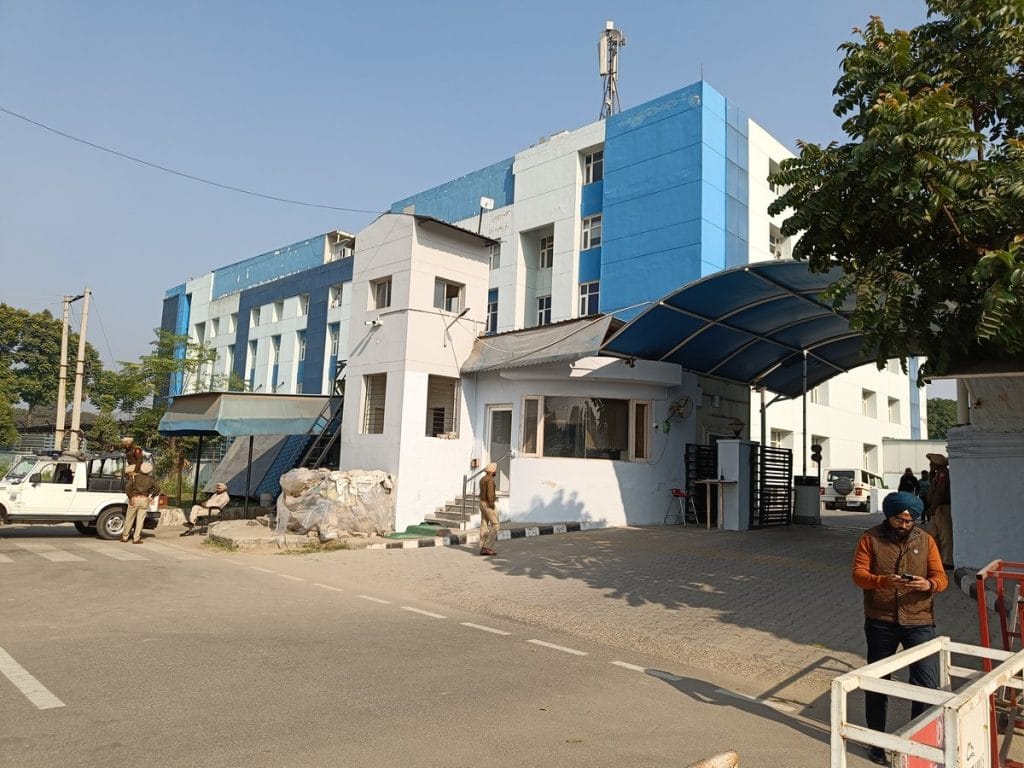
At his office in Chandigarh, Gurmeet Singh Chauhan, DIG of the Punjab Anti-Gangster Task Force (AGTF)—known as the ‘gangbuster’ of Punjab—identified the brazen 2022 murder of Sidhu Moosewala as the turning point. The killing exposed a fragmented landscape controlled by foreign-based handlers, pushing Punjab into a dangerous new phase of criminal violence.
“A new dimension came to Punjab. Gangsters started operating outside India and for the enforcement agency of India, it’s a challenging task to track,” Chauhan said, occasionally slipping into Punjabi slang as he reeled off the names of gangsters he has tracked for nearly two decades.
Allegedly plotted by Canada-based Goldy Brar, then a close ally of Bishnoi, as vengeance for Moosewala’s perceived proximity to the rival Bambiha gang, the murder proved that Punjab’s crime was no longer contained by national borders. It also supercharged the glamorisation of gangster culture. Despite being jailed since 2014, Bishnoi became a household name; his face appears on t-shirts and his style has inspired a “Lawrence Bishnoi jacket” trend.
To tackle the gang crisis, the state established the AGTF in 2022. But as Chauhan notes, the problem has evolved beyond mere crime.
“The gangster culture is rising in Punjab. But the newest and biggest challenge is the fusion of gangs with terrorism,” he said.
It’s a new trend in Punjab where gangs are used by terrorist groups. Pakistan has failed to divide the state on the basis of religion and they want to get foot-soldiers on the ground
-Gurmeet Singh Chauhan, DIG of the Punjab AGTF
After the July 10 attack on Kap’s Cafe, Germany-based gangster Harjit Singh Laddi, linked to Babbar Khalsa International, claimed responsibility, accusing Sharma of mocking Nihang Sikhs. But when shots rang out again on August 7, a post attributed to Lawrence Bishnoi associate Goldy Dhillon took credit, warning of a “next operation” in Mumbai. Last month, Delhi police arrested Bandhu Maan Singh Sekhon for his role in coordinating the attacks. Sekhon, who divides his time between India and Canada, is said to also have close links with ISI-linked gangster and weapons’ smuggler Harry Chatha as well as Goldy Dhillon. Sekhon reportedly told police the plan was to kill Sharma if he didn’t comply with extortion demands.
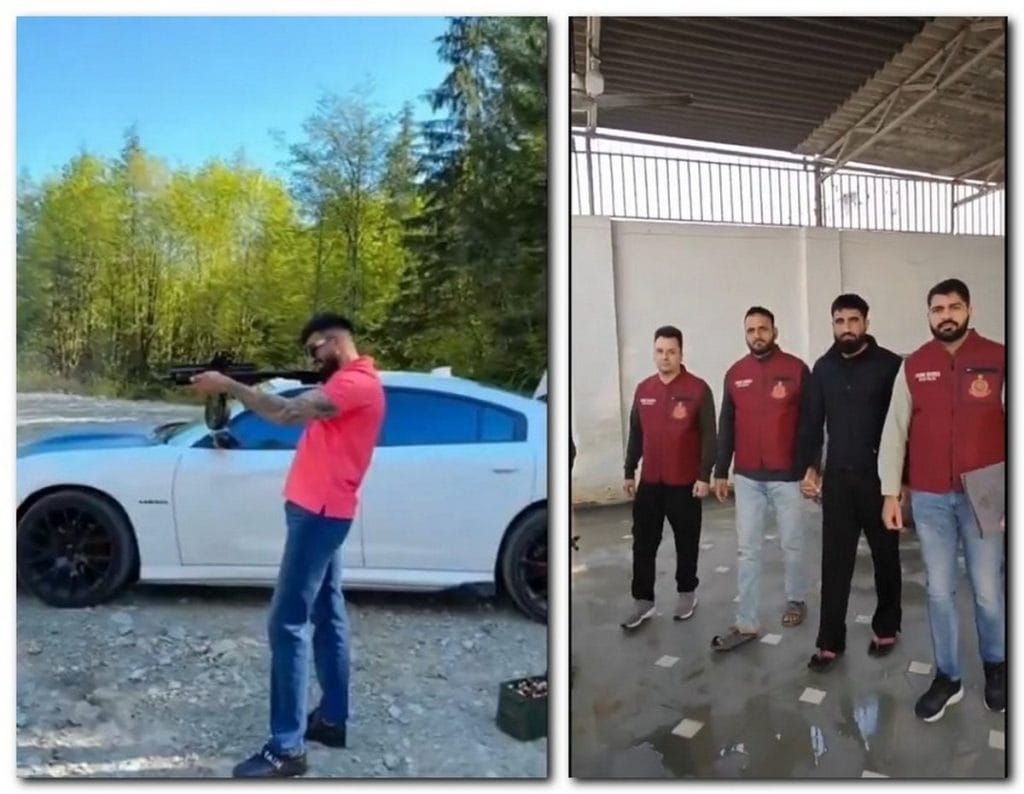
Indian and Canadian agencies are now hunting two alleged shooters with Bishnoi network links. It’s a new, hybrid gangsterism where borders, allegiances, and motivations are more fluid than ever.
Amid their alleged terror links, meanwhile, the dons profess the moral higher ground. Allies-turned-enemies Lawrence Bishnoi and Goldy Brar both proclaim themselves “nationalists.” Indeed, Canadian police have alleged that Indian agents utilised the Bishnoi gang to target pro-Khalistan figures, including assassinating Hardeep Singh Nijjar, which India has vehemently denied. Similarly, Rohit Godara, operating from Azerbaijan and Portugal, claimed to have targeted a California home not for extortion, but because the victim was funding the ISI.
Also Read: Behind the grenade attacks in Punjab, poverty, promises of visas, transnational gangs & ISI imprint
Gang-terror fusion
On the evening of November 25, a day before Chief Minister Bhagwant Mann was scheduled to visit Gurdaspur, pandemonium broke out outside the city police station. Eyewitnesses described a flaming object falling to the ground and a loud explosion. Metal shrapnel injured at least four people. The police at first blamed the grenade attack on “miscreants” but investigations led down a rabbit hole that threw up the ISI, Pakistani gangster Shahzad Bhatti, and even the ubiquitous Lawrence Bishnoi’s name.
Within days of the blast, police arrested four suspects, recovering a P-86 hand grenade and two pistols, with a fifth arrest on 3 December.
Behind it all was a terror plot that leveraged dreams of gangster glamour. The alleged mastermind, Dubai-based gangster Shahzad Bhatti, worked with US-based handler Amandeep Singh (alias Aman Pannu) to recruit young men via social media. Using now-defunct accounts, Bhatti reportedly posted pictures of flashy cars, guns, and Reels featuring songs like Masoom Sharma’s Tuition Badmashi Ka. As reported earlier by ThePrint, recruits, most of them young men with no criminal records, are offered as little as Rs 20,000-30,000 to carry out grenade attacks.
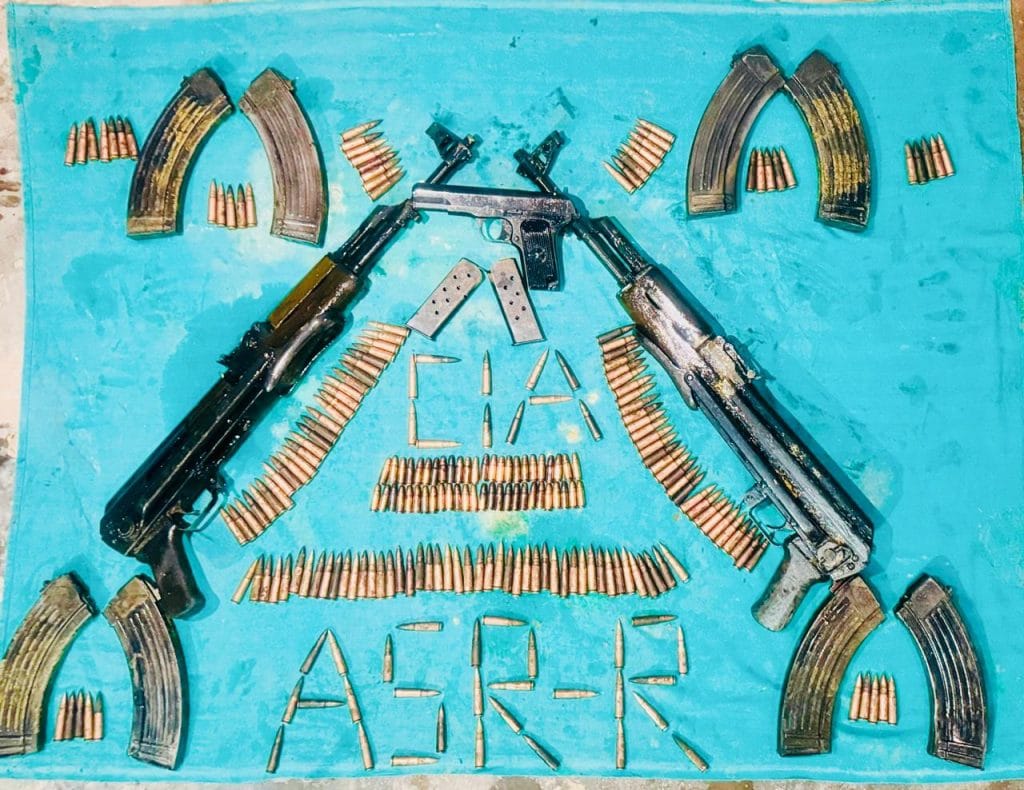
In the first three weeks of November alone, the Punjab police busted seven gangster-terror modules. While some recruits were allegedly assigned ‘target killings’ by their handlers in Pakistan and Canada, others were remotely ‘trained’ via YouTube videos by the ISI on operating and detonating hand grenades. Police said they had noticed a spike in such cases after Operation Sindoor.
“Since 2015, ISI has been trying to create chaos in the state. They had started target killings of RSS leaders and Sikh leaders in the state. Foreign handlers use gangsters for target killings,” said a senior Punjab Police official.
Around a decade ago, targeted killings started in Punjab after years of relative calm. In 2016, RSS functionary Naresh Kumar and Shiv Sena leader Amit Arora were both shot in quick succession in Ludhiana. Police linked such attacks to Pakistan-backed groups like the Khalistan Liberation Force, which were allegedly using communal violence to revive separatism and create unrest.
“It’s a new trend in Punjab where gangs are used by terrorist groups. Pakistan has failed to divide the state on the basis of religion and they want to get foot-soldiers on the ground,” said Chauhan, who has been tracking gangs for two decades in the state.
The current situation is the result of an accumulation of unemployment, drug cartels, and the glamorisation of violent music. The youth of Punjab are caught in the trap of easy money through wrongdoing. As long as money through drugs continues to flow into Punjab, the violence will not end
-Vinod Kumar, professor of sociology at Panjab University
Recruitment also marries gangster ambitions with the great Punjabi migration fantasy. Handlers recruit droves of asylum seekers, often putting them to work as drivers in trucking businesses abroad. Several truckers have been caught, such as Gagandeep Singh, arrested last year in the US trying to move $8.7 million worth of cocaine from Canada.
Profit and power dictate these networks, but ideology still gets deployed when it suits them.
Bhatti and Bishnoi were reportedly allies until they had a falling out after the Pahalgam attack. When Bishnoi gang members vowed to enter Pakistan and wreak vengeance, Bhatti claimed they couldn’t even kill a bird.
It’s a similar fluid dynamic with separatism too.
“There are cases where Hindu gangsters have been involved in hits paid for by Sikh separatists in the West, and the same gang might have pro-separatist and anti-separatist figures in it. For the gangsters, this is just a means of gaining some legitimacy and influence among the community,” Ajai Sahni, founding member & executive director of the Institute for Conflict Management, had told ThePrint earlier.
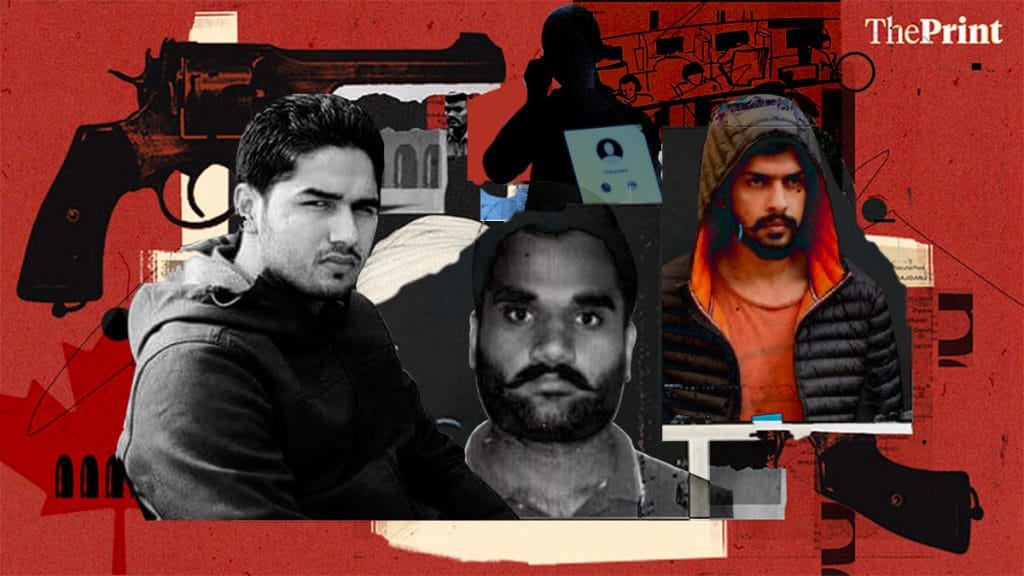
Gangsters such as Goldy Brar, Arshdeep Singh alias Arsh Dala, and Sukhdool Singh were limited to local gang rivalries when they were in Punjab but graduated to organised crime networks after landing on foreign soil.
In the case of Brar, when he moved to Canada on a student visa in 2019, he had just been acquitted in all four cases against him. But once there, he quickly pivoted to orchestrating extortion rackets and contract killings back home.
The Punjab police, meanwhile, is using Interpol Red Corner Notices and Look Out Circulars to make inroads. Last week, two BKI-linked gangster-terrorists, Sajan Masih and Sukhdev Kumar, were arrested at Mumbai airport on their way back from Malaysia. Punjab DGP Gaurav Yadav said they were associated with Pakistan-based, ISI-backed Harvinder Singh (alias Rinda) and US-based BKI operative Happy Passia.
“They were operating from overseas locations, including Dubai and Armenia, while attempting to orchestrate criminal and terror activities in Punjab,” Yadav posted on X.
Major crackdown on terrorism and organised crime, two gangster-turned-terrorists arrested.
They were operating from overseas locations, including #Dubai and #Armenia, while attempting to orchestrate criminal and terror activities in #Punjab. pic.twitter.com/Rm2FUwHkWp
— DGP Punjab Police (@DGPPunjabPolice) December 15, 2025
The impact in Punjab
The threats often start as calls with foreign phone codes. But with gang networks deep in Punjab, there’s an ever-present danger of the violence turning up at doorsteps.
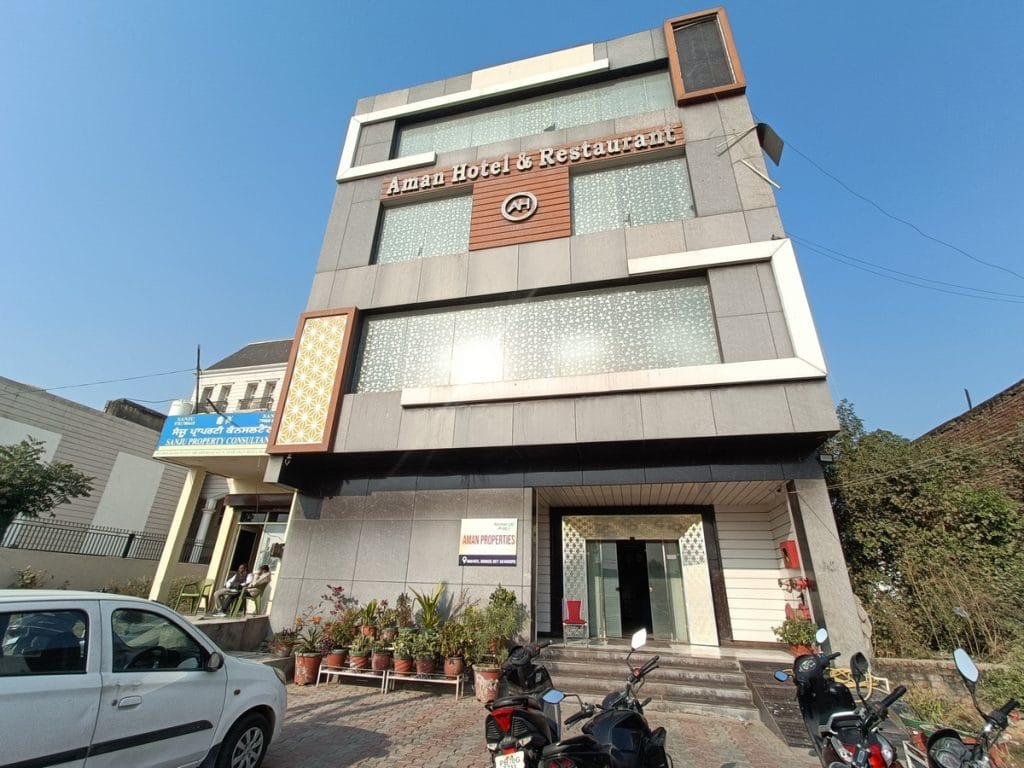
In September, at least two men on a Honda Activa opened fire at the Aman Hotel in Dera Bassi and sped away. Eight days later, Mohali police arrested two suspects and recovered two pistols. Police said the men were linked to the Goldy Brar gang, and that the hotel’s owner, Karan Kumar, had been facing an extortion demand of Rs 50 lakh.
“We were all scared when we heard the firing. The hotel owner had received a threat call from a foreign number,” recalled a member of the staff, adding that the proprietor mostly lived in Dubai.
A Ludhiana-based businessman, clearly nervous about discussing his travails, said that his daily life has been upended by the constant dread of who might be waiting around the corner.
“Businessmen and traders are under threat in the state. We are living low-profile now. I complained to the police when I received a call from a gangster for Rs 5 crore ransom two months back,” he said, adding that the call was traced to Canada.
Tracing these calls, however, is not always easy.
“In many cases tracing the callers is a tough task as they use VPN (Virtual Private Network),” said Chauhan.
Businessmen and traders are under threat in the state. We are living low-profile now. I complained to the police when I received a call from a gangster for Rs 5 crore ransom two months back
-Ludhiana businessman
Data from the Anti-Gangster Task Force shows Punjab registered 569 first information reports linked to gangster threats, including extortion and intimidation, between 2023 and 2025. Consolidated data on gangster-related incidents for prior years is not available.
The hands of the police are often tied. Chauhan said many gangsters now leave India on fake passports and operate from places that make extradition slow and messy.
“Serbia, Kenya, Ethiopia, Europe, America, and Canada are their safe havens. They take illegal routes to reach there and they know once they are out of India, it’s a cumbersome process to take them back,” he added.
The Punjab DGP’s X handle is full of posts about dismantling cross-border arms smuggling modules. On November 26, for instance, the headline was “Major terror plot foiled”.
“The Punjab Police remains resolute in its mission to dismantle gangster networks and ensure peace and security across Punjab,” the post read.
Major Terror Plot Foiled
In a major breakthrough, Anti-Gangster Task Force (#AGTF) and SAS Nagar Police apprehends four operatives of foreign-based gangster Goldy Dhillon of the Lawrence Bishnoi gang after an exchange of fire near Steal Strips Towers on the Dera Bassi–Ambala… pic.twitter.com/OslZN1UW1A
— DGP Punjab Police (@DGPPunjabPolice) November 26, 2025
However, extortion threats and shootings continue to be a major law and order issue in the state and an atmosphere of fear prevails. Last week, Amrinder Singh Raja Warring, Congress Lok Sabha MP from Ludhiana, asked Union Home Minister Amit Shah to intervene, citing the extortion threats going to businesspersons, as well as officials and police.
“People, especially businessmen, are receiving calls from abroad and from prisons, and ransom is being demanded, ” he said in Parliament. “The state government had failed to provide safety to the people in the state.”
Messy rivalries
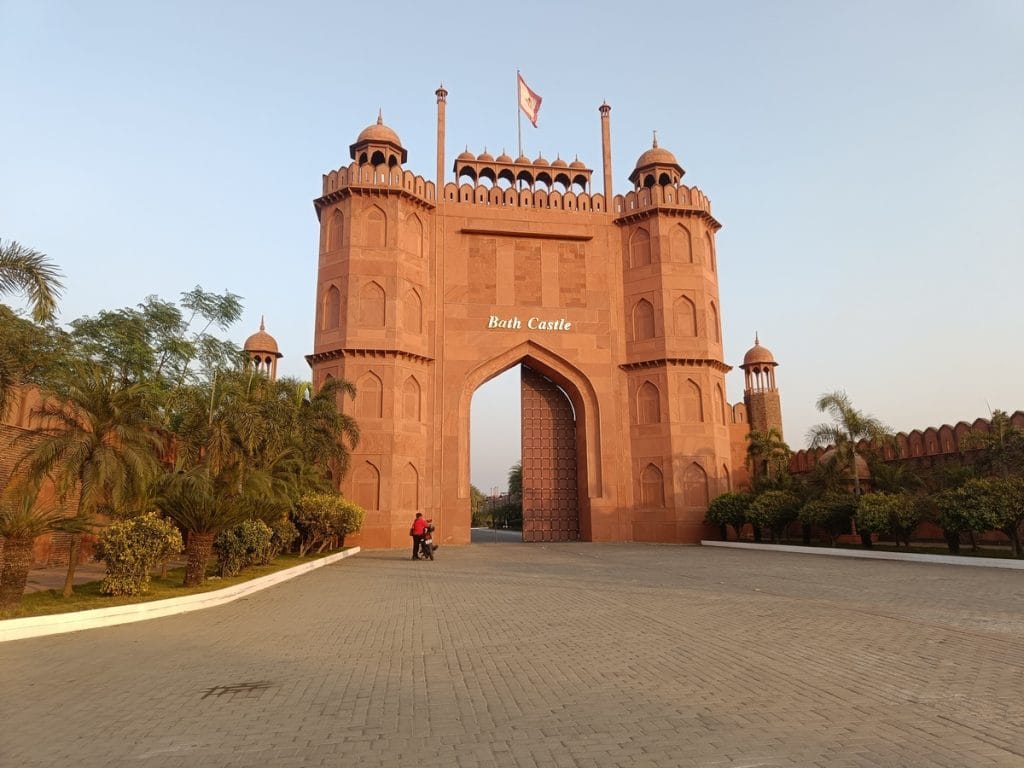
Ludhiana’s Bath Castle banquet hall is built like a qila, all red sandstone and high walls. Yet, these fortifications offered no protection when at least 20 bullets ripped through a wedding celebration on the intervening night of December 1. Two people died in the violence, which was triggered by an ill-conceived guest list that included two rival gangs led by Ankur and Shubham Mota.
“They are local gangs and they have had a rivalry for quite some time. The groom made a mistake by inviting both gangs at his marriage,” said a senior Ludhiana police official.
Punjab’s criminal gangs have a deep rivalry problem. And loyalties switch constantly.
“Punjab gangs are known for their messy and violent nature. Turf wars and internal power struggles are common. Infighting and betrayal are also rampant, making it tough for gangs to maintain stability,” said a senior Punjab police official.
Perhaps no fallout has been quite as bloody and widespread as the split between Lawrence Bishnoi and Goldy Brar. They once fondly addressed each other as bhai (brother). Now they are gunning for each other. The former Panjab University classmates fell out last year after Brar supposedly didn’t do enough to help Bishnoi’s brother get bail after he was arrested for entering the US illegally.
Punjab gangs are known for their messy and violent nature. Turf wars and internal power struggles are common. Infighting and betrayal are also rampant, making it tough for gangs to maintain stability
-Senior Punjab police officer
One casualty was Inderpreet Singh alias Parry. In a daring jailbreak that shook Punjab, Parry helped Bishnoi escape Ropar jail during a cultural event in 2015. A decade later, Parry was killed in Chandigarh by Bishnoi gang members as he was about to leave a club in his SUV. The reason: he’d switched loyalties to Goldy Brar.
“Inderpreet Parry was murdered in Sector 26, Chandigarh. We (Aarzoo Bishnoi, Hari Boxer, Shubham Lonker and Harman Sandhu) take responsibility for this. Parry used to collect money from all clubs by making calls to our traitors, Goldy or Rohit. That’s why we killed him” reads a Facebook post under the handle Hari Boxer Aarzoo Bishnoi.
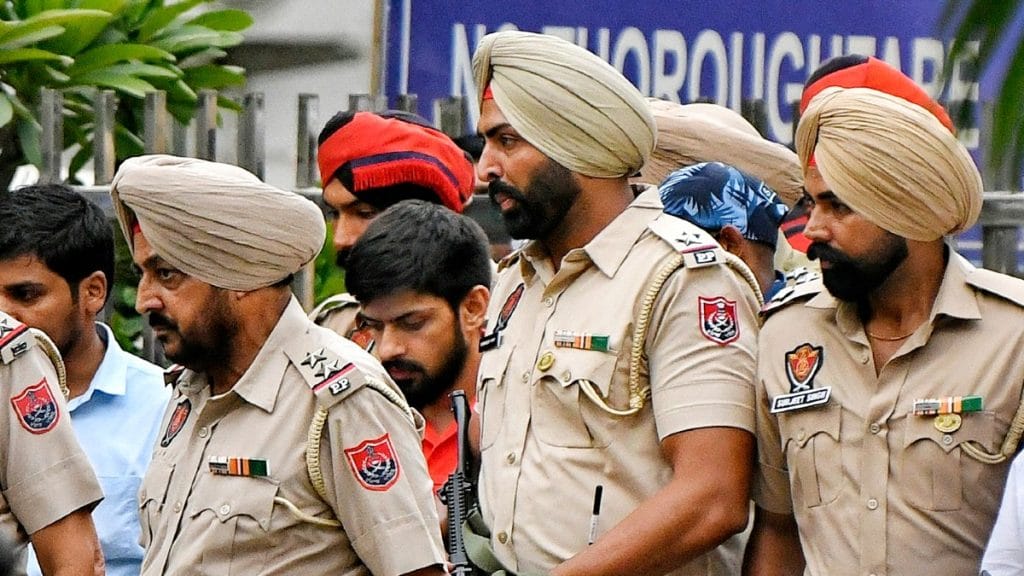
The cycle of retribution continues abroad as well. In October, Boxer was also targeted in a shooting near a truck repair yard in Fresno, California; one of his accomplices died. Brar associate Rohit Godara took credit.
The gang battles have even reached Portugal, where the US-based transporter Randeep Malik, said to be associated with the Lawrence Bishnoi gang, orchestrated a shooting in Lisbon’s Odivelas against members of the Romi and Prince gang. In a Facebook post purportedly by him, he claimed he wanted to stop their “illegal activities”. It started with a Jai Shri Ram and Sat Sri Akal and ended with an “RIP” for a list of gangsters.
An old allure
Even in its nascent days in the 1980s, Punjab’s gangster world came with a strange kind of celebrity. After Panjab University student leader Makhan Singh was killed by Dimpy Chandbhan, the latter was lionised in song lines such as ‘Ni tedi pagg banne Dimpy Chandbhan wargi’ (He wears a tilted turban like Dimpy Chandbhan).
That taste for the outlaw, Chauhan said, did not come out of nowhere. During the colonial period, dacoits such as Malangi, Nizam Lohar, and Jagga Jatt were a notable presence in Punjab and were romanticised as Robin Hood figures against the injustices of feudal lords.
“Punjabis have always been influenced by them and they see them as a role model. After independence, those dacoits were eradicated and a sense of peace prevailed… and then started the Naxalite movement and terrorism,” said Chauhan.
Punjabi gangsters were associated with kidnapping and worked for mafias of Uttar Pradesh and Bihar. They were inspired by the UP and Bihar model of mafias and they tried to bring it here. Unke muh me khoon lag chuka tha
-Gurmeet Singh Chauhan, DIG of the Punjab AGTF
While gangsters started out as overground facilitators in crime and interfered in college elections, by the early 2000s, they had forged links with established dons such as Mukhtar Ansari and Anant Singh.
“Punjabi gangsters were associated with kidnapping and worked for mafias of Uttar Pradesh and Bihar. They were inspired by the UP and Bihar model of mafias and they tried to bring it here,” said Chauhan. “Unke muh me khoon lag chuka tha”—They had developed a taste for blood.
At the same time, many people in Punjab also developed an affinity for the aura of danger and money surrounding gangsters, especially with Reels and music videos glamourising the lifestyle.
“Since childhood I have grown up listening to songs which glamorise power, guns, and flexing money. Youth like us are fascinated by this and trying to live lavish lives,” said 22-year-old Shubham Gill, a resident of Ludhiana.
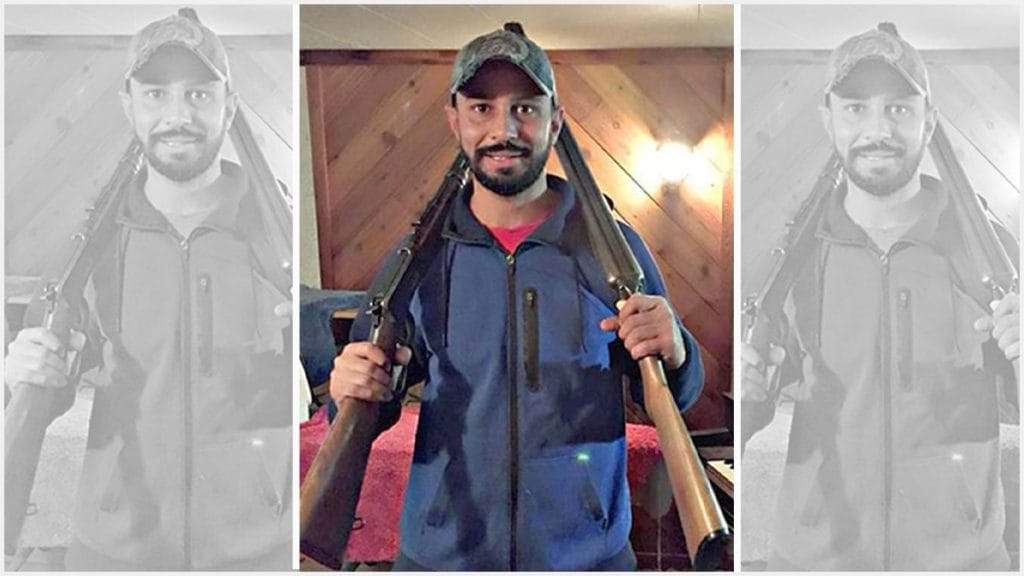
The allure of quick money, power, and respect attracts youth from economically disadvantaged backgrounds, said Vinod Kumar, professor of sociology at Panjab University.
“In the early 1990s, Punjabi songs featured youth with dunali and bullet. In past years it has changed to guns and big jeeps and cars,” he said, adding that society often mimics the music that glamorises violence.
However, the Punjabi music industry itself has become overrun by the gangster culture it packages so effectively.
Since childhood I have grown up listening to songs which glamorise power, guns, and flexing money. Youth like us are fascinated by this
Shubham Gill, 22, a resident of Ludhiana.
Police sources said the music industry is under gangster surveillance, with black money in the mix. In 2021, Mohali police cracked down on two music companies, Thug Life and Gold Media, which they said were run by gangsters abroad. Musicians and singers such as Mankrit Aulakh, Gippy Grewal, and Rai Jujhar have complained of getting extortion threats. Recently, Bhojpuri actor and singer Pawan Singh was threatened by the Bishnoi gang and warned not to share the stage with Salman Khan ahead of the Bigg Boss 19 finale. Bishnoi’s animosity stems from Khan’s alleged poaching of a blackbuck, considered sacred by the Bishnoi community.
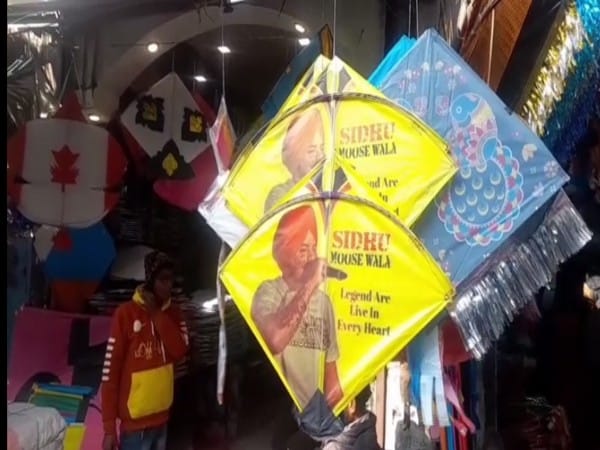
“Punjabi music is one of the growing industries and has a value of more than Rs 700 crore. But it is trapped in a vicious cycle of extortion money, threat calls. The artist community is living in fear,” said a Ludhiana-based singer on the condition of anonymity.
Sociologists point to multiple factors behind the rise of gangs and violence in the state.
“The current situation is the result of an accumulation of unemployment, drug cartels, and the glamorisation of violent music. The youth of Punjab are caught in the trap of easy money through wrongdoing,” said Vinod Kumar. “As long as money through drugs continues to flow into Punjab, the violence will not end.”
Also Read: Gangs of Rohtak are Haryana’s most feared. Run by a Bhau in US & a Baba in jail
‘They were crossing all limits’
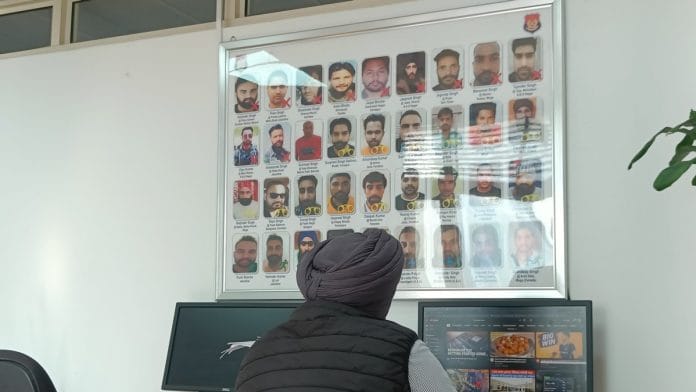
Inside the Anti-Gangster Task Force office in Chandigarh, a wall displays the photographs of 36 gangsters. Some are marked with red crosses, others with handcuff symbols, and a few represent those who have fled India, including Goldy Brar. At the top of the list of ‘neutralised’ targets is Harjinder Singh, alias Vicky Gounder—the state’s once most-wanted man.
The Punjab government’s crackdown on organised crime began a decade ago when the Special Task Force (STF) was formed in 2016 after authorities realised the gang problem had metastasised.
“It was the first time the police department and government had realised that gangs are not confined to one district but their networks are across the state. Gangs apni hade paar karne lage the (they were crossing all limits). So, at the headquarters-level STF was formed; we have collated records of all the gangs and gangsters working in the state,” said Gurmeet Singh Chauhan, who has been central to these operations for years.
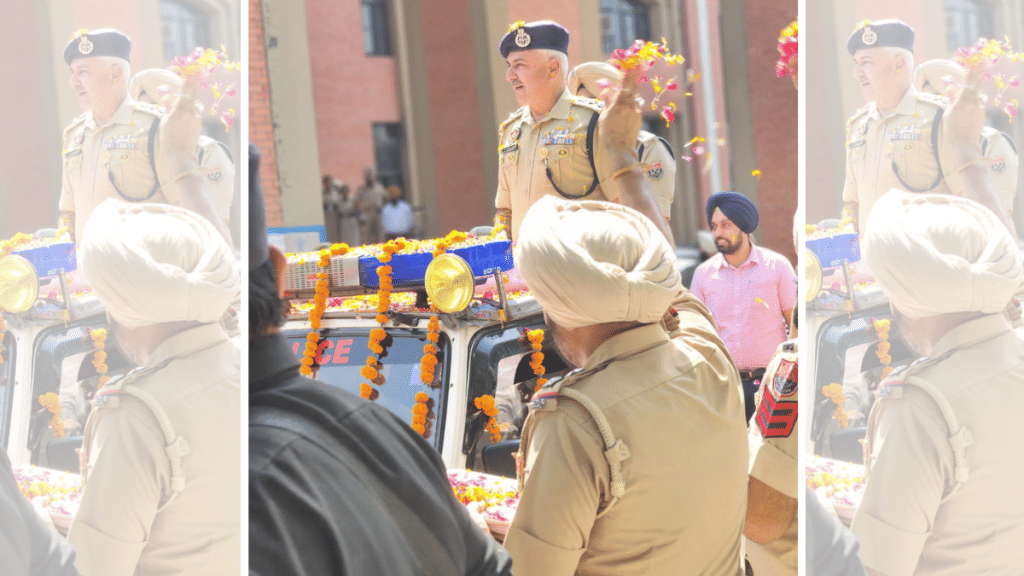
In 2017, the unit was renamed the Organised Crime Control Unit (OCCU), with Chauhan leading it as additional inspector general (AIG). He said the unit categorised criminals into A, B, and C groups, then went after them.
“After categorisation, we launched operations in the state. Many were arrested and many were killed in encounters,” said Chauhan.
One of the biggest wins came in 2018, when an OCCU team led by Chauhan tracked down and killed Vicky Gounder near the Rajasthan border. Gounder had been on the run since the sensational 2016 Nabha jailbreak. For this operation, Chauhan and his team were conferred the Police Medal for Gallantry (PMG) in 2020.
The state government and Punjab Police are fully committed to eradicating gangster culture and ensuring a fear-free environment for the people of the state
-Gaurav Yadav, Punjab DGP
But gang crime was a game of whack-a-mole, with Chauhan acknowledging that many arrested gangsters continued to run their networks from jail. In April 2022, around a month before Sidhu Moosewala was shot in Mansa, Chief Minister Bhagwant Mann formed the AGTF to stamp out gangsters. The task force was authorised to use the State Special Operation Cells (SSOCs) in Mohali, Amritsar, and Fazilka, and set up units across eight ranges, including Patiala, Bathinda, Ludhiana, and Ferozepur.
“We are basically assisting districts. Our field units gather intelligence about the suspects and then we track them down,” said Chauhan.
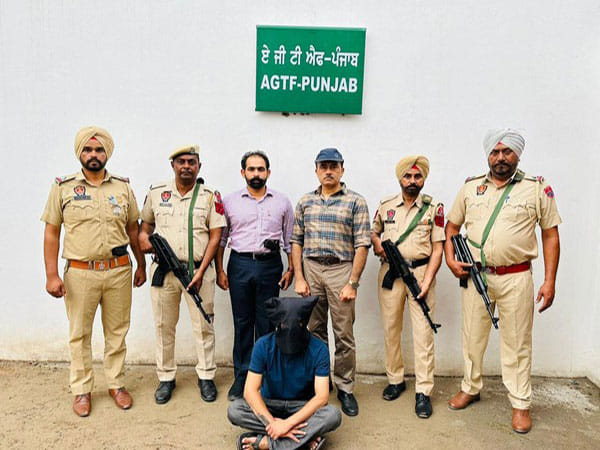
Just three months after its establishment, the AGTF, along with local police, gunned down gangsters Jagroop Singh Roopa and Manpreet Singh (alias Mannu Kusa) in a five-hour shootout near the Indo-Pak border in Amritsar. Both men were allegedly involved in Moosewala’s killing.
Since April 2022, the state police have recorded 324 encounters, resulting in the neutralisation of 24 dreaded gangsters. The police have busted over 900 modules, arrested around 2,500 criminals, and recovered 2,090 weapons and 516 vehicles. In 2025 alone, the AGTF has neutralised 11 gangsters and arrested 896 criminals.
“The state government and Punjab Police are fully committed to eradicating gangster culture and ensuring a fear-free environment for the people of the state,” said Punjab DGP Gaurav Yadav.
However, as the police tighten the net on the ground, a new threat has come from the sky: cross-border smuggling of weapons and drugs via drones. Earlier this year, the state launched an anti-drone system called ‘Baaz Akh’ (Hawk Eye) and ramped up counterintelligence efforts in border areas. On 7 December, the police busted a module in Tarn Taran, recovering five pistols and a Royal Enfield. The accused, according to DGP Yadav, was working with a Pakistan-based handler and supplying weapons to gangsters in Punjab.
“They are all advanced weapons, and in recent years the frequency of drones from Pakistan has increased. It’s a recent trend in Punjab and the biggest challenge for us,” said Chauhan.
(Edited by Asavari Singh)