





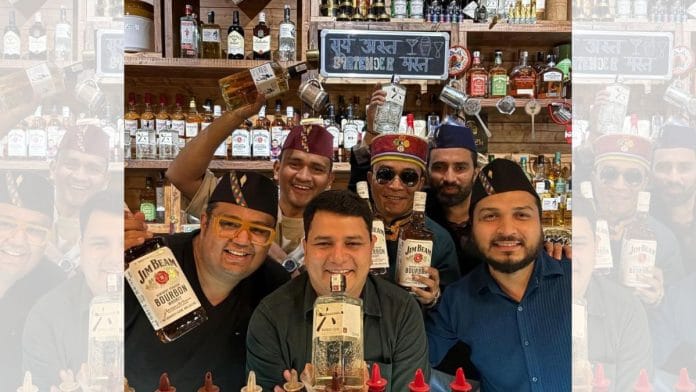



New Delhi: Bartender Kuldeep Singh wanted to pull pahadis from restaurant kitchens to the front of the house. It started with a bartending academy and three students from Uttarakhand.
Today, fourteen years later, the Bar Academy of Doon in Dehradun enrolls 200–250 students each year, with nearly 80 per cent of them coming from the mountain regions.
For decades, pahadis have existed in the shadows. The community was always behind kitchen doors and prep counters, washing dishes, chopping vegetables, cooking and keeping the engine running. Their reputation as introverted and reserved often kept them out of the spotlight. Visibility, after all, favours the loudest in the room. Then came a shift no one saw coming. Pahadis went from being supporting actors to becoming the story.
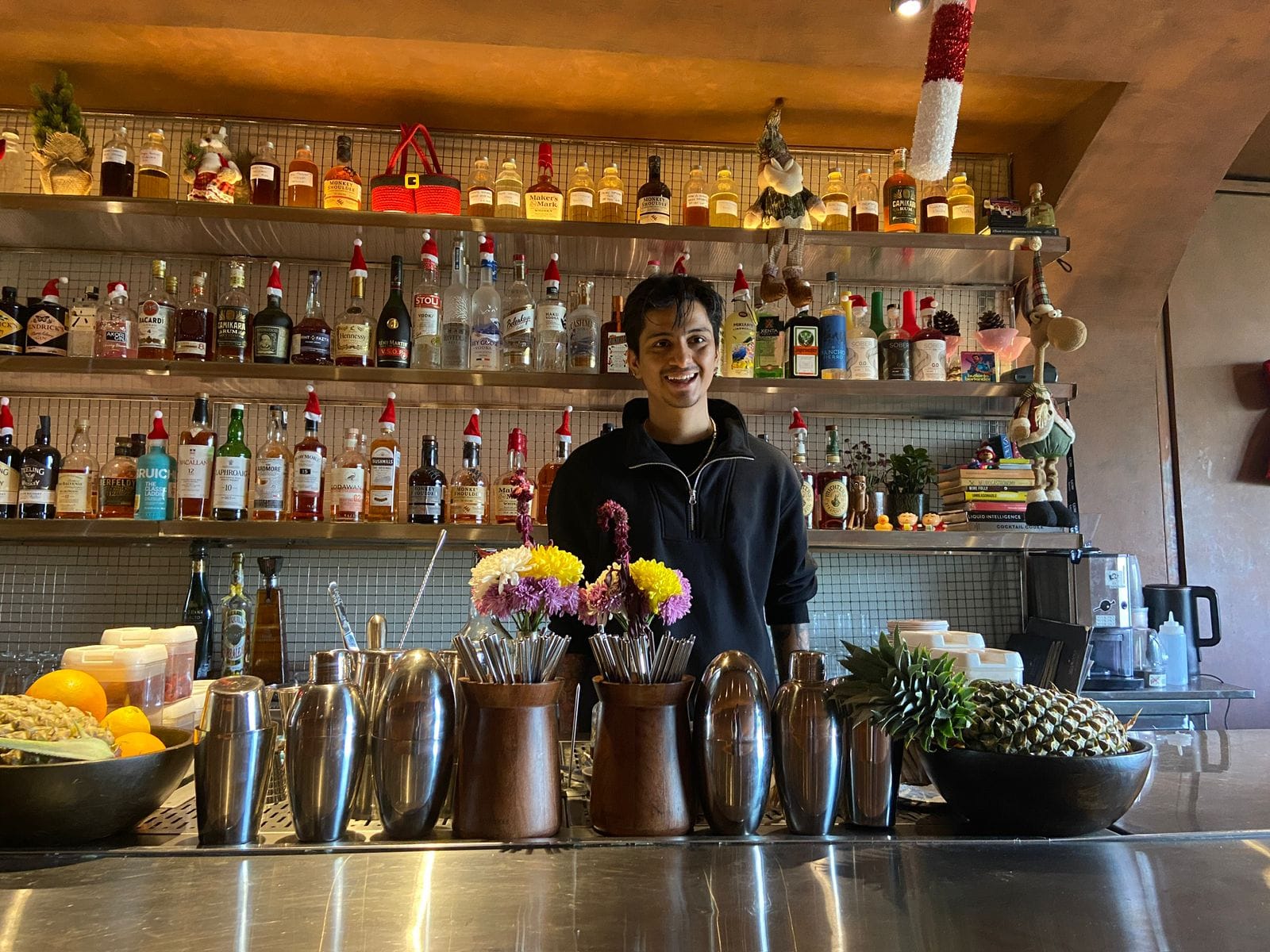
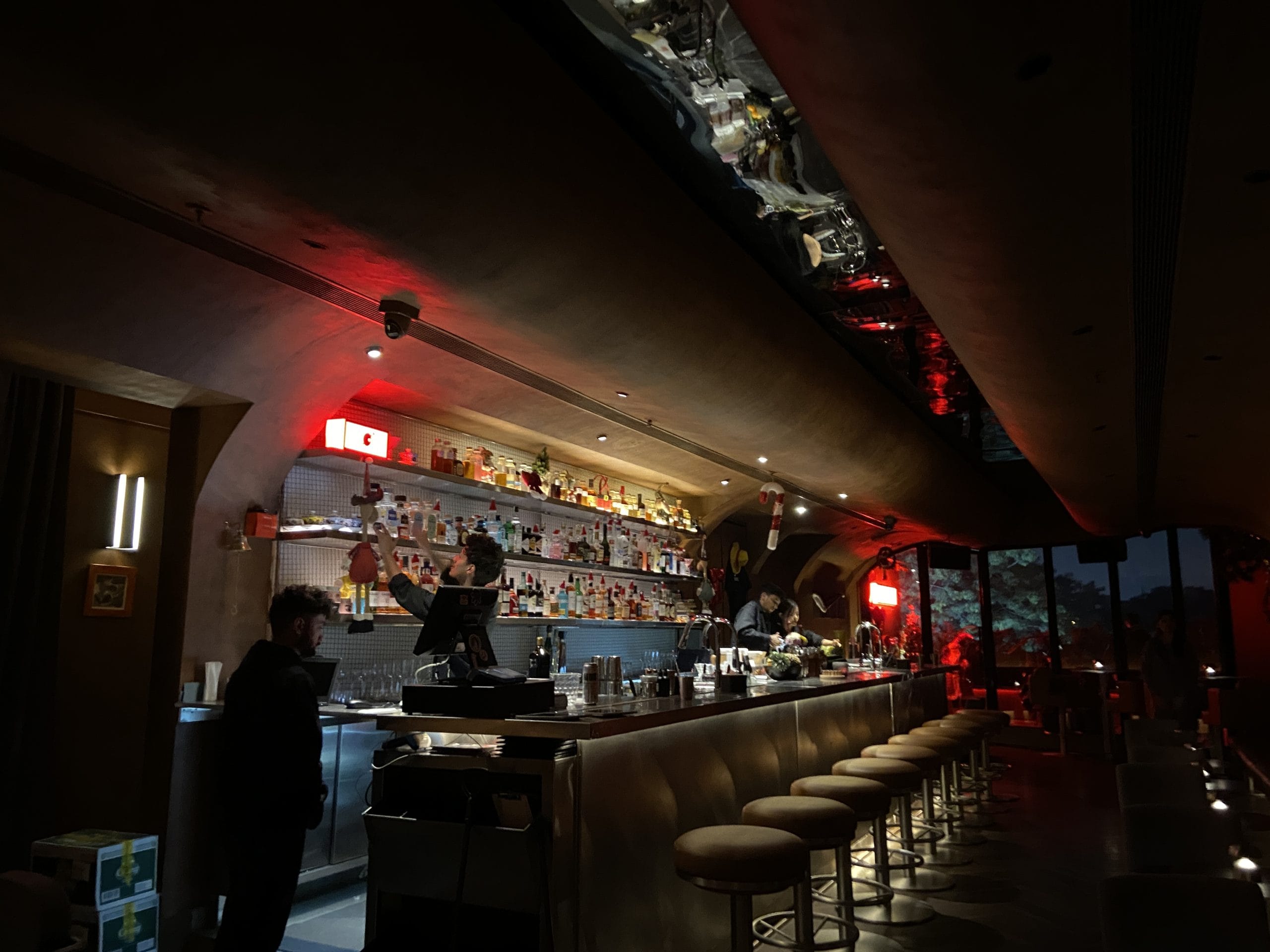
“We have a saying, ‘Pahadi ya toh army mai jate hai ya kitchen mai (mountain people either join the army or the kitchen)’. That is changing now. People in their 20s are taking up bartending as a serious profession,” said Shankie, a partner at No Vacancy, a 61-seater bar in Delhi’s GK II market.
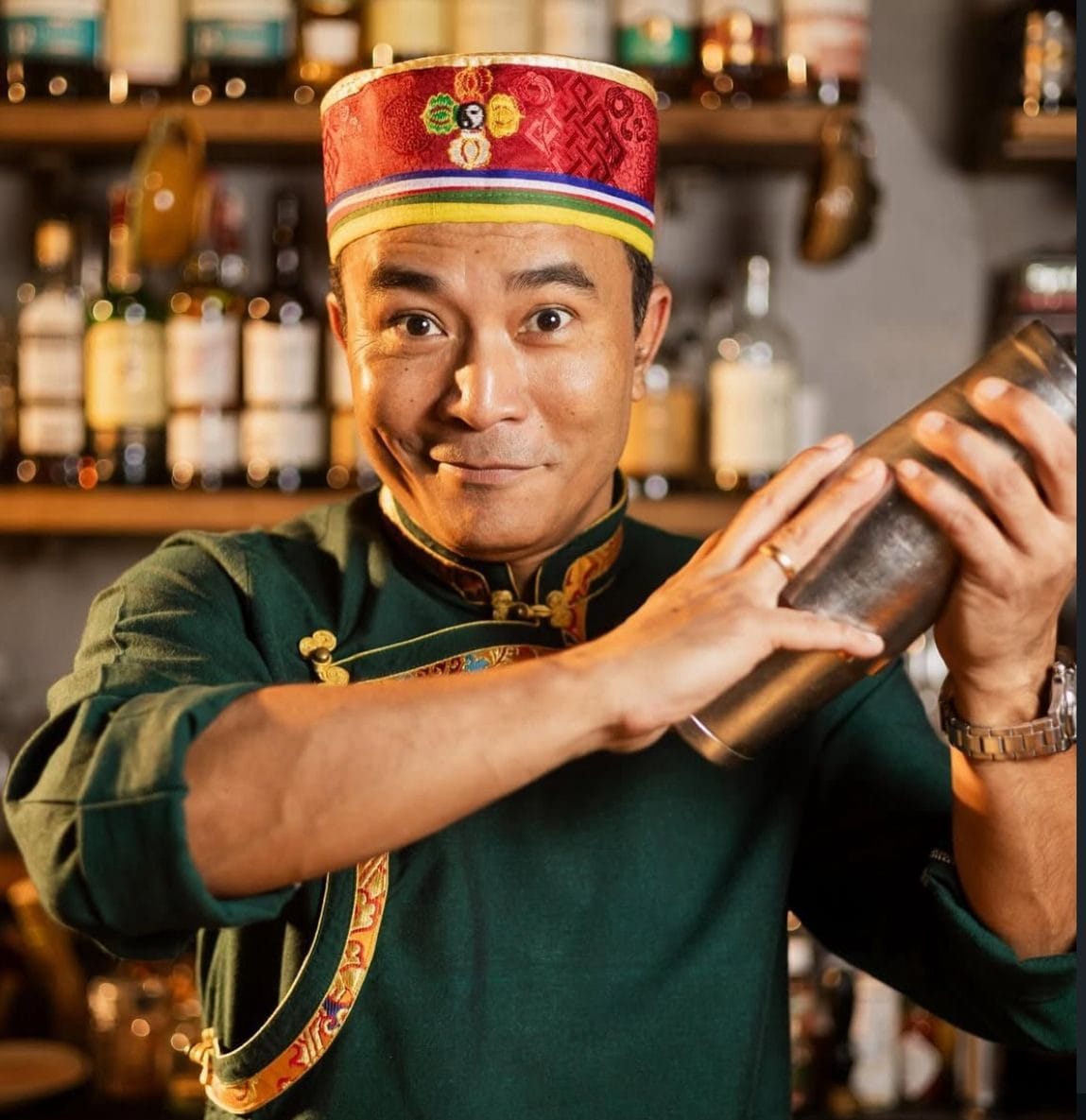
In the 1990s, bartenders and mixologists like Yangdup Lama showed what visibility could look like for pahadis. The job of ‘making drinks’, once dismissed as menial, was reframed as an art. Bartending schools didn’t just teach how to pour a perfect drink, but also taught confidence. Students learned to banter with guests, command a room, crack jokes, and hold eye contact. The result was a cultural makeover.
According to the industry listings, there are 262 bartending schools across India. This count includes all registered training providers that list bartending as a core course, from specialised bartending academies to broader hospitality training institutes offering bartending programmes. Of the 262 schools, roughly 20 are in the mountain regions.
Today, step into almost any bar in India, from five-star hotel lounges to neighbourhood spots, and chances are you will find a pahadi, natives from Uttarakhand and Himachal Pradesh, behind the counter. Many, like Lama, from Darjeeling, and Shankie and Jeet Rana, from Uttarakhand, have even gone on to become bar owners. Yet, no matter how high they climb, they don’t shed their ‘pahadiness’.
At Lama’s The Brook in Gurugram, the ambience is like a mountain hamlet with the wood-and-stone-clad exteriors. It was created using 90 per cent reused natural materials by textile designer Julie Kagti in collaboration with Royal Enfield.
Cocktails like the Happy Himachali Hi Ball evoke apple orchards, Duk Ley highlights tart sea buckthorn, and Zutho reimagines Nagaland’s rice beer. The rum-based Mitho Amilo blends fermented gundruk with date jaggery, underscoring how mountain flavours are inspiring bartenders nationwide to explore freshness, diversity, and storytelling behind the bar.
At Barbet & Pals, the Kumaon region of Uttarakhand shows up in the glass. Rana and his co-founder Chirag Pal brought hyperlocal ingredients such as myol (Himalayan pear cordial), madua (a millet used in lugdi foam), gundrayani (an aromatic root), cherry tomatoes and pine needles from their excursions in Kumaon region.
Singh, who runs Bar Academy of Doon, said that the school is successful because the pahadi community now views bartending with far more respect. They have seen what those who pursued it have achieved, working with Michelin-star chefs in cities like Dubai and New York. Even in India, bartenders are earning well and experiencing a clear shift in lifestyle.
“Earlier, it was usually someone in the army who could build a house, support the marriages of younger siblings, buy a car, and command a certain respect. Today, bartenders carry that same sense of pride and status,” Singh said.
Also read: Yangdup Lama – India’s top bartender who doesn’t want you to call him a mixologist
Front of the house to ownership
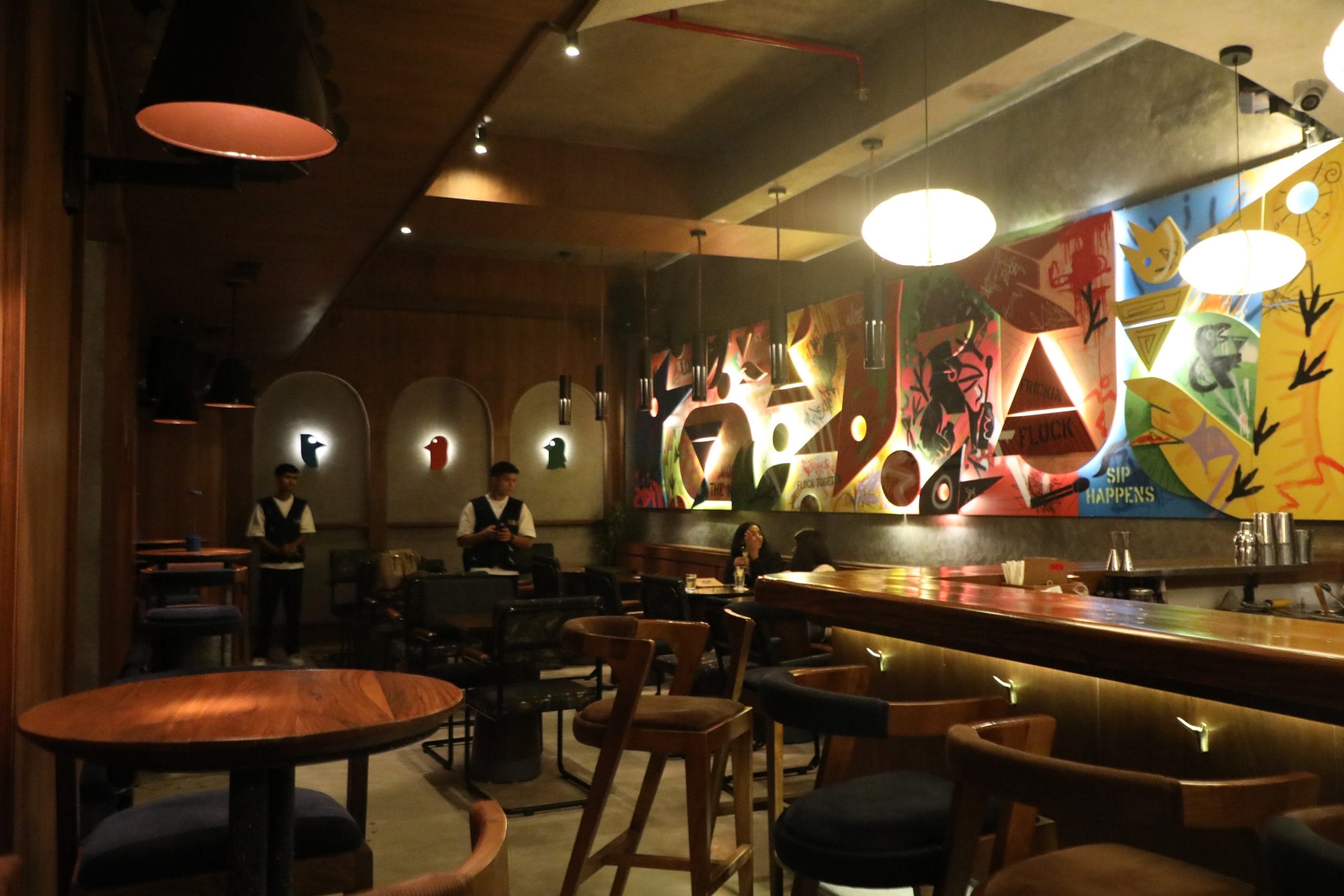
On a winter Friday evening, Barbet & Pals, which opened in November last year in the Greater Kailash area of Delhi, is buzzing. It abruptly drops when Jeet Rana bangs the table to command attention. Shots raised, everyone knows what follows. It’s anthem time. “Who are we?” Rana shouts. “B&P,” both bartenders and customers reply in sync, like loyal members of a flock.
Rana, who is outgoing and flamboyant, co-founded Barbet & Pals with his “work wife” Chirag Pal, someone he credits for “keeping both him and the bar grounded”.
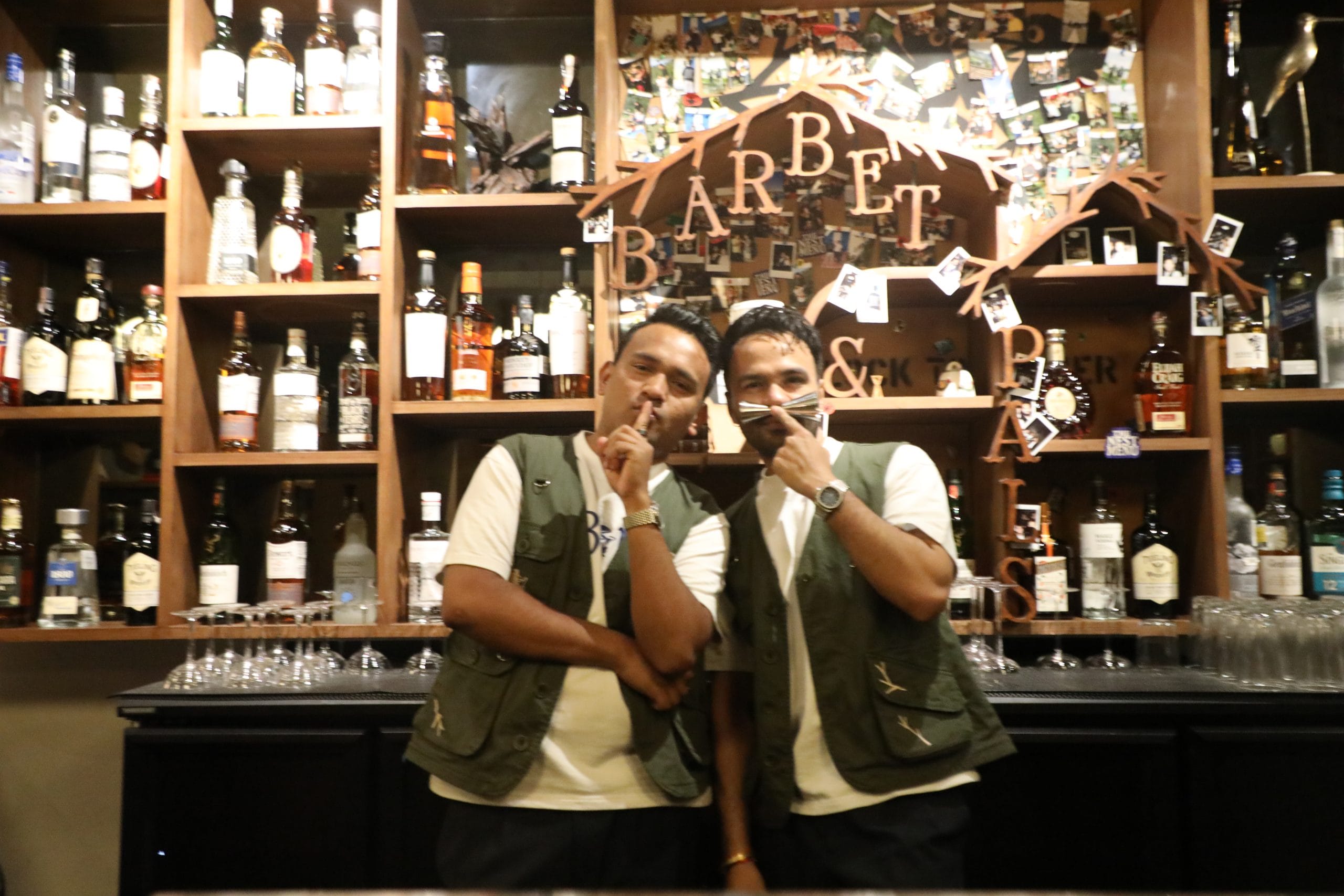
Their mountain hamlet-inspired bar is covered in bird-themed artwork that spills across the walls, bar counter, and even the floor. The staff wears olive-green birdwatcher vests as uniforms.
“The name Barbet & Pals comes from the barbet, a Himalayan bird commonly found near my hometown in Uttarakhand, and, of course, because it has the word ‘bar’ in it,” Rana explained. “Pals is Chirag’s surname, but it also fits because barbets travel in pairs. Pals is also another word for friends. And, the two of us are rarely seen without each other.”

Rana, whose father is a chef in a Ludhiana restaurant, says that owning a bar is “a thousand times better” and far more financially sustainable. For him, stepping into ownership was not just about passion, but also about long-term stability.
That sentiment echoes in Shankie’s story, though his path unfolded a little differently. His father, a chef based in Italy, always dreamed of opening his own place. It was a long-pending dream, but things never aligned for him. But Shankie isn’t cut from the same cloth.
In 2017, after securing a 600 rank in his BTech entrance at Hemvati Nandan Bahuguna Garhwal University (HNBGU), Srinagar, celebrations erupted in his Pauri Garhwal neighbourhood. His father even distributed sweets. The excitement, however, was short-lived when Shankie announced he wanted to pursue hotel management instead.
Unlike most in his family, chefs who worked quietly behind kitchen doors, Shankie was drawn to the front of the house. He loved cooking, but what fascinated him more was engaging with guests, breaking down flavours, techniques, and the stories behind ingredients. Bartending, for him, wasn’t just a “cool” career choice. It was also a practical one, with better financial prospects in the long run, even though he knew the early years would be tough.
He began training at the KD Bartending Academy in Dehradun in 2018. What was meant to be a six-month course stretched into two years, fuelled by his enthusiasm for cocktail competitions and a deeper immersion into the craft. He went on to sharpen his skills at establishments like Hyatt in Dehradun-Masuri bypass, Copitas in Bengaluru, and The Brook in Gurugram.
“At the start, the pay isn’t great. But if you stay disciplined, keep learning, and evolve, the results speak for themselves,” said Shankie, seated inside his new bar, No Vacancy.
At just 26, he turned his father’s dream into his reality.
“Now he is really proud that I’m doing something of my own. You’re working on your own terms, building something that is truly yours,” he said.
Also read: No more hide & drink—Indian bars stirring things up, world takes note of spicy cocktail culture
Who gets paid?
Bartending is a customer-facing role. Tips have always been high, and service charge was an added bonus.
But Rana pointed out that professionals from the hill regions have historically been underpaid, often due to assumptions around their interpersonal abilities.
But that is changing.
Rana’s cousin, Amit Rana, who now works at Barbet & Pals, has evolved in the last two months alone. Earlier, he focused quietly on stirring drinks and serving them, but today he confidently chats with guests, throws in the occasional pun, and builds easy rapport. So much so that regulars now walk in asking specifically for him.
“Earlier, if you compared a bartender from Mumbai with someone from the mountains, the person from Mumbai would usually be paid more,” he said. “Communication skills are shaped early on. They speak English, are more outgoing, comfortable approaching tables, engaging guests, and making conversation. For someone from the hills, building that confidence takes time.”
From a bar owner’s standpoint, the decision often comes down to practicality. Faced with two candidates, one from the mountains who is diligent and technically sound but reserved, and another from a metro city who is confident but needs technical training, most owners opt for the latter.
“I would too,” Rana admitted. “Skills can be taught, but confidence and personality are much harder to instill.”
Bartending school doesn’t create a finished professional. It gives students a license and a foundation. Lama, one of India’s leading mixologists, echoes this view.
“Graduating from a bartending school is not the end but the beginning. There is more to bartending than just mixing colourful liquids,” he said.
Lama’s own journey reflects that belief. When he started out, there were no established bartending academies or structured mentorship programmes to rely on. He worked his way up from being a bartender to eventually owning a bar, founding a bartending school, and launching multiple initiatives like The India Bartender Week, which gives a platform for the industry to come together, showcase their talent and also learn.
A recipient of the Roku Industry Icon Award 2024 by Asia’s 50 Best Bars, Lama is the driving force behind institutions like Sidecar and Cocktails & Dreams Speakeasy.
Yet, it is his relatively new venture, The Brook, which opened in 2024 in Gurugram, that is closest to his heart. Inspired by Lord Tennyson’s poem of the same name, the bar recreates the feeling of a mountain hideaway in Gurugram’s Crosspoint Mall.
Every year on 24 February, he celebrates International Bartenders Day with a ‘Pahadi takeover,’ celebrating the flavours and spirit of the mountains.
“Having grown up in Darjeeling, I’ve always felt deeply connected to the region,” said Lama.
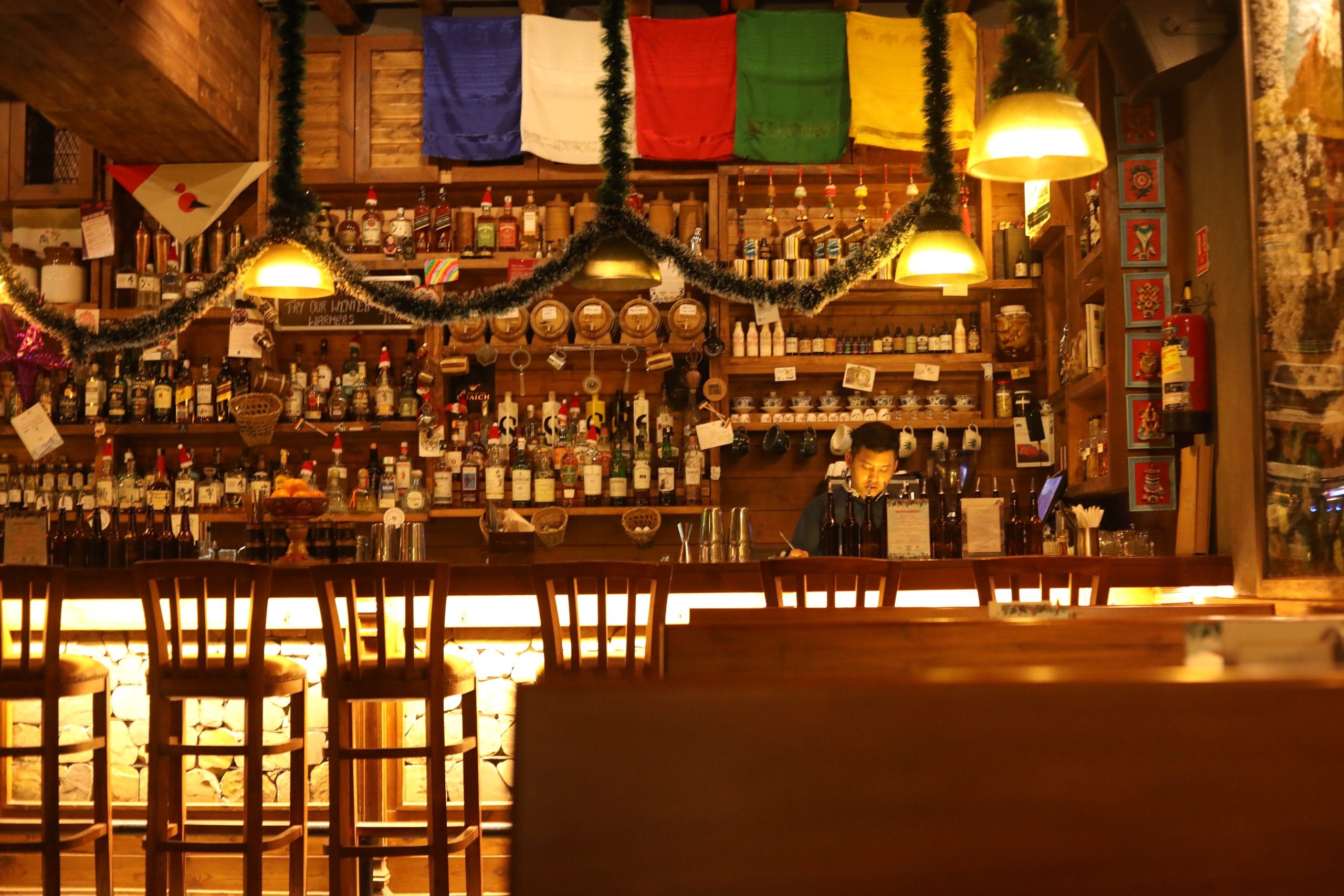
The staff perform Garhwali, Kumaoni, and Nepali songs, and craft mountain-inspired drinks, such as the popular Maggi Point (a blend of tequila, Himalayan honey, fresh tomatoes, pea water, and Maggi masala). Since almost everyone who travels to the mountains has a Maggi story, the drink is a tribute to that shared nostalgia.
“The idea was to bring people, our customers, closer to our home and our culture,” he said.
Also read: Ice keeps cocktails tasty. No, bartenders don’t use it to skimp on alcohol
Myol, gundryani, lugdi
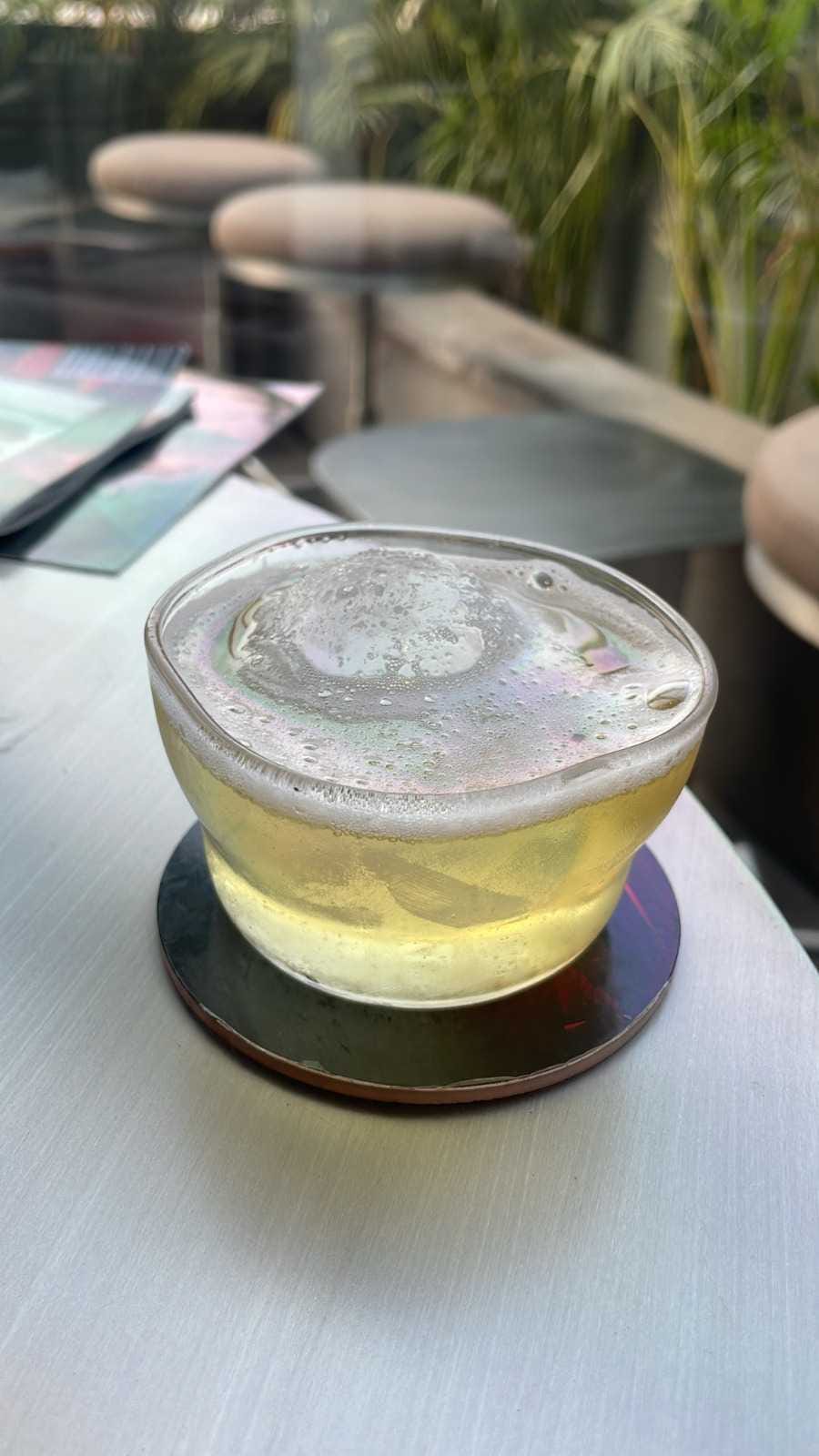
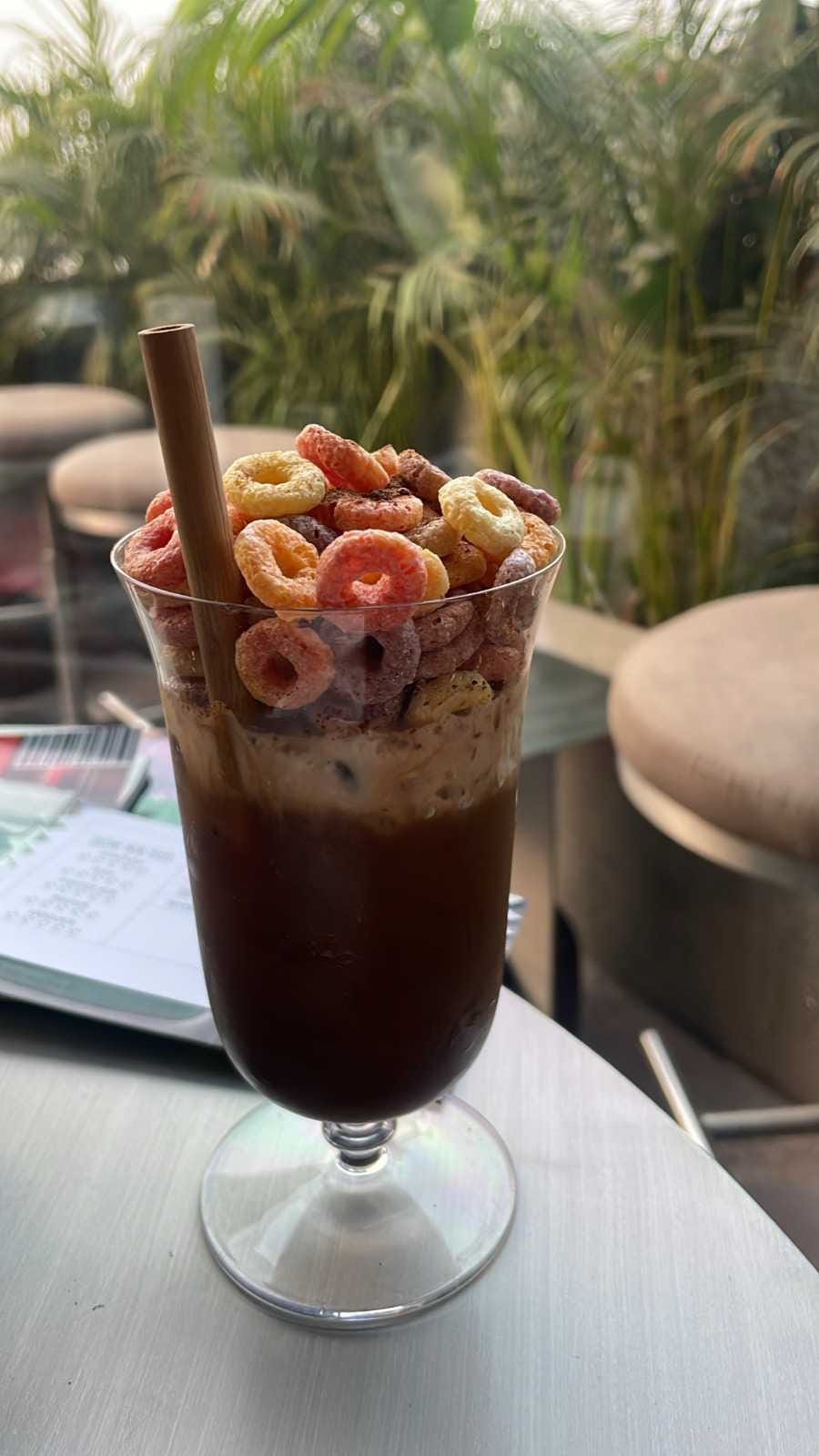
The cocktail menu at Barbet & Pals, titled The Nest, reads like a scrapbook. Among the highlights is the Pals Lugdi, where vodka and passionfruit wrap around a cordial made from lugdi, a traditional pahadi fermented rice beer.
But it’s their rotating micro-menu called Bird’s Eye View, inspired by the duo’s travels, beginning with Kumaon, that draws the eye. Here, mountain ingredients take centre stage.
The myol blends blanco tequila with pine-leaf vermouth and mountain herb cordial, while the smoky gundryani pairs reposado tequila with smoked root cordial and a rim of local pisyu-loon.
Nitin Tewari, another Pahadi bartender who runs the Bar Kala Academy in Gurugram, said the flavours of the mountains bring a sense of curiosity and excitement for guests. What began with Uttarakhand has expanded to Himachal, Jammu & Kashmir, the Northeast, and other hill regions once unfamiliar to metro audiences.
And, it is no longer restricted to pahadi bartenders. Today, mixologists from across the country are actively contributing to this movement.
“A few months ago, we took bartenders to Shillong to explore ingredients from Meghalaya, and soon after, many of them began creating cocktails using those elements. It clearly showed how mountain ingredients can add freshness, variety, and new stories to the drinking experience,” Tewari said.
Also read: India’s sober revolution—the young in the cities are cutting down on drinking
Dismissed profession becomes aspirational
The rise of bartenders like Lama, Rana, and Tewari, alongside bartenders from other regions such as Navjot Singh and Varun Sudhakar, has helped dismantle the long-held notion that bartending is limited to nightclub work.
Indian bartenders are now representing the country at prestigious international competitions, reshaping perceptions of the profession.
“In the early days, a few pahadi bartenders received formal training and did well. When others from the community saw that success, it created confidence and momentum,” said Tewari.
Rana, who is from Tehri, notes that in mountain communities, news travels fast. When he won India Bartender of the Year 2016 and represented India at the Diageo Reserve World Class, it quickly became local headline news.
“That’s when I realised things were changing. The conversation around a bartender became aspirational,” he said.
Both Rana and Shankie acknowledge that bartending was long viewed with scepticism in the hills, often tied to assumptions around alcohol consumption.
That is changing slowly.
Today, bartenders have become role models for the younger generation. Their lives have changed significantly; they have become entrepreneurs in their own right. As bar owners, they generate employment and help nurture countless dreams.
“Parents, who once dismissed the profession, now approach us, seeking training and mentorship for their children,” Rana said.
(Edited by Theres Sudeep)