








Khairthal, Rajasthan: Both Sarjina and her mother insist there is nothing unusual about child marriage. In their community, girls are wed by fifteen. That is simply how things are done. Yet two years after giving birth, Sarjina has only stayed with her in-laws for a few short stretches.
Sitting on a small mound of construction sand in the open verandah of her parents’ house in Khairthal, Sarjina, now in her late teens, recalls the wedding food, the guests, and her brand-new bottle-green outfit but not much else.
“I could have been eleven. Or thirteen,” she said haltingly, as the soft bleats of the two goats tethered at the end of the courtyard punctuated the stillness of the afternoon. “In our community, girls are married by fifteen. What else are we supposed to do?” Her 22-month-old son played beside her, scooping sand into a battered steel bowl with his tiny hands.
Sarjina’s voice carries a neutrality of habit, as if she were simply describing the changing of seasons. Her mother remembers it differently though.
“She was upset,” her mother said, lowering her voice slightly. “Of course she cried. All girls cry.” Then, after a pause, she added, almost to herself, “But this is our custom. School jake kya hi kar leti? She had to marry one day, so better sooner than later.”
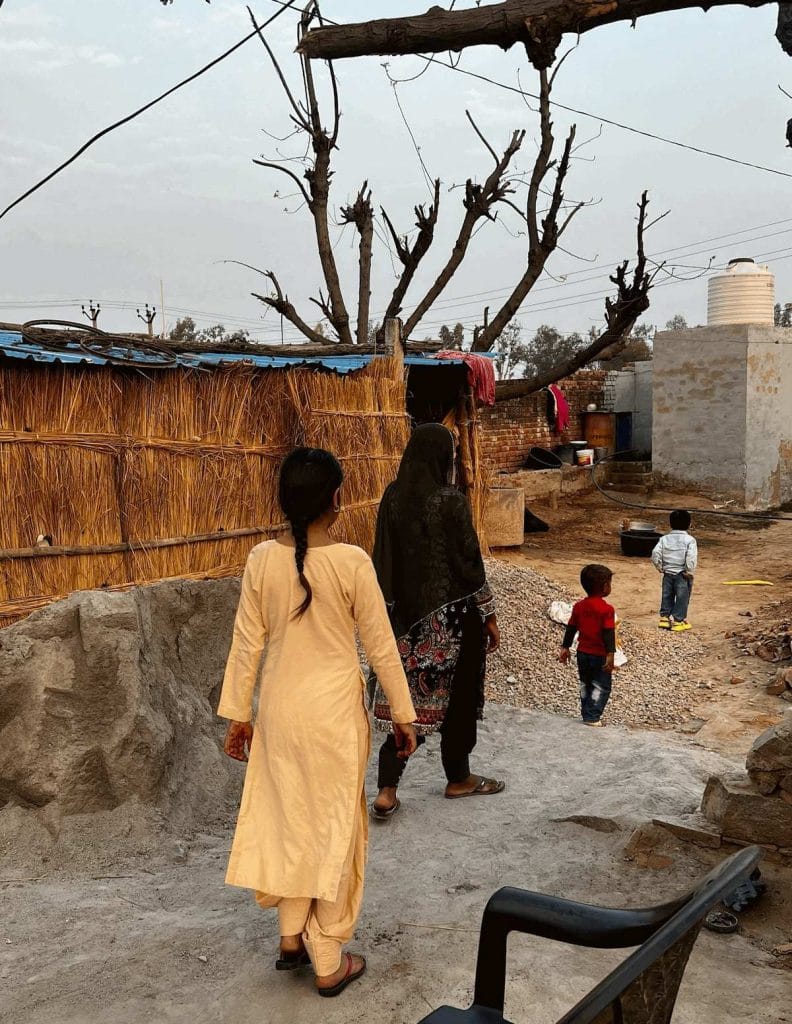
Since the marriage, Sarjina has spent most of her time in her parents’ house, a patchwork of living and unfinished work: a single room, a kitchen, the open verandah, and a thatched enclosure off to the side, patched with tarpaulin and strips of old cloth. It is part storage, part shelter, part improvisation, walls cracked but standing, like the fragile rhythm of life inside them.
Her father works on batai, cultivating someone else’s land for a share of the produce. They belong to the largely agrarian Meo Muslim community of the Mewat region, negotiating a complex inheritance of faith and custom. Within their world, the logic is airtight. Early marriage is the only visible path. For this community, and others in the region, questioning it would demand a language they have never been taught.
Some orthodox families will go to any lengths to protect their deep-rooted traditions. I’ve received more than 50 threats from families warning me of dire consequences, even death, if I interfered in their personal affairs
-Kriti Bharti, founder of the Saarthi Trust
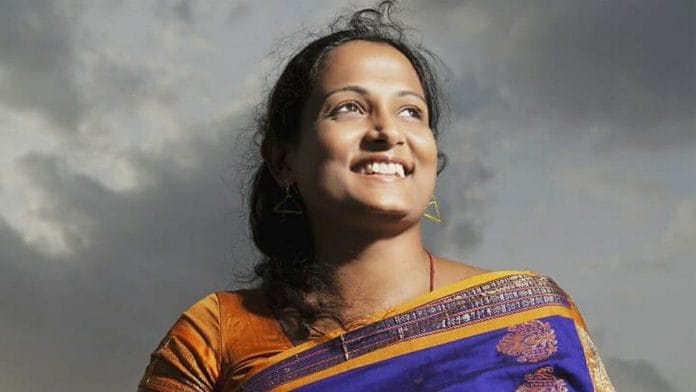
But hundreds of kilometres away in Jodhpur, child psychologist Dr Kriti Bharti is dismantling that logic, one case at a time. For over a decade, Bharti’s name has become synonymous with a fearless, unflinching fight against child marriage in Rajasthan. She has overseen the annulment of 53 child marriages, halted over 220 others, rehabilitated more than 30,000 women and children, and trained judges and officers to wield the law with nuance and sensitivity. Her pioneering work has earned global recognition and is now woven into the CBSE curriculum, inspiring future generations to confront this enduring injustice.
“I work on options for children who are stuck in child marriage. They can come out from these handcuffs,” she said.
Bharti, 38, knows the suffocating helplessness of childhood all too well herself. Poisoned by a relative at the age of ten and bedridden for years, she faced the same sense of being trapped that she now fights to dismantle for others.
“Although my experience was different in many ways, I can deeply relate to the victims of child marriage and the grief they feel for their lost childhood,” she said.
Also Read: A Meerut wedding that got too risky. Dalit bride, Muslim groom, parents, venue ready
Opening a door for the ‘trapped’
While the law on child marriage allows for annulments, it had never been tested in court before Bharti’s first case in 2012. She describes that petition as “a stab in the dark.”
“It felt like entering a pitch-black room and pressing every button in the hope of finding a light switch,” she said.
Bharti had been working with communities and counselling families when a young woman called Laxmi Sargara approached her. She had been married at the age of one to a three-year-old boy, Rakesh, but only discovered this at the age of 18, when her in-laws arrived to take her to their house.
“I was unhappy about the marriage. I told my parents who did not agree with me, then I sought help,” Laxmi told Agence France Presse at the time, reported BBC.
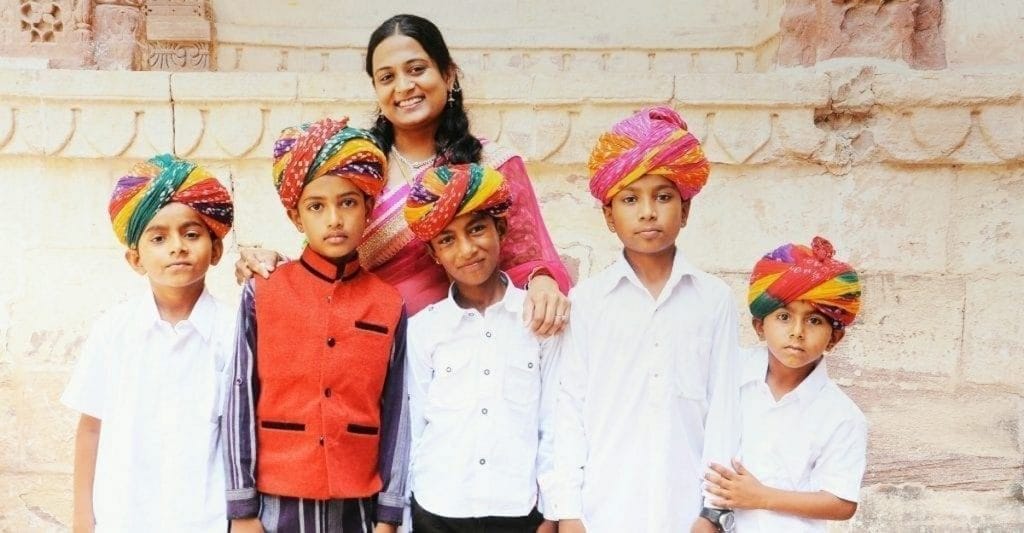
While Rakesh initially wanted the marriage to continue, counselling by Bharti and her organisation Saarthi Trust got through to him.
Bharti weighed every legal angle under the Prohibition of Child Marriage Act and decided to proceed with annulment. In April 2012, Rakesh and Laxmi signed affidavits before a notary declaring the marriage void. It made international headlines as one of the first known cases in India of a childhood marriage being legally undone at the request of the couple.
Though child marriage rates have fallen sharply—with 53 per cent of girls marrying before 18 in 1996 compared to 23 per cent in 2021—the problem has not disappeared. India is still home to the largest number of child brides in the world, with one in three living here, according to a May 2023 United Nations Children’s Fund (UNICEF) report.
“In our society, once a child is married, it is treated as an irreversible fate. But it should not be so,” said Jyoti Ahuja, a member of the Child Welfare Committee. “If a child is married at the age of one, how can they exercise their own choice at 18 if no mechanism exists to enable it? Most efforts so far focus on preventing child marriage or providing education, both essential, but almost nothing has been done to create pathways for those already trapped.”
Seeking an annulment, however, is just the beginning, Bharti said. It is a glimpse of possibility, not a guaranteed path.
“The annulment is like the Taj Mahal. You can see it, but getting there is another story,” she added.
Death threats and khap ‘punishments’
In practice, annulments are rarely straightforward. Legally, a birth certificate or school record is sufficient proof of age. Yet, as Bharti notes, even this seemingly simple process can stretch from three days to over two years, with obstacles arising where law and social realities collide.
Families attempting to extricate children face resistance from unsensitised communities.
“Nothing has changed in the environment,” said Poonam, an ASHA worker in the Meo Muslim community. “They don’t like it if we tell them their customs are wrong. If we try to counsel them, we will be denied entry even for vaccination or other schemes. They won’t let us do our work.”
Bharti has learned to navigate these terrains with caution.
“Some orthodox families will go to any lengths to protect their deep-rooted traditions and wouldn’t think twice about hurting, or even killing, anybody who stood in their way,” she said. “I had to be careful. I’ve received more than 50 threats from families warning me of dire consequences, even death, if I interfered in their personal affairs.”
Once cases reach us, we are able to take action and stop the marriage. But many times, we don’t even know that a child marriage is taking place. Nowadays, these ceremonies are often held quietly in another village, sometimes late at night. Occasionally, there isn’t even a wedding card
-Ravikant, District Child Protection Officer, Alwar
Legal victories are never simple triumphs. They are negotiated acts of courage, contested at every step by tradition, fear, and social sanction. Bharti herself is a living example of this resolve. Raised by her single mother, she grew up learning to weather life’s blows. Her father abandoned them when she was just two, and throughout her childhood, she faced the sting of being bullied for this.
“I had a tough childhood,” Bharti said. “I am not afraid of death. I have faced it before. My protector is God, and as long as I live, I will continue my work.”
But not everyone has the resources to fight the system. For most, the process of annulment remains inaccessible unless a supportive environment is built around them — one that provides protection, guidance, and the social and legal backing necessary to navigate the system safely. Without such an environment, the path to reclaiming their lives can seem impossible.
Another hurdle is the coercive role of local governance structures with regressive agendas.
In Rajasthan, these are known as Jati Panchayats, and in neighbouring Haryana as Khap Panchayats. They wield immense influence, though they hold no legal authority. Leadership is determined by age, with the eldest member becoming the sarpanch.
“These bodies remain one of the most formidable obstacles to eradicating child marriage in the 21st century,” Bharti said.
Families who resist the practice or challenge “age-old traditions” risk severe punishment. Fines can reach Rs 10-20 lakh, without consideration of a family’s means. Beyond financial penalties, families are socially ostracised, often cut off from their communities and even denied access to grocery stores.
Under this pressure, parental support often crumbles. Bharti recalled instances where families initially backed efforts to annul child marriages, only to withdraw when faced with the panchayat’s relentless threats, abandoning their children to the very system they sought to escape. In many cases, families also struggle to divide the costs of the marriage, or exchanged assets such as land and jewellery, after annulment.
And then there’s the narrow legal window. Under the law, survivors whose marriages were solemnised before the legal age have just two years after reaching adulthood to seek annulment.
Weddings in the shadows
Families have grown savvy in conducting child marriages. They avoid photographers, print no invitations, and keep the guest list minimal. Without tangible evidence, proving that a marriage took place becomes nearly impossible — a challenge acknowledged by officials across the board, from the District Child Protection Officer to Child Welfare Committee members and child marriage lawyers.
In Alwar, between October 2025 and February 2026, the District Child Protection Office recorded 13 cases of child marriage. Of these, 11 were successfully intercepted and prevented, while two turned out to be false reports.
Even in this short span, the numbers show both the vigilance required and the gaps in detection. Many more cases likely go unreported, hidden from authorities and the public eye.
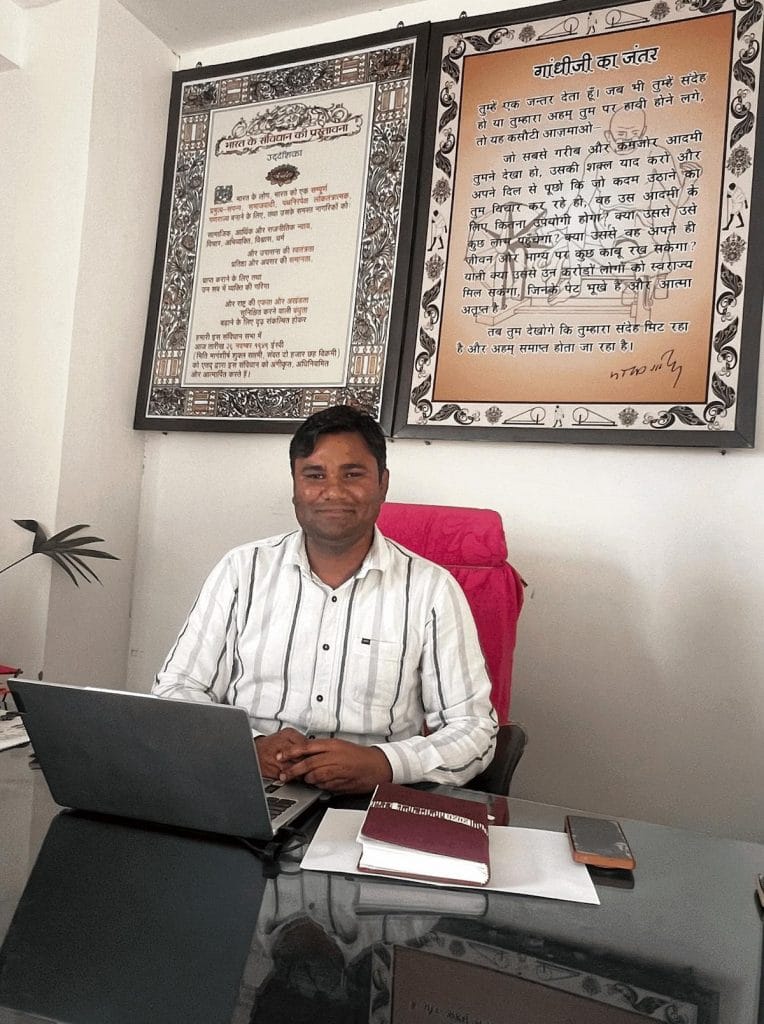
“Once cases reach us, we are able to take action and stop the marriage. But many times, we don’t even know that a child marriage is taking place, and that is where the real challenge lies,” said Ravikant, District Child Protection Officer, Alwar.
“Nowadays, these ceremonies are often held quietly in another village or even another jurisdiction, sometimes late at night. Occasionally, there isn’t even a wedding card, and if there is, it might carry someone else’s name.”
Even a successful police intervention isn’t always effective. Bharti said that she has seen many cases where the ceremony takes place a few days later anyway.
“That is why I believe strict follow-up is essential. Once a wedding is prevented, the administration must continue to monitor the children involved until they reach the legal marriageable ages of 18 and 21,” she added.
The lack of evidence is often exploited. Bharti recalled a case where a girl’s father, a known criminal, claimed the gathering was merely an engagement. Not a single villager would testify against him for fear of violent retribution.
Obtaining annulment in such cases becomes difficult, but Bharti is steadfast. She has encountered brides as young as 34 days old and has secured annulments in as little as three days, the fastest on record.
“Every time I am confronted with a challenge, I remind myself why I do this,” she said. “There was no one to save me. I am doing this for these children. It is my way of making amends for my own lost childhood.”
Also Read: Brother shot Sapna in her sleep. She had crossed a Haryana khap red line
‘I fight every day’
The first steep climb is securing the annulment. The law puts the onus on victims to initiate legal proceedings, which most cannot do without the help of the very family that arranged the marriage. Court fees and travel costs can run into lakhs, far exceeding what most can afford.
Even after the order is granted, survivors require a lot more help. They need protection, counselling, education, and guidance on how to sustain themselves. Many hesitate to challenge the system at all because they are not educated and financially dependent on their families.
“Many young brides, even when they want to annul their marriage, aren’t able to do it without systemic support,” said Noor Mohammad, Member Secretary, Alwar Mewat Institute of Education and Development (AMIED).
I fight every day. I am the first girl from my village to pursue higher education. Now I’m preparing for the UPSC. Sometimes I don’t know whether I’m fighting my own home, or the competition out there. The system doesn’t make it easy
-Zainsta, who narrowly escaped child marriage
Through awareness campaigns and legal aid, AMIED works to prevent child marriages, promote girls’ education, and empower communities to challenge social norms. The organisation also provides counselling, rehabilitation, and training for parents, educators, and local officials to ensure interventions are sustainable and culturally sensitive.
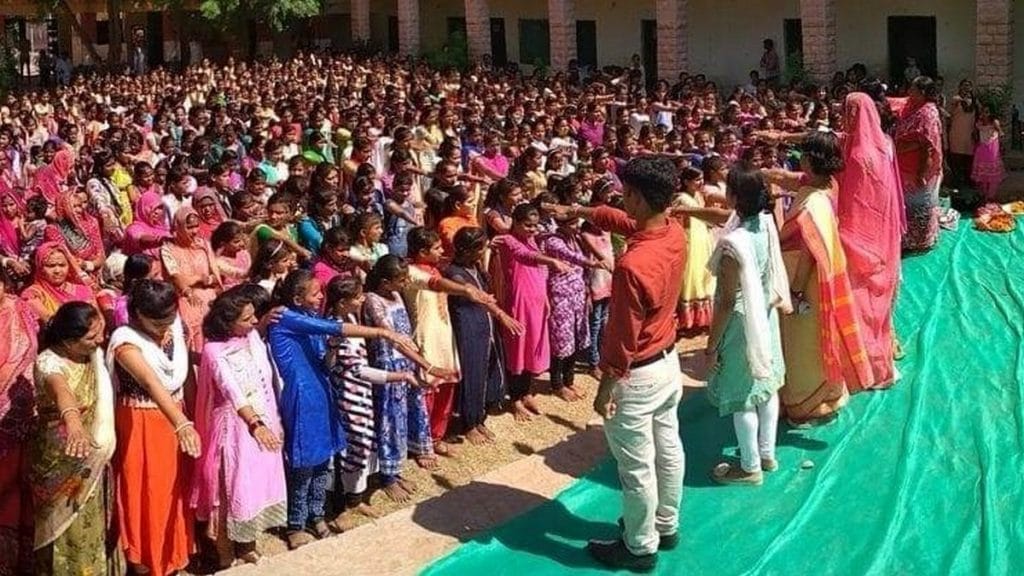
Similarly, Bharti, through her NGO Saarthi, has designed rehabilitation programmes to help girls build independent lives. Many have gone on to complete their education and pursue careers in medicine, engineering, or nursing. Some now work with Bharti to support other former child brides. Saarthi Trust has also administered oaths against child marriage to over 25,000 villagers and students across Rajasthan.
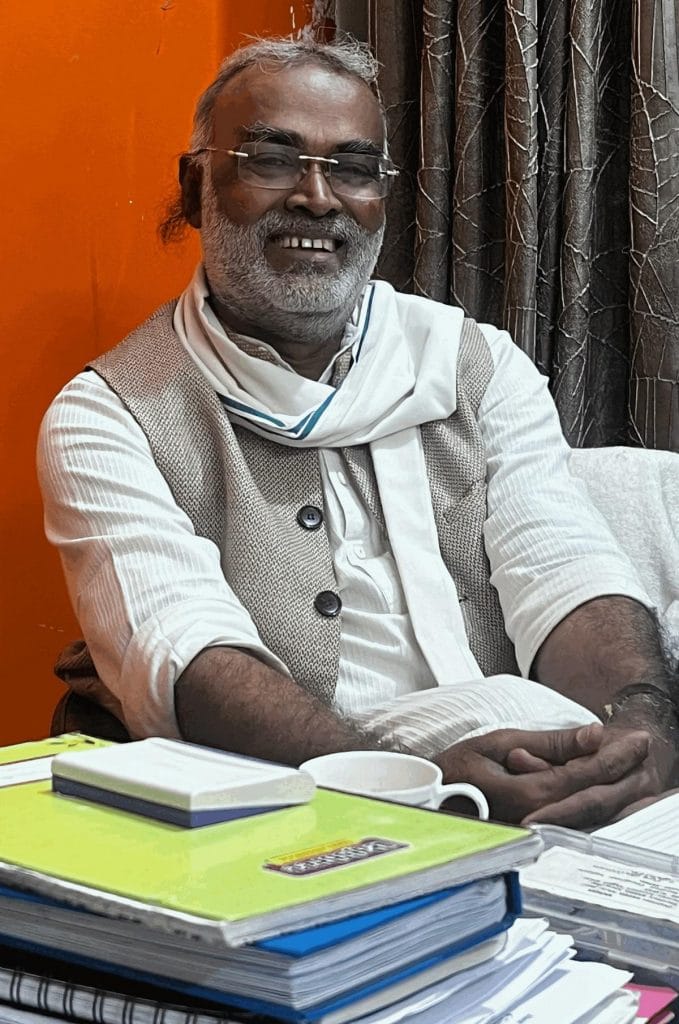
Parents sometimes marry off their daughters out of fear that, as teenagers, they may enter romantic relationships and bring shame upon the family. Peer pressure is another factor. Families worry that if they delay, they may not find a suitable match.
“Not every child succeeds academically. When a girl struggles in school, families ask what is the point of educating her anyway when the ultimate goal is marriage?” said Ahuja.
Mohammad, who has worked with first-generation women learners, added that parents often view education as an “investment” rather than as a way to broaden horizons or cultivate critical thinking.
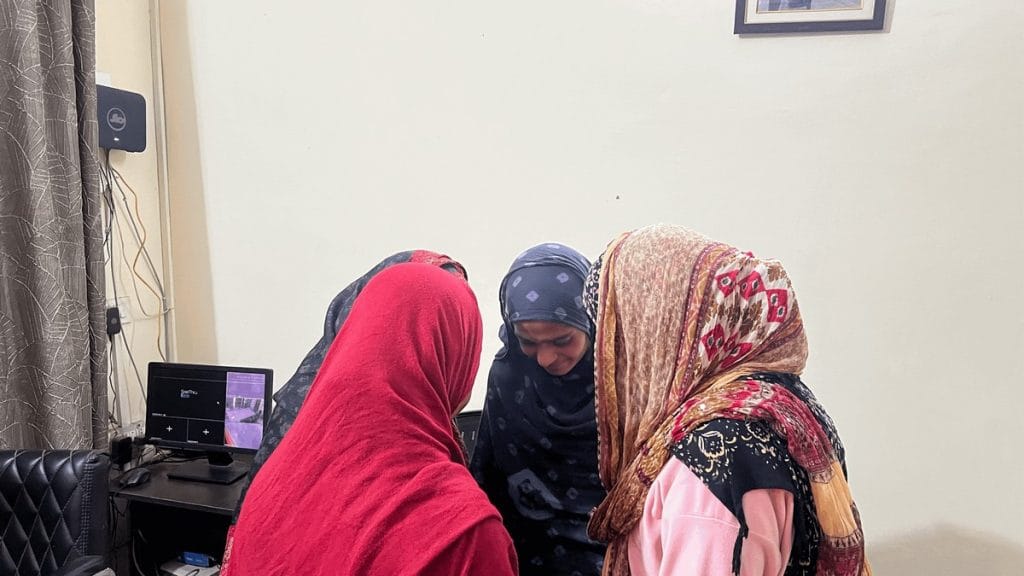
At 22, Zainsta is one of the first girls from her village in Tijara to attend formal schooling. Once facing the prospect of child marriage, she entered formal education after Mohammad took her under his wing. She won a scholarship and completed her higher education, but she still contends with the tension between her community’s expectations and her own ambitions.
“I fight every day. I am the first girl from my village to pursue higher education. Now I’m preparing for the UPSC. Sometimes I don’t know whether I’m fighting my own home, or the competition out there. The system doesn’t make it easy,” she said, voice tinged with both defiance and fatigue.
Several former child brides who spoke to ThePrint said the same thing in different ways: the law alone cannot end child marriage. The change has to come from within society.
“‘Beti Bachao, Beti Padho’ is only the beginning,” Zainsta said. “Real change has to start in the community. People need cultural sensitivity training. They need to be brought out of the patriarchal mindset. Otherwise, laws and schools alone can’t protect us.”
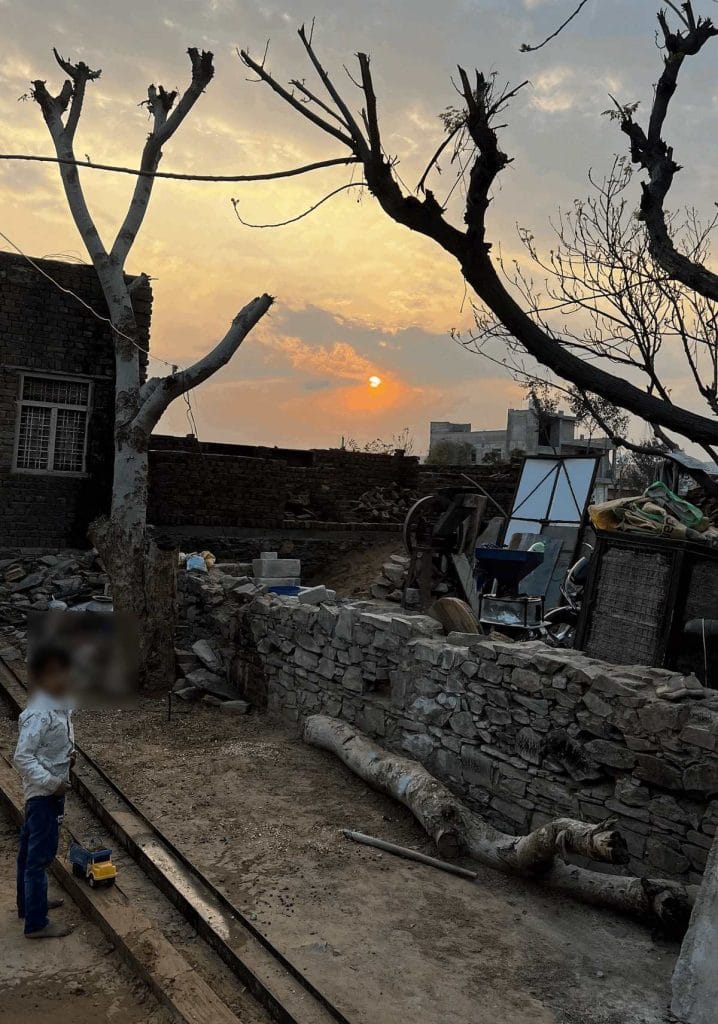
For Ahuja, counselling at the individual, family, and community level—including education and career guidance— is essential but is largely “missing” on the ground.
Back in Khairthal, Sarjina plucked the steel bowl from her toddler’s hands and set it deliberately on the kitchen counter.
She is negotiating her reality in the only way she knows how—through small acts of defiance. For one, she has no plans to visit her in-laws’ home for Eid.
“I like it here, with my sisters,” she said firmly. “I don’t want to go.”
This story was reported as part of the Laadli Media Fellowship 2026, supported by UNFPA.
(Edited by Asavari Singh)