





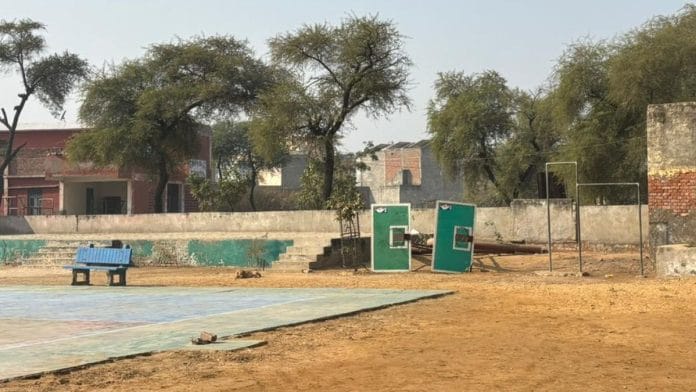



Rohtak/Jhajjar/Gurugram: The last thing Hardik Rathi saw was the hoop he had spent years chasing. He had learned to dunk by watching American basketball star LeBron James on YouTube religiously, until he could mimic the moves on battered courts outside his house. By 15, he had won medals across India and made it to the national team. But two weeks ago, as he leapt for another routine dunk, the rusted pole at a Haryana Yuva Sports Complex ripped out of the ground and came crashing down on him.
At Hardik’s house, his father Sandeep tries to stay stoic, but his voice breaks: “The same ground on which he practiced every day… took his life.” The athletes, he says, kept complaining about the crumbling infrastructure at the Rohtak facility. Nothing changed.
“If anyone is to blame, it is the government that let these facilities rot,” Sandeep said.
The Class 10 student’s death came close on the heels of another in Bahadurgarh, where 15-year-old Aman Kumar was killed when a decades-old basketball pole collapsed on him during practice.
Haryana sells itself as India’s sporting nursery – a state where medals are currency, wrestling pits are tradition, and young boys and girls train with the certainty that sport can lift them out of their circumstances. But the dream runs on a split screen. On one side are podium finishes, cash prizes, government jobs, and political claims of world-class ambition. On the other lie rusted poles, abandoned stadiums, selective repairs, and land complexes that no one claims and no one maintains. Hardik and Aman never met, but their stories converge at the same fault line: A state whose pride in sporting medals has outpaced the safety of the facilities its children train on.
Olympian and wrestler Bajrang Punia says the tragedies reveal a harsher truth about the state’s sporting model.
“It is only after an athlete wins a gold, silver or bronze, when the state puts focus on infrastructure. Before that, they’re all on their own,” Punia said.
The Sports Ministry has admitted to administrative negligence, suspended officials, and ordered inquiries over the deaths, while MLAs and ministers trade blame over MPLAD funds, maintenance responsibility, and infrastructure budgets.
A dream cut short
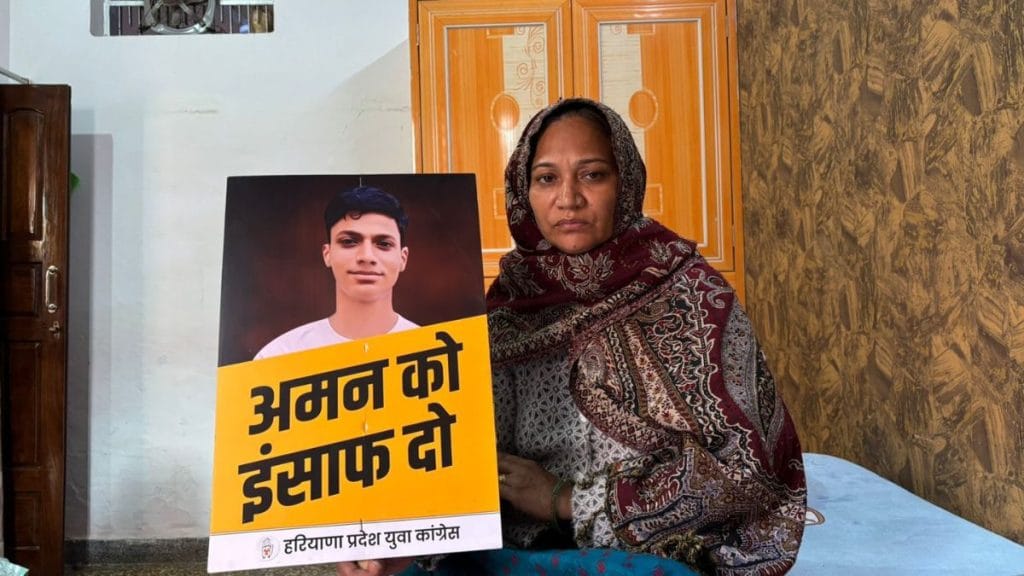
Around 30 km away in Bahadurgarh, Aman Kumar’s mother sits with her son’s clipboard and pen, the one she used to write down a police complaint.
“Negligence,” Kanta Devi said, “killed my son.”
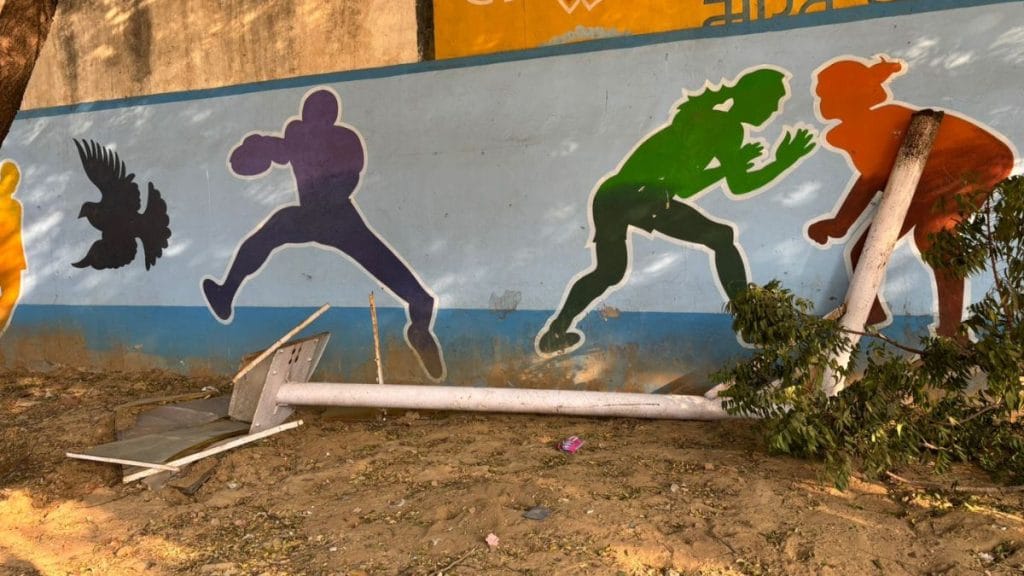
A 20-year-old rusted pole collapsed on him during routine practice at the Shaheed Brigadier Hoshiar Singh Stadium. He died within 24 hours. The pole had last been repaired in 2016.
The night before, Aman had come home in tears after losing three matches in a row.
“He told me he’d win someday,” Kanta Devi said.
Their house was lit up for a family gathering when he left for practice on 23 November. Instead, his parents spent the night shuttling between Rohtak PGIMS and police stations.
“He never wanted silver. Only gold. He wanted me to believe in him,” she said.
His father, Suresh Kumar, remembers Aman’s final request.
“He was in so much pain. His last words were, ‘papa, paani pila do’ – all he wanted was water.”
Broken grounds, broken dreams
Neglect shows even before one enters the Yuva Sports Complex in Lakhan Majra village where Hardik trained for years. Built on a panchayat plot, the facility has no gate, no guard and no signage. Children climb through cracks in the boundary wall to get in.
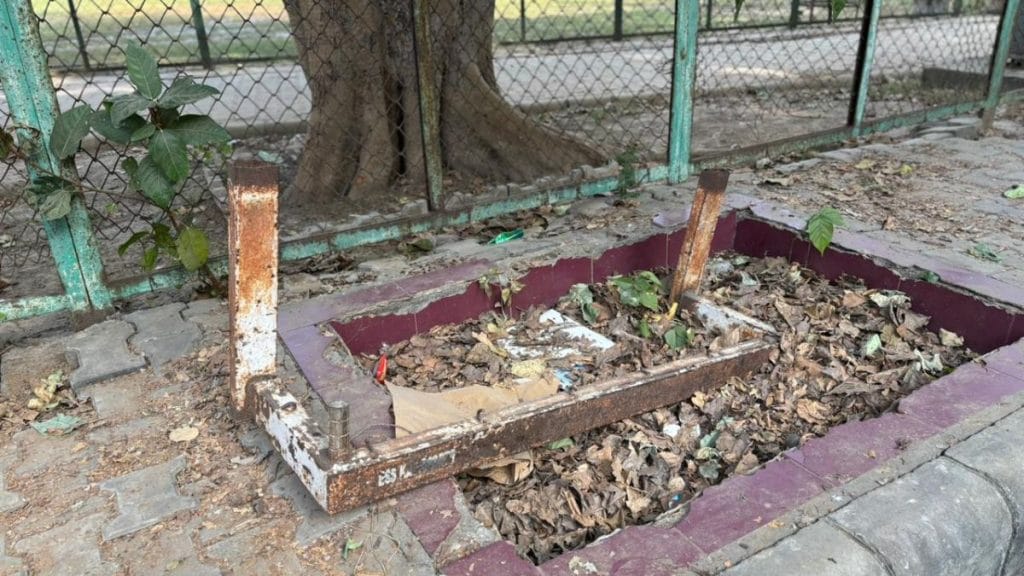
Inside, the gym feels frozen in another era; rusted machines, exposed iron rods, and peeling floors covered in dust. The basketball court, once green and blue, is now a patchwork of grey and cracks. The pole that killed him has been removed but not replaced. Students now practice on concrete and gravel.
A stadium without coaches
In Bahadurgarh, 30km away, the Shaheed Brigadier Hoshiar Singh Stadium greets visitors with bright graffiti on sports. Inside, the facilities thin out. One wrestling coach is officially posted; others train athletes informally because the stadium is open to all.
Athletic coach Vikrant points to a 20-year-old basketball pole still standing. “There is no synthetic track here,” he said, as dogs trot across the field. A similar, rusting pole had crushed Aman in this stadium.
Athletes complain of unhygienic conditions. But 21-year-old Himanshu still trains here due to lack of options. “It’s dusty. There’s garbage everywhere. And rats. But where do we go?”
Selective repairs
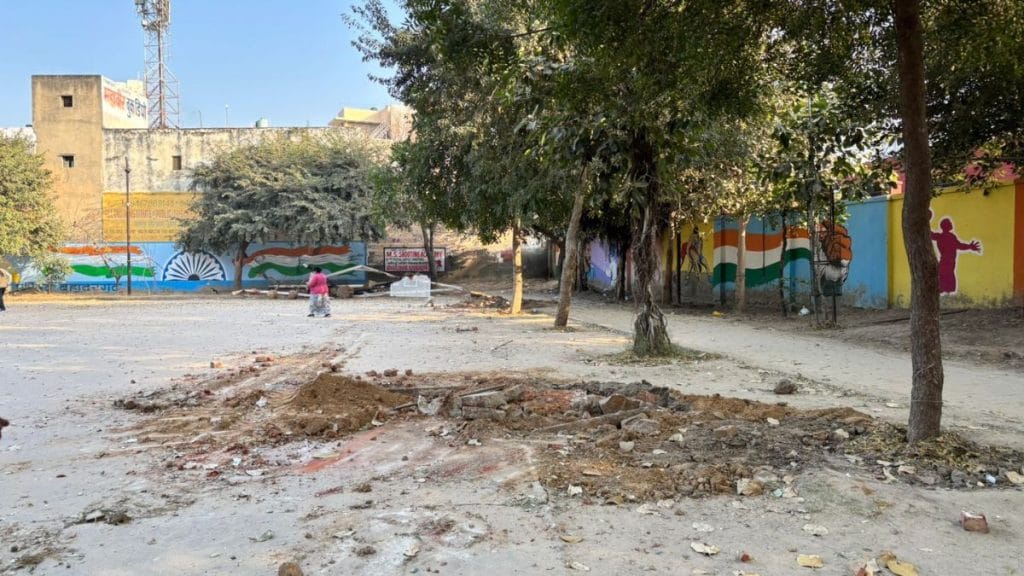
At Gurugram’s Nehru Stadium, schoolboys play football on a cracked, dusty surface that has left several injured in the past. But just a few steps away, the basketball and hockey courts look newly laid.
The three-month old upgrades, players say, were selective. “They focus on the sports where they have more players,” Rehan, a young footballer, said.
There is no drinking water, no security, and stray dogs roam freely. The ground turns into a practice track for people learning to ride scooters during the day. At night, the stadium turns into a drinking spot.
Children bring their own water, pool money to buy balls, and arrange their own kits. Banners of Prime Minister Narendra Modi and Chief Minister Nayab Singh Saini hang over broken walls, concealing the cracks beneath.
Just on paper
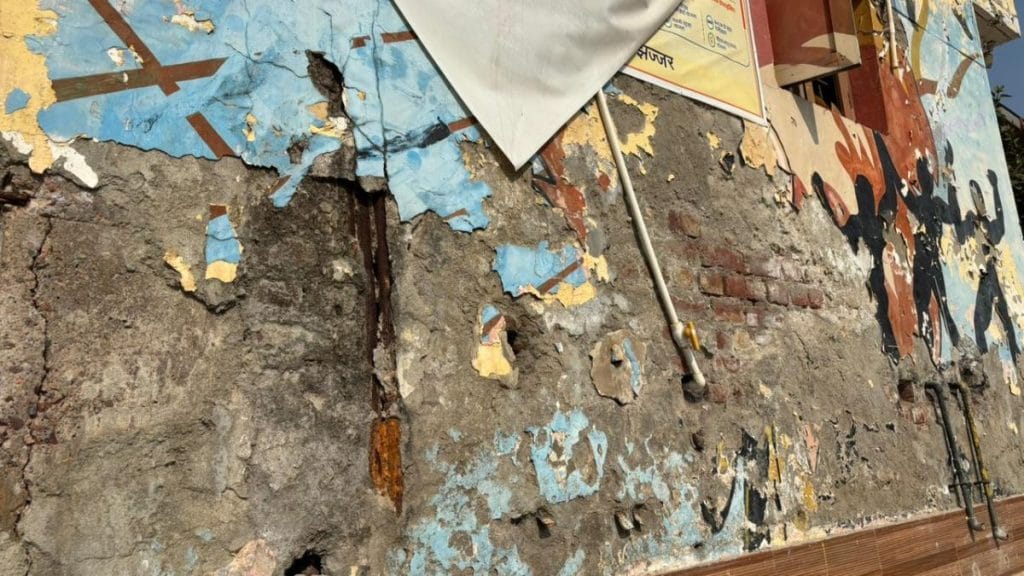
In Jhajjar, the Maharishi Dayanand Stadium stands disfigured – plaster missing, walls peeling, and a slogan announcing “Desh ko jitayega Haryana (Haryana will make India win)” stretched across the decay.
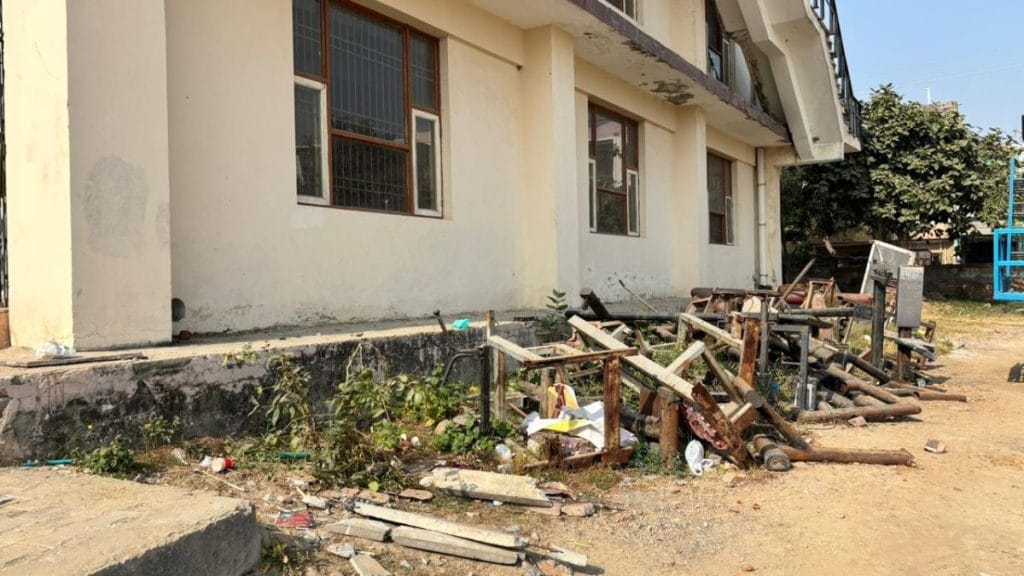
Mangled basketball hoops and rusted, unusable poles lie dumped in a corner.
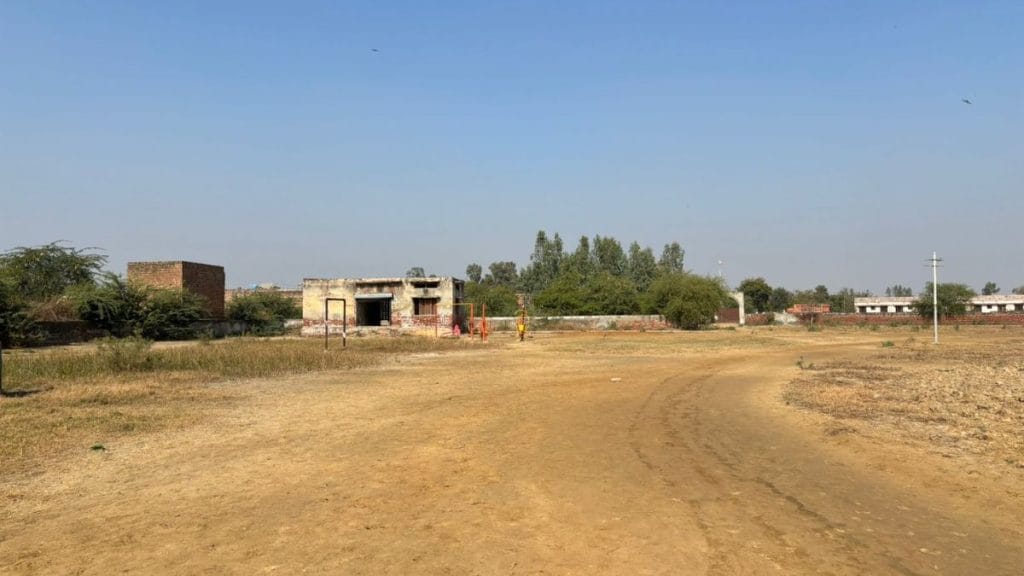
In Kharanti, Rohtak, a hockey stadium stands on barren land. For locals, it has existed “for years,” yet no sport has ever been played. Sunderpur Stadium near Rohtak is no different. Grass grows up to the knees. Not a single athlete trains there.
A culture built on grit
Haryana’s sporting identity has long rested on two pillars: sports and the armed forces. In many villages, a medal or an Army uniform is seen as a faster route to mobility than academic success. Over the years, the state built a vast sports ecosystem to match that ambition – stadiums in every block, nurseries in every district, and thousands of children enrolled for training. Coaches are paid Rs 25,000 and trainees receive a modest monthly stipends – even when the facilities they use are falling apart.
This pipeline has delivered medals and a mindset. In the past five years alone, Haryana has awarded athletes over Rs 640 crore in cash prizes, and annual sports budgets have run into the Rs 300-600 crore bracket. Crores have been set aside for new stadiums, maintenance, and high performance centres. The message to rural families has been clear – sport pays, often more reliably than education.
But the foundations of this celebrated model are cracking. And when the cracks finally turned fatal, the question of who was responsible quickly slid into a battle over who wasn’t.
Sarkar vs Sarkar
Politics came before repairs despite two deaths.
Sports Minister Gaurav Gautam maintains that the Rohtak and Bahadurgarh facilities do not belong to the Sports Department but to the panchayat and Education Department. He said an audit was conducted, but maintenance lies with the panchayat – which, the Lakhan Majra sarpanch told ThePrint, never received MPLAD funds.
Once stadiums are built by the Sports Department, he said, they are handed over to panchayats for upkeep – a system that has resulted in infrastructure no one fully owns. The Rohtak facility was run by a private coach of a sports club and the Bahadurgarh stadium belonged to the education department.
Gautam added that neither facility had an allotted nursery nor state-deployed basketball coaches, and that all complaints regarding its upkeep were verbal.
“No complaint from any individual or group was reported to the Department of Sports,” he said.
Also Read: Brother shot Sapna in her sleep. She had crossed a Haryana khap red line
Congress MLA Bharat Bhushan, whose constituency includes the Rajiv Gandhi Sports Stadium, says the crisis did not begin with Hardik and Aman.
“It started when a decade of work was abandoned,” he said.
Between 2004 and 2014, the Bhupinder Singh Hooda government built 413 stadiums, expanded sports nurseries and linked medals to government jobs through its “padak lao, pad pao (bring medal, get post)” policy.
“Haryana’s medal run in Commonwealth, Asian Games, and Olympics became that foundation,” he said.
Bhushan claims MPLAD funds, including Rs 18.5 lakh released by Rohtak MP Deepender Hooda, were not utilised, and that a Rs 28 crore repair proposal for the Rajiv Gandhi Stadium was announced but never sanctioned.
“Equipment is broken. Most grounds lie unused because no money comes for maintenance,” he said.
Deepender Hooda said the decline stems from the BJP’s “complete abandonment” of the sports policy. Since coming to power in 2014, he said, the government has stopped building new stadiums and failed to maintain the ones it inherited.
Hooda also cites Khelo India funding allocation as evidence of neglect.
“The state that brings medals gets the least money. The state that brings none gets hundreds of crores,” he said, noting that Haryana received only Rs 66.59 crore under Khelo India infrastructure funds this year against Gujarat’s Rs 426.13 crore. Haryana has 117 Khelo India medals, compared to Gujarat’s 13.
The Sports Minister tells a different story, pointing to a steady rise in cash awards and nursery expansion over the years. He said the BJP continued and expanded the earlier cash-for-medals scheme, awarding over Rs 115 crore to athletes this year alone and giving more than 200 government jobs under it. Haryana’s nursery network, he added, has grown from just 49 in 2009 to more than 1,500 today, with another 500 planned.
Gautam said the state’s talent-identification system has also been overhauled under Khelo India, with trained professionals scouting athletes at trials and competitions and placing them in government centres. During events like the 2022 Khelo India Youth Games, infrastructure was upgraded across multiple cities, he said, and added that the Sports Department has spent nearly Rs 1,000 crore since 2014 on creating and upgrading facilities. Last month, Rs 114 crore was transferred to PWD for further repairs, and officers have been directed to map and grade all stadiums across the state.
For Aman’s family, the political back-and-forth feels hollow.
“Now all politicians are making statements, fighting, alleging… they say they will fix Haryana, change Haryana,” Aman’s mother Kanta Devi said. “But why did no one do anything when my son was alive?”
What athletes want
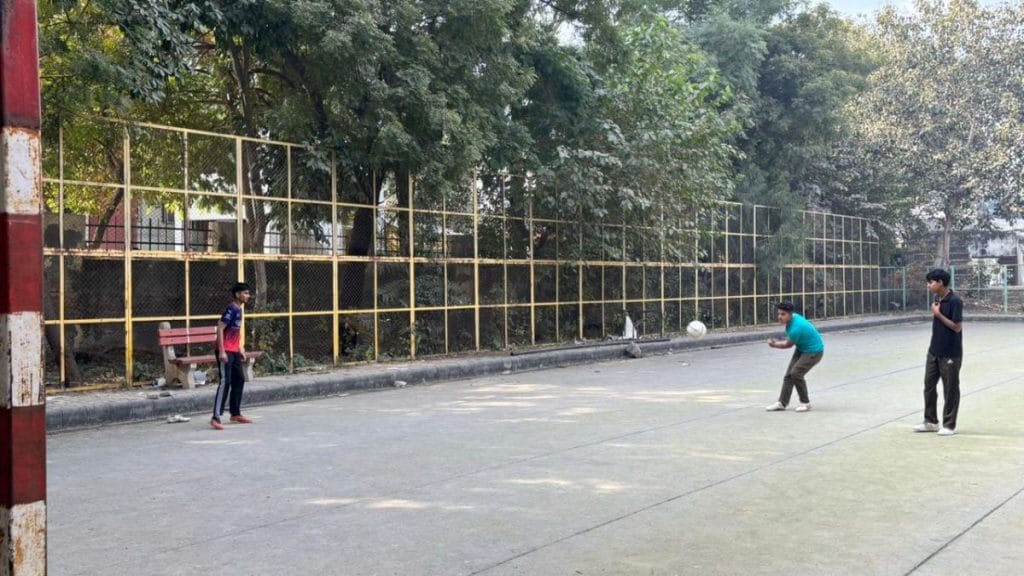
None of the young athletes across Rohtak, Jhajjar and Gurugram expect “world-class” facilities. Their list is modest: a smooth field, a working water cooler, a stable pole, a synthetic track, and a coach who shows up.
For 16-year-old Shekhar Rathi, injuries from uneven ground are routine.
“Hardik died, but are we going to wait for any more deaths now? Maybe now is the time the government listens,” he said.
But Bajrang Punia warns young athletes against speaking up.
“We did, and look where we are now. When a child prepares for sports, they prepare on their own. No government helps them,” he said.
He also questioned why Gujarat received more funds. “Nobody cares about the medals. People only care about how much money is going into each pocket,” he said. He is worried about the crumbling facilities.
“If such deaths keep happening, which parent will send their kid to play? I wouldn’t.”
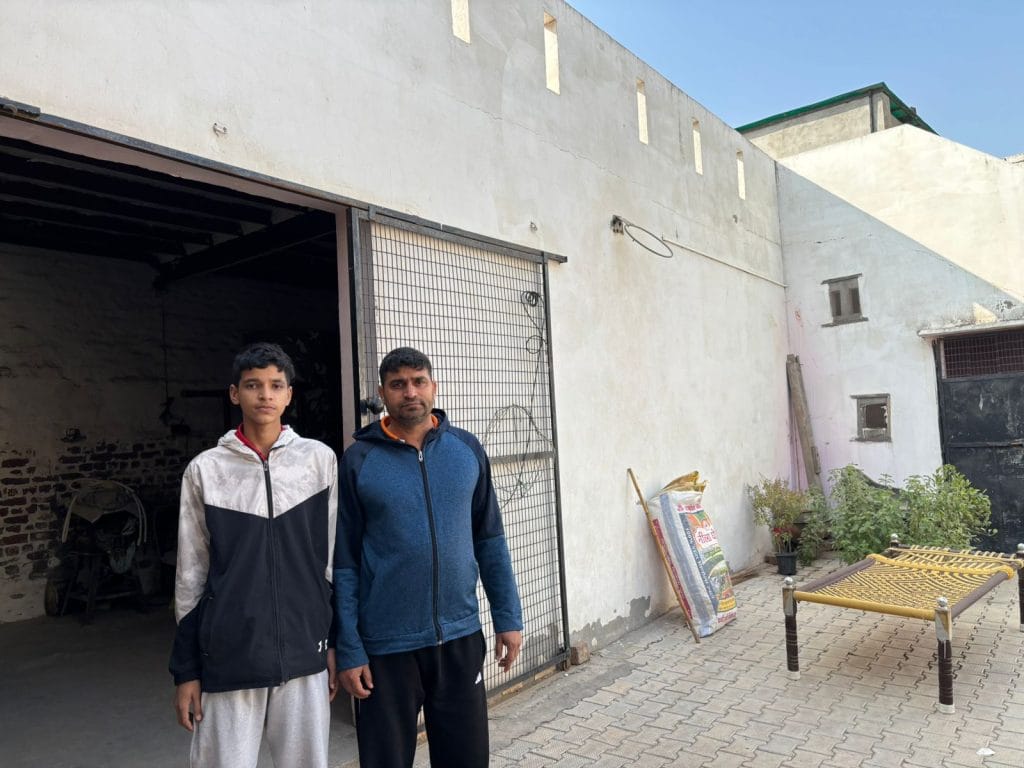
Back in Hardik’s home, his father remembers his son making his younger brother watch LeBron and Bronny James dunk, telling him to study their form, to grow tougher.
“Look how Bronny is playing,” he would say.
Sandeep pauses.
“My LeBron is gone now. I just hope I can fulfill the dreams of my younger son.”
(Edited by Stela Dey)