





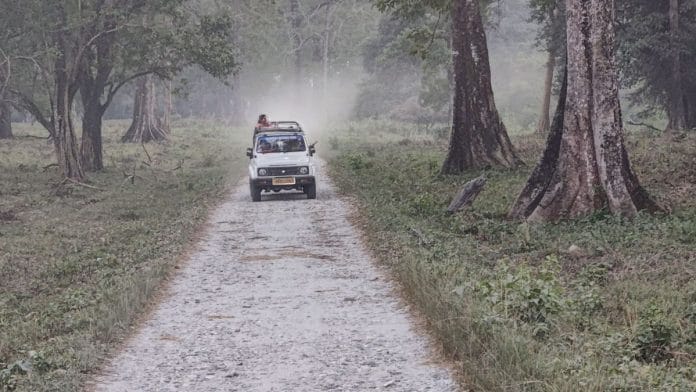



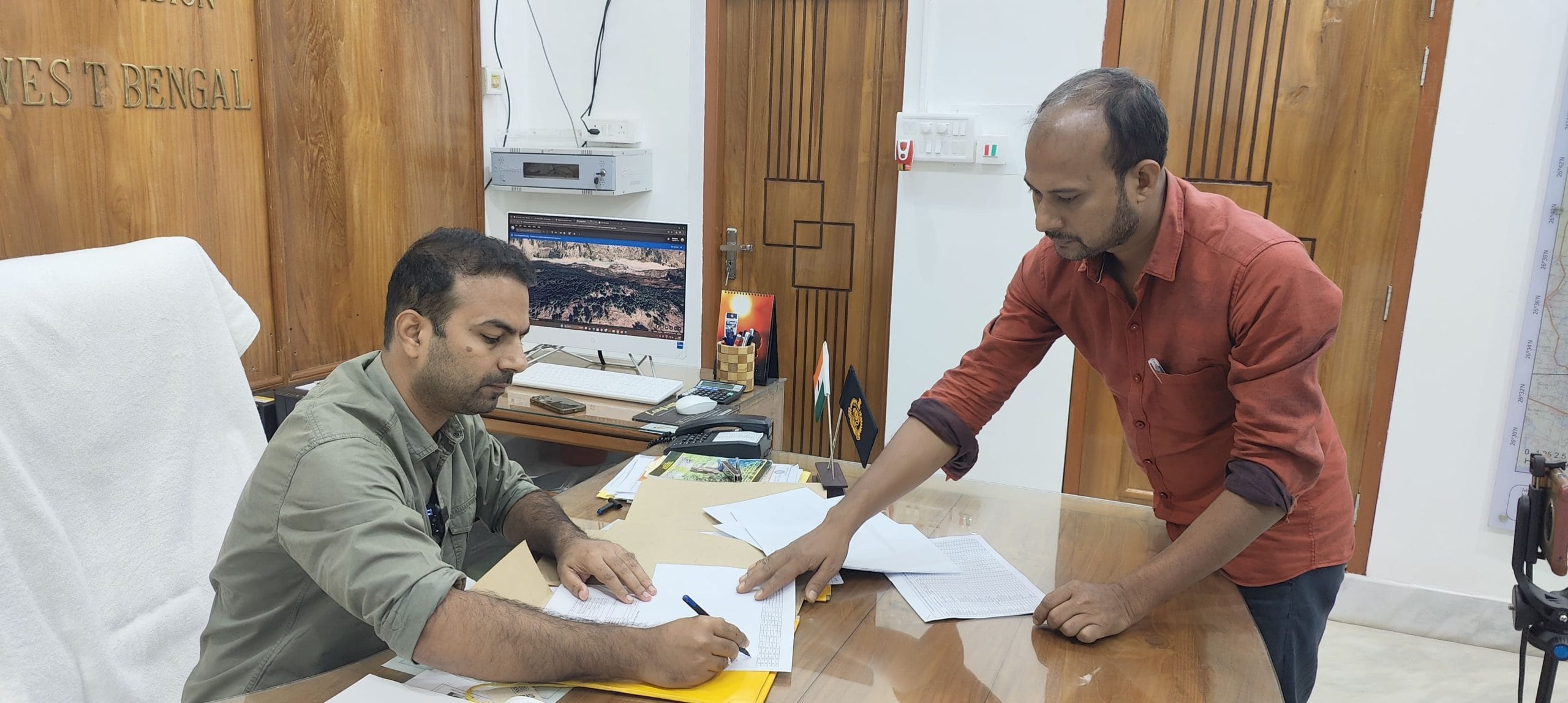
Jaldapara/Cooch Behar: Parveen Kaswan, the divisional forest officer of West Bengal’s Jaldapara, was anxiously pacing about his office. He was waiting for an alert from the court about the notorious rhino horn poacher Rikoch Narjari. He checked his phone and refreshed his email inbox on the desktop over a dozen times. It was judgment day.
Then the phone beeped. Seven years’ imprisonment. A collective gasp filled his office. Assistant wildlife warden Novojit Dey and range officer Ayan Chakraborty, who were waiting eagerly for the verdict with Kaswan, exhaled with relief.
The man behind one of the largest rhino poaching gangs in India got the highest sentence ever by an Indian court under the Wildlife Protection Act. For Kaswan’s team, which had chased his shadow across Assam and north Bengal for 11 years, it felt like the end of a long, discouraging pursuit.
“It’s seven years,” Kaswan said, beaming as he read a message on his phone.
Kaswan’s last few months have been a rollercoaster—listing poaching incidents, alerting informants, rounding up suspects—but every moment was worth it. Even after the arrest, Kaswan was personally involved in listing evidence, speaking to lawyers, and filing documents, only to ensure he had a water-tight case against Narjari to put him away for a long time.
Narjari was often called ‘Veerappan of the East’ in north Bengal for his brutal but modern poaching tactics. For years, he evaded arrest while the bodies of slaughtered rhinos kept turning up in protected forests.
Investigators who served the post before Kaswan said that Narjari’s men used military-grade tranquilisers and high-powered rifles to carry out the killings, striking mostly at night when patrols were thin and visibility low. The only proof of his brutality would be the mutilated bodies of his prey collapsed in the brush, already half-eaten by scavengers and flies.
In each case, the horns were removed with crude but efficient tools.
Narjari wasn’t a typical poacher that people here were accustomed to. He was polished and had a way with people. He cultivated his network of gang members through this charm. He convinced them that if they worked with him, they could elevate their families from poverty.
—an informant with the forest department
Narjari left behind no social media trail or an obvious criminal background, unlike other poachers. Very few witnesses were willing to identify him. In official records, he existed for years more as an alias than a man.
Many gave up in the cat-and-mouse chase to arrest him. He always managed to outrun other forest officers.
A 23-page chargesheet and hundreds of pages of court documents detail Narjari’s brutality.
But last year, the poacher met his match.
Parveen Kaswan, a 2016 batch IFS officer from the West Bengal cadre, joined as the DFO of Jaldapara after a stint at the Buxa Tiger Reserve. The first task on his list was to break Narjari’s gang, secure the rhino population in Jaldapara, and incapacitate the rhino horn poaching networks in eastern India, which has become a popular hunting ground for feeding international markets.
“Of course, now that his gang has been busted, there is always a risk that a new gang will try to fill the void because there is great demand for these horns in the international market and the price point is tempting,” Kaswan said. “But after Rikoch’s story, no one will make the mistake of assuming it is going to be easy.”
Hunting the hunter
The mission to hunt Rikoch Narjari was nothing short of a Bollywood faceoff.
The villain in this story was a 38-year-old, educated man from Assam’s Sualkucha village who spoke at least five languages. He was soft spoken, but so smooth-talking that he could easily convince anyone to work for him. His charm was his weapon.
This is what made Narjari’s network so deeply entrenched in Jaldapara. He sold poaching as a way to uplift families from poverty. He projected himself as a Robin Hood-style poacher.
But the real hero of the story was a determined forest officer from Rajasthan, who had already defied all odds by shifting from a desirable career as an aerospace engineer to crack the civil services. He wore his passion for the wild on his sleeve, and so far, all his postings had been an impressive string of achievements.
He had his job cut out for him at Jaldapara.
In February 2024, when Kaswan took charge of the Jaldapara forest department, he immediately took up Narjari’s file.
“Even before I formally took over, I had started speaking to my teammates and former officers who have worked in this area to get a sense about how deep this network is,” Kaswan said.
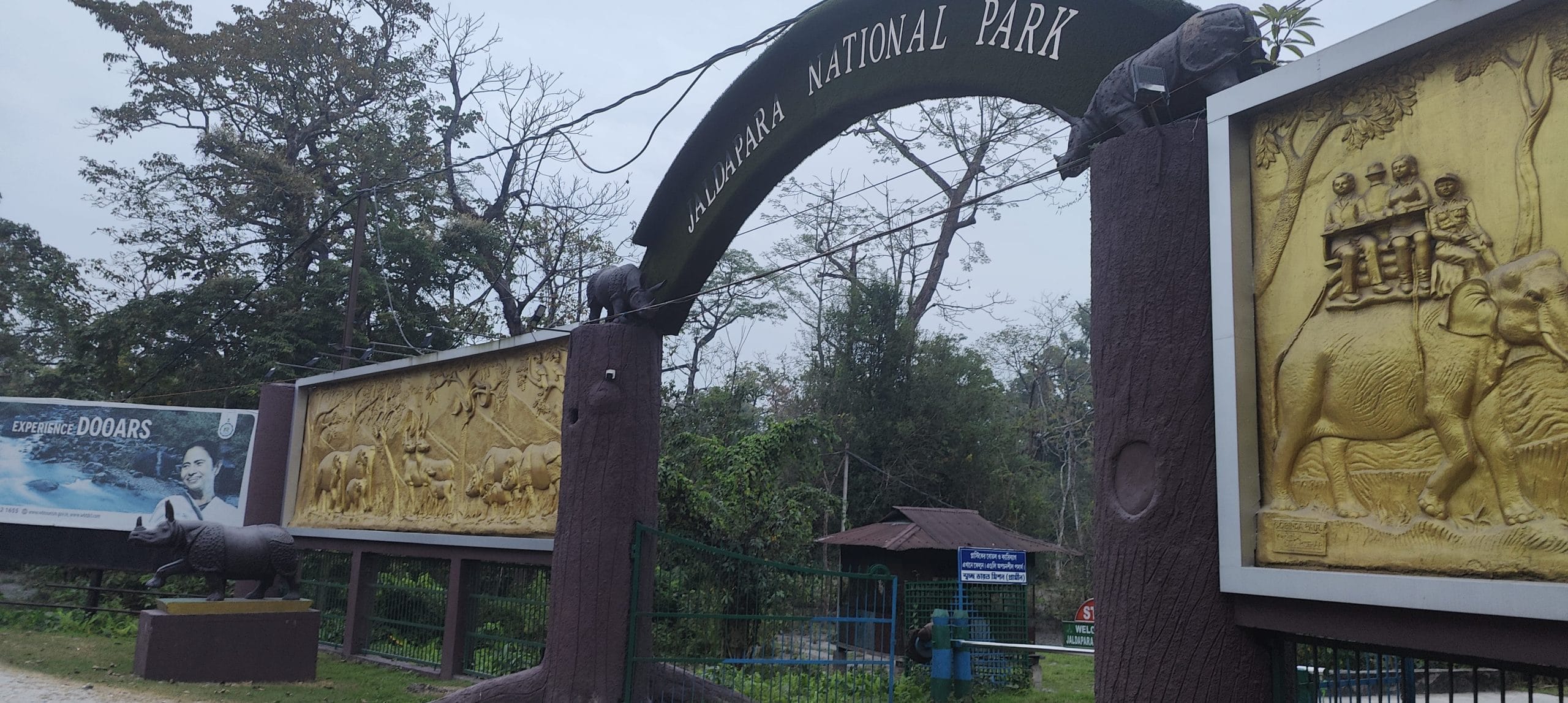
Forest officials at the Jaldapara National Park said that catching Narjari had been difficult for all these years, primarily because he operated like a ghost. The department had only a 2018 photograph of him, and he also had immense support from the local residents.
Narjari was not paving a new path, but he was certainly playing the game by his own rules.
The Narjari gang was only the latest entrant into the long list of poachers who exploited the region for rhino horns. For years, Jaldapara has been their favourite hunting ground. And their unquenched lust for blood was reflected in the dwindling rhino population. In the park’s area of about 217 sq km, the rhino population fell from 76 in 1966-67 to only about 14 by 1980, forest department data showed.
But Narjari changed the script. He did not resort to the outdated practices of using locally made weapons or relying on associates with criminal histories.
Unlike his predecessors, whose hunts were noisy, messy, and easy to track, Narjari used silenced guns, drones to track rhino movements, and guerrilla tactics to move his men in and out of the area.
He handpicked a team of former militants and insurgents operating in Manipur, Arunachal Pradesh, and Mizoram.
“That’s where he got most of his high-tech weapons. From the violence-affected states,” said Kallan Gope, a guide at the Jaldapara National Park.
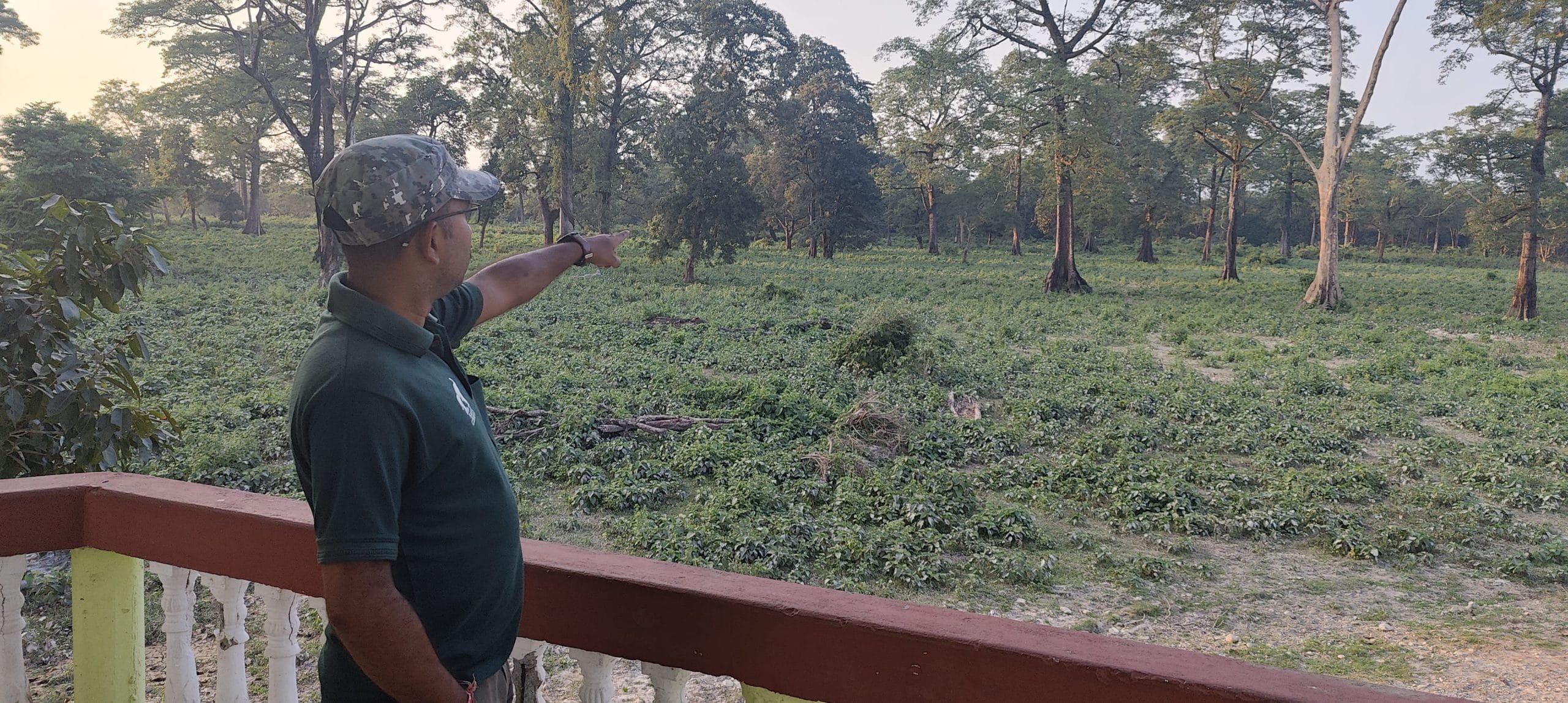
For them, poaching was only a way to earn some extra bucks, which made it harder for authorities to catch them. They would get together from different parts of the Northeast for a hunt, only when they would get an international order for the horns.
Narjari’s team comprised trackers from nearby villages who would spot and track rhino movement for days, and precision shooters who would rarely miss a target. Once the animal was hunted down and the horn removed, their network of transporters would be alerted to deliver the spoils and collect payment.
They would finish the task and vanish—no trace left behind. Their hunts were not desperate survival tactics, which made them even more elusive to the authorities.
“He wasn’t a typical poacher that people here were accustomed to. He was polished and had a way with people. He cultivated his network of gang members through this charm. He convinced them that if they worked with him, they could elevate their families from poverty,” a resident of Madarihat, who is also an informant with the forest department, told ThePrint.
The game Narjari mastered required tactics, and Kaswan brought them in.
Rather than focusing only on patrols, Kaswan’s first move as the Jaldapara DFO was to get his team to map Narjari’s logistical network: travel routes, financial patterns, old seizure records, weapon supply channels, and cross-border movement trails.
He coordinated with forest and police officials, reopened cold cases, and began tracking people who might not have pulled the trigger but aided Narjari’s operations in small ways.
Before Narjari’s gang took over, another notorious hunter, Sattar Singh, ruled the forests of north Bengal. Local residents remember him as a thug. Narjari took over after Singh died in 2012, but he was a complete antithesis of Singh. For the villagers welcomed this and initially saw him as a messiah.
After about two weeks of focusing all of the department’s resources on the manhunt, the fog around Narjari began to clear. A relative of the notorious poacher was rounded up from Manipur’s bordering town of Moreh, who gave a crucial clue about his possible whereabouts.
And it was finally time to make the move.
Kaswan got a tip-off that Narjari was present in a village in the Kamrup district of Assam. He immediately put together a team of 12 officials—a mix of experience and youthful vigour—who ultimately caught the infamous rhino poacher.
“The main operation took around seven days,” Kaswan said, adding that with Narjari, three of his henchmen—Basu Matru, Leken, and Lucas—were also taken into custody.
As the police teams were closing in, Narjari had likely sensed the net tightening, said the officers who were part of the operation.
Days before his arrest, his phone remained switched off, and his usual routes were abandoned. When he was finally caught, there was no dramatic chase, no last-minute escape. Just a long, tense pause, a few measured words exchanged, and then the end of a run that had stretched across years, borders, and countless intelligence leads.
The man who was only known through intercepted calls and code names was finally in custody.
When the leader fell, his gang also fell apart like a pack of cards.
Between March 2024 and January 2025, all major gang members were caught. They are being booked for multiple cases under various sections of the Wildlife Protection Act.
“I don’t think he said much while being arrested,” Kaswan said. “A few other gang members, who were a bit of a show-off, bragged about their hunts during interrogation. Their confessions made the case stronger.”
Also read: Night before VIT Bhopal burned—a slap, a Reddit post, and a jaundice scare
Poaching in Jaldapara
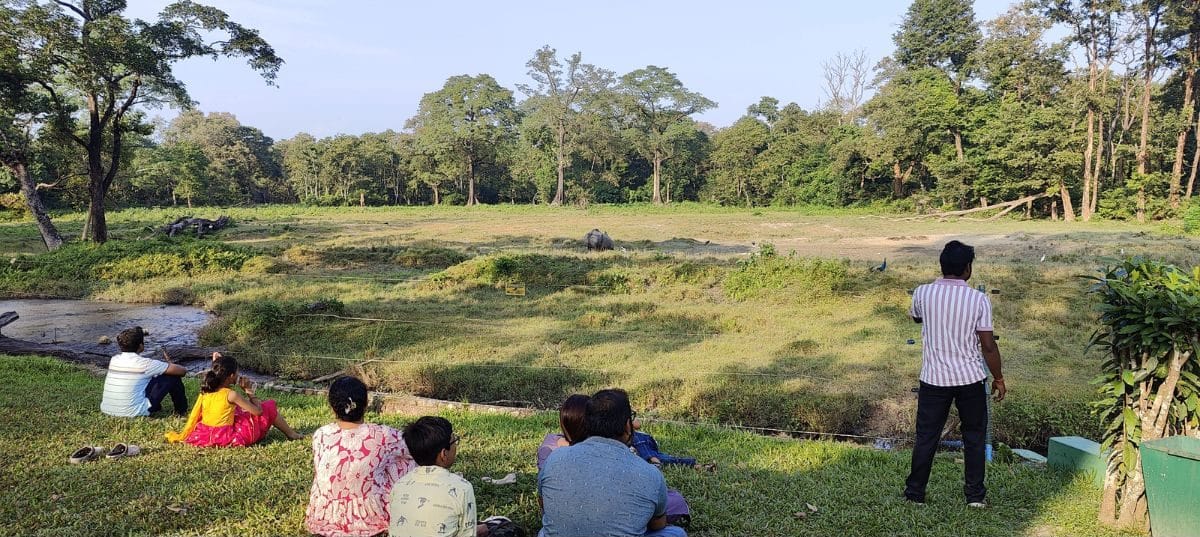
At the Jaldapara National Park—a safe reserve in the midst of human activities—the rhinos are finally roaming free without worry. In the last year, no poaching incidents have been reported.
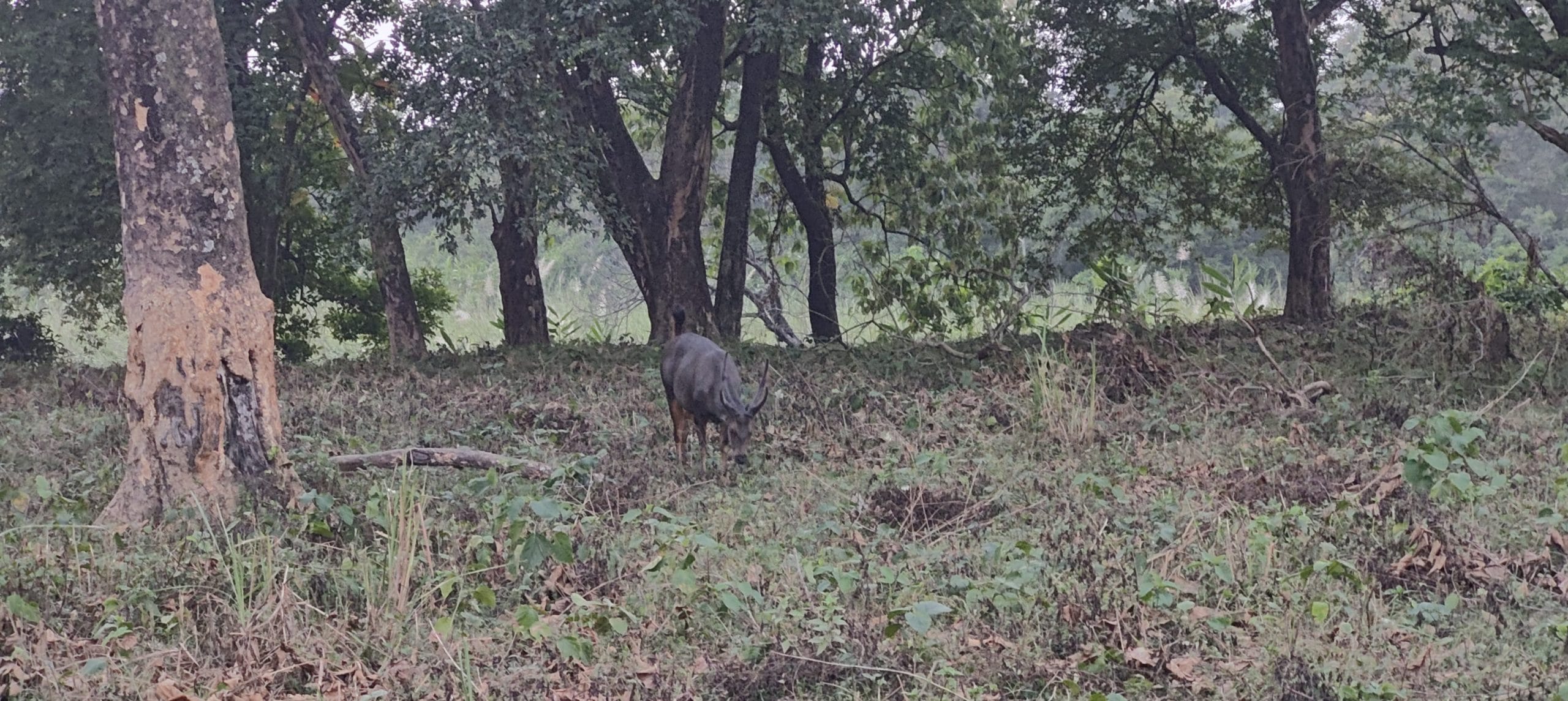
Kallan Gope, who is a resident of a nearby village, said that Jaldapara is home to tribal communities that were traditionally dependent on the forest for their survival. Many of these communities—Rabha, Bodo, Munda—traditionally engaged in rhino hunting. But these hunts were never commercial.
“Even though these communities did not encourage hunting on a commercial scale, members from here were used by poachers for their skills,” Gope said.
Before Narjari’s gang took over, another notorious hunter ruled the forests of north Bengal. Sattar Singh was a 52-year-old, 6-foot-tall gang leader who used locally made weapons—guns, knives, and hammers.
Until the day someone sitting in China keeps believing that rhino horns are aphrodisiacs, rhinos in India will keep dying.
—Parveen Kaswan, DFO, Jaldapara
Local residents remember Singh as a thug. He instilled fear among villagers to force them to do his bidding. He left a trail of blood, not just of animals in Jaldapara, but also of anyone who dared go against him.
His death in 2012 ignited a turf war to take over his position. And Narjari grabbed the title. But he was a complete antithesis of Singh. The villagers welcomed this and initially treated him as a messiah.
“These villagers offered their houses for his [Nirjari’s] gang members to stay until they completed their poaching assignments, offered their sons to act as guides, and protected him against the police,” said Nepal Ghosh, a resident of Salkumar, a village near the park.
But in the last two years, his grip over the local villages had weakened.
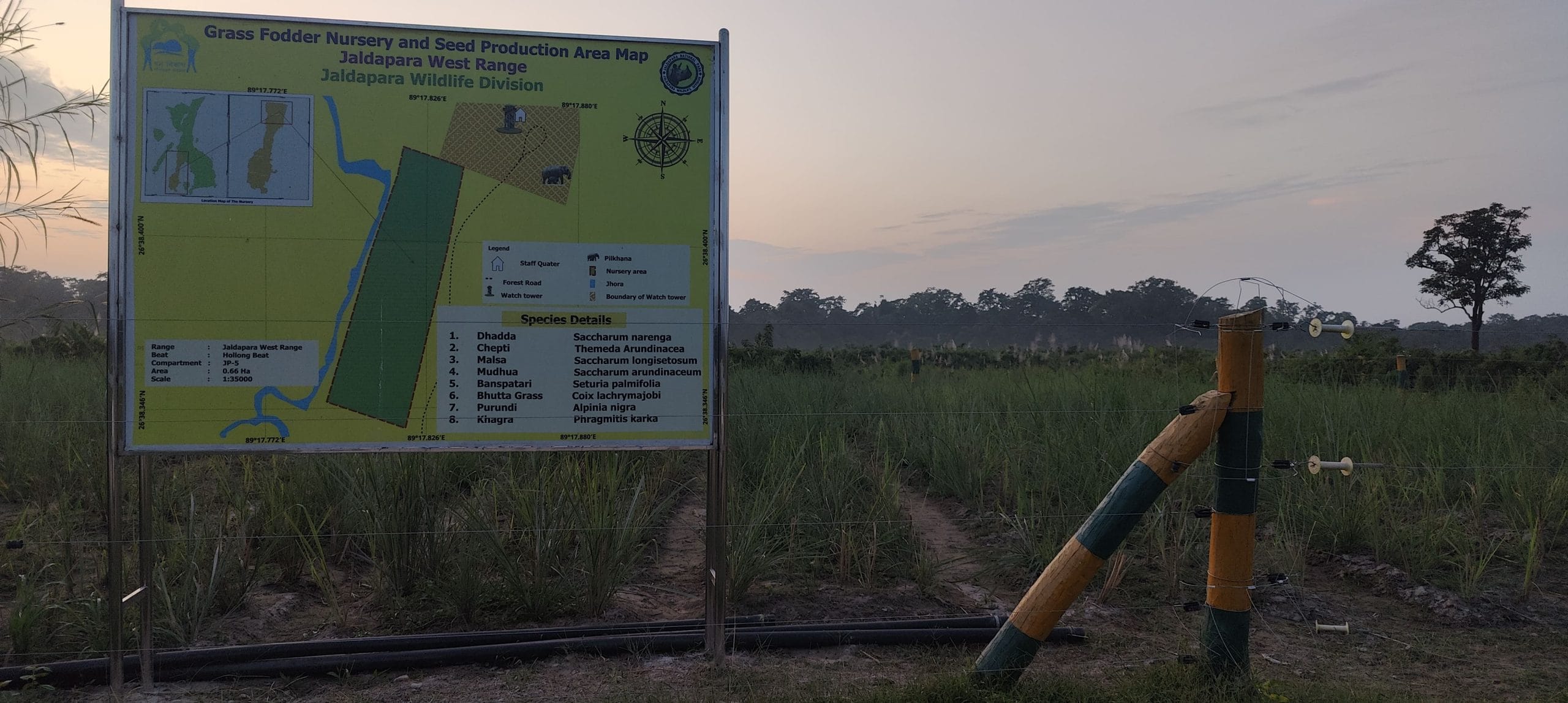
The forest department started an earnest campaign to earn the trust of the new generation. The youth were provided with employment opportunities as guides, drivers, and helpers in the park.
Foresters also aided in village development, building roads and even educating their children. The forest became a livelihood opportunity, and its beneficiaries now wanted to protect it.
“That became the beginning of his downfall. Poaching in this area cannot happen without the support of the villagers,” Ghosh said.
Also read: Military coaching centres are the new UPSC. Small towns preparing for ‘supreme sacrifice’
Rhino horn trade routes
The pressures from the international market are too high to resist. The rhino horn trade has an entrenched network between India, Bangladesh, Myanmar, Bhutan, Nepal, and China. The risk is high, but the reward is sweet.
Issac Salan, a former poacher who had surrendered in 2011, said that a kilogram of rhino horn fetches over a crore in the international market. The demand for these horns usually comes from China, where they are considered an aphrodisiac and used in traditional medicine. Bhutan, Nepal, and Myanmar act as link routes between India and China. These are also the countries with the most active transport networks.
“Rhinos aren’t hunted for fun. Poaching here happens only when there is an order created in the international market. Unlike other animals, rhinos are difficult to hunt, and extracting their horn is also a task,” Salan said.
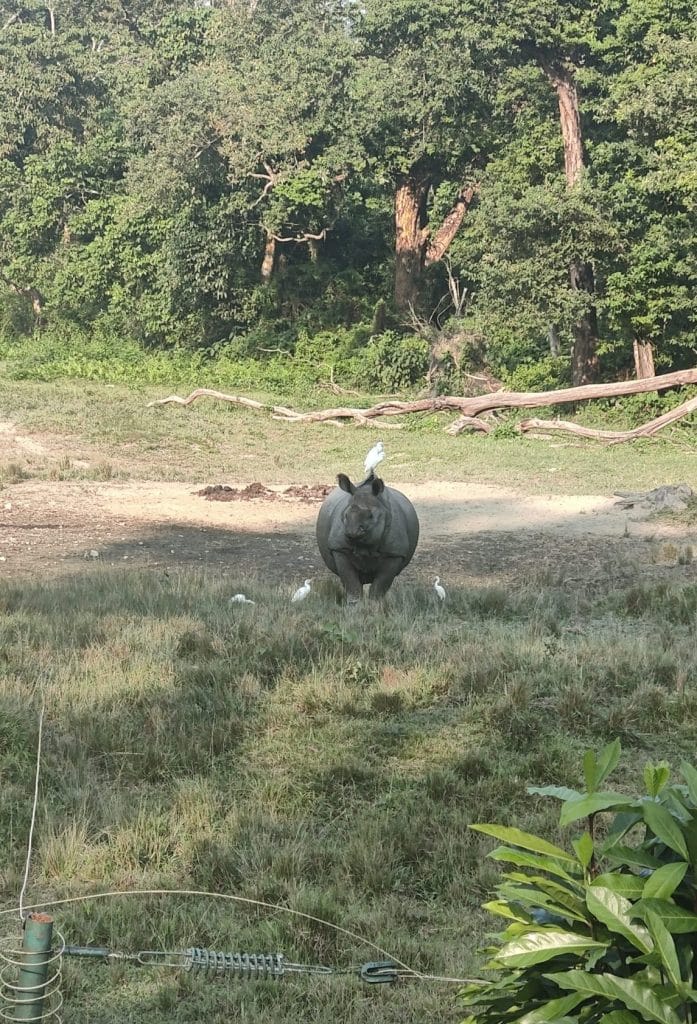
India has one of the largest populations of greater one-horned rhinos in the world. With over 3,000 rhinos, mostly concentrated in Assam, West Bengal, and Uttar Pradesh, India is also a global poaching hotspot.
After India, only Nepal has such a high number of greater one-horned rhinos—about 750.
Jaldapara’s location is its biggest disadvantage. The reserve’s boundaries are not marked, with over 30 villages within and along its borders, which often results in illegal movements inside the park going unnoticed. The reserve’s proximity to international borders also makes it easier for poaching syndicates to escape.
The 2022 global threat assessment report by the Wildlife Justice Commission said that since 2014, “a smuggling route from India into Myanmar and then onwards into Southeast Asia and China appears to be increasing in relevance.”
“While detection rates for rhino horn source locations and ultimate end markets are steadily high, particularly in South Africa, Namibia, India, Nepal, and China, there are generally low detection rates for many key transit locations,” the report read.
Also read: Is Delhi University no longer in demand? Vacant seats, misfit faculty, bloated syllabus
A fresh start
Kaswan’s work in Jaldapara has not gone unnoticed by his peers.
In September, he was awarded the prestigious ‘Wildlife Protection’ category in the Eco Warrior Awards 2025, organised by the Indian Forest Service Association and the Indian Masterminds. The recognition was especially for his work on breaking the rhino horn syndicate operating between India and its neighbouring countries.
“His fearless actions have dismantled international poaching networks and struck significant legal victories in wildlife conservation,” the IFS association said in a statement issued during the award ceremony.
Kaswan has set a national record by securing 17 convictions in wildlife crimes and timber smuggling cases in Jaldapara in just a year.
Kaswan wears the Narjari arrest as a badge of honour, but he knows that his job at Jaldapara is far from over.
“Until the day someone sitting in China keeps believing that rhino horns are aphrodisiacs, rhinos in India will keep dying,” Kaswan said.
He is doing everything in his power to ensure that, under his watch, the animals remain safe.
Maninder Mohanta, range officer at Jaldapara National Park, said that over the last year, the department has stepped up surveillance in and around the park. They are now using drones and GPS systems to track every corner of the park regularly.
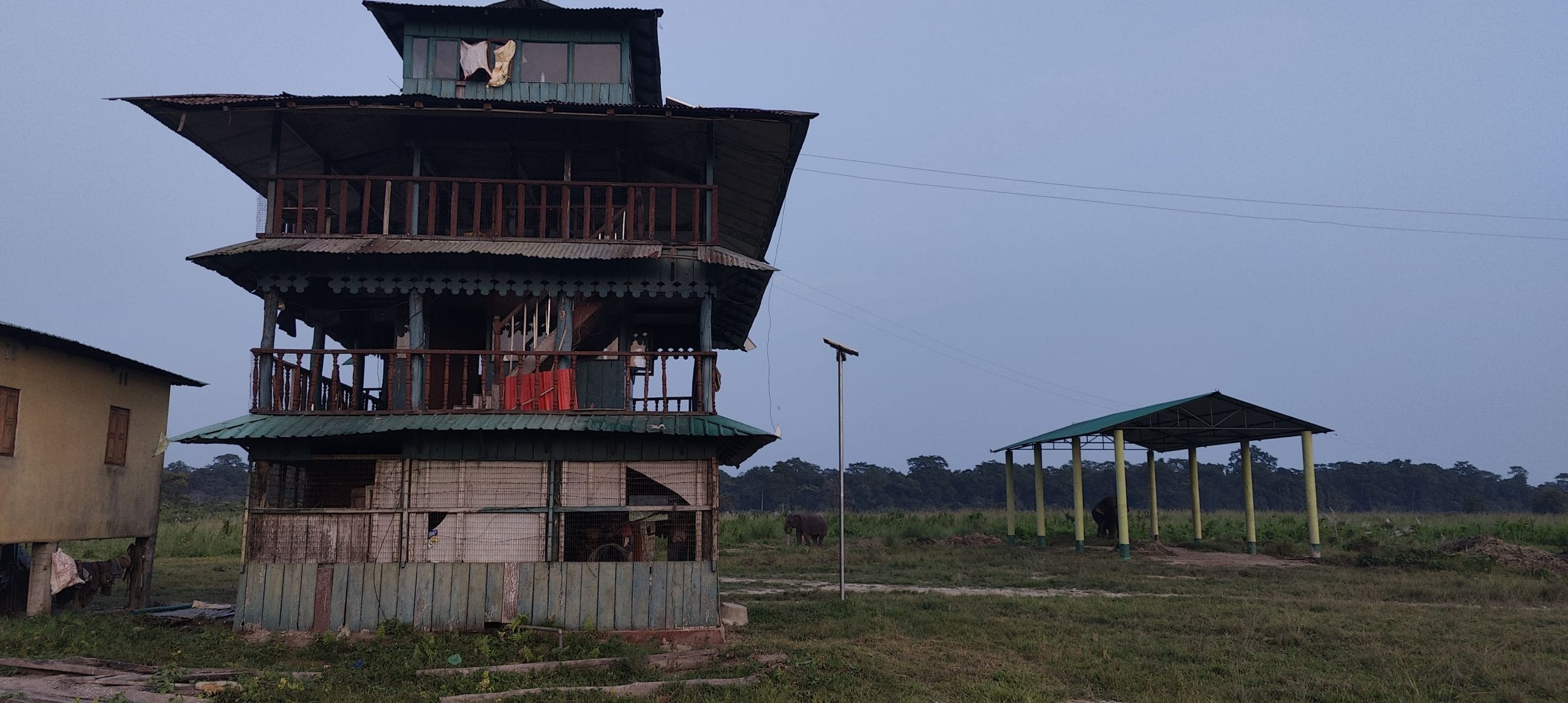
“Every other week, each range officer has to submit a report on the area that has been monitored. Apart from taking help from technology, we continue manual patrols on jeeps and elephants,” Mohanta said.
The impact of such increased surveillance was seen in the 2025 rhino census. Jaldapara National Park recorded 331 rhinos, a number never seen before.
Kaswan is humble enough to credit his entire team and all the officers who have worked in the region before him for this achievement.
“I am happy to be a part of this legacy. In fact, if I am able to add to it, that will be my greatest achievement,” he said. “My strength is that I am not afraid to face any trouble. Until I am here, I will ensure that there isn’t another Rikoch.”
For now, his name on the ‘Wildlife Protection Award’ medallion proudly displays his triumph over one poacher. The wooden plaque in his office has a long list of the names and service dates of officers who have served before him. And Kaswan is yet to log out. For him, that means going after more.
(Edited by Prasanna Bachchhav)
In the era of inshorts, fast news, and only negative news… Sometimes, an article comes along that deserves the 10 mins read only to bring a little smile to your face