





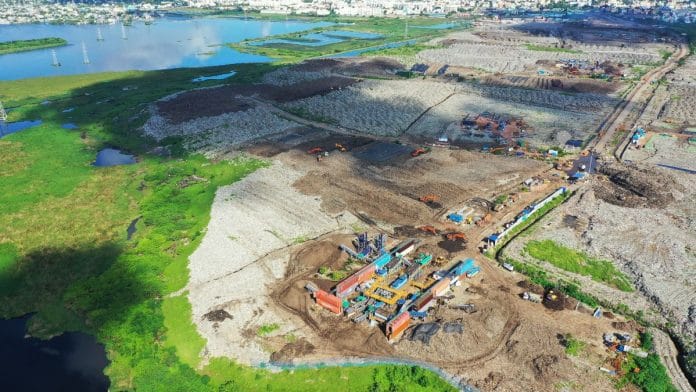



Chennai: The final stretch of Kartik’s daily commute to his family workshop in Perungudi is an obstacle course. He must ride his motorcycle while holding his breath. He will do anything to prevent the sensory assault that rises from the 50-year old garbage mountain spread over 200 acres in southern Chennai.
“While crossing the dumpyard, the smell is the biggest concern from the very beginning. As the day passes, the evening time, it gets more intense. If you travel, you have to shut your mouth…and it is very difficult,” said Kartik.
Perungudi landfill, one of Chennai’s two burial grounds for solid municipal waste, has been in the headlines lately for more than just its foul stench. The Greater Chennai Corporation is reclaiming this land, or part of it, by removing the heaps of trash that have accumulated here for decades. It is now going through the cycle of rebirth, coming out on the other end as furniture, usable sand, road medians, plastic boards, storage pallets, and even alternate fuel.
“Around 3,000 metric tonnes of waste is dumped here every day…to reduce the waste and reclaim the land, which is also in the heart of the city, and to set up a waste processing facility here, was the idea,” said R Kannan, an Assistant Executive Engineer overseeing the project at Perungudi for the Greater Chennai Corporation.
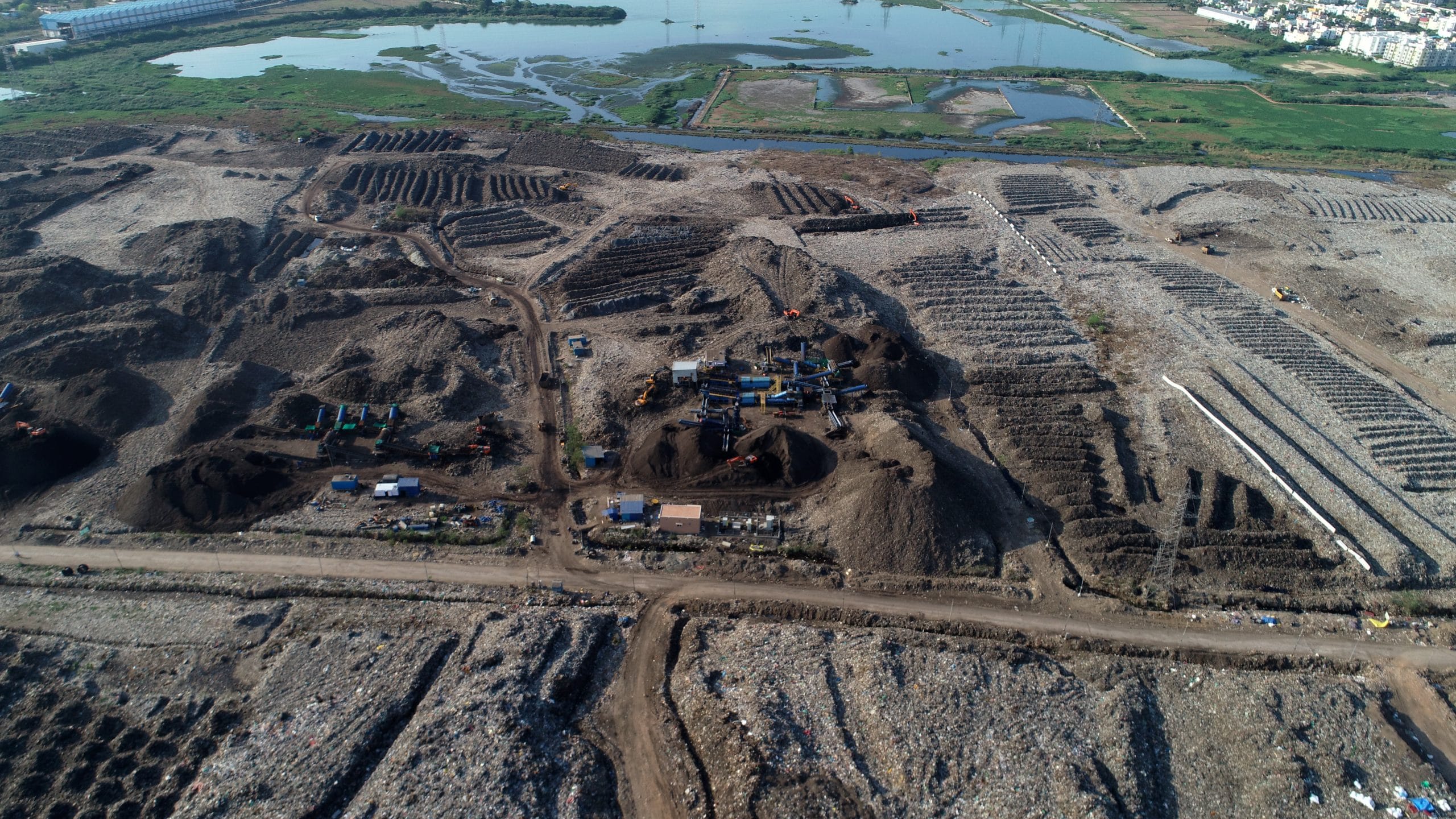
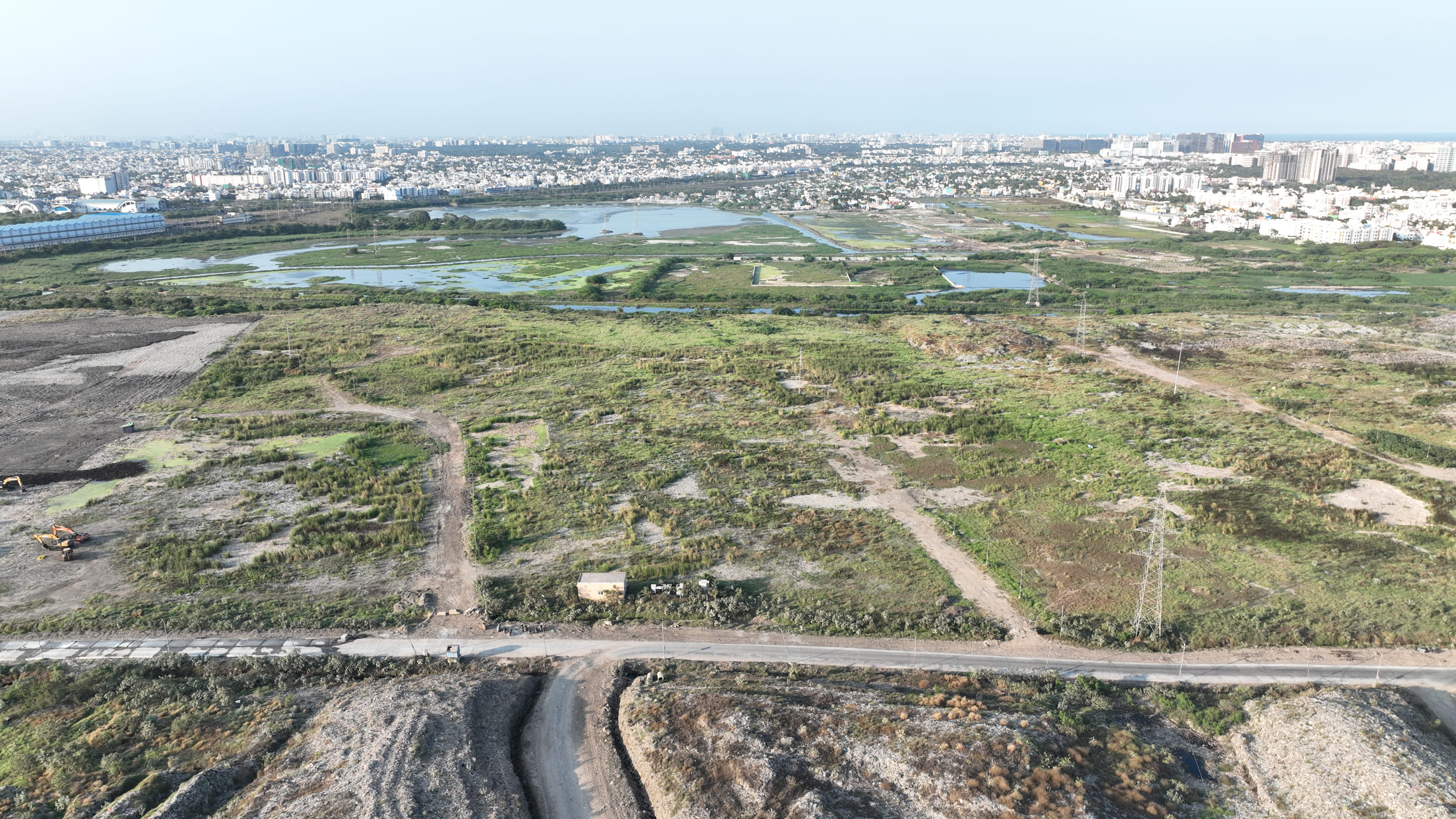
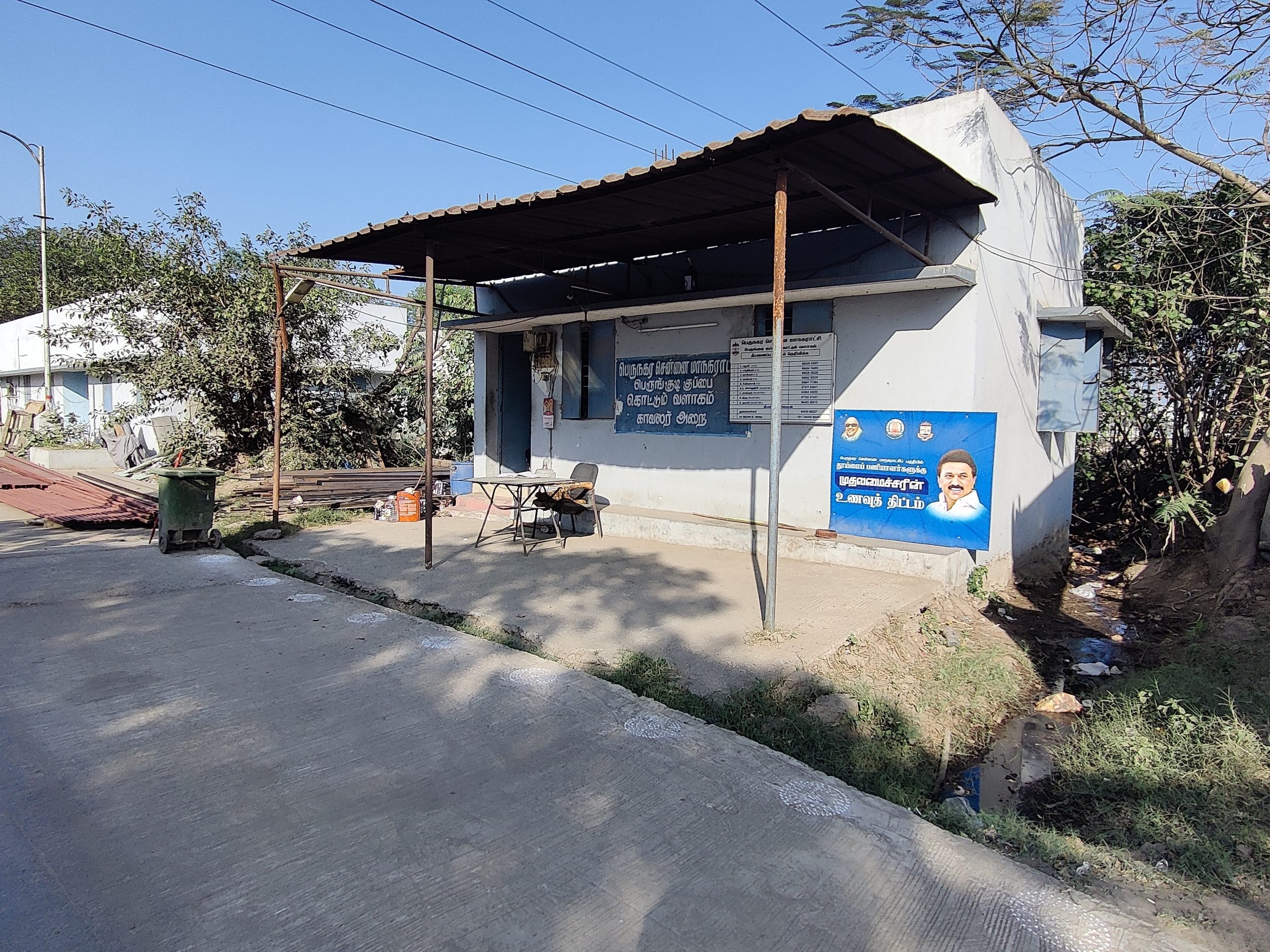
Kartik manages a workshop set up by his brother. They make water jet cutters from scratch. It sits at the edge of the Perungudi landfill. Spread across 250 acres, this fetid expanse has long been a bone of contention between residents, activists and the Greater Chennai Corporation (GCC). The landfill abuts the Pallikarnai Marshland, one of Tamil Nadu’s 20 Ramsar sites, which is home to 101 species of resident and migratory birds.
“When it rains, the stench is unbearable. It gets difficult to work in these conditions,” said Raju, a migrant worker, as he unloads a medical oxygen cylinder from his shoulder onto a mini-truck.
A native of Bihar, Raju works at a warehouse for medical oxygen cylinders, among the last human encampments before heaps of trash take over the topography.
Kartik and Raju aren’t alone. On the other side of the Old Mahabalipuram Road (OMR) is the Chennai One IT SEZ, a daily destination for thousands of IT professionals.
The process to make lives somewhat easier for them, at least aesthetically, has been in the works since 2021, when the reclamation was initiated by the Greater Chennai Corporation (GCC).
In the initial stage of the reclamation, which began in October 2021, the site was divided into six packages. Then came the cleanup and processing undertaken by Singapore-based firm Blue Planet’s Indian subsidiary Zigma Global Environ Solutions.
“About 17,30,584 cubic meters of waste has been processed by Blue Planet’s Zigma in the Perungudi dumpsite,” said Nagesh Prabhu Chinivartha, director, Zigma Global Environ Solutions.
Processed refers to waste that was excavated, segregated and converted into reusable materials.
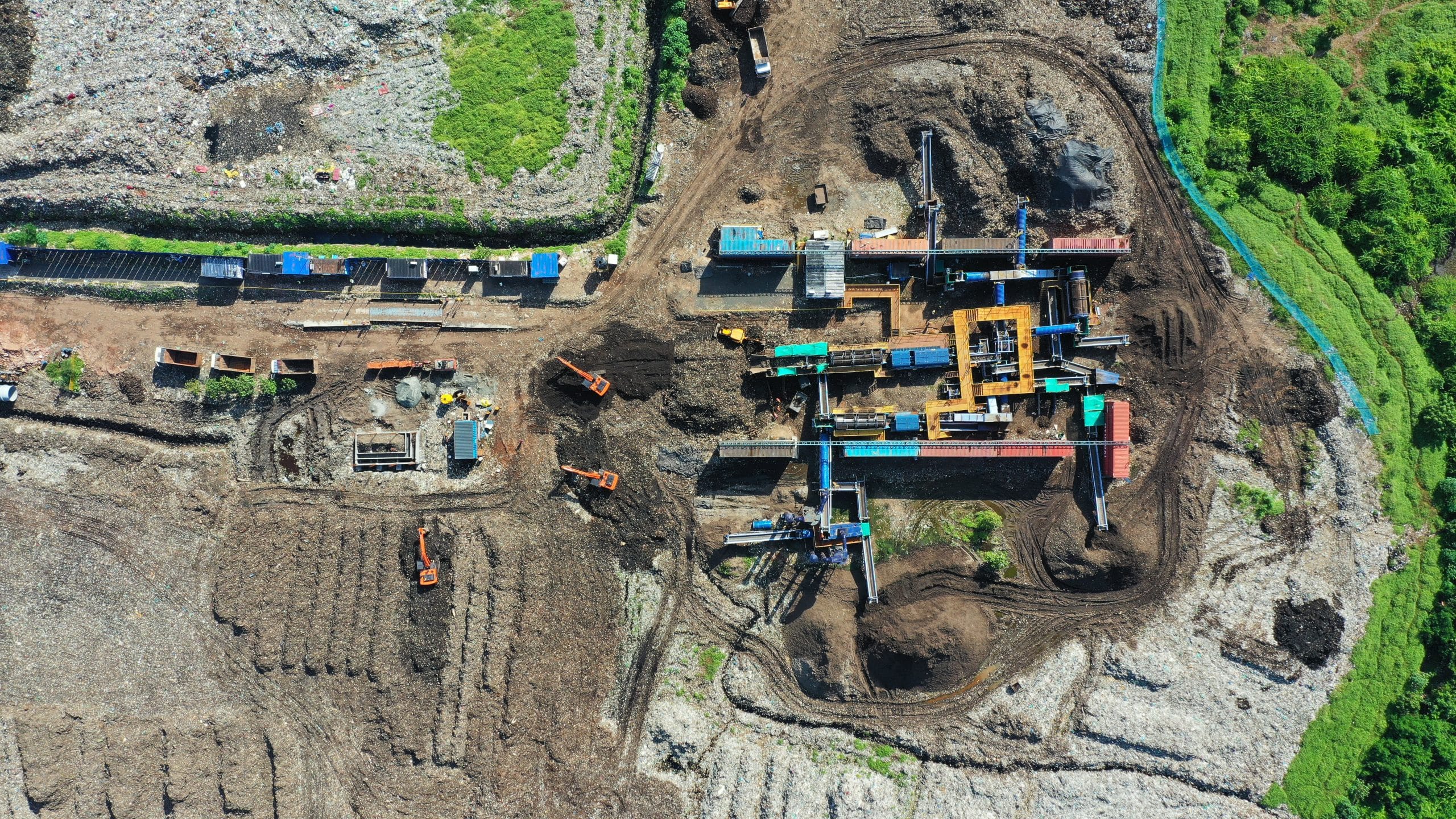
As many as 250 employees were pressed into action to carry out this mammoth task, with nine parallel lines of machinery running in tandem. These included hoppers, belt conveyors, trommels, soil precision separators, tornado separators, disc screen separators, air density separators, overband magnetic separators and shredders.
Also read: Have dustbins inside Himachal’s vehicles helped the waste crisis? It’s a year of Rs 10,000 fine
Filth to furniture
At the heart of the reclamation project is a process called biomining.
“Unlike biocapping, which merely contains the waste, biomining enables land reclamation, resource recovery, and safe disposal of residuals,” said Nagesh, adding that the process involves five stages.
The first step is a pre-feasibility assessment, which involves taking stock of machines and manpower, conducting a cost-benefit analysis, and obtaining permissions from the pollution control board, as well as other local and state authorities. Hydro-geological and ecological characteristics of the site are also assessed in this stage, besides the quantity, physical and chemical composition of the waste—through contour surveys and stratified random sampling.
Then comes the part where waste is excavated using JCBs and loaders. Before that can be done, the waste is stabilised using a bioculture spray, which accelerates decomposition and reduces the odour. It is then arranged in parallel windrows and finally collected using suction pumps and treated.
But before that, preventive measures were taken: Checking for landfill gases and leachate drainage, or identifying and extinguishing subsurface fires.
Once excavated, the waste is segregated to separate materials based on weight, density and magnetic characteristics.
The extracted waste is used for earth-filling, landscaping, plastic roads, and furniture, as long as it clears lab tests, which determine if the waste is hazardous and meets the calorific value, ash, and moisture criteria.
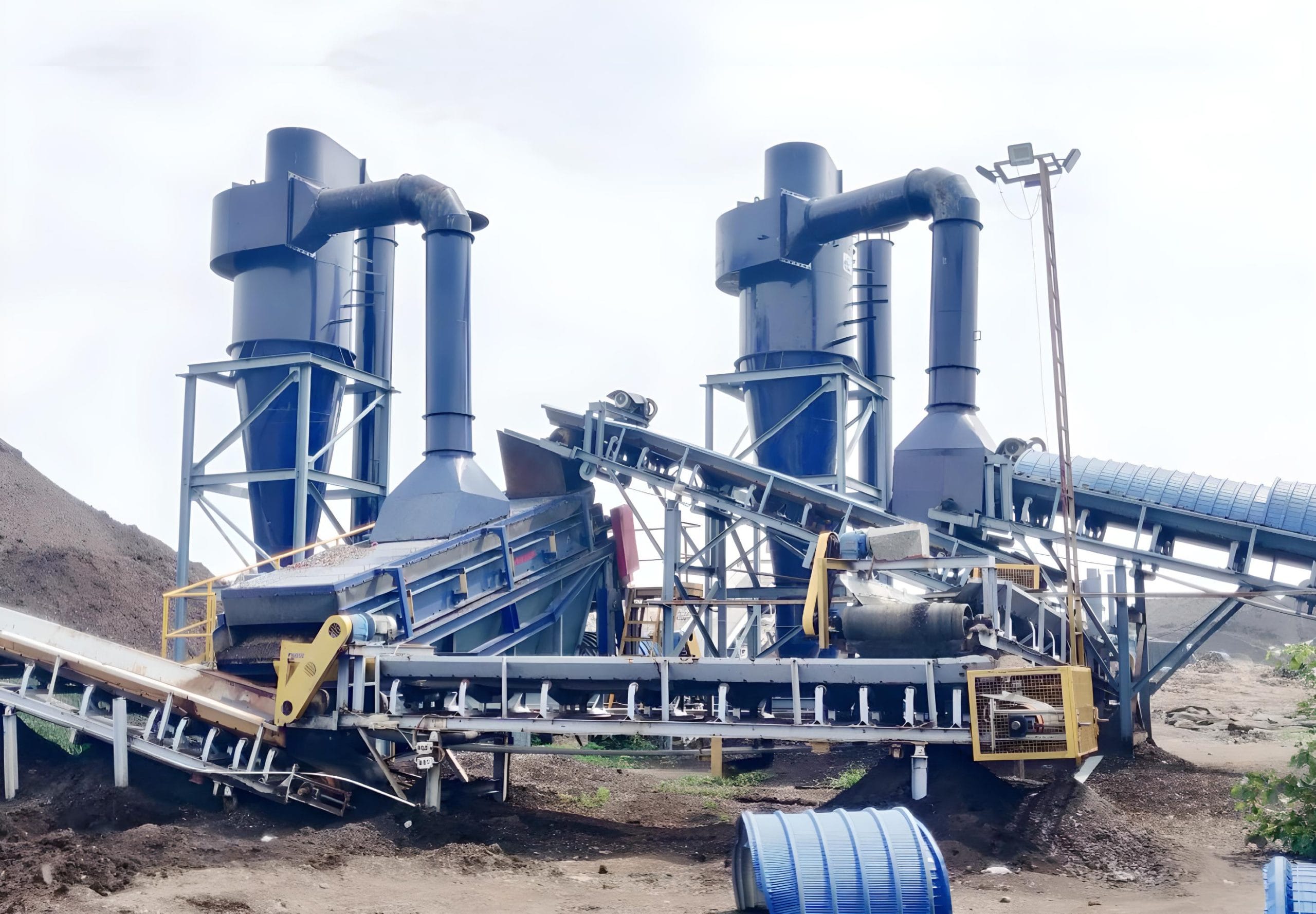
Inert generated from the process is converted into construction-grade usable sand. It is also used to make road medians. The plastic non-recyclable waste is converted into boards and storage pallets.
“From the recovered HDPE (high-density polyethylene), LDPE (low-density polyethylene) and LLDPE (linear low-density polyethylene) post segregation, we have been able to convert the same into furniture using extrusion which matches all the standards in terms of appearance and strength,” Nagesh said, adding that combustible materials recovered from the landfill like plastics, paper, textiles and wood is converted into Refuse Derived Fuel (RDF) and supplied to cement plants as alternate fuel.
“Cement plants often resist accepting SCF (segregated combustible fraction) due to pre-processing costs,” he added.
Greater Chennai Corporation’s Kannan seconded this concern.
“The major part of the disposal is RDF. We have to dispose of it only at cement plants. In Chennai, there are no major cement factories, so we have to transport it to other states, say Karnataka, Kerala,” he told ThePrint.
Also read: An IAS officer brought down Lucknow’s garbage mountains. He’s ‘kalyug ka Hanuman’
Kodungaiyur is next
Kannan said that the ultimate aim is to reclaim the land in Perungudi and set up a central waste processing facility at the site.
Construction of such facilities has already begun.
“Now we only dump fresh waste on 25 acres of earmarked land. We have proposed centralised processing facilities like windrow composting and RDF. Once these are created, segregated waste coming here will be processed daily. There will be no dumping on this land in the future,” said Kannan.
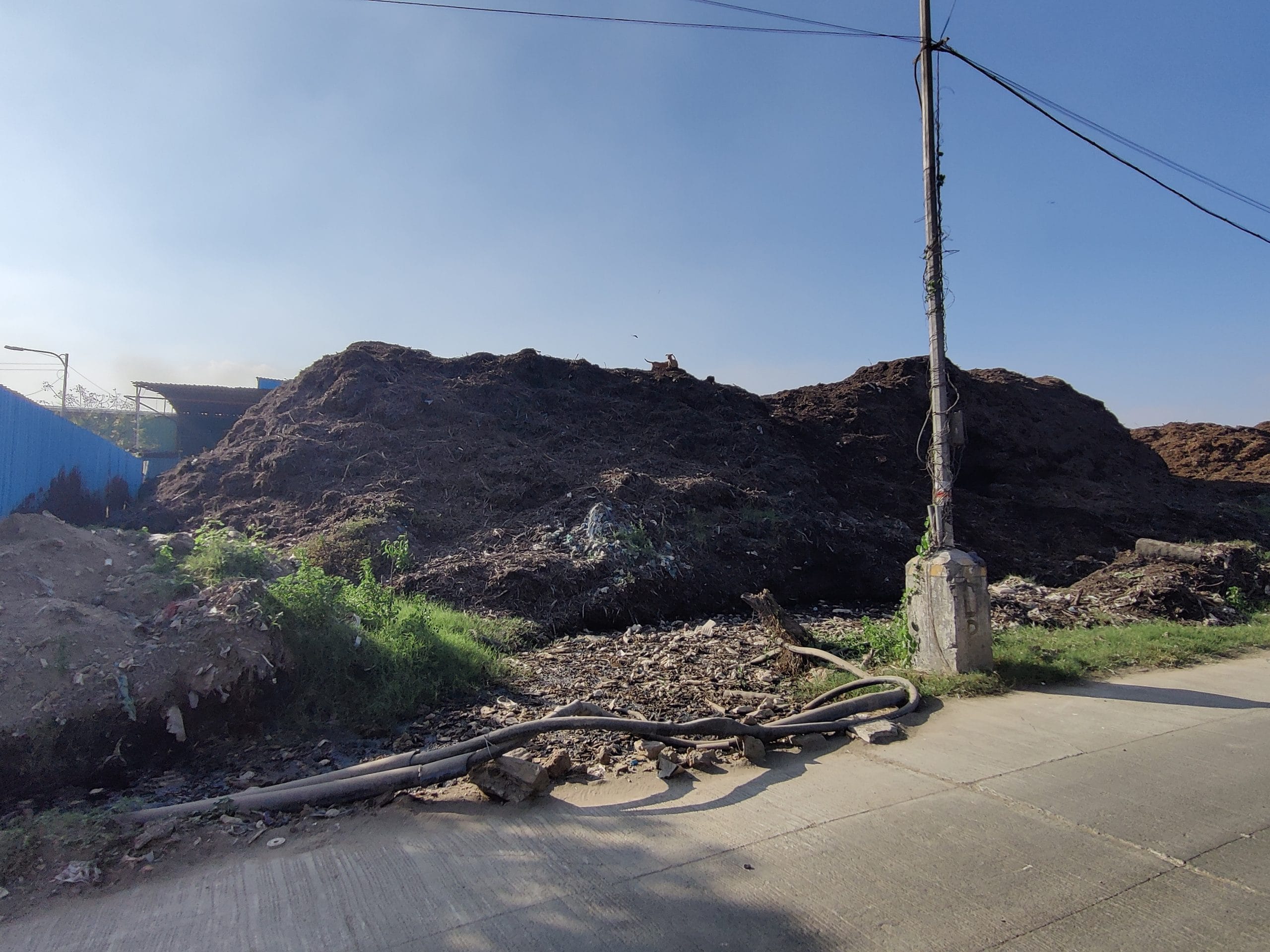
Three of the six packages of the Perungudi reclamation are complete, with the civic body targeting completion of the remaining three by 31 March. Before the site is deemed reclaimed, subsurface testing will be conducted to ensure there are no heavy metals or pollutants remaining at the site.
But the project won’t stop there. Kodungaiyur, Chennai’s other landfill, is next. Zigma is executing four out of the six packages in Kodungaiyur, “wherein a total of approximately 44 lakh tons of waste is required to be processed in two years with an intention to reclaim 156 acres of land.”
“The project [in Kodungaiyur] is progressing very well, and we have already completed processing of 22 lakh tons of waste,” said Nagesh.
In the immediate vicinity of Perungudi, the reclamation has already triggered a fresh wave of construction. A row of shopping outlets is coming up on one side, among them a MINISO store with racks full of air fresheners—sandalwood, floral bliss, fruity bouquet.
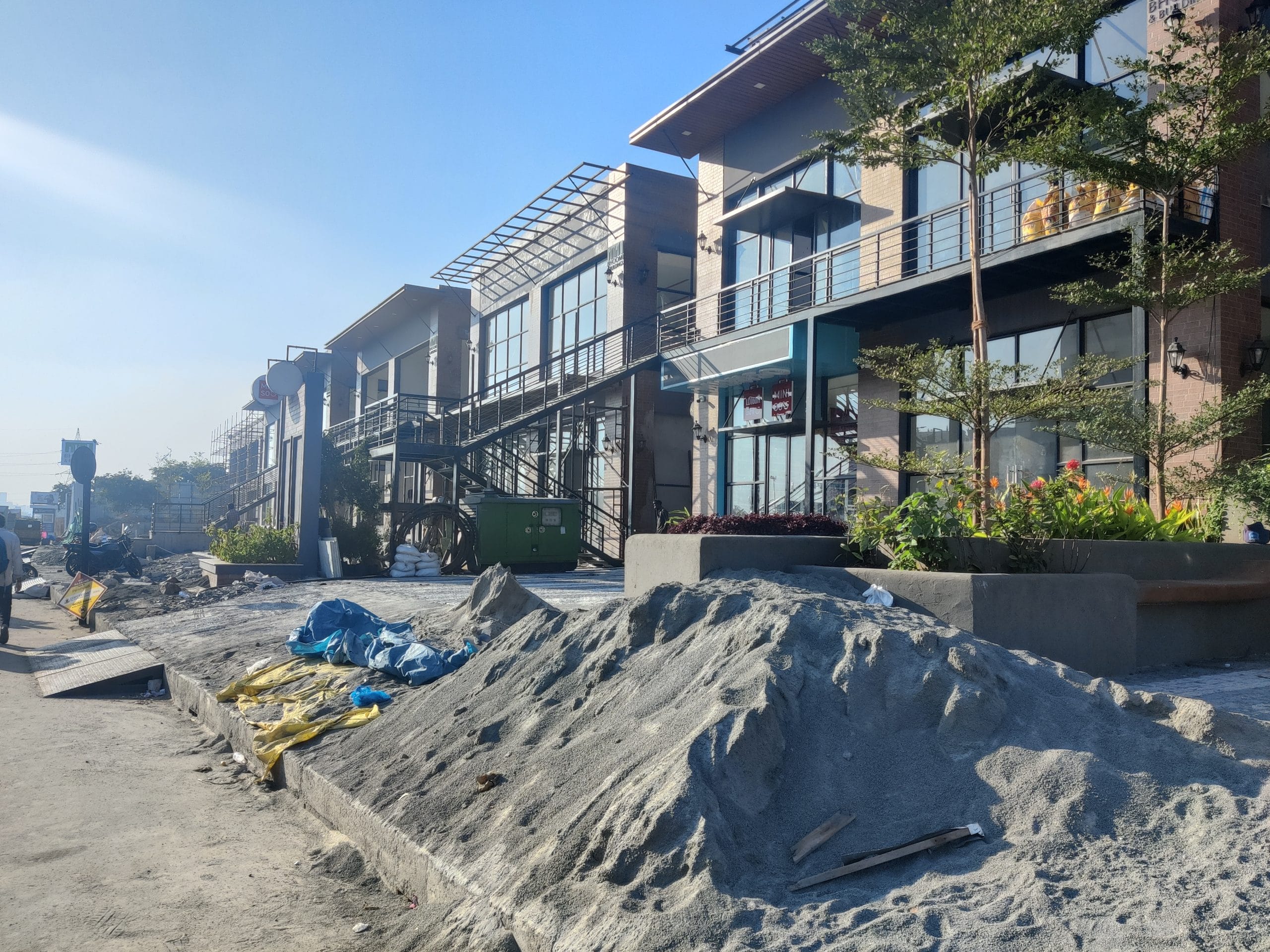
While it’s unclear whether damage done to surrounding areas by decades of decaying trash can ever be fully reversed, the reclamation is a welcome first step.
It’s also good news for the Pallikarnai Marshland. Among Chennai’s few remaining green patches, it also acts as a natural sponge—absorbing, storing, and gradually releasing water during heavy rainfall.
Also read: Gurugram or Kudagram? Elites are furious over the garbage emergency
Saving Pallikaranai marshland
Running parallel to the OMR and the Buckingham Canal, about 20 km from the shoreline at Marina Beach, Pallikaranai is a 1,248-hectare Wetland of International Importance with a catchment of 235 km2.
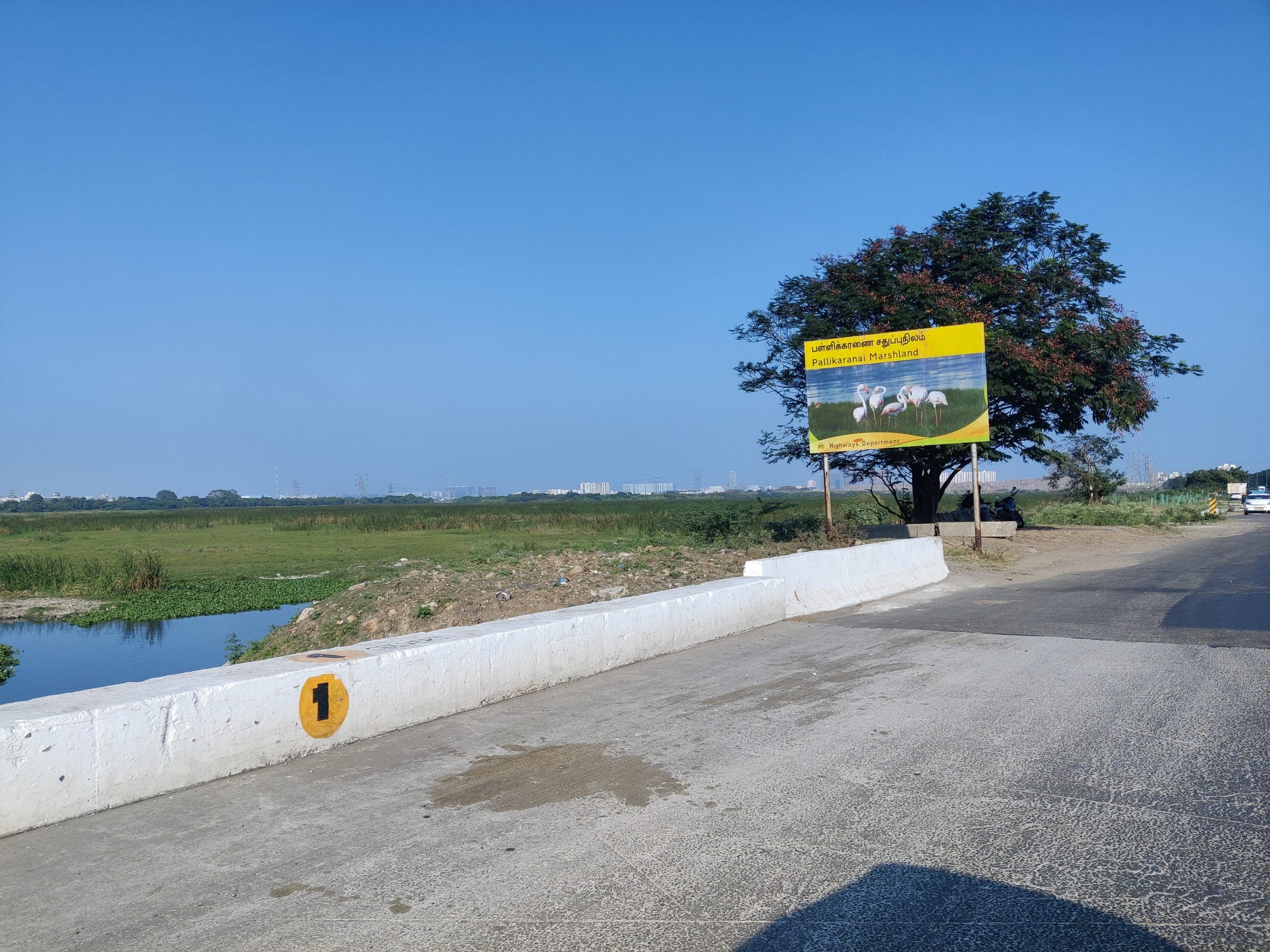
In 2007, the Tamil Nadu government declared part of it as a reserve forest.
According to a 2010 study, it’s home to 76 species of resident and 25 species of migratory birds. Of these, Little Grebe and Black-winged Stilt are the most commonly spotted. Pallikaranai is also home to two Near Threatened bird species, the Spot-billed Pelican and Black-headed Ibis.
The birds are finally getting their homes spring-cleaned, and those working nearby don’t have to hold their noses. But Chennai’s residents will have to swallow a bitter pill each day to keep it that way—segregating their waste at the source so it does not choke Pallikarnai any longer.
(Edited by Theres Sudeep)
Great job.