





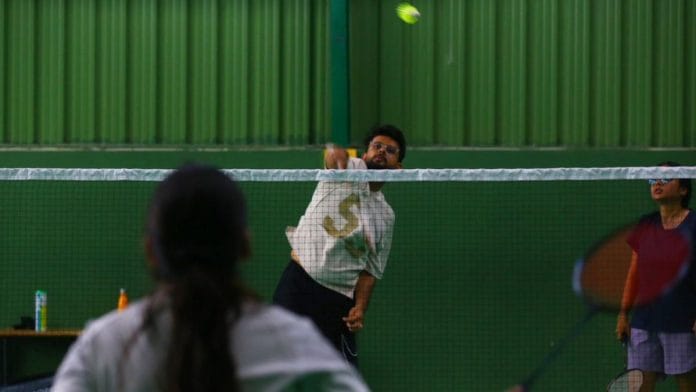



Bengaluru: Vinod Kumar has the perfect antidote to being chained to his desk for hours in his high-pressure finance job at an IT company. Badminton. At 9 am, he rushes to the neighbourhood court he booked 24 hours in advance. He stays for an hour, then heads to work. The tap-smack-thwack of the shuttle is his workout and meditation rolled into one.
Badminton is now Bengaluru’s primary source of feel-good endorphins.
In the city that produced Prakash Padukone, Ashwini Ponnappa, and Arvind Bhat, techies are now carrying the torch. Nearly 1.25 lakh people hit the arenas monthly, a 12-fold increase from five years ago, according to sports booking platform Playo. Securing an hour of play is now a competition of its own, requiring bookings a day in advance. If it’s the weekend, the no-go sign is loud and clear for those who don’t plan ahead.
While pickleball is rising in popularity across the country, Bengaluru is still fiercely loyal to badminton.
“It will take pickleball around 15-20 years to compete with badminton in Bengaluru,” said Arvind Bhat, 2008 national champion badminton player and a pillar of Karnataka’s badminton legacy.
Courts have multiplied in recent years. The number is as high as 10,000, including courts in residential societies, according to RN Suraj, a former international badminton player and coach. In 2018, it was reportedly 4,000. New residential developments unfailingly promise a badminton court in their brochures.
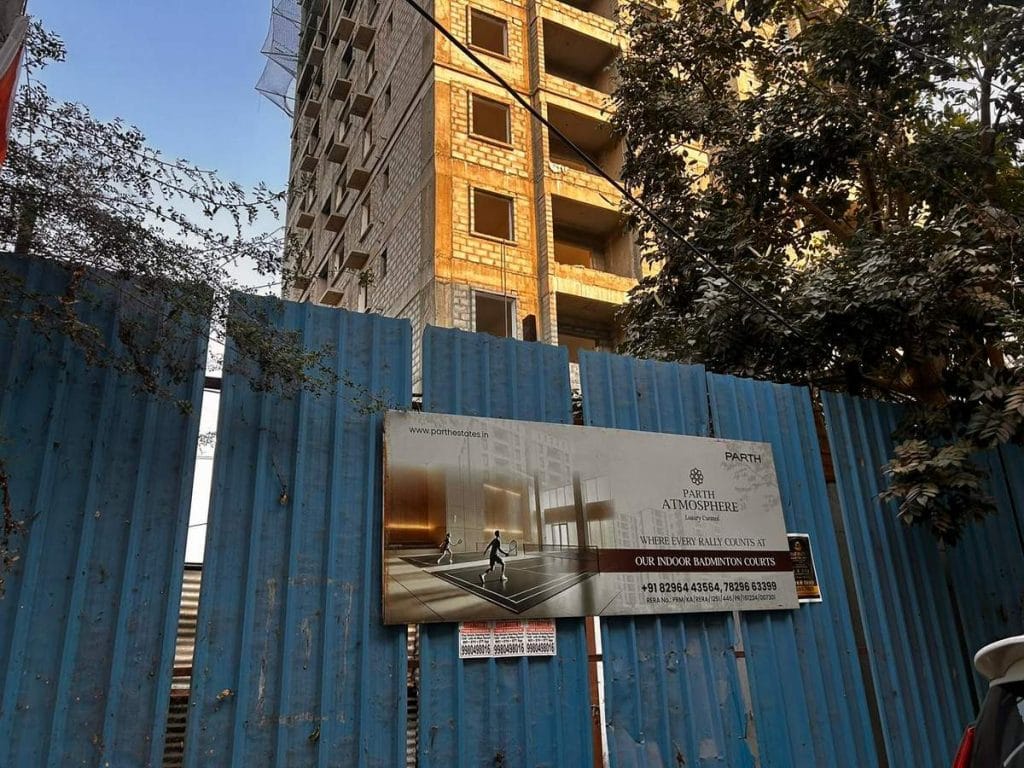
The badminton boom is part of the Bengaluru boom. As the city expanded with tech parks and gated communities, the sport found its moment. It fits the city’s tempo and its young tech workforce. The infrastructure already existed, there was no steep learning curve, there was space to build. It also coincided with India’s Olympic successes in badminton over the last decade, giving the sport an aspirational edge.
“You can play badminton at five in the morning or even at one at night. That flexibility makes it a gem of a sport in an urban social atmosphere. Bengaluru—with its available land, spread-out layout, and a culture that is open, tolerant, and willing to try new things—became the perfect city for badminton to grow,” added Bhat.
Also Read: ‘Goal Machine’ Anushka Kumari, 14, was taunted, stopped. Now she’s India’s rising football star
Code meets court
It is fitting that in Bengaluru, an app became the fulcrum of the badminton rush.
A decade ago, playing badminton in the city was a fragmented experience. It meant having a club membership or walking into an arena with fingers crossed. Finding a partner could be a challenge.
Then came Playo. Launched in 2015 by sports enthusiast Gauravjeet Singh, the app arrived at the right moment. He describes it as a “one-stack ecosystem” for sports participation — a single platform to book courts, host matches, find coaches, hire equipment, and connect with playing partners. While it operates across multiple sports and cities, badminton is where much of the action is in Bengaluru.
We’ve seen Bengaluru go from a handful of badminton venues to thousands. People now approach us saying, ‘I have land, I have capital—can you help me set up a sports venue?
-Gauravjeet Singh, co-founder of Playo
“Playo gave sports arenas visibility and fills courts consistently. That’s a big part of why badminton has grown commercially here,” said Priyanshu Agarwal, founder of AIKA badminton academy in Kasavanahalli.
The interface lists amenities, photos, and rules of arenas across the city, allowing users to compare and book in minutes. What has not changed is that last-minute availability remains rare.
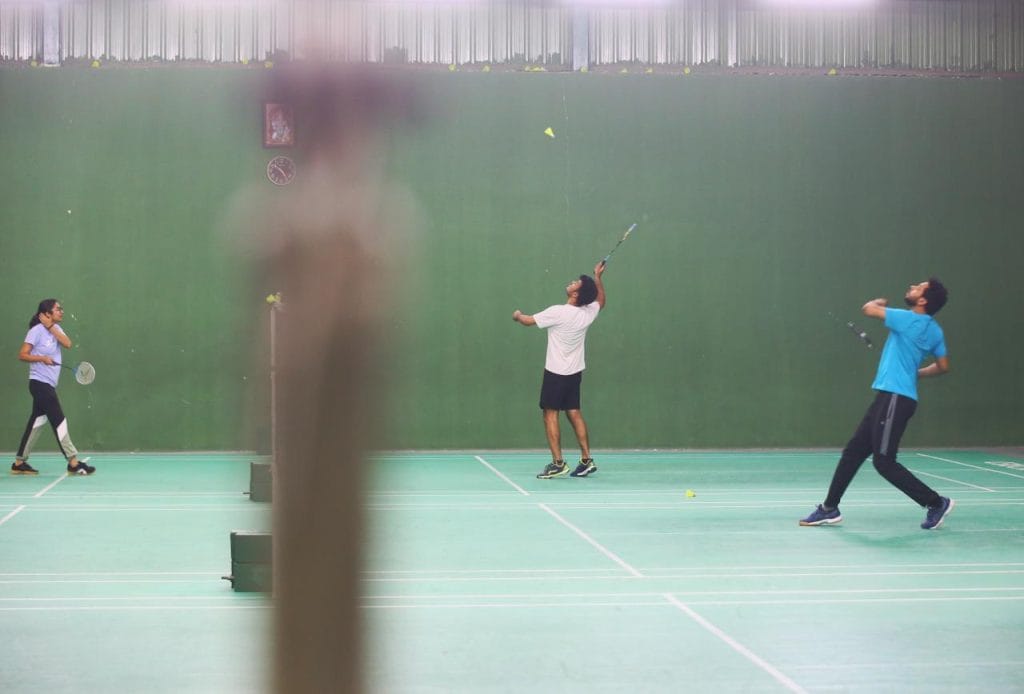
Today, the app has around five million registered users globally, with 25 per cent from Karnataka alone. In Bengaluru, over five lakh people engage with badminton through Playo each month. Currently, 500 badminton arenas are listed on the app, with around 2,200 courts between them. Rates begin at around Rs 199 per hour on weekdays and Rs 250 on weekends.
For many players, Playo is as much a fixture on their phone as Instagram or X. It doubles as a social platform with options to join games, meet players, and “find your play tribe”.
“We wanted to bring sustainable fitness, where there are smiles and joy while playing instead of sulking on a treadmill,” founder Singh told ThePrint.
Shuttlecock economy
Behind the app-based efficiency is a brick-and-mortar gold mine. Two years ago, former national-level badminton players Priyanshu Agarwal and RN Savita opened AIKA Badminton Academy in Kasavanahalli.
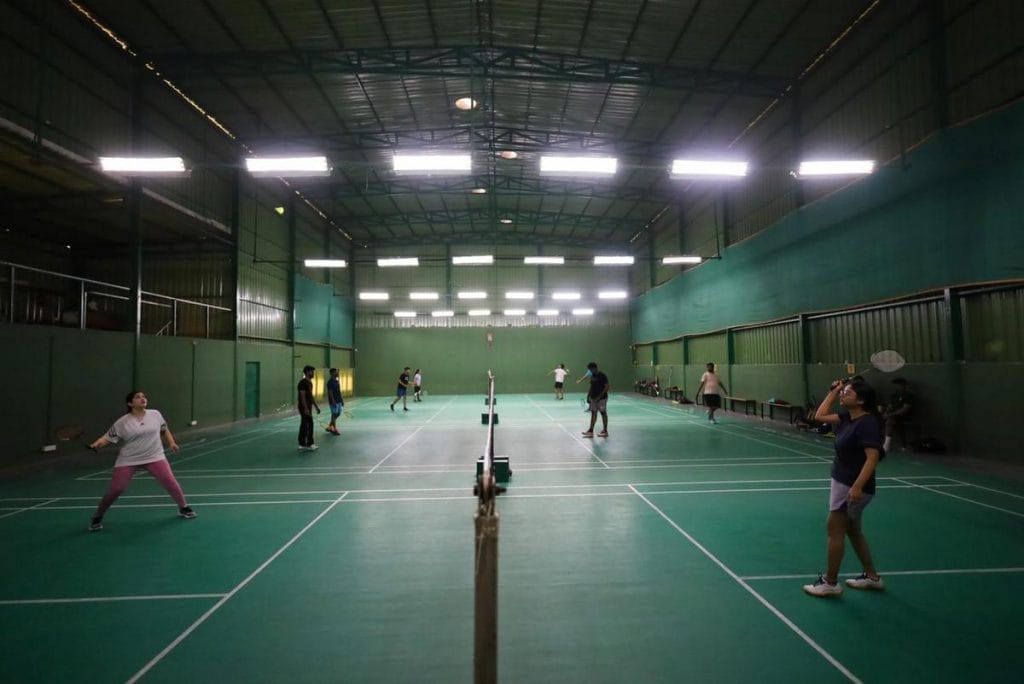
They run four courts inside a warehouse-like structure with metal walls. Agarwal coaches, while Savita manages operations and handles fitness training. They are confident they will repay their debt of around Rs 1 crore within the next three years.
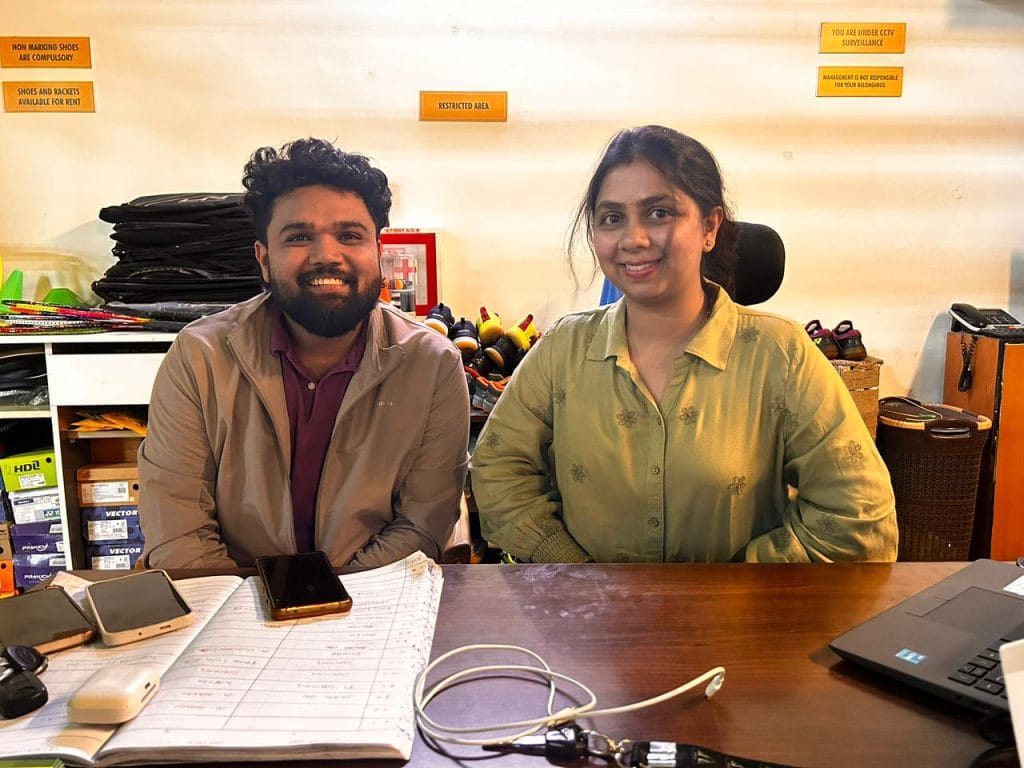
At 2pm on a Sunday, 27-year-old Savita flipped through a thick register of bookings — names, time slots, court numbers — ahead of the evening rush hour. On weekends, they are often booked until 1 am, while on weekdays the lights stay on until 11 pm.
“There have been days when we have to ask the players to leave,” she said.
Before starting his academy, Agarwal trained at several centres across the country. He saw the demand building in Bengaluru and recognised the business potential. He and Savita earn through coaching fees and renting the court, along with shoes, shuttles, and rackets.
“Badminton is a profit-making business in Bengaluru. You can recover investment in three to four years,” said Agarwal. Though he declined to comment on monthly revenues, he said they have been able to fulfil half their loan already.
A Rs 1 crore badminton facility with two to three courts can generate annual returns of 15 to 18 per cent. In about five years, investors can recover their principal. That makes it a sustainable and attractive model
-Ankit Nagori, entrepreneur and founder of Simply Sport Foundation
In Whitefield, former badminton player and coach Vijay Kumar runs a similar coaching centre. As IT parks and apartment complexes mushroomed in the area, he correctly anticipated a steady demand for courts. In the seven years since he began operations, Kumar said he has rarely seen the arena empty.
Building sports arenas, and the tech that powers them, has become serious business. Even Playo has received queries from people keen to open sports venues.
“We’ve seen Bengaluru go from a handful of badminton venues to thousands. People now approach us saying, ‘I have land, I have capital—can you help me set up a sports venue?” Singh said.
Last year, the scale of this ‘shuttlecock economy’ entered a bigger league when Bengaluru-based sportstech startup Machaxi raised $1.5 million in a funding round led by Zerodha’s Rainmatter, with participation from Prakash Padukone. The startup is building a nationwide framework for AI-powered badminton coaching through its “Machaxi x Padukone School of Badminton” initiative. Its goal is to establish over 1,000 coaching centres across India within the next four years.
Bengaluru’s fitness-conscious workforce and corporate culture make it uniquely positioned for sports ventures, said entrepreneur and investor Ankit Nagori, founder of cloud kitchen startup Curefoods and Simply Sport Foundation, dedicated to improving India’s grassroots sports training. A badminton player himself, Nagori has also invested in Machaxi.
“A Rs 1 crore badminton facility with two to three courts can generate annual returns of 15 to 18 per cent. In about five years, investors can recover their principal. That makes it a sustainable and attractive model,” he said.
India’s badminton capital
Bengaluru’s connection with badminton was cemented in 1980, when ace Prakash Padukone rose to World No 1 and placed the city firmly on the international map. Two decades later, Pullela Gopichand’s 2001 All England title reinforced southern India’s grip on the sport. Hyderabad and Bengaluru became twin hubs for badminton training.
But for decades, the sport was an exclusionary affair. It thrived within the walled gardens of elite institutions such as the Bowring Institute, Century Club, and Karnataka State Cricket Association (KSCA). Membership was a status symbol, and for the average resident, their courts were out of reach.
Over time, however, private sports complexes and government arenas began coming up to meet a growing hunger for the game. This infrastructure boom was supercharged by two women’s historic Olympic success: Saina Nehwal’s bronze at London 2012, followed by PV Sindhu’s silver at Rio 2016 and her bronze at Tokyo 2020. Looking at them thriving, women and children wanted to learn badminton.
Suraj, who has been a coach for eight years, said that as many as 80 per cent of his students are now girls, whereas earlier it was mostly boys.
Insiders say Bengaluru witnessed a badminton renaissance starting in 2016.
“Post-2016, academies began mushrooming across Bangalore,” said Jayanth Kolla, an AI expert and strategy consultant who moved to the city in 2012. “Landowners who might otherwise have built apartments or malls started setting up badminton arenas instead.” His daughter, Siyona Kolla, is a competitive badminton player.
We started seeing international players and coaches coming in, like Arvind Bhat and Anup Sridhar. Elite players from across the country began training and coaching here because the facilities and ecosystem were strong
-Jayanth Kolla, whose daughter Siyona competes internationally in badminton
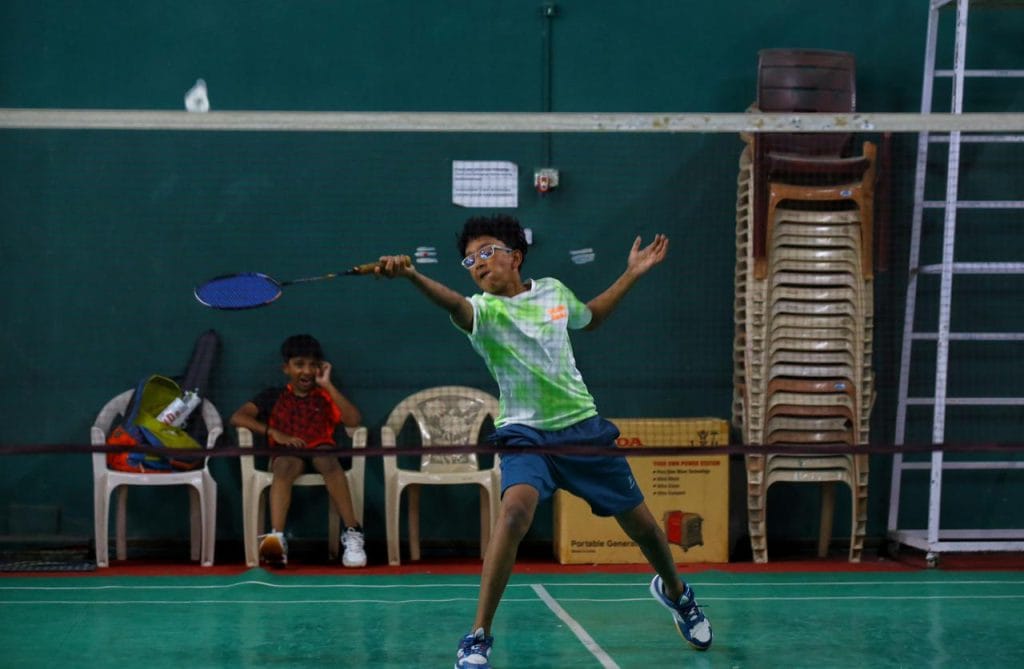
The growth was not confined to the tech middle class. Government infrastructure expanded too, with Bruhat Bengaluru Mahanagara Palike (BBMP) sports complexes converted into badminton facilities. Children took up the sport in large numbers, and many have aspirations to become professional players. An entire subculture has sprouted around it.
On a Monday afternoon, Kolla and his wife sat outside a court waiting for their daughter, Siyona, to finish training. There was little small talk. The conversation was about footwork, stamina, and the next match.
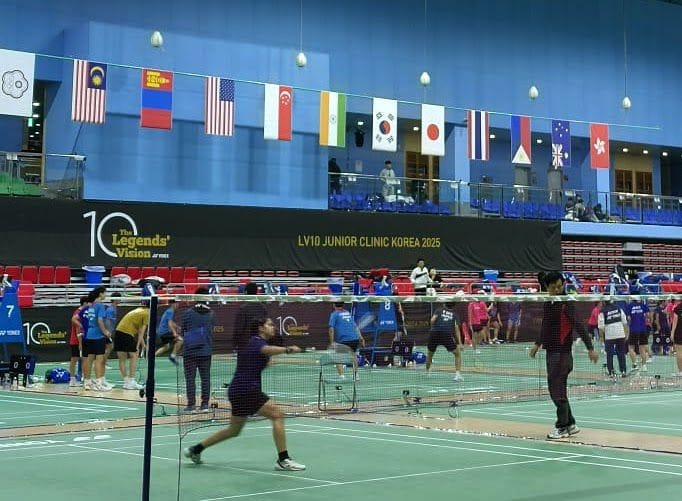
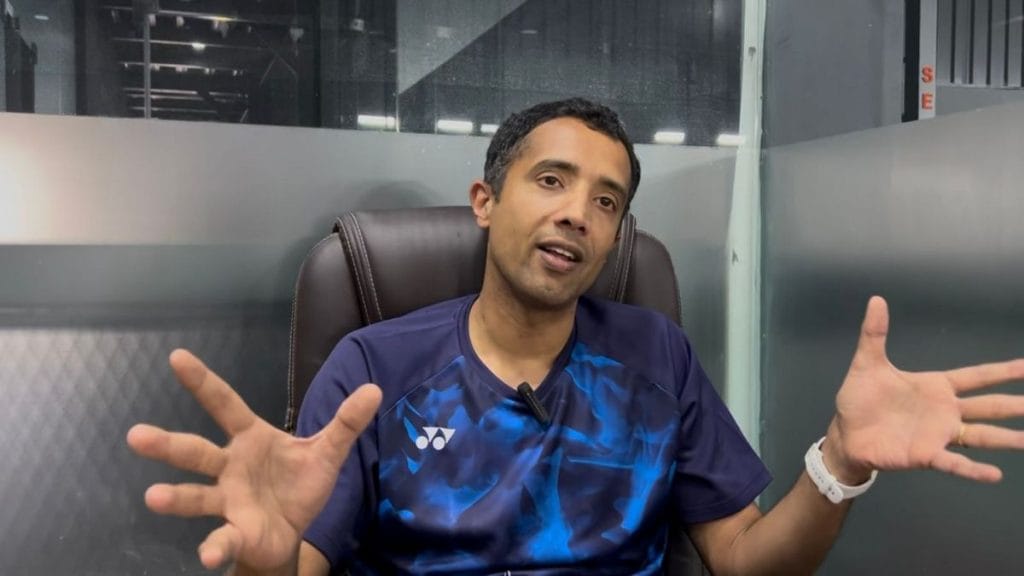
For the 15-year-old, badminton is “therapy” and a serious career ambition. She has participated in multiple junior international tournaments, reaching the quarter-finals of the BWF Turkish International Junior Tournament and the BWF Sri Lankan International Junior Tournament. She ended her first year of international competition in 2025 with a world rank of 123.
“It’s a beautiful sport with endless variations, where you’re never doing the same thing twice. Unlike sports that overwork one part of the body, badminton demands everything, and that balance is what makes it so enjoyable and addictive,” she said, packing her bag.
The city is now a destination for thousands of badminton aspirants. Agarwal came to Bengaluru a decade ago from Bihar to pursue the sport. In Patna, he said, he had access to only one court. In Bengaluru, he was spoiled for choice.
“We started seeing international players and coaches coming in, like Arvind Bhat and Anup Sridhar. Elite players from across the country began training and coaching here because the facilities and ecosystem were strong,” Kolla said.
RN Suraj, a coach and former international badminton player, said he has trained more than 100 children at a time, often with more waiting for slots. And amateurs are taking it up for a workout that’s social and avoids monotony.
“Gen Z is very health conscious, which is perhaps another reason the sport picked up,” Suraj added.
A doorstep hobby
It was a special Sunday at the AIKA academy for 10-year-old Lakshana M — a face-off on the court with her uncle Muthubalan, a software engineer. While she trains at the academy, he plays regularly in his Whitefield neighbourhood. The post-lunch game was about the “adrenaline rush” for her, and cardio for him.
By evening, all four courts were full. Players waited in queue for their turn. Time’s up means time’s up. There is no spillover. The players waiting in the wings grow restless—in a city where bookings are still in short supply, every minute of court time is precious.
But convenience comes in other forms. There’s always a court nearby, which means not having to brave the infamous Bengaluru traffic to squeeze in a game. Many arenas have come up in densely populated residential areas, particularly in sectors where there are IT companies. Badminton has become a hobby that’s right at the doorstep.
It is also edging out the usual Bengaluru weekend ritual of pub-hopping for some. For IT workers Aditya Tamse, Gaurav Bhaskar, and Mayank Singh, weekdays are for the gym and weekends are for serves and rallies. For the last two months, it’s been their collective stress buster. Singh says it’s also a “networking opportunity”.
The group booked their spot at AIKA on Playo. At least three other arenas within a five-kilometre radius were fully booked.
“When I started two or three months ago, I couldn’t even last two or three games in an hour. Today we are fasting because of Mahashivratri but we played continuously for two hours and still feel fine,” said Tamse proudly.
The techie’s solace
Badminton has become a refuge from stress and a way to make friends for Bengaluru’s techies, many of whom moved here from other cities and states.
Cricket and football need numbers and coordination. Badminton needs two people and an hour. Newer alternatives such as pickleball and Tai Chi are picking up, yet neither has displaced badminton’s grip on the city.
Most people have grown up playing it, and the format suits a high-pressure work culture. It is indoor, competitive, and played in short, energetic bursts. It is also easy to learn and amateurs can keep the rules simple. Shuttle drops, point earned.
Badminton expanded my friend circle beyond age and profession. You’ll find bachelors, married men, IT professionals, people above 50, all playing together. That diversity is beautiful
Vinod Kumar, tech sector worker and badminton enthusiast
“Badminton gives you the edge—small matches, no extra time, and quick win or loss,” said Savita. While Playo has nearly 500 badminton venues listed, there are only 149 for the more gentle pickleball.
Engineer Bhargav Notam, 29, grew up playing badminton on the streets. Now working in Bengaluru’s tech sector, he says the sport helps him cope with urban loneliness. On a midweek evening, after a long workday, he headed to the Old Vivas Badminton Academy in Kadubeesanahalli for a game booked by his former colleague, Lhilo.
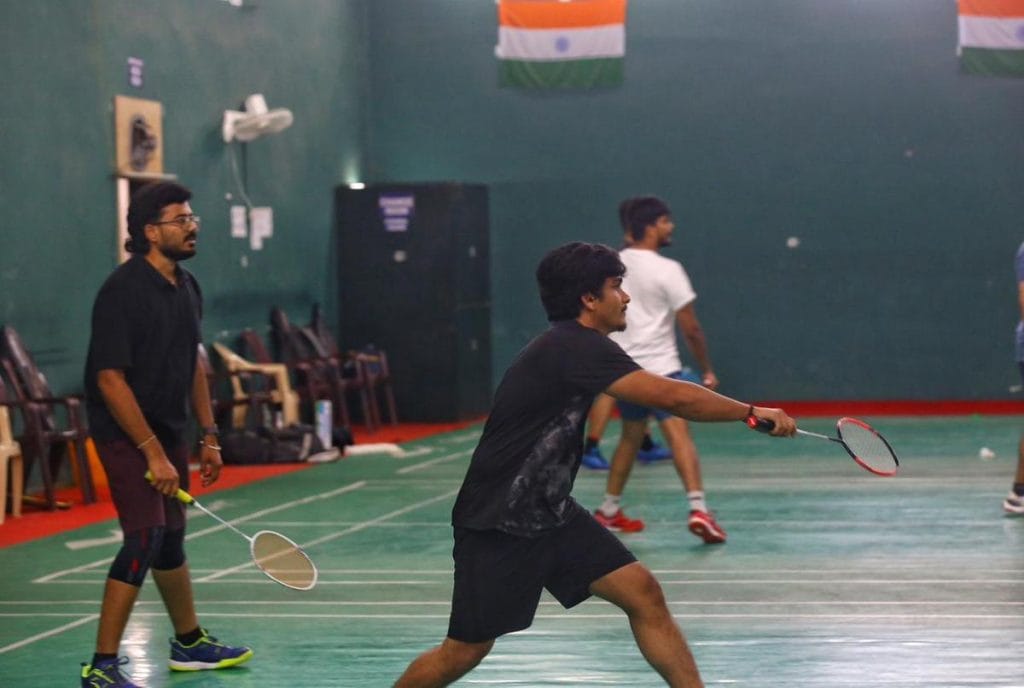
The two had worked in different teams at the same company but became close over badminton. Lhilo, 32, an engineer from Nagaland working with a Korean firm, moved to Bengaluru recently. He began playing a year ago and is now part of two local badminton groups in the area.
“It is a homely sport and does not need that much equipment,” said Notam. “It is better to play badminton than go home and sleep.”
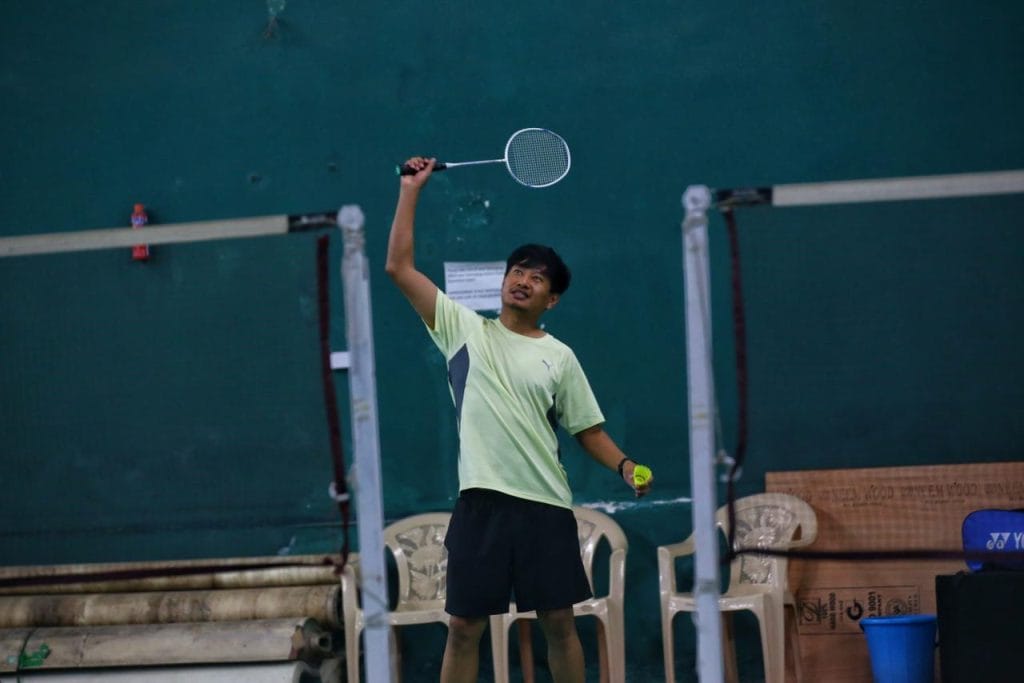
Professional badminton can be expensive, but Lhilo’s Rs 2,000 kit — a pair of Hundred shoes, a racket, and a bag — does the job. Even Notam recently upgraded his gear. When one group is busy, they play with another. Badminton has widened their social circle beyond office corridors.
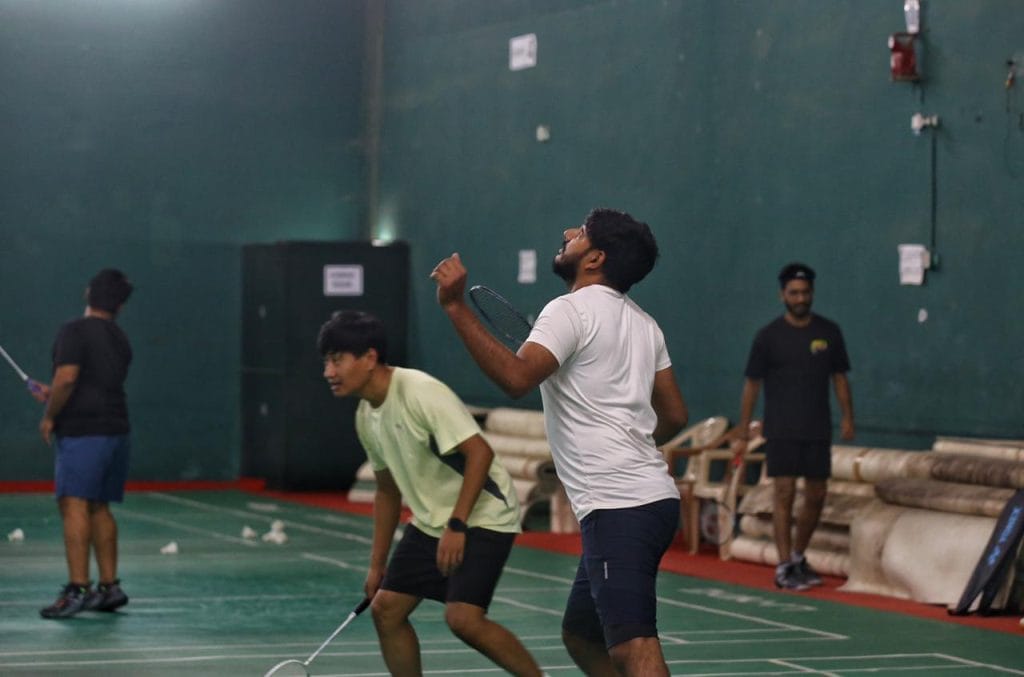
At 7.55 pm, as the match begins, shouts of “Good play!” and “Smash!” ring out as the shuttle hits the synthetic mat laid over teak wood.
The players may not be professionals, but the aggression on court is real. They silence their phones and put their all into the match. There is a visible zeal to win.
“The win is performative, it gives them validation,” said Suraj.
Also Read: Delhi rooftops, schoolyards, farmhouses turning into pickleball courts. A new gold rush
The pricing paradox
Vinod Kumar never quite vibed with the gym. He did not want to lift weights, so he picked up a racket instead. Two years later, he is 20 kg lighter and has a whole new circle of friends.
“I stopped feeling like a beginner over time and started enjoying the rhythm of the sport,” he said. Now, he hosts games with strangers and friends. “Badminton expanded my friend circle beyond age and profession. You’ll find bachelors, married men, IT professionals, people above 50, all playing together. That diversity is beautiful.”
For many families in Bengaluru, badminton has filled a social void. Vinod’s wife, 34-year-old Sindhiya Chandrasekaran, found a tribe of working mothers through the sport. When they’re not rallying, they support each other and celebrate Navratri together.
Around festivals, Vinod and his badminton friends organise local tournaments at AIKA. They crowdfund prize money. He and his wife play couple matches, while their children draw at the edge of the court.
But beneath the camaraderie and chock-a-block courts, a commercial saturation is looming, warn some players. Court bookings are getting cheaper. In 2019, an hour cost Rs 500; today, with so many courts competing for players, that price has dipped to Rs 300.
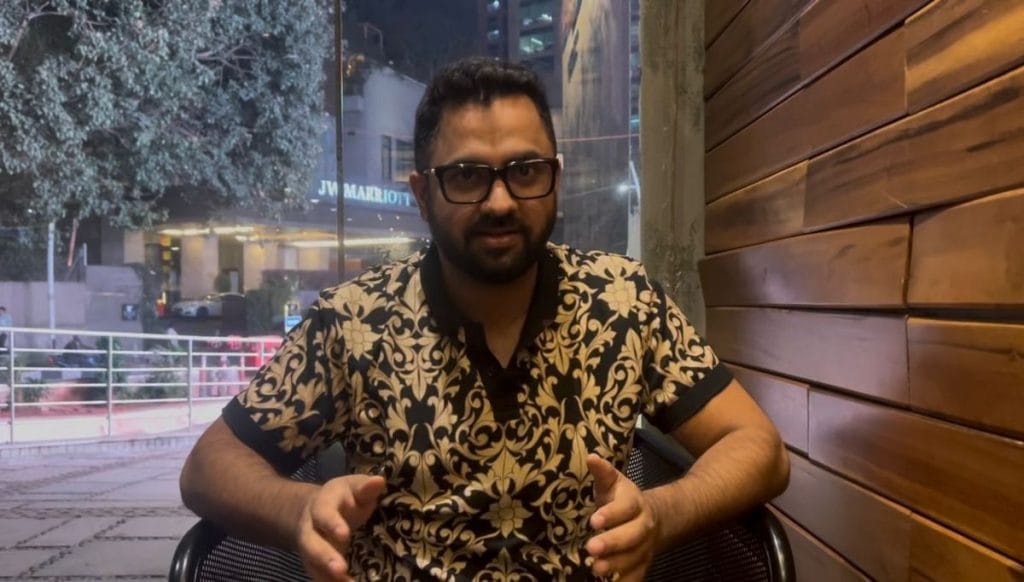
“Coaching has become unregulated — anyone who can pay rent calls themselves a coach, with no background checks, and parents don’t question it either. Inflation is rising, but prices are falling. In the long run, I don’t see this being sustainable,” said Suraj, who has played badminton for 25 years.
But Agarwal insists badminton isn’t a “one-time trend”. Lower prices, he argued, will be offset by rising participation.
“You don’t have to be rich to come and play daily — that’s the difference from expensive sports like tennis,” he said.
(Edited by Asavari Singh)