





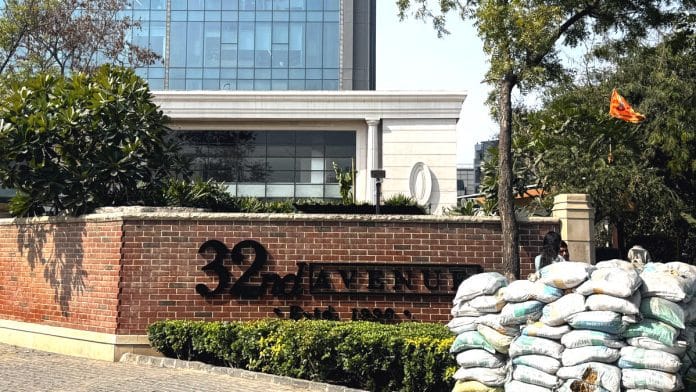



Gurugram: After retiring from his corporate job, G’s life was supposed to be on autopilot. In 2021, he bought a shop at the high-end restaurant hub 32nd Avenue and got Rs 75,000 credited into his account every month under a lease deal with the project developer. For two years, the payments arrived on time. Then the money simply stopped.
Emails to the developer, 32nd Milestone Vistas Pvt Ltd, founded and run by the urbane Gurugram businessman Dhruv Dutt Sharma, went unanswered. Visits to the company’s Sector 15 office yielded only assurances.
“Every time I was told the money would come in a month or two, but it never did,” said G, who’d sunk all his savings into the property and now works as a consultant to support his family. “I wrote to ministers, to administrators and even to Prime Minister Modi. Nothing happened.”
Now, the Pandora’s Box has burst open. Last Friday, Sharma was arrested by the Economic Offences Wing (EOW) of the Gurugram police and remanded to six days in custody. Police allege a Rs 500 crore fraud where Sharma sold the same commercial floor to over 25 different buyers. In addition, investigators say as many as 1,000 investors claim to have been duped through an ‘agreement-resale-leaseback’ pattern.
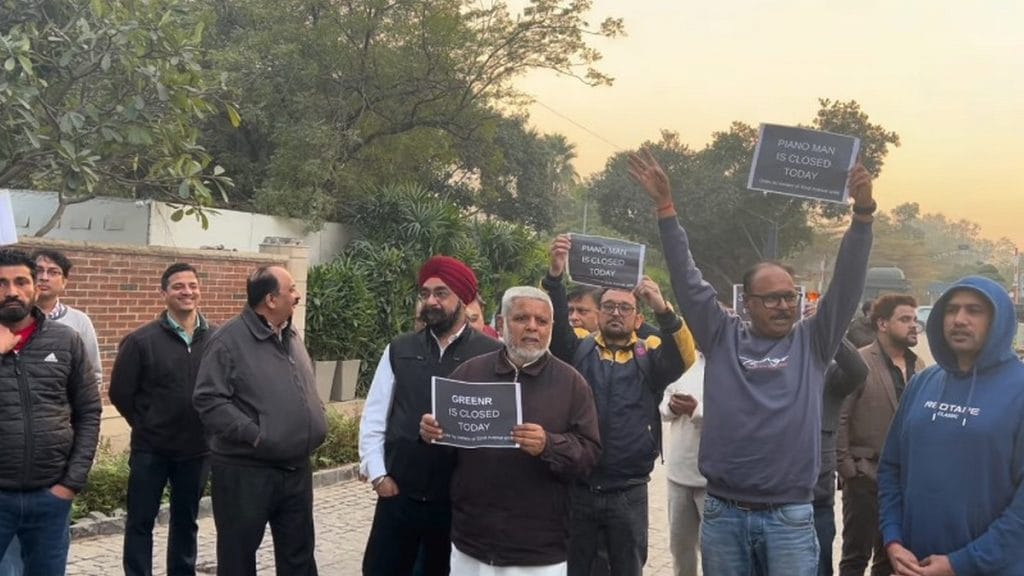
The alleged 32nd Avenue ‘scam’ is a gut-punch to Gurugram’s carefully cultivated ‘Millennium City’ brand. For nearly a year now, a group of investors has been staging protests outside the 32nd Avenue office, alleging they were fleeced of crores in a Ponzi-style scam in the guise of prime real-estate investments. They’ve filed at least five FIRs, each with multiple complainants, written desperate letters to everyone from district officials to the PMO, created a dedicated Instagram page to document their claims, and staged dharnas, where they’ve shouted “Dhruv Sharma chor hai”. From retirees to doctors, well-laid financial and retirement plans have been unravelled by undeposited TDS, fake challans, and unpaid rental payments.
Like much that is marketed as glossy and global in India, the seamier side often surfaces eventually. It speaks to the shortcuts, hurried execution, and cut-and-paste hack job that often accompanies many of India’s urban ambitions.
It’s been a sharp fall for Sharma, a resident of the exclusive Camellias, who came into the limelight in 2014 after co-founding GuestHouser, a holiday home-sharing platform that earned him a place in the Forbes 30 Under 30 Asia list in 2018. Forbes described him as a Boston University graduate who founded India’s “version of Airbnb”.
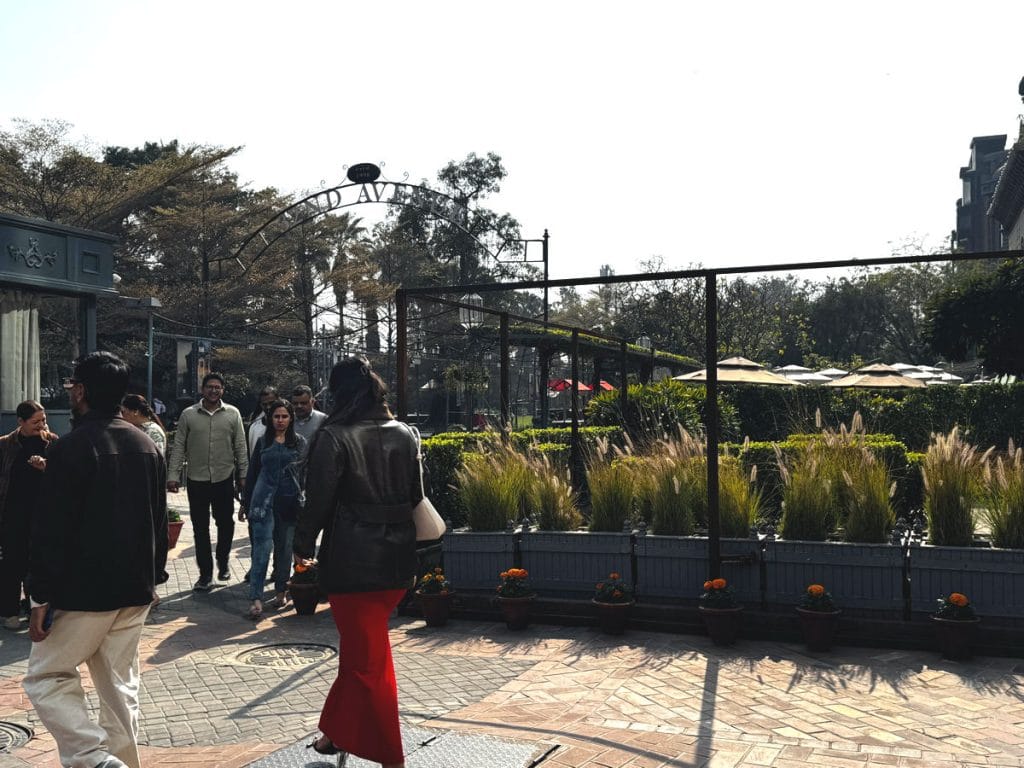
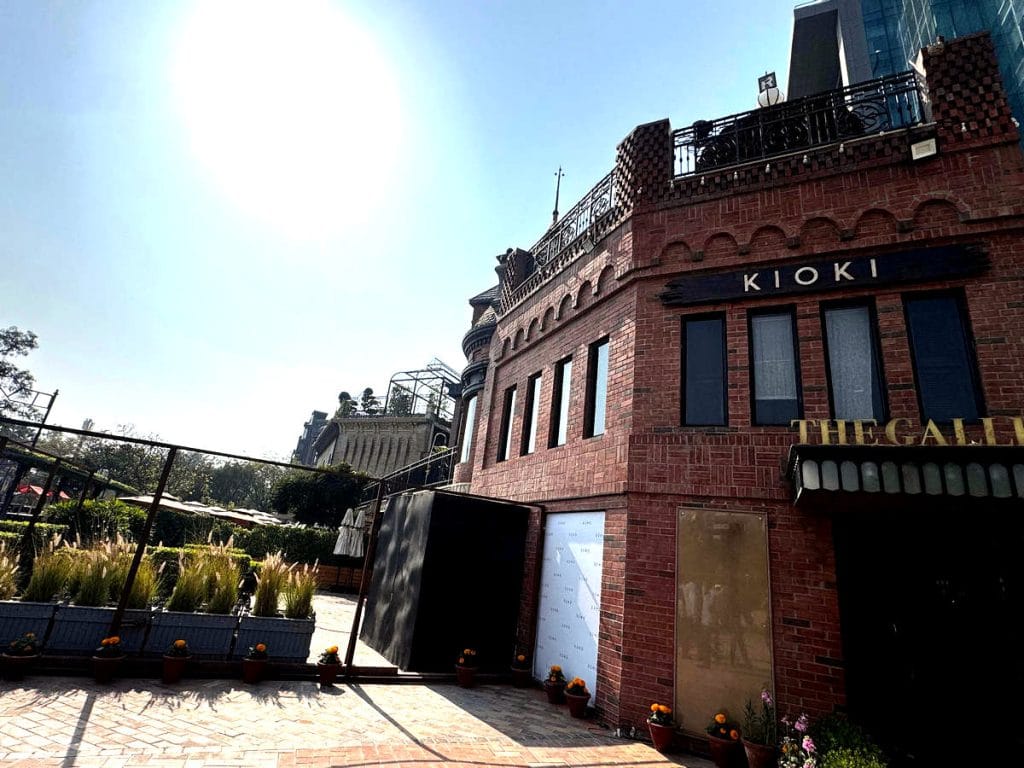
His crown jewel, though, was 32nd Avenue. It was a reimagining of 32nd Milestone, a popular food and go-karting pitstop that his family developed in the 1990s. Built in 2017, the upgraded version was like a glossy postcard of what Gurugram imagined itself to be—cosmopolitan, classy, and chic. With its red-brick facades, cobblestone paths, and fairy lights, the shopping and eating venue conjured a rustic European charm amid the dusty chaos of the NCR. It marketed itself as the beating heart of a globalised Gurugram, with Starbucks, waffle joints, and restaurants specialising in Neapolitan pizzas.
It was an enviable portfolio. But soon, the sheen began to fade, and the scaffolding stood exposed.
Also Read: What’s left of the Sahara Empire? Ghost towns, graveyard of cars, empty pools
‘Something you can be proud of’
The cracks in the perfectly curated facade of 32nd Avenue started appearing in 2021, when Sharma’s company sold a 3,000 sq ft commercial unit on the first floor to Traum Ventures Private Limited for Rs 2.5 crore.
Despite payment, the conveyance deed was never executed, meaning ownership was not formally transferred to Traum Ventures. The FIR, which ThePrint has accessed, states that the same 3,000 sq ft unit was later broken into dozens of smaller portions — some as tiny as 62 sq ft — and sold off between 2022 and 2023 to retail investors.
Of the four investors who spoke to ThePrint, two were retirees who saw the investment as a safe harbour for their life’s earnings. They say that, like others, they were duped.
Everyone spoke well about them. Everyone said they ran 32nd Milestone hotel for decades and have good market presence
-An investor from Delhi
To reach these investors, Sharma’s team deployed a marketing machine of social media, targeted ads, and cold calls. Many now describe it as an “offer they couldn’t refuse”. They were convinced that all they had to do was put their money into a part of the commercial property and receive assured, steady income for the next 30 years.
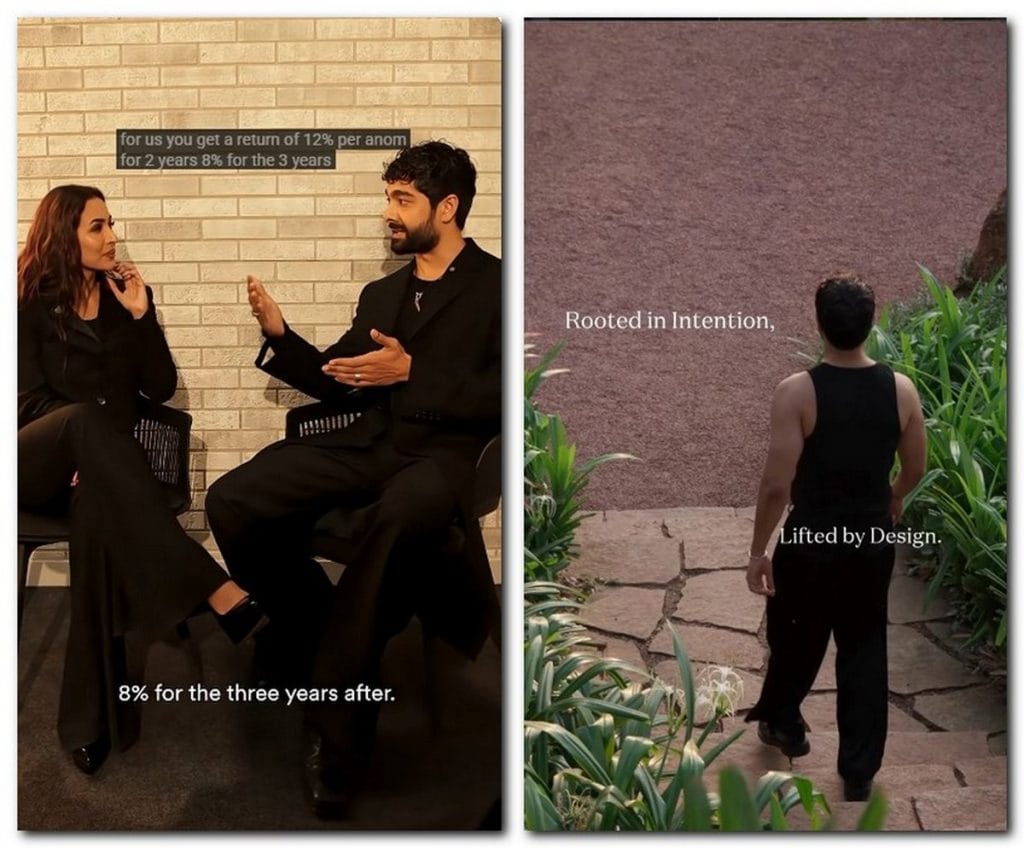
Glamorous promotional videos online added to the hype, some featuring celebrities such as Zeenat Aman, Malaika Arora, and Abhay Deol. One showed Arora standing blindfolded, guided gently through a red-brick courtyard by Sharma. When he removed the blindfold, she gasped: “Is it really India? I can’t believe it. I just walked into 32nd Avenue. It’s not just a shopping street. It’s a landmark.”

The camera moved past cobblestone paths, arched facades, and curated storefronts. Then came the larger-than-life pitch to investors.
“You can actually own a part of it,” said Arora in the ad. “A beautifully located, income-generating asset in a space that inspires every time you walk through it. It isn’t about numbers on a sheet. It’s about something you can pass on. Something you can be proud of.”
At first, the investors got what they paid for. For the first two years, returns came as promised. Four investors told ThePrint that the regular income stream encouraged them to bring in others. Then the payments slowed — once every three months. Soon, they stopped altogether.
By last year, the very foundations of the edifice were beginning to crumble. Investors had banded together to protest. Traum Ventures, which had sent legal notices in October 2023, August 2024, and May 2025, filed an FIR on 2 January 2026.
The FIR notes that Sharma approached Traum in September 2021 through its authorised representative, Udayvir Singh Chauhan and “boasted” he would “bring in revolution in the real estate industry and rental market through 32nd Avenue.”
It appears that Sharma didn’t plan to defraud investors initially, but his business model failed. He went through a financial crunch and soon, despite knowing that he is defrauding, he did so
-Senior police officer in Gurugram
What followed, the FIR states, was a series of assurances. The investment, Chauhan was told, would grow “as much as tenfold” within five years. Steady, lucrative rentals were assured. Big brands, they said, had already tied up and were ready to pay substantial lease amounts. Rental income would begin from day one. The 3,000 sq ft unit being offered—No 24, on the first floor—was presented as free from disputes, loans, or prior claims. That month itself, the entire amount of Rs 2.5 crore was transferred to M/s Apra Motels, a company owned by Sharma.
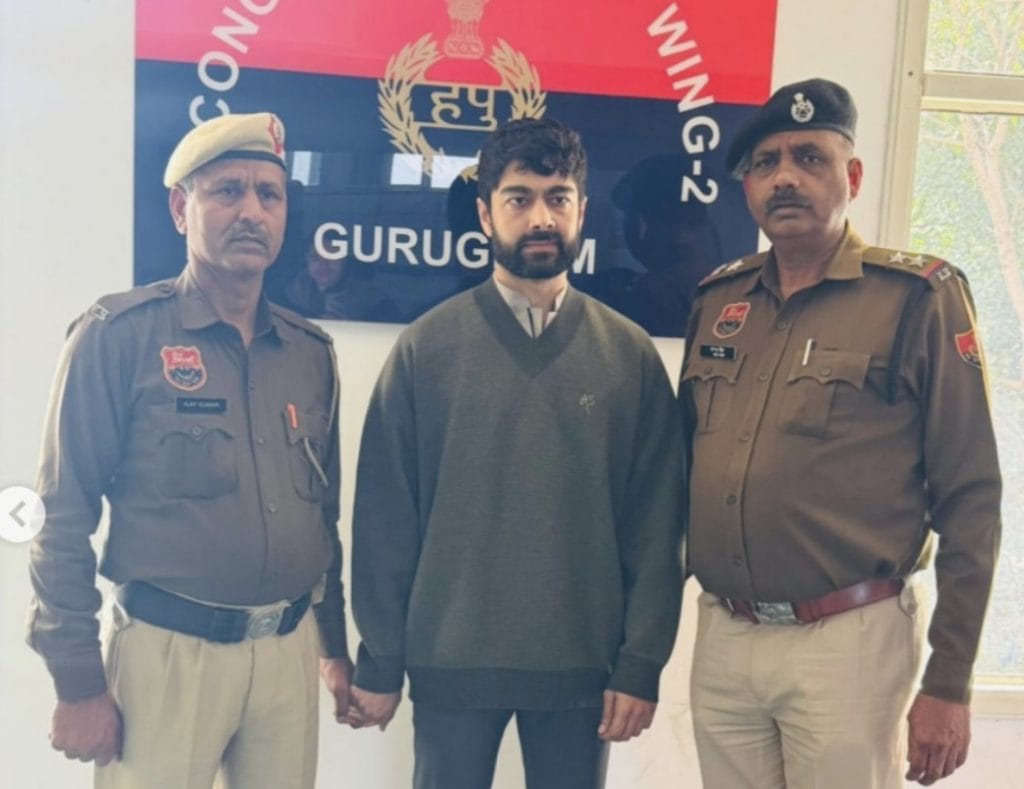
A case against Dhruv Sharma, his parents Anubhav and Mamta Sharma, and other entities associated with the family has been registered under Sections 120B (criminal conspiracy) and 420 (cheating and dishonestly inducing delivery of property) of the Indian Penal Code.
“It appears that Sharma didn’t plan to defraud investors initially, but his business model failed,” said a senior Gurugram police officer on condition of anonymity. “He went through a financial crunch and soon, despite knowing that he is defrauding, he did so.”
For many of the investors who had poured their savings into the project, the arrest of the developer has provided a long-awaited measure of hope.
Also Read: Jewar farmers are crorepatis now. They’re investing in stocks & mutual funds, not just land
Gurugram to Goa dream
At a promotional camp on the grounds of 32nd Avenue in 2022, Narendra Singh Malik signed the papers for an 80 sq ft unit. He wasn’t buying a shop but a fraction of one—what he calls a ‘virtual’ purchase where the physical specifics hardly seemed to matter.
Malik, a deputy director with Haryana Civil Medical Services, was told the mathematics was foolproof: a Rs 50 lakh investment would yield a steady Rs 32,000 in monthly rentals for 20 years. He was so pleased with the results that he convinced his sister, also a doctor, to invest in three similar units.
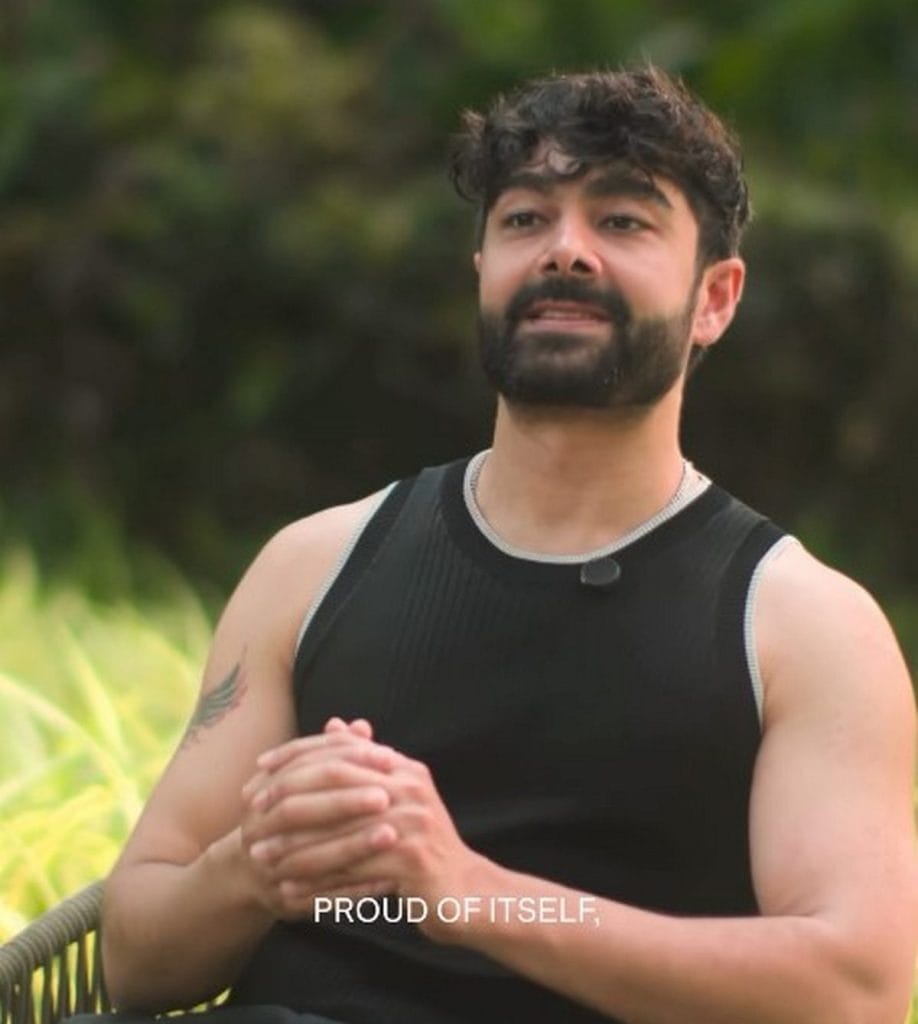
“It was a wonderful investment,” he recalled. “I was really proud of myself.”
Then the pattern familiar to so many others kicked in. Initially, the rent came every 2-3 months, which Malik said was “bearable”, and then it stopped.
He showed investors papers claiming he had purchased land from the Goa government on a 30-year lease. That’s what convinced many people to invest
-Investor
Shocked, Malik said he began replaying the day of the registry in his mind, hunting for red flags he’d missed. It had been a proper government registry, he insisted. The fact that Sharma’s father—one of the founders of the original 32nd Milestone—was present also lent the deal an aura of legitimacy.
“His father Anubhav Sharma had earned goodwill in the society. And seeing him, it seemed we were investing in the right place,” said Malik.
It was only later that he learned the same 80 sq ft had allegedly been sold to five other buyers.
Since then, a question has continued to haunt him: Did the registrars — government employees — know? How could the same piece be sold to multiple buyers?
“Is the revenue department also involved in this?” Malik asked.
A tehsildar at the Gurugram revenue department told ThePrint that the shift to a virtual registry process has changed the nature of verification, hinting that scrutiny can sometimes be bypassed.
“The entire registry process has now become virtual. In the case of a physical registry, we check the owner’s documents, land papers and verify them,” he said.
But even before investors such as Malik started asking uncomfortable questions, Sharma had already moved on to his next act: Goa.
Another investor from Delhi said he first put money into four units at 32nd Avenue in 2021, lured by fixed monthly rentals of Rs 54,000. He had heard about the project through friends in investment circles and done his homework.
“Everyone spoke well about them. Everyone said they ran 32nd Milestone hotel for decades and have good market presence,” he told ThePrint.
Then, in 2024, he invested again—this time Rs 50 lakh in what was pitched as an upcoming 32nd Avenue property in Goa’s Baga.
By then, several investors say, Sharma had begun steering them away from Gurugram and toward the Goa dream.
The pitch was familiar: Rs 50 lakh would become Rs 75 lakh, with assured monthly rentals. But the rental payments for Goa never came and those for Gurugram stopped too, the investor alleges.
When he and others approached the company and Sharma for answers, they were offered an exit—of sorts. They could “exchange” their investment for parcels of land in Manesar, Alwar, or Goa. However, the specifics were never disclosed.
“He showed investors papers claiming he had purchased land from the Goa government on a 30-year lease. That’s what convinced many people to invest,” said another investor. Funds raised in Gurugram were likely re-invested into developments in Goa and Rajasthan, investigators have said.
The ‘Goa dream’ was amplified by the same celebrity glow that had surrounded 32nd Avenue. In a promotional video from 19 January 2025, Malaika Arora once again appeared with Dhruv Sharma, both dressed in black business suits.
“We are hearing rumours about a newer, bigger and better campus you are going to launch in Goa soon,” said Arora in the promo.
“The rumours are true,” Sharma responded. “It’s right bang on Baga beach. Seven acres. We are trying to build something the country can be proud of.”
Today, beneath the video, a comment stands out: “And now he is in police custody.”
(Edited by Asavari Singh)