





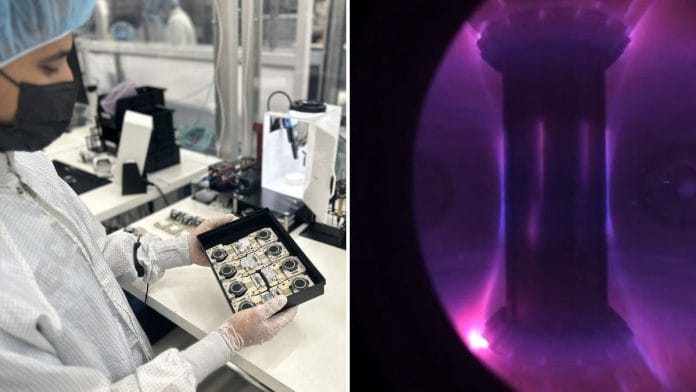



New Delhi: In 2025, breakthroughs that once lived in labs—from gene editing and quantum computing to fusion reactors and brain-machine interfaces—finally entered the real world.
AI systems became more personal and persistent than ever, while medical science inched closer to rewriting disease at its source. Across sectors, the line between experimental and practical blurred, pushing the world into a new phase of innovation.
Here are the top 5 technological innovations of 2025.
1. AI advances
In 2025, artificial intelligence moved beyond chatbots and copilots into deeply personalised, real-time systems. New “context-persistent” models capable of holding months of user memory redefined productivity software, healthcare monitoring, and personal assistants.
Tech majors rolled out AI agents that could schedule finances and personal calendars, order groceries online, and detect early illness patterns from wearable data. But the biggest shift came from open-source communities, whose foundation models finally rivalled the performance of corporate giants.
DeepSeek, an open-source model owned by China-based hedge fund High-Flyer, was able to compete against OpenAI’s GPT-4 for a fraction of the cost. Using innovative methods to optimise both memory and compute power, it paved the way for a reduction in AI cost to the end consumer.
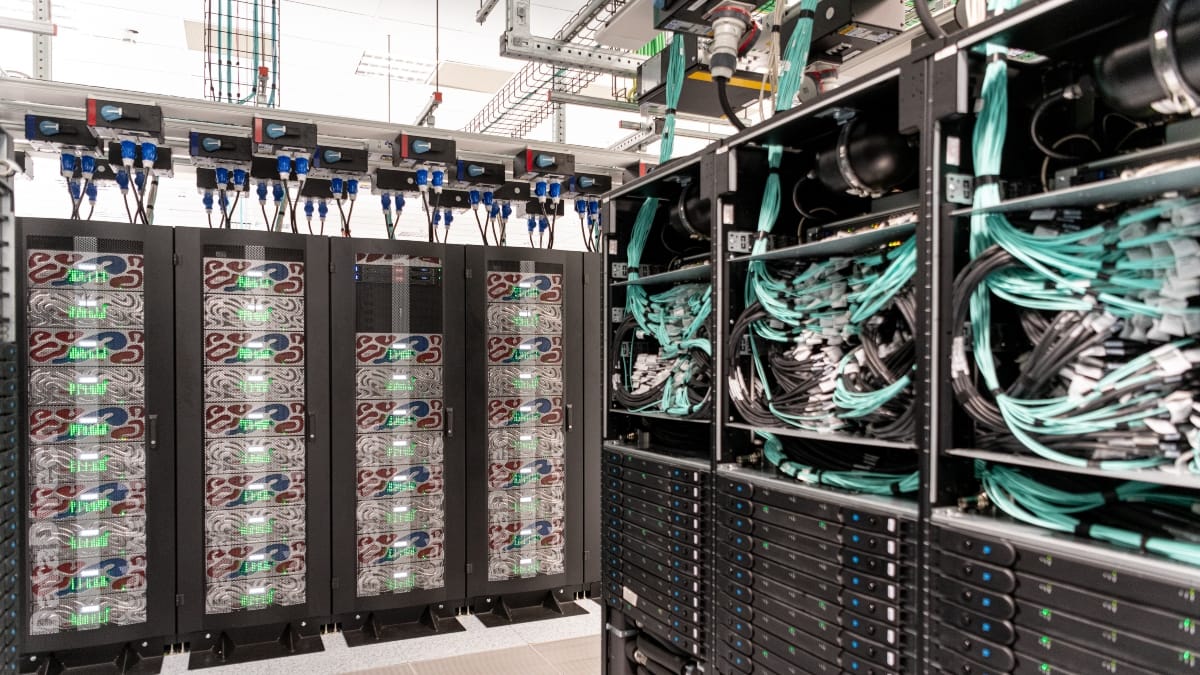
2. Gene editing
CRISPR (Clustered Regularly Interspaced Short Palindromic Repeats) 3.0 ramped up large-scale clinical trials in 2025. The latest iteration of the technology, which allows scientists to alter DNA, is far more subtle than previous iterations.
CRISPR technology swaps out the faulty segments in DNA that cause genetic disorders and conditions such as sickle-cell disease and inherited blindness. In previous iterations, DNA would be cut at specific spots, potentially leading to damage and unwarranted mutations. Under CRISPR 3.0, chemical changes are made to specific ‘locations’, either replacing or removing them completely. This significantly reduces the margin for error.
Scientists have already started using CRISPR 3.0 to fine-tune a patient’s own immune cells, turning them into smart bombs that can seek out and destroy tumours that are difficult to treat.
Also read: Top 5 CEO controversies of 2025—IndiGo boss apology to Deepinder Goyal’s ageing theory
3. Fusion energy
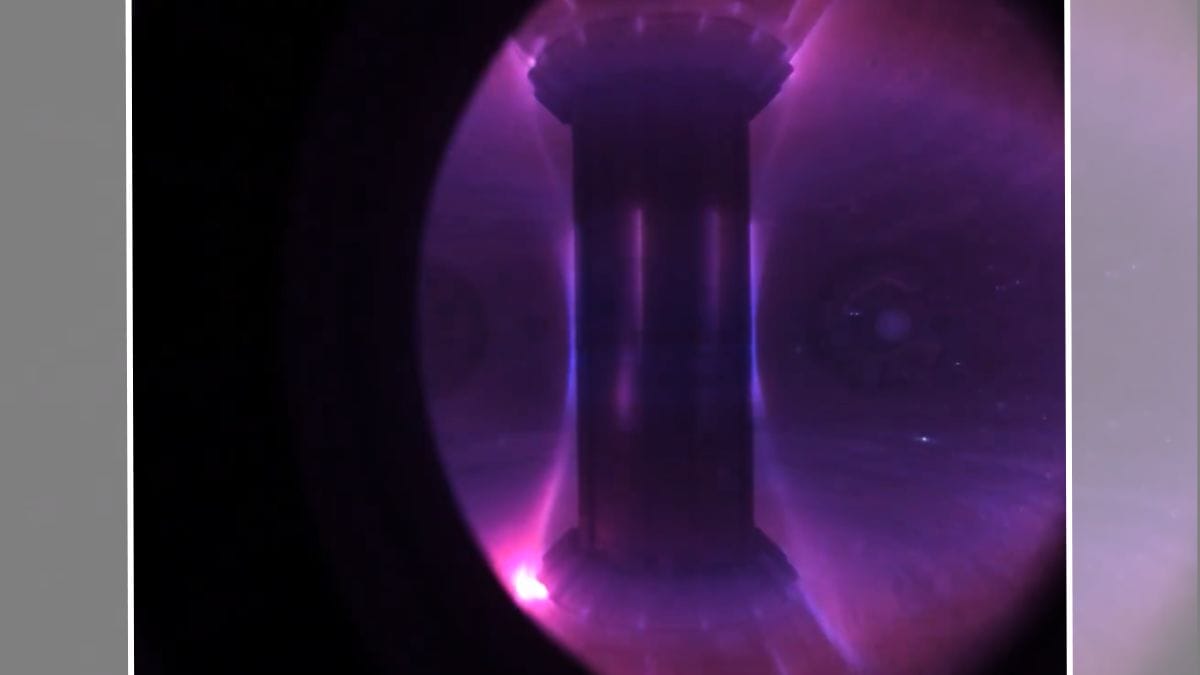
Fusion energy hit a major milestone in 2025. Labs across the globe managed to run fusion reactions that produced more energy than they consumed. They kept these reactions going for minutes at a time, against the tiny flashes previously produced.
Fusion is the holy grail of clean energy. It is based on the reaction that powers the Sun and other stars. If harnessed on Earth, it could provide unlimited clean power without the radioactive waste associated with nuclear power plants.
The Institute for Plasma Research (IPR) in Gandhinagar is developing India’s first fusion electricity generator, at a construction cost of Rs 26,000 crore. The generator, called the Steady-state Superconducting Tokamak-Bharat (SST-Bharat), would have a power output that is five times the input.
4. Brain-computer interfaces
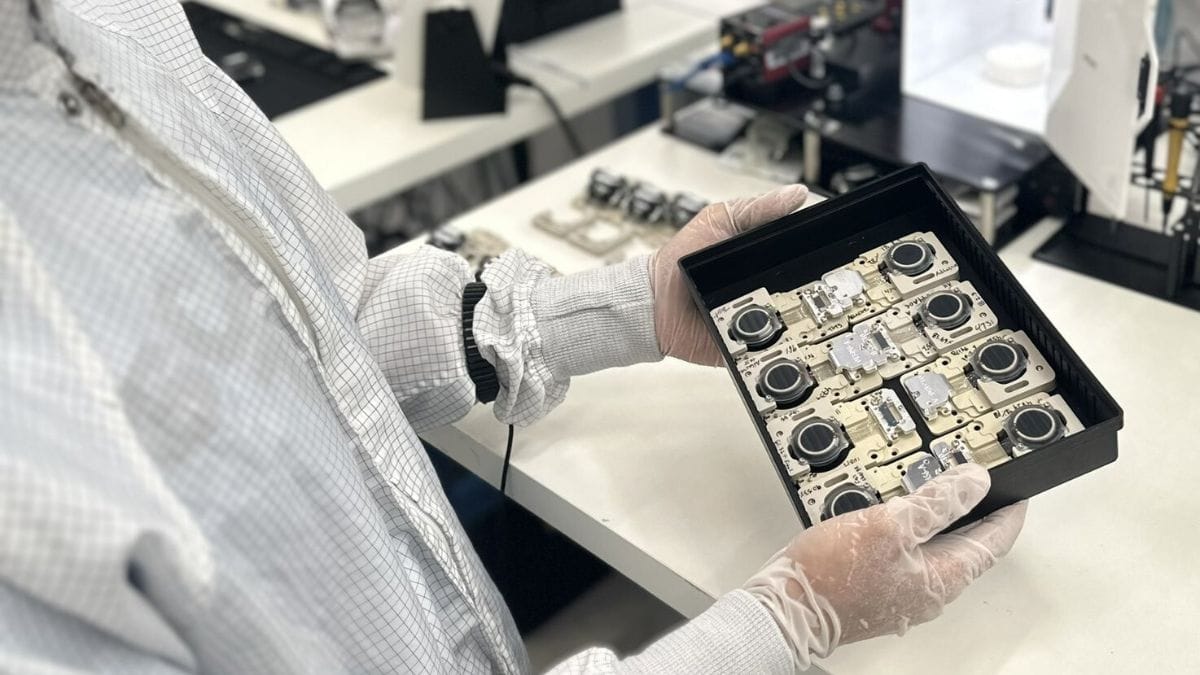
This year was a turning point for brain-computer interfaces (BCIs). After years of small trials, the first fully implanted wireless BCIs received regulatory clearance in the US and Europe for patients with paralysis.
These devices allowed users to move robotic arms, type messages, and control tablets using just their thoughts, with greater stability than earlier prototypes. A device developed by Neuralink, a company founded by Elon Musk, received a ‘breakthrough’ tag by the Food & Drug Administration (FDA) for its ability to help people with speech impairments.
Also read: Virat Kohli to Glenn Maxwell—2025 was the year of big cricket retirements
5. Quantum computing
In 2025, quantum computers crossed 1,000 working qubits (basic unit of information in a quantum computer) and could fix their own errors well enough to give reliable results.
Teams in the US, China, and Europe also built new “modular” designs that let these machines grow in size without becoming unstable. It was the strongest sign so far that quantum computers are starting to move from lab experiments to something that can solve real-world, complex problems.
Early applications in drug discovery, materials engineering, and supply-chain optimisation (logistics, traffic) delivered measurable improvements over classical computation. Startups raced to commercialise “quantum cloud” platforms, allowing customers to access quantum computers through the cloud—similar to how companies access Amazon Web Services or Microsoft’s Azure platforms today.
(Edited by Prasanna Bachchhav)