





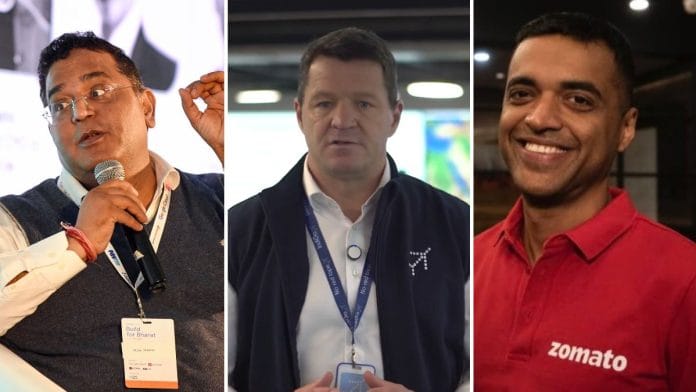



New Delhi: From speculative science theories and flight cancellations to banking missteps and AI overpromises, 2025 has been a turbulent year for India’s corporate leadership.
Some of the country’s most high-profile CEOs found themselves at the centre of public controversy this year, sparking memes, market panic, regulatory pushback, and fierce online debate.
Here’s a breakdown of the biggest CEO flashpoints that dominated headlines in 2025.
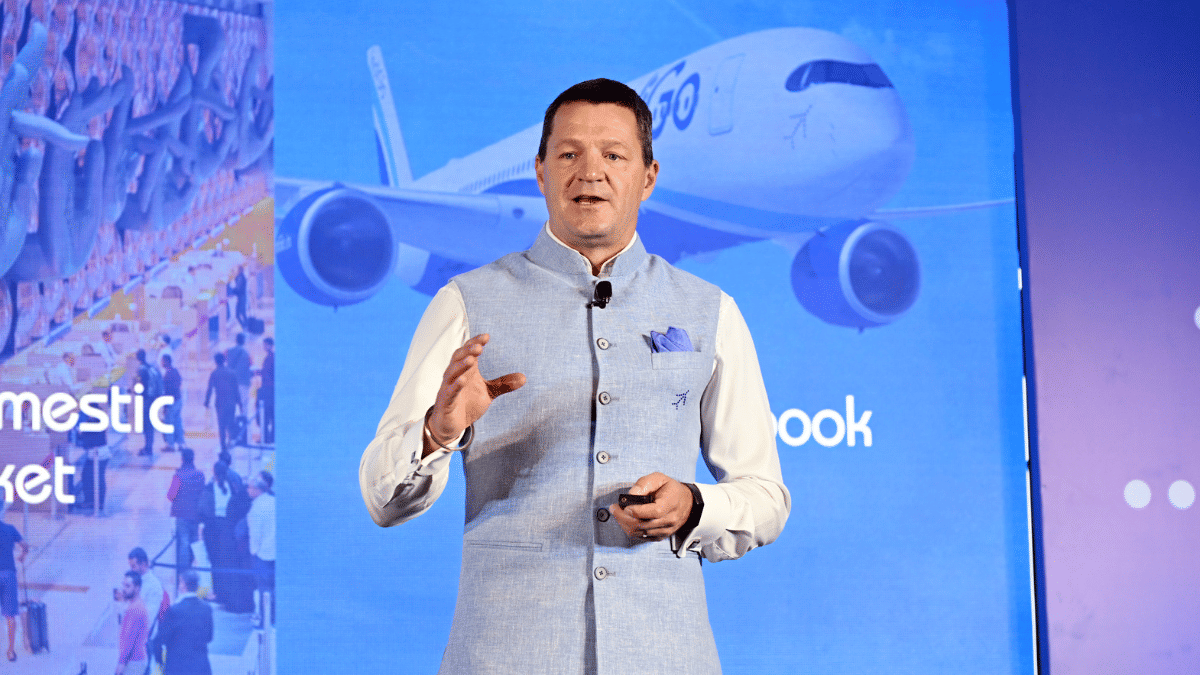
1. Pieter Elbers, IndiGo
IndiGo faced a major operational meltdown in early December. Hundreds of flights were cancelled over several days, leading to angry, stranded passengers facing off with airline ground staff. Social media platforms were inundated with complaints, including one from Singapore High Commissioner Simon Wong, who missed a staff member’s wedding.
IndiGo posted a video on X of CEO Pieter Elbers responding to the chaos—but he ignored the core issue: how the airline failed to implement the revised FDTL (flight duty time limitations) norms.
The norms tightened how long pilots and cabin crew could legally operate in a day, mandating longer rest periods. Despite being notified of the changes in advance, IndiGo failed to implement them.
Eventually, the DGCA (Directorate General of Civil Aviation) rolled back parts of the second-phase FDTL norms. Weekly rest requirements were withdrawn, and exemptions to night-duty provisions were granted to ease staffing pressure.
Also read: From Washington to Dhaka: Key elections to watch in 2026
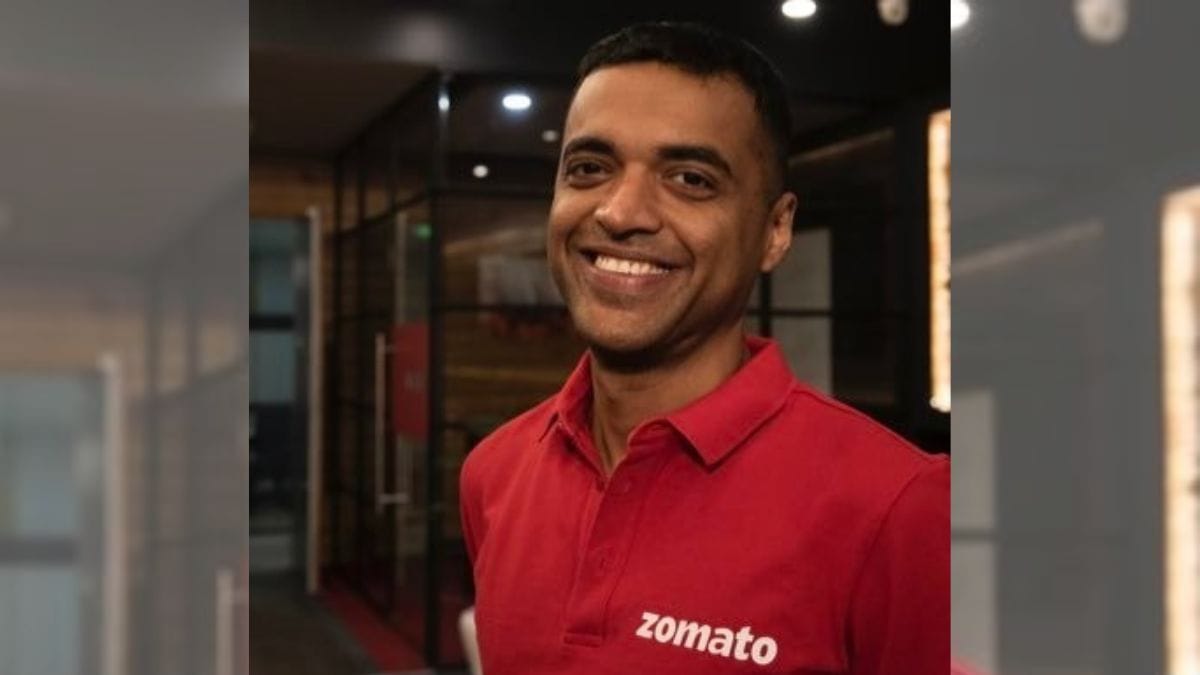
2. Deepinder Goyal, Zomato
Deepinder Goyal, the founder and CEO of Zomato, proposed the “gravity ageing hypothesis” in November 2025. Goyal argued that the Earth’s constant pull might contribute to human ageing.
He suggested that upright posture over decades slowly reduces cerebral blood flow to critical brain regions such as the hypothalamus and brainstem, which regulate hormones, metabolism, and bodily repair.
Published through Goyal’s new research outfit, Continue Research, the post went on to highlight ‘clues’ supporting his theory:
- Bats live 10 times longer than expected because they spend long durations inverted.
- Over 50 per cent of poses in Yoga involve ‘head below heart’ postures.
- Shorter people live longer than taller people.
The proposed intervention was surprisingly simple: inversions. Goyal argued that spending a few minutes each day with the head positioned below the heart—through headstands or commercially available inversion chairs and tables—can significantly boost “brain flow”.
Several doctors and scientists called out Goyal’s ‘hypothesis’. Dr Cyriac Abby Philips, better known online as The Liver Doc, called the theory a “reductionist, mono-causal hypothesis”.
3. Sumant Kathpalia, IndusInd Bank
IndusInd Bank’s crisis began in March 2025 with the revelation of major discrepancies in its foreign-exchange derivatives book worth Rs 1,577 crore (2.35 per cent of the bank’s net worth as of December 2024).
The bank’s self-disclosure triggered a dramatic market reaction—IndusInd’s stock plunged more than 25 per cent in a single day. It raised urgent questions about the bank’s internal controls, risk-management culture, and oversight failures. This was not an isolated governance concern. Earlier departures, including the CFO’s resignation, hinted at deeper systemic issues preceding the scandal.
The crisis ultimately led to the resignation of CEO Sumant Kathpalia and Deputy CEO Arun Khurana, marking one of the most significant leadership shake-ups in Indian banking in recent years.
The Reserve Bank of India (RBI) had already signalled discomfort by granting Kathpalia only a one-year extension instead of the three years recommended by the board, suggesting longstanding concerns about governance standards at the bank.
Also read: The best non-fiction books read by ThePrint columnists in 2025
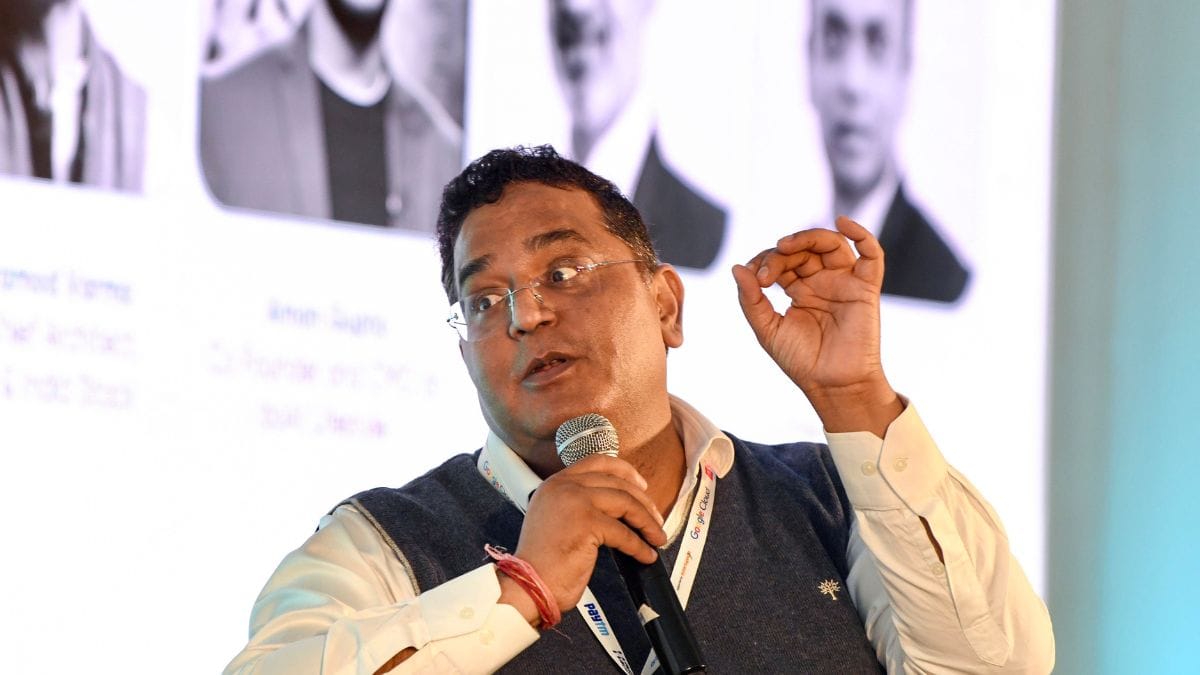
4. Vijay Shekhar Sharma, Paytm
Paytm was thrust into its biggest crisis yet in March, after the RBI imposed strict restrictions on Paytm Payments Bank (PPBL) for persistent compliance failures. While the move technically targeted the banking arm, much of the criticism was directed at founder and CEO Vijay Shekhar Sharma, who had long been the public face of the brand.
The RBI cited repeated rule violations, gaps in KYC processes, and supervisory concerns despite multiple warnings. As Paytm scrambled to shift services to partner banks, millions of users panicked about UPI, wallet balances, and FASTags.
Social media exploded with memes, outrage, and rumours of Paytm’s shutdown, forcing the company into repeated clarifications. Sharma’s leadership came under renewed scrutiny—from questions about governance to Paytm’s aggressive expansion strategy. Investors reacted sharply, sending the stock into a downward spiral before stabilisation efforts began.
5. Bhavish Aggarwal, Ola and Krutrim
Bhavish Aggarwal spent much of 2025 in controversy after multiple public-facing missteps around Ola and his new AI company, Krutrim. In mid-2025, Krutrim’s flagship AI models were accused on social media of producing factually incorrect outputs, including doctored political quotes and unverifiable historical claims.
Critics argued that Aggarwal’s aggressive marketing of positioning Krutrim as “India’s answer to global AI giants” set unrealistic expectations. The company quietly rolled back several demos after users flagged inconsistencies.
Around the same time, Ola faced backlash from customers over recurring software glitches in its electric scooters and delayed refunds for cancelled orders, prompting renewed criticism of Aggarwal’s “ship now, fix later” philosophy.
His outspoken comments on “foreign AI dominance” and “woke tech culture” further polarised online opinion. Together, these episodes fuelled debate on whether Aggarwal’s bold vision was crumbling.
(Edited by Prasanna Bachchhav)