





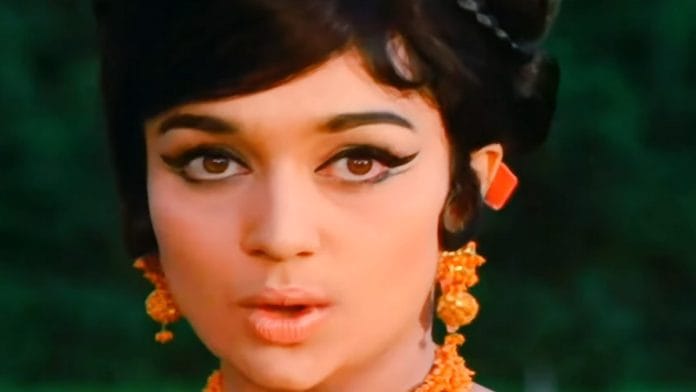



Mukul Dutt’s Aan Milo Sajna was a blockbuster hit, but 55 years later its most vivid legacy is its soundtrack and Asha Parekh’s lookbook, especially in ‘Achha Toh Hum Chalte Hain’.
The 1970 film ranks high on all the ingredients of a ‘complete package’ entertainer—a wayward son, a do-gooder poor young man, and a dutiful bahu, along with just the right dose of intrigue and courtroom drama. Primarily a lyricist, Dutt could never manage to recreate this success in later directorial ventures such as Raaste Ka Patthar or Aaj Ki Dhara. In this film, ironically, the lyrics were written by Anand Bakshi.
While the film had a standard masala template, the character dynamics prevent it from being a generic entry in the 70s canon. The narrative arc is propelled by the tension between three forces: the peak hysteria of Rajesh Khanna, the icy charisma of Vinod Khanna, and the grace of Asha Parekh.
Also Read: Vamps, NRIs, and the feudal system — the makings of Rekha’s Hindi film debut Sawan Bhadon
The powerhouse trio
The film starts with a mother’s moral ultimatum. Widowed, wealthy, and ailing Savitri Choudhury (Nirupa Roy) refuses to name her errant son Anil (Vinod Khanna) heir to her estate until he reforms and marries. Struggling in business and impatient for his inheritance, he then arranges a sham engagement with Varsha (Asha Parekh). She enters the mansion as the fabricated fiancée Deepali, but that’s when Anil’s plans start to go awry.
Varsha is such a devoted ‘daughter-in-law’ that Savitri decides to make her the sole beneficiary of her estate. But Varsha has her own secret: she’s in love with Ajit (Rajesh Khanna), who helps out everyone in need in his village but whose father went to jail for killing Savitri’s husband.
The drama ramps up when Ajit is accused of having an affair with a woman and murdering her. Ajit’s court trial forms the climax of the film, which also reveals a host of other secrets.
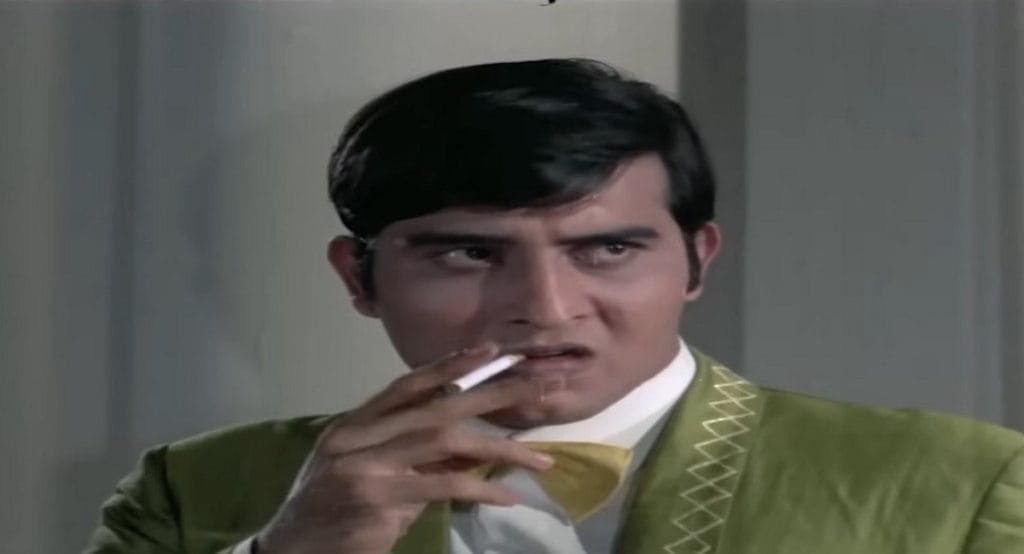
By 1970, Rajesh Khanna was delivering blockbuster after blockbuster, and he is completely self-assured in his role as the ‘good’ guy, even if it is slightly limiting. His talent makes Ajit look desirable and charming, instead of sliding into caricature.
Opposite him, Vinod Khanna’s villainy is the perfect foil. Not only is his Anil a selfish, entitled son, he has little regard for human life, especially those less privileged than him. In one scene, he runs over an old man. When Varsha protests, he responds with chilling calm: “India is already highly populated. Why does it matter if one man dies.”
Vinod Khanna, though known for playing leading roles, was also an effective villain, and Aan Milo Sajna is one of his more convincing darker roles, along with Mera Gaon Mera Desh, Sachaa Jhutha, and Purab Aur Paschim. One raised eyebrow and smirk can signal menace.
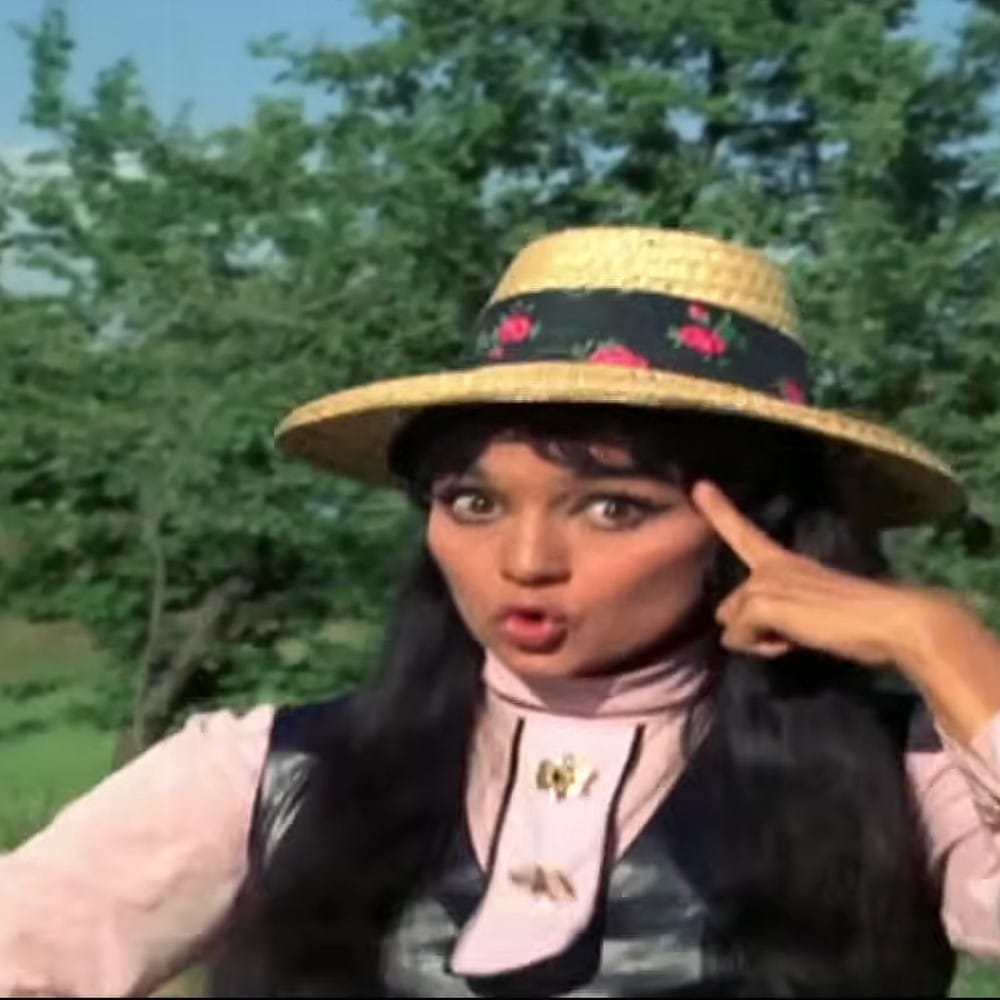
But the fulcrum of the film is Parekh, who deftly plays the ‘good bahu’ and also joins Ajit in his endeavors to help those in need. The film uses the rich-girl-falls-for-poor-boy trope, but Varsha manages to be a three-dimensional character who grapples with some of her own questionable choices. And she also gets a chance to show off her impeccable style.
Also Read: Ittefaq stood out from the musicals and morality of the 1960s. It offered ambiguity
Songs that stuck
The true USP of Aan Milo Sajna was its album. Each song was a hit in its own right. Kishore Kumar, Lata Mangeshkar and Mohammed Rafi sang most of the songs, with Asha Bhosle lending her voice to one number, Palat Meri Jaan, Tere Qurbaan. The music composer duo Laxmikant-Pyarelal were brought on board, even though producer J Om Prakash usually collaborated with Shankar-Jaikishan.
Such was the popularity of songs such as ‘Achha Toh Hum Chalte Hain’ and ‘Tere Kaaran Mere Saajan’ that audiences would famously start dancing or rush toward the screen when the songs or trailer played during the intervals of other films in theatres.
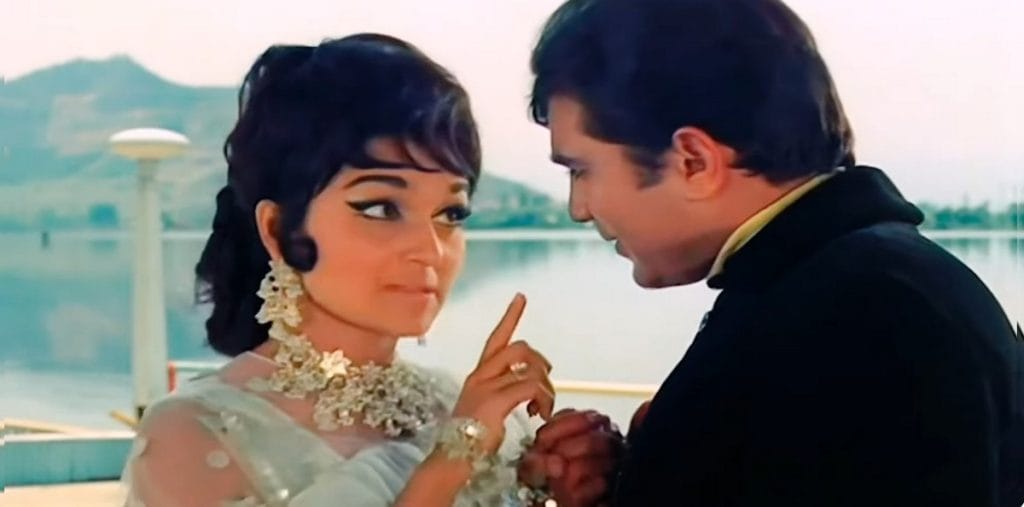
Pyarelal later recalled that it was he who suggested that ‘Achha Toh Hum Chalte Hain’ be structured as a conversation between the hero and heroine. Anand Bakshi then wrote the lyrics to capture that playful back-and-forth.
Parekh was at her sartorial best throughout the film, sporting chiffon sarees, salwar suits with quirky prints, winged eyeliner, and elaborate hairdos. In ‘Achha Toh Hum Chalte Hain’, she cycles through a blue sheer dress, an orange salwar-kameez, and a white sharara—an aesthetic that came set the tone for early 1970s glamour. Later, J Om Prakash had a similar sharara made for his daughter Pinkie Roshan’s wedding.
But Parekh herself revealed the hard work behind those looks in a 2020 interview, including having to trudge through wet paddy fields to get to the location.
“I always had a designer for myself and I distinctly recall that the ‘Achha Toh Hum Chalte Hai’ song’s last change was an orange salwar kameez. I had a very intricate hairstyle and it took at least an hour and half to get done with my hairstyling. At the end of it, I would get tired sitting,” she said.
(Edited by Asavari Singh)