





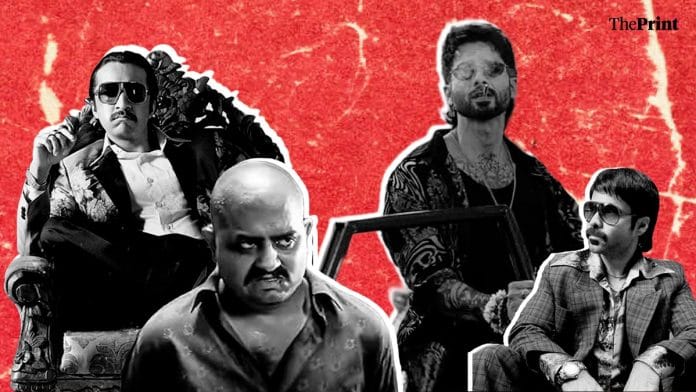



New Delhi: Madhuri Dixit’s Dhak Dhak plays in the background as a tattooed, long-haired gangster simultaneously jives and decapitates 20 enemies in a shabby single-screen cinema. In Vishal Bhardwaj’s O’Romeo, Shahid Kapoor is an imagining of Hussain Ustara, the real-life hitman who once targeted Dawood Ibrahim.
The year is 1995, two years after the Bombay blasts. A time of peak Mumbai underworld. And for the city’s books and movies, Dawood is a gift that keeps giving. Either Dawood or Dawood-adjacent plotlines.
From Black Friday to Company to D to Shootout at Lokhandwala, the Bollywood gangsta genre was the go-to plot for action movies in the 1990s and 2000s, before falling silent in the era of militaristic and mytho-nationalism. Now, with films and series such as O’Romeo, Bambai Meri Jaan (2023), and the upcoming Dongri: Gangsters Paradise, that underworld fixation is back—and evolving.
At the centre of it all is Dawood himself, the Dongri slum kid-turned-don who ruled Mumbai’s underworld before fleeing to Dubai in 1986. India’s most-wanted criminal became a near-mythic figure through an intricate interplay of books and Bollywood. Journalists and authors such as Hussain Zaidi, Vikram Chandra, and Jigna Vora provided the blueprints that filmmakers—from Anurag Kashyap to Ram Gopal Varma—turned into commercial gold.
While Dawood’s larger-than-life image meant he disproportionately ‘inspired’ characters, O’Romeo brings the gore-guts-guns back minus the Don. Instead, Bhardwaj focuses on forbidden love, gang wars, and an IB agent. It suggests a recalibration. Has Bollywood finally moved beyond its D-fixation to look at other mafia stories?
Much of Hindi cinema’s underworld canon flows from the books of Hussain Zaidi, with recent adaptations such as Gangubai Kathiawadi and O’Romeo orbiting players other than a looming don-of-dons. For Zaidi it’s something of a relief. He has long bristled at Dawood’s pop-cultural halo.
“I am not happy about the way Dawood has become this popular culture figure,” said Zaidi. “I don’t understand why Bollywood wants to keep showing him in its movies. There are villains who are more manipulative and violent, but to draw eyeballs, they keep profiling his story and building up his personal character.”
Also Read: Men are taking over Hindi OTT content. Female-led shows, movies dropped to 12%
D-Company & Co
Gritty small-town mafias have had their time in the sun through hits such as Gangs of Wasseypur, Mirzapur, and Paatal Lok. But Mumbai crime sagas come with the scale and sweep of metropolitan myth — only the biggest and baddest can make it.
“The idea is that if you made it big as a mafia person in Bombay, then you have arrived. There is also the glamour quotient of Bollywood,” said Sidharth Jain, founder of The Story Ink, which converts books into scripts for OTT. “The reason we keep going back to the Mumbai mafia is because it has always been the most talked about mafia in the country.”
With Dawood once being the undisputed king of the Mumbai underworld, some of the biggest hits tapped straight into his dubious stature. Once Upon a Time in Mumbaai (2010) riffed on Haji Mastan and Dawood. Ram Gopal Varma’s Satya, Company, and D mined gang wars and the Dawood-Chhota Rajan fallout.
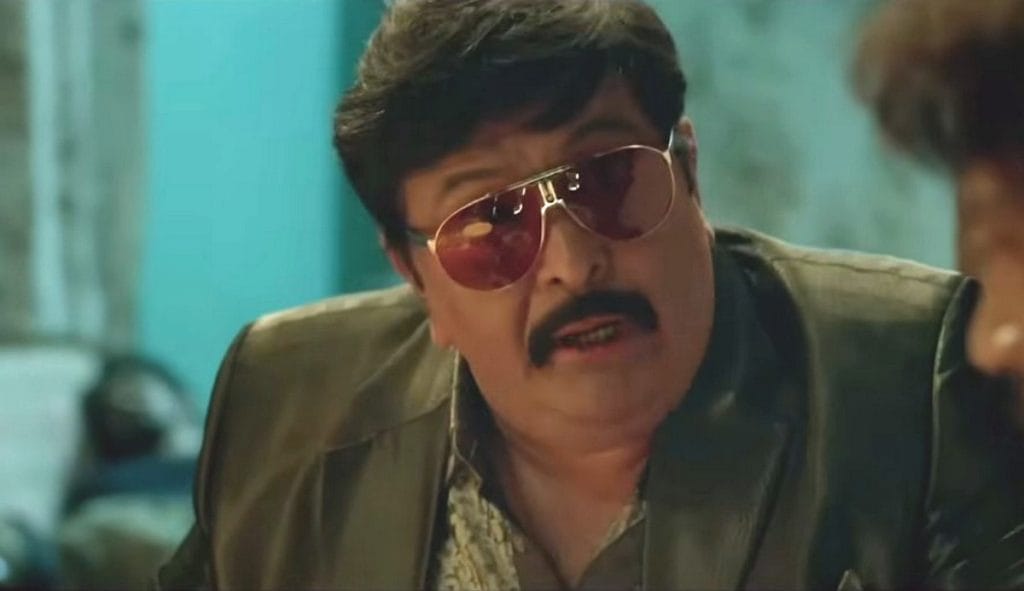
But the D-Company mythos isn’t enough to guarantee a hit. Apoorva Lakhia’s Haseena Parkar (2017), starring Shraddha Kapoor in the eponymous role of the criminal’s sister, was a box office dud. D-Day (2013), directed by Nikhil Advani, also did not recover its budget.
“If a crime show is linked to an event or real person, it gets traction. But (Arun) Gawli doesn’t work because only Mumbai people know him; someone in Kolkata does not care,” said Jain. “Sometimes it’s just the packaging—look at the retro packaging in Once Upon a Time in Mumbai, and how Gangubai was done on this extravagant scale.”
Mining new gangland gold
O’Romeo returns to familiar gangland terrain, but the ‘Dawood’ character Jalal, played by Avinash Tiwary, plays only a supporting role. This time, the story is built around contract killer Hussain Ustara, named for his fondness for razor blades, and his ally Afsana aka Sapna Didi, played by Triptii Dimri.
Bhardwaj, who earlier transposed Shakespeare into violent settings with near-perfect precision in Maqbool (2003), Omkara (2006), and Haider (2014), attempts a different register here with gangland romance.
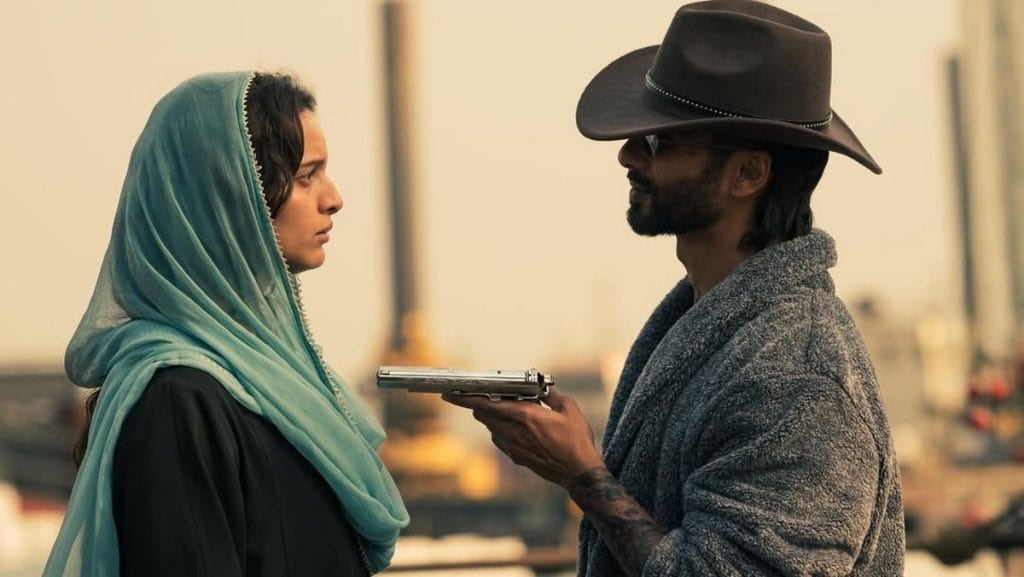
Some film critics have pointed out that old tropes of the violent gritty thriller have been refashioned, with Anuj Kumar bemoaning that “it seems there is nothing left to stir in the pot of stories of the Mumbai underworld.” Nevertheless, the vengeance drama and the ‘true story’ tag with a fresh cast of characters seemed to have worked in favour of the film. Within a week of its 13 February release, O’Romeo made Rs 72 crore worldwide at the box office.
The film is based on Hussain Zaidi’s Mafia Queens of Mumbai, published in 2011. One of the chapters outlines how Zaidi first met Hussain Ustara and learned about the trajectory of Sapna Didi—a widow who allied with Ustara to avenge her husband’s death. The real-life pair, among the few people who dared to defy Dawood, were killed within a year of each other in the late 1990s.
“Sapna had a transformative impact on the guy,” said Zaidi. “In the film,
you see the love angle because they have taken cinematic liberties.”
The foreword for the non-fiction Mafia Queens was written by none other than Vishal Bhardwaj himself.
“Crime is juicier than spirituality. Guns are more attractive than roses. And thus—at least to me—the stories about the lives of gangsters are much more fascinating to share than that of saints,” he wrote.
Of books and bhais
Much of the underworld cinema boom can be traced back to one man. A former investigative journalist, Zaidi started turning his exclusives and reportage into mass-market paperbacks.
It started with Black Friday: The True Story of the Bombay Bomb Blasts (2002), which retraced the events that led up to the 1993 bombings and the investigation that followed. The book was the product of four years of research— poring over multiple FIRs and conducting interviews with police officers and underworld associates of Dawood Ibrahim. Over the years, he interviewed Dawood himself as well as Arun Gawli, Chhota Rajan, and Yakub Memon.
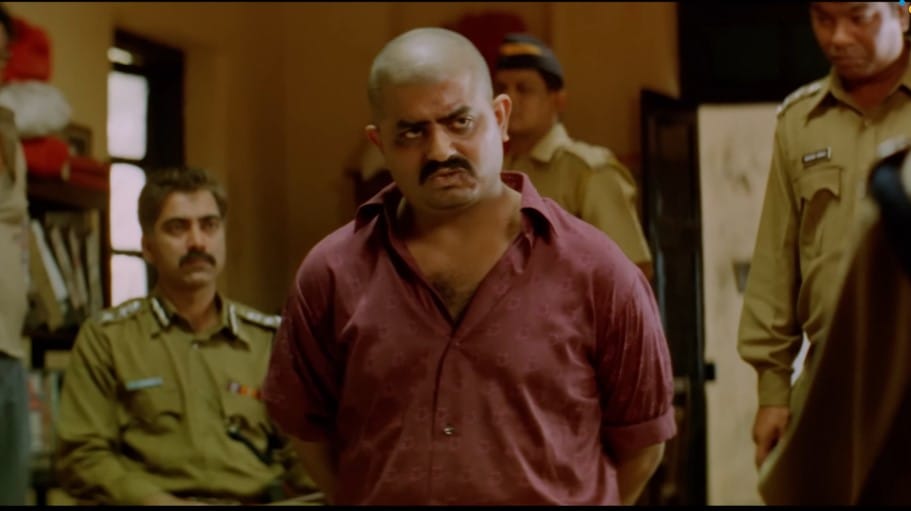
Soon after Black Friday came out, Anurag Kashyap snapped up the film rights, but the release was held up after some of the accused filed a petition in the Bombay High Court stating it could prejudice their case. It was finally released only in 2007.
Black Friday became the blueprint for a new kind of underworld film—it was highly realistic and is often called a ‘docu-drama’.
“Books and cinema and pictures, all are equally important to preserve the time capsule. Black Friday was different because we made an extra effort to recreate the Mumbai of that period and the authenticity. And we had help from Mid Day [where Zaidi worked],” Kashyap told ThePrint.
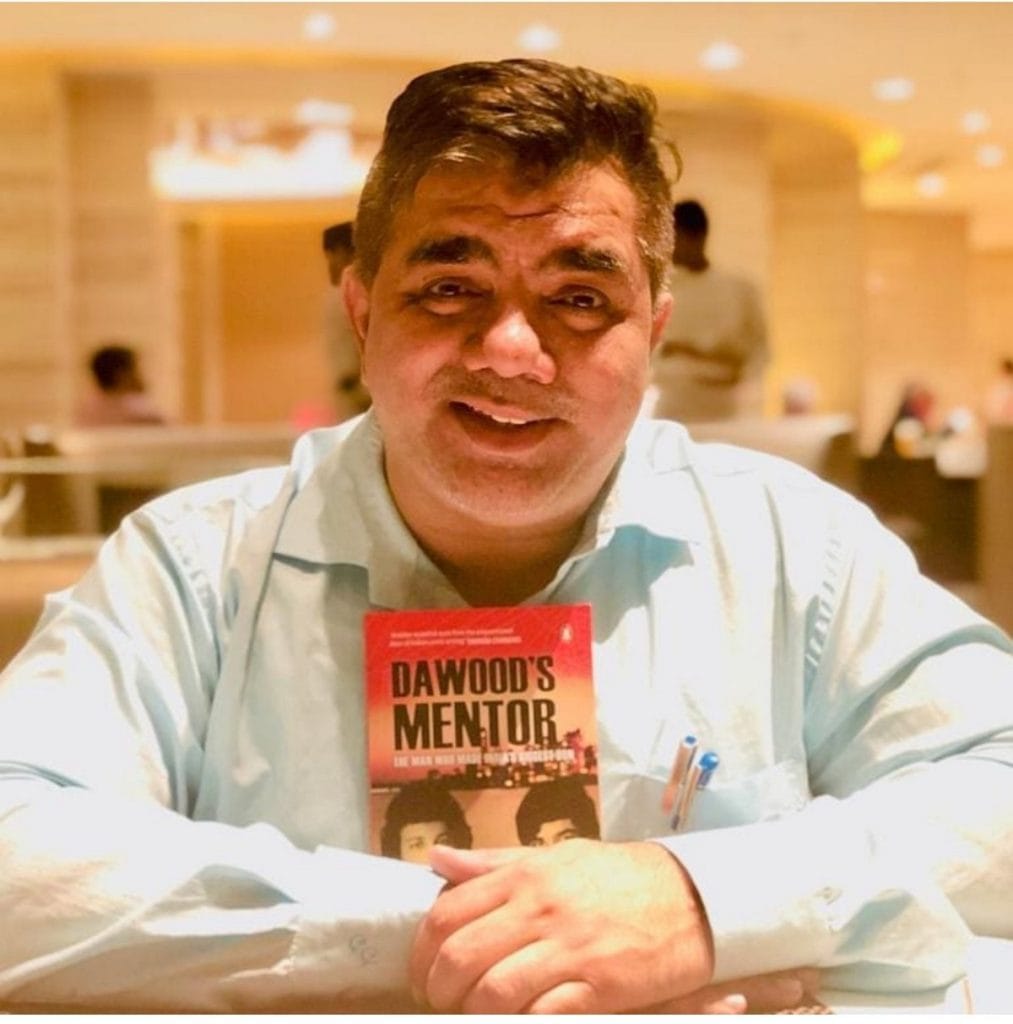
Credited with altering the depiction of crime in Hindi cinema, Kashyap later co-directed the Netflix series Sacred Games (2018), a sprawling Mumbai underworld saga adapted from Vikram Chandra’s novel. He was also in the process of adapting Suketu Mehta’s Maximum City, a nonfiction portrait of the city’s crime and power networks, before it was suddenly shelved by Netflix.
Meanwhile, Zaidi’s prolific output—17 books and counting—became the industry’s source code. Dongri to Dubai became Shootout at Wadala (2013) and Bambai Meri Jaan (2023); Mafia Queens’ Gangubai chapter became Gangubai Kathiawadi (2022); Mumbai Avengers became Phantom (2015); and Class of ’83 became a 2020 film by the same name.
His dominance comes down to a rare combination of credibility and consistency, according to Jain: “He knows stuff and gets it done.”
OTT’s underworld trip
If books mapped the underworld, OTT dissected it from every angle—gangster, cop, politician, journalist.
Netflix’s first Indian original, Sacred Games (2018) changed everything. It stitched the underworld to national politics, nuclear anxiety, and bureaucracy, spanning Mumbai of the 1980s and 90s. Nawazuddin Siddiqui’s Ganesh Gaitonde—loosely modelled on Arun Gawli, with shades of Dawood—gave the gangster archetype a brooding complexity it hadn’t had before. The show held the top position in originals for five years until 2023.
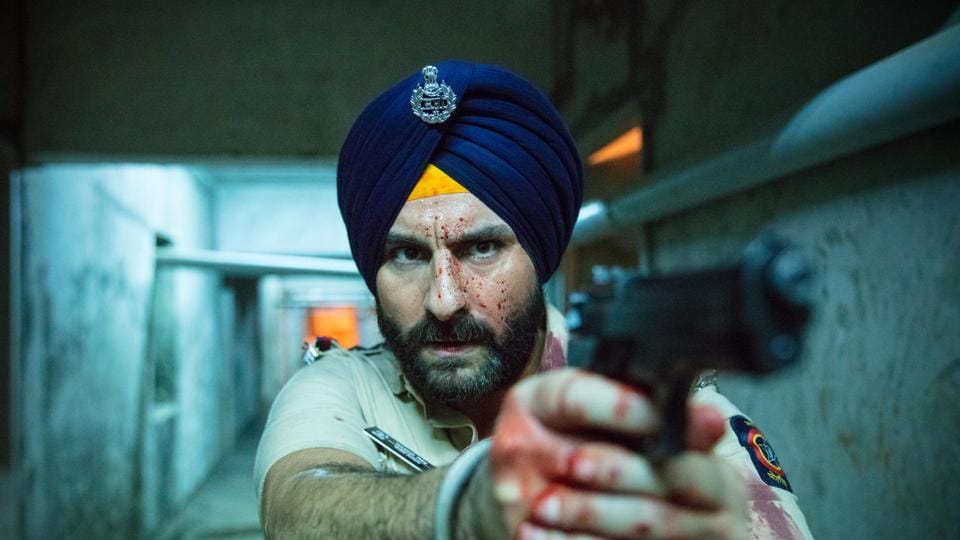
The episodic format also allowed for a deeper exploration of not just the whats, but the whys. Class of ’83 (2018), based on Zaidi’s book, examined how the closure of Mumbai’s cotton mills led to a rise in men joining the mafia for sustenance. Then came Bambai Meri Jaan (2023), also based on Dongri to Dubai, tracing Dawood’s rise from a hawaldar’s son in a Mumbai chawl to underworld kingpin.
The lens lingered longer on the enforcers as well, whether it was Saif Ali Khan’s Sartaj Singh in Sacred Games, or Kay Kay Menon’s Ismail Kadri in Bambai Meri Jaan. In Class of ’83, the hero is an honest cop, ADGP Vijay Singh (Bobby Deol) who trains select officers to infiltrate and eliminate gangs, ‘dirty-Harry style’.
Non-fiction content joined the underworld slate too. In 2023, Netflix released the documentary Mumbai Mafia: Police vs Underworld, directed by Raaghav Dar, and Francis Longhurst. It features former Mumbai police officers Pradeep Sharma and Ravindranath Angre, both known for their encounter records. The documentary shows how these cops rose to cult status and inspired films, only to see their reputations get dented as ‘encounters’ began to be viewed as extrajudicial killings rather than heroics.
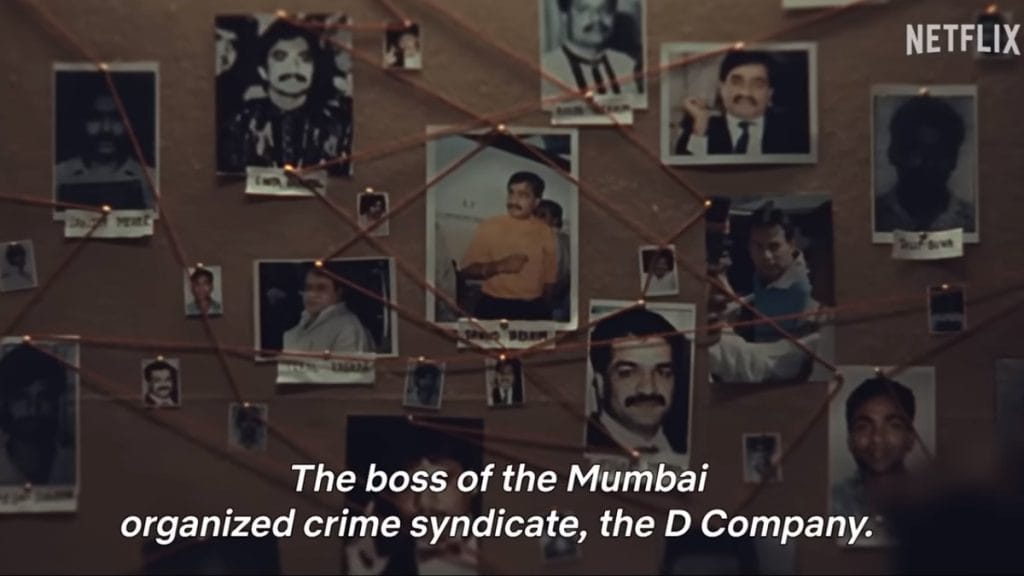
“We were trying to explore the story of the police officers who did the hard job, but then did not stop when they were supposed to and paid the price for it,” said Dar. “It was also interesting how the media reported on these police officers, who became villains overnight.”
The media itself became another lens. Scoop (2023), directed by Hansal Mehta, examined what it meant to report on the Mumbai mafia.
The series follows investigative journalist Jigna Vora—mentored by Zaidi—who was arrested under the Maharashtra Control of Organised Crime Act (MCOCA) in 2011 for allegedly having ties to the murder of fellow journalist Jyotirmoy Dey. She spent nine months in jail and was out on bail when she was acquitted in 2018. Her book, Behind Bars in Byculla: My Days in Prison, was the basis for the Netflix series. It also featured Chhota Rajan, who was sentenced to life imprisonment in Dey’s murder.
Also Read: Netflix India has turned 10. This is how it changed stardom and Indian viewing
‘Hundreds of stories’
Among all the adaptations of his books, Zaidi’s favourite is Sanjay Leela Bhansali’s Gangubai Kathiawadi (2022), starring Alia Bhatt. It’s one of the rare films to shift the spotlight away from the men who dominate Mumbai underworld.
The film follows Zaidi’s chapter on the sex-worker-turned-madam almost to the letter, including her alliance with the Pathan gangster Karim Lala and her rise to political power. Gangubai Kathiawadi’s fidelity to the source material extended to the wardrobe and colour choices as well. Unlike Bhansali’s usual explosion of colours, the film focused on white.
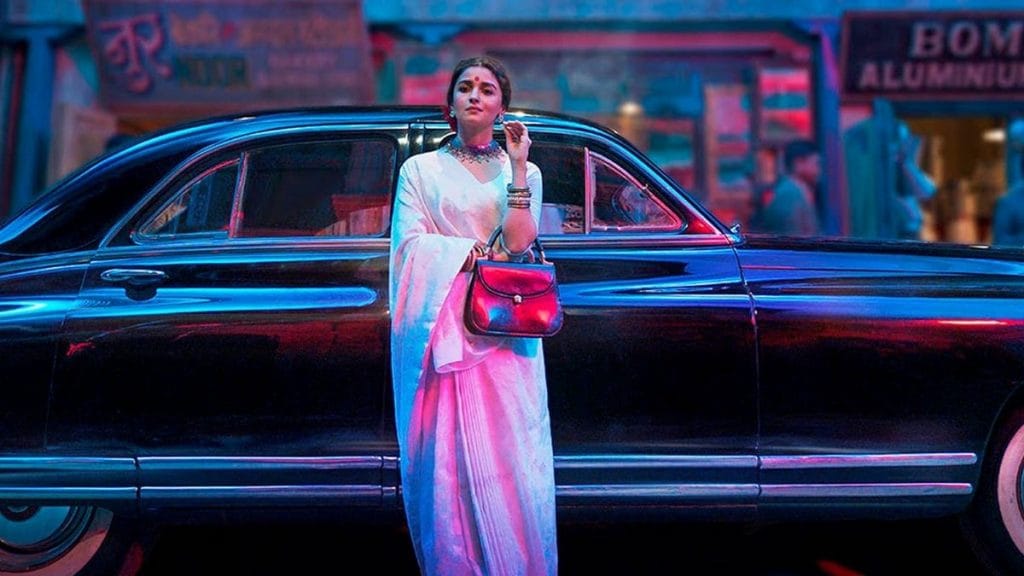
“Zaidi’s book had just one line describing that Gangu liked wearing white and was fond of gold ornaments,” said Sheetal Sharma, who designed the iconic looks for the film.
Yet, despite these excursions into newsrooms and brothels, the genre cannot resist the pull of Dawood. The next project on the cards is Dongri Gangster’s Paradise, slated for release later this year. It focuses on a young challenger taking on “the biggest don of all time”.
For Dar, the underworld well will never run dry.
“So many lives were affected by the mafia that there are hundreds of stories, and the public fascination will not die down either,” he said. “One man’s gangster is another man’s freedom fighter, and there are many sides to the same story.”
(Edited by Asavari Singh)