





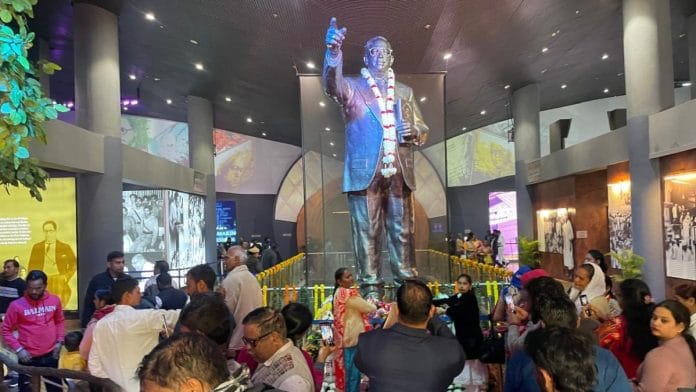



New Delhi: Delhi Chief Minister Rekha Gupta folded her hands and said a quiet prayer standing before a statue of BR Ambedkar at the Dr. Ambedkar National Memorial on Saturday to mark his 69th death anniversary.
She wants Ambedkar’s “Parinirvan Sthali” (site of his passing) to get worldwide recognition.
“Every person who comes to India, who comes to Delhi, should come here at least once to pay respects at Babasaheb’s feet,” said Gupta, to a cluster of reporters at the memorial in Delhi’s Civil Lines.
The memorial is open to the public at no cost to celebrate the life of the social reformer who drafted the Constitution of India. Ambedkar lived at 26, Alipur Road in Civil Lines, where he died on 6 December 1956. The national memorial, built at a cost of Rs. 100 crore, was inaugurated by Prime Minister Narendra Modi in 2018.
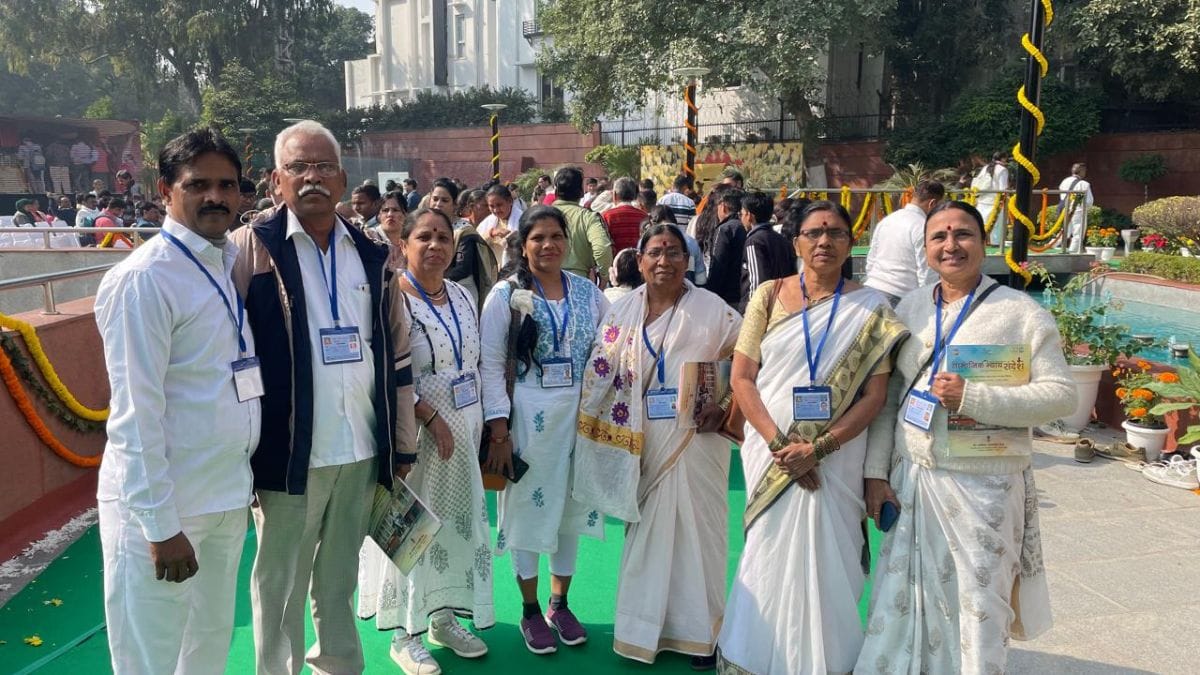
“This is the first place of our darshan, after this we are going to Bodh Gaya and then Nepal,” said Asha Saronke, who was part of a group visiting from Maharashtra. Dressed in shades of blue and white, the women had ID cards around their necks, with images of Ambedkar on the top right.
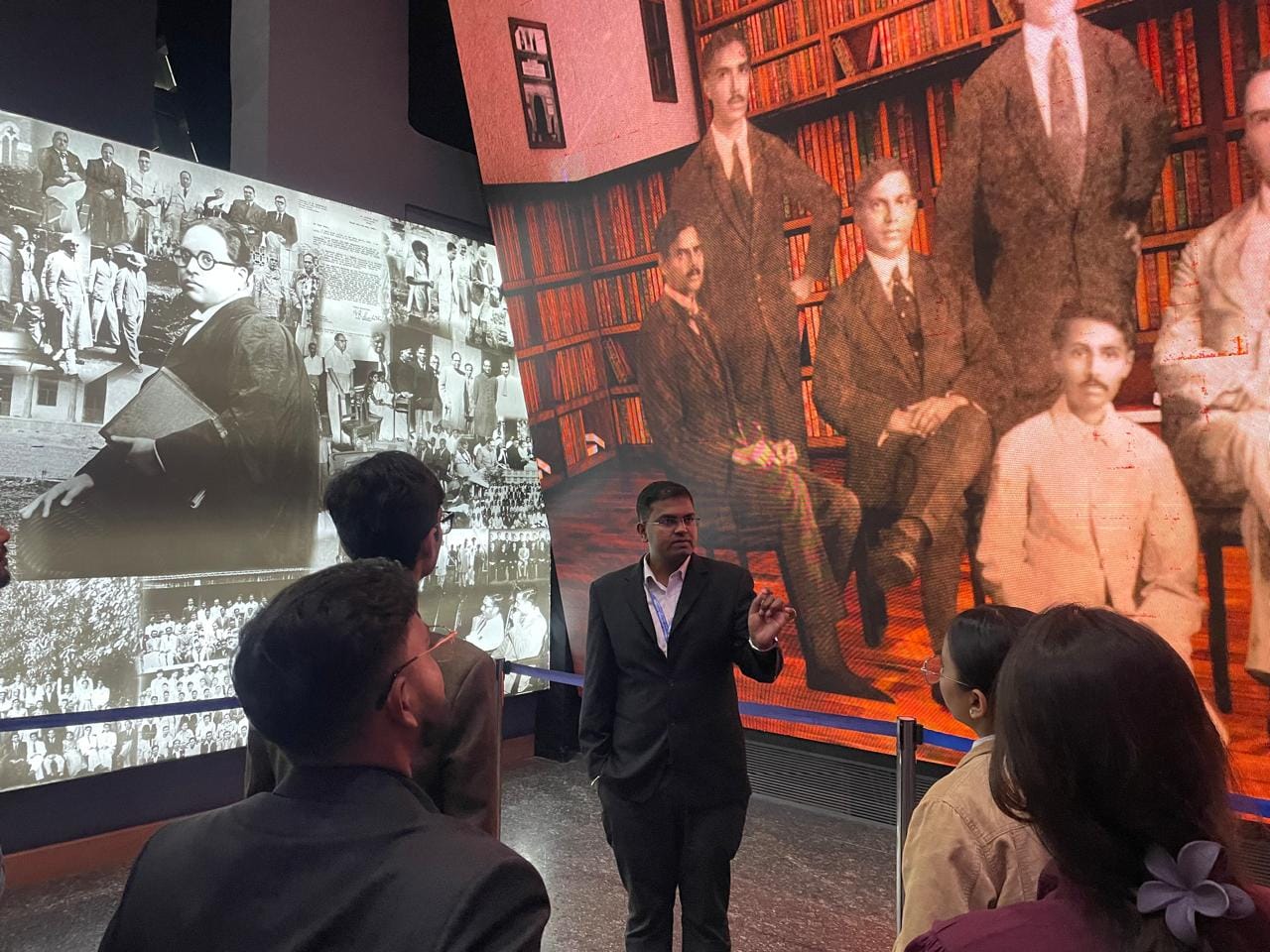
The event drew a large crowd throughout the day. People walked through the museum inside the main building, which housed an audio-visual display of Ambedkar’s life. Inside, guides educated groups of people about Ambedkar’s early life, his time at Columbia University and the London School of Economics, political agitations, and the drafting of the Constitution.
Also read: The Sri Lanka story in 100 fridge magnets
Devotees of Babasaheb
As people walked around the memorial site, paying their respects by placing flowers at the feet of Ambedkar’s statue or memorial plaque, organisers handed out copies of Samajik Nyay Sandesh – a monthly magazine published by the Dr. Ambedkar Foundation (DAF) under the Ministry of Social Justice and Empowerment. The issue had sections on Dalit voices in poetry, a rural livelihood study in Maharashtra, the global relevance of Ambedkar, and the problems of farmers in West Bengal. People clasped onto their copies as they stopped by the souvenir shop, which sold everything from Ambedkar-themed keychains and pens to miniature statues and stickers.
“It is our good fortune that Babasaheb chose this place, located in Delhi, as the site of his Parinirvan. This centre of ours is one of the Panch Teerth (five memorial sites developed by the government) dedicated by our respected Prime Minister Narendra Modi in honour of Babasaheb,” said Gupta.
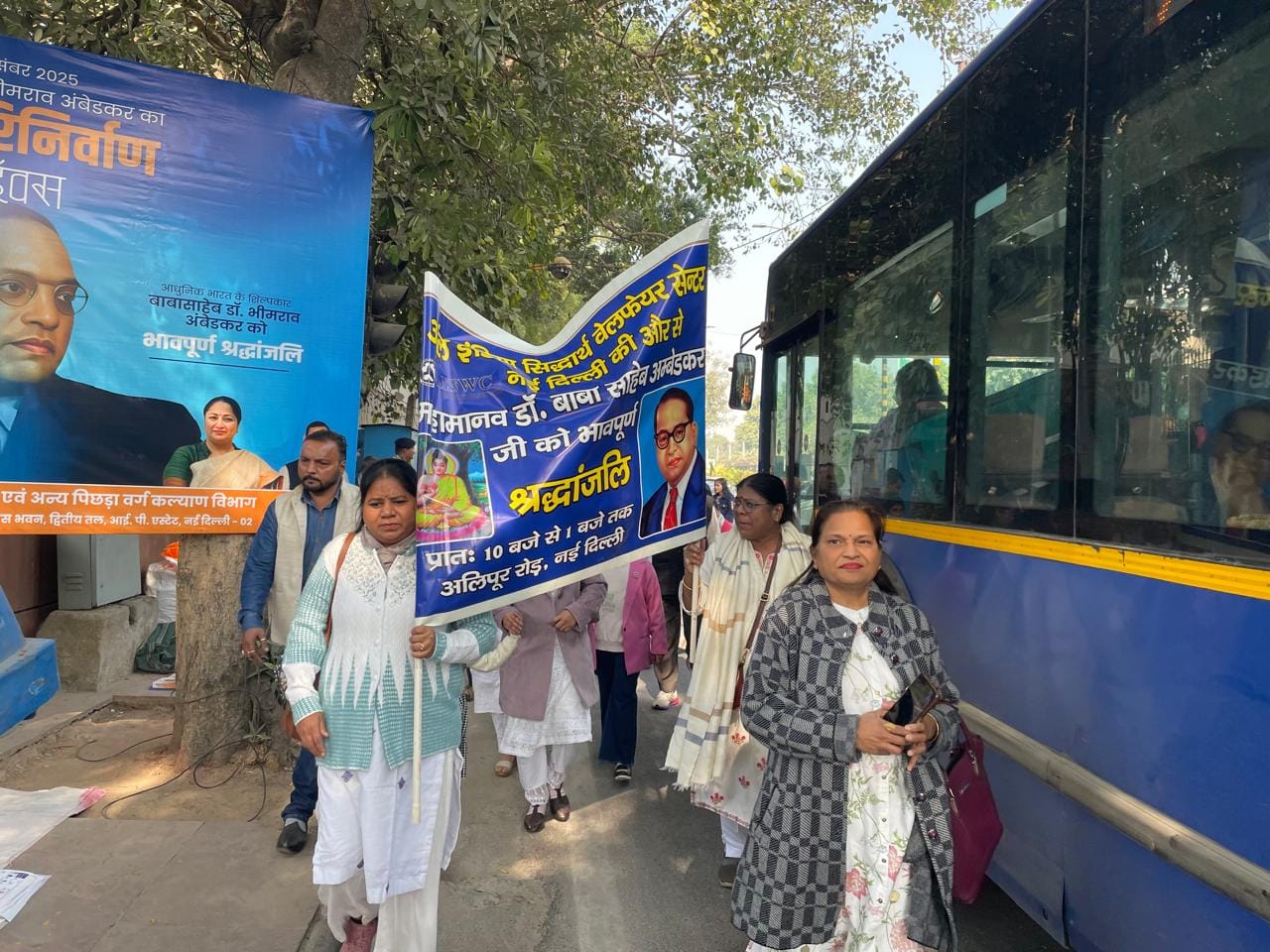
Outside the museum, a group of people held statues of Buddha on their heads while carrying blue flags, imprinted with the words “Jai Bhim” and “kalam ka badshah (king of the pen)” next to an image of Ambedkar. The group was protesting for the freedom of the Mahabodhi Temple in Bodh Gaya from Hindu priests.
“Even though this journey of ours was meant to spread a message of peace, at every place we stopped, our central issue remained the same: that we will launch a movement to free our Buddhist temple, our mother-temple,” said a member of the group. “Our struggle will continue, and until it is freed, many people of our community will continue to support this movement.”
As the group approached the memorial plaque marking the Mahaparinirvan Sthal, the white statue of Buddha was held up to a bronze bust of Ambedkar as devotees placed garlands and flowers on the plinth before quietly departing.
(Edited by Ratan Priya)