








New Delhi: The rupture did not arrive as a surprise. It had been building quietly, in the language people used, in the distribution of power, and in the silences that followed. When the violence finally tore through Manipur in 2023, it carried with it histories that had long been ignored, even as the world continued to look away.
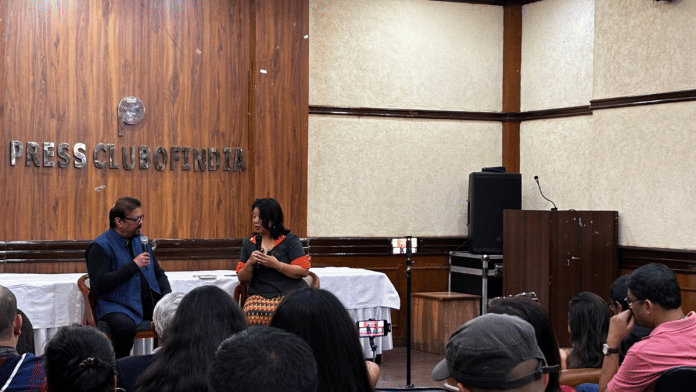
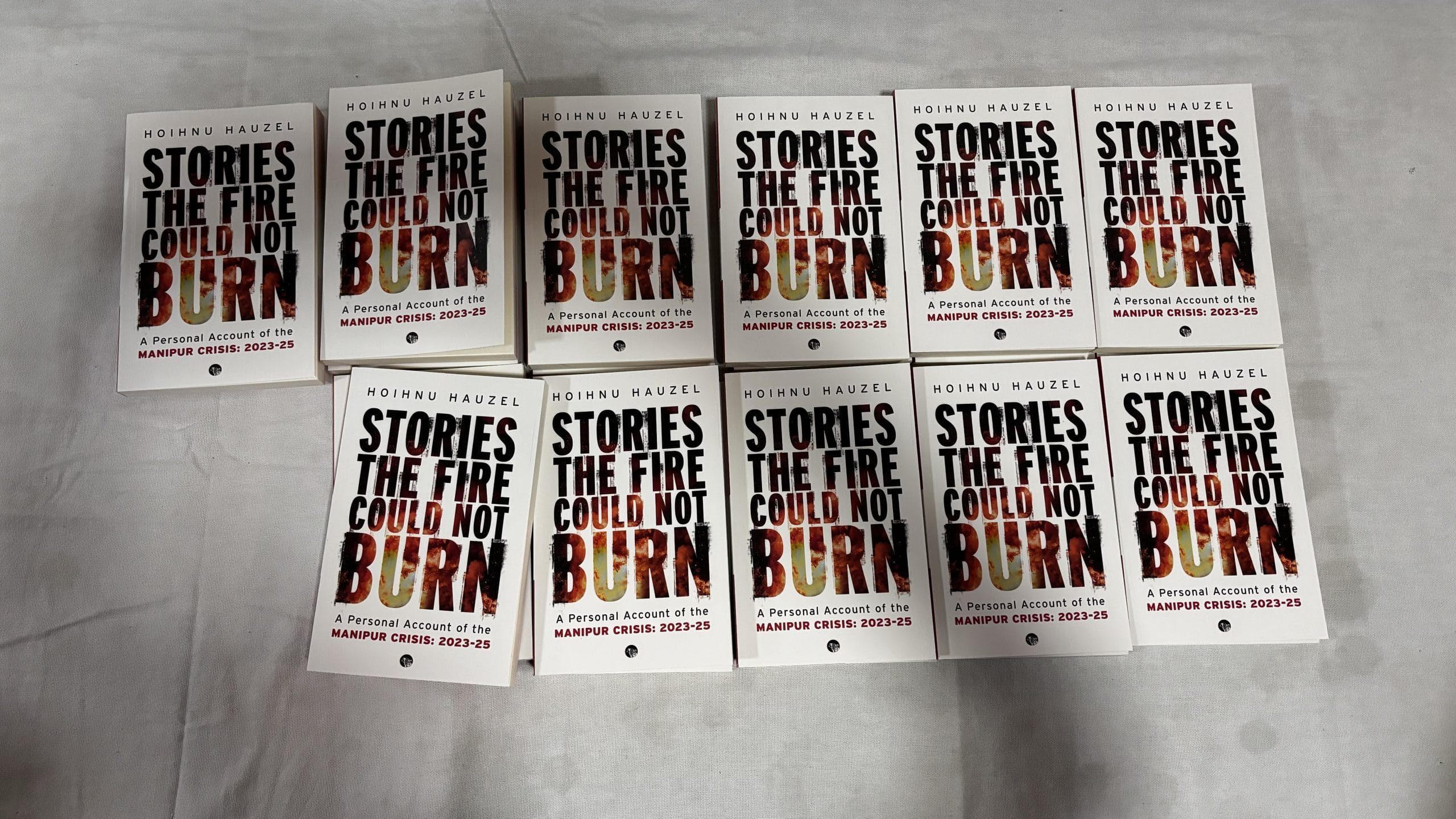
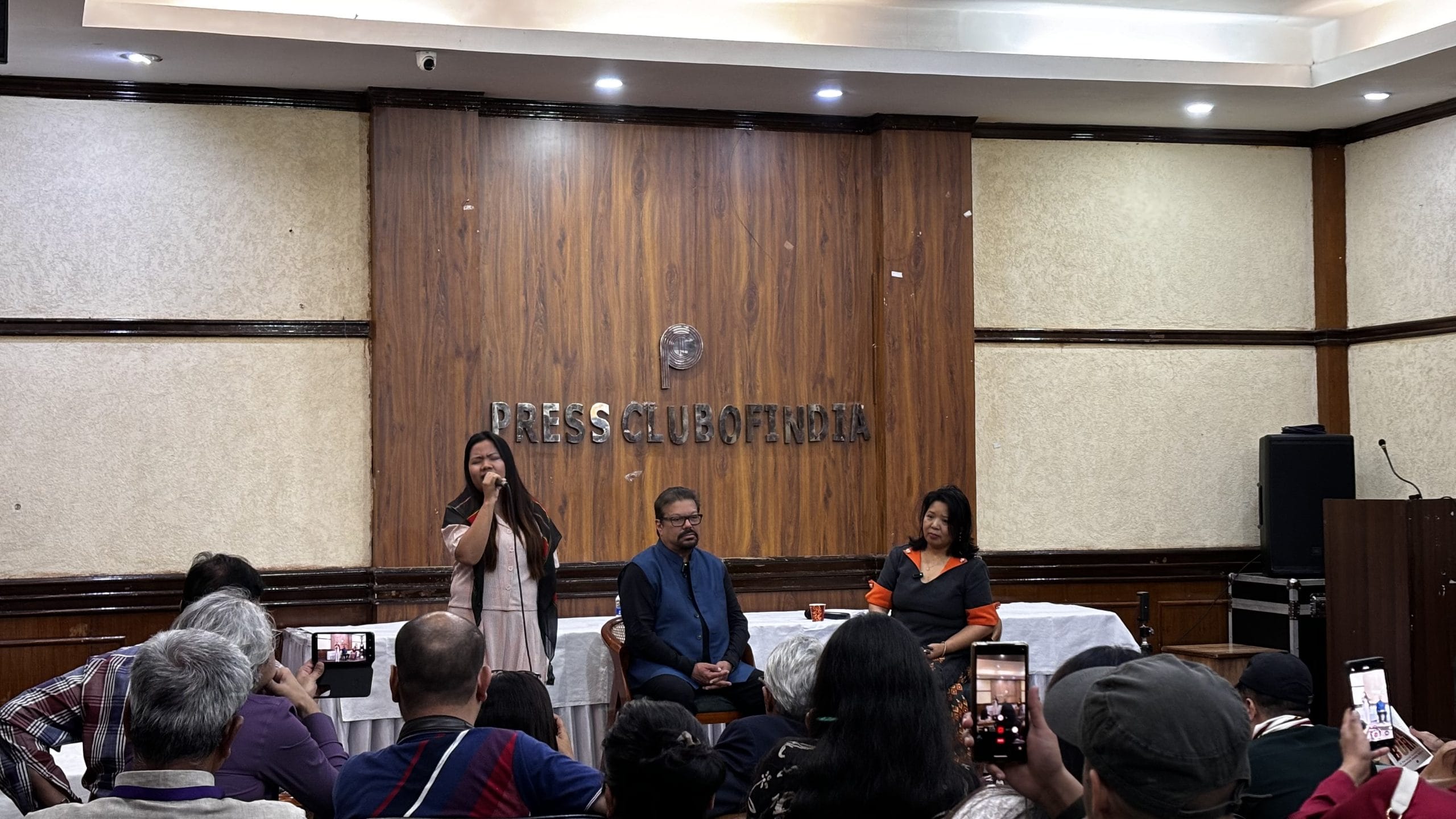
“There has been a structural, strategic, institutional and very deliberate attempt not to include hill communities. And we must remember that hill communities have lost everything,” said journalist and author Hoihnu Hauzel at the discussion of her book Stories the Fire Could Not Burn, published by Speaking Tiger Books. Held on March 31, the session was moderated by journalist Vir Sanghvi in front of an audience which mostly included journalists, activists and sympathizers for the cause of Manipur.
The book itself is a graphic tale of violence and grief inflicted on the Kuki-Zo and Mizo communities and their survival.
In May 2023, the ethnic tensions between the majority Meitei and minority Kuki-Zo communities escalated into a crisis that left over 260 people dead and displaced more than 60,000 in the northeastern state. Hauzel said that many of their stories remain unreported, and many lives remain suspended in relief camps with little visibility.
According to the author, there has always been an imbalance of power, of access, and of recognition that has shaped the state long before the first fires were lit.
This imbalance was visible even in everyday language, in how the Kuki-Zo community was referred to. Terms like “hao” or “hao-macha” were used derogatorily, implying that people from the hills were “unclean” or “uncivilised.”
The Imphal Valley, which constitutes just 10 per cent of the land, remains the centre of political power and resources, while the hill districts, home to tribal communities like the Kuki-Zo and Nagas, span the remaining 90 per cent yet continue to feel sidelined.
Also Read: What Kuki-Zo families left behind in Manipur—books, pets, photo albums
What went wrong
The marginalization, Hauzel says, was once tempered by a fragile trust. Minority communities did not always see themselves as excluded; rather, there was an assumption that the majority would act as protectors.
“They were like big brothers,” Hauzel says. For years, the Kuki-Zo community believed that the Meitis would look after them. But there was a problem with that assumption.
What had once been seen as acceptance, gave way to demands for greater recognition and rights. That assertion, Hauzel suggests, unsettled an existing order that had long gone unquestioned.
“Many realities… are structurally designed for them to have more access to this power,” she says, pointing to the rigidness of the tribal system.
The violence that followed was, according to her,“unprecedented.”
“We have seen fires, but we have never seen the violence of this magnitude,” she recalls, describing nights when armed groups arrived, calling out “kill them, kill them,” as families, such as hers, confronted the immediacy of the threat.
She is most disappointed by the absence of accountability.
“When those meant to protect you fail, it leaves communities completely vulnerable,” she says, a sentiment that was common through the room. Several in the audience returned to the same question: the near absence of convictions and accountability for those accused of some of the most brutal crimes during the violence, from the public parading of women to the killing and mutilation of young men.
For Hauzel, the way forward lies not in choosing sides. But in acknowledging the asymmetries between the valley and the hills, between land and power, and addressing them through an inclusive, balanced policy.
(Edited by Insha Jalil Waziri)