








By Nyasha Chingono
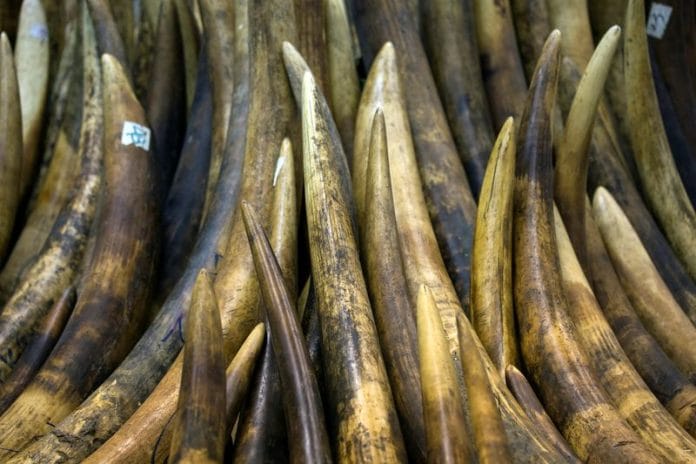
LIVINGSTONE, Zambia (Reuters) – Southern African countries hosting the largest elephant populations in the world made a fresh pitch on Wednesday to be allowed to sell their $1 billion ivory stockpiles, amid calls to pull out of an international convention on endangered species.
Five countries that make up the Kavango-Zambezi (KAZA) trans-frontier conservation area – Zimbabwe, Zambia, Botswana, Angola and Namibia – have been pushing for the lifting of a ban on ivory sales imposed by the Convention on International Trade in Endangered Species of Wild Fauna and Flora (CITES).
CITES, an inter-governmental body made up of 184 members, regulates wildlife trade in order to protect certain species from over-exploitation. In 1989, CITES banned the international commercial trade in African elephant ivory after populations of the animal declined sharply in the preceding decade.
Despite the ban, CITES in 1999 and 2008 allowed some one-time ivory sales by countries with “healthy and well managed” elephant populations, such as Botswana, Namibia, South Africa and Zimbabwe, with proceeds going to conservation programmes.
KAZA states, who hold a combined 227,000 elephants – more than half the total African population – are holding a summit in Zambia and have urged CITES to allow more ivory and elephant sales.
“The elephant in the room is how we are going to sustainably harvest our wildlife, how we are sustainably going to sell our stockpile of ivory,” Zambia’s tourism minister, Rodney Sikumba, told delegates. “You can only imagine how much of that $1 billion will go towards managing our wildlife resources.”
Addressing the summit, Botswana’s environment minister Nnankiki Makwinja said ivory trade was a key part of the country’s conservation plan.
“Botswana has been very firm on the utilisation of its resources for the benefit of its people. When you talk about sustainable development, you cannot fail to talk about issues of trade,” Makwinja said.
Namibian conservationist Malan Lindeque urged KAZA countries to pull out of CITES and form a separate convention body that would allow ivory trade.
“This is fundamentally unjust,” Lindeque told Reuters.
“I believe that nothing will change. Those members with huge stockpiles of ivory should leave CITES and make the strongest possible protest.”
(Reporting by Nyasha Chingono; Editing by Nelson Banya and David Holmes)
Disclaimer: This report is auto generated from the Reuters news service. ThePrint holds no responsibilty for its content.